.png)
 3 days ago
14
3 days ago
14
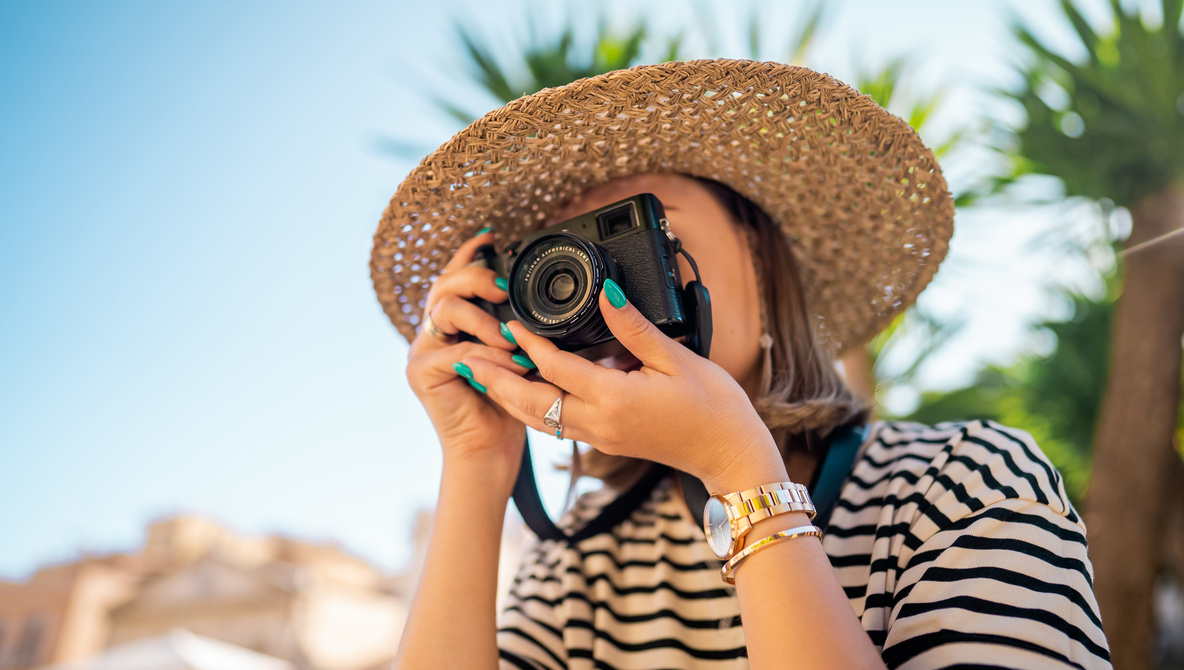
A lot of people are eyeing a smaller, simpler setup going into 2026, and the Fujifilm X100VI keeps coming up for a reason. If daily carry has started to feel like a chore, the question is whether a fixed-lens compact can get you shooting more without feeling like a compromise.
Coming to you from Sam Bassett, this practical video takes the Fujifilm X100VI out in London and talks through why it’s become Bassett’s default camera for 2026. Yes, it’s small enough to carry easily, but the real argument is about what you actually gain once it’s in your hand every day. Bassett calls out in-body image stabilization and built-in ND filters as features that change how often you can shoot handheld and how freely you can work in brighter conditions. He also frames it as an everyday camera that can still cover serious jobs when needed, which is the part most people want to believe but rarely test honestly. The video shows him moving between locations and building shots in real time, not just listing specs.
The comparison that keeps the video grounded is what Bassett chooses not to carry daily, including the Fujifilm GFX100RF and bigger interchangeable-lens setups. He’s clear that larger systems can be great, but the size, cost, and friction change how often you reach for them. He also calls out the older X100V as still capable, while noting that the lack of in-body stabilization can be a dealbreaker depending on how you shoot. If you’ve been telling yourself you “need” a new body, Bassett keeps returning to a harder question: are you actually limited by your camera, or are you using gear as a substitute for practice. He doesn’t take the easy route of shaming upgrades, but he also doesn’t let you hide behind them.
Where the video gets interesting is the way Bassett ties portability to permission. When a camera is easy to bring, you take more frames, you try more angles, and you accept more misses without feeling like you wasted a whole outing. He argues that this lower-stakes process can help you improve faster, especially if you tend to overthink when you’re holding a larger setup. The low-light section is a smart pressure test: he shoots a scene at ISO 10,000 and points out that most people would never guess the ISO without zooming in and hunting for noise. He also walks through a slow-shutter setup at 1/5 second with f/2, using motion blur to turn a person into shape and streaks while keeping the background sharp enough to read. If you’ve only treated slow shutter as a mistake, the way he stages the frame makes it feel usable. Check out the video above for the full rundown from Bassett.






 English (US) ·