.png)
 2 hours ago
1
2 hours ago
1
There's a term in photography that sounds like it belongs in a nature documentary, and in a way, it does. "Chimping" describes the behavior of looking at your camera's LCD screen immediately after taking a photo, and the name supposedly comes from the excited noises photographers used to make when digital cameras first became mainstream. It's also a potentially detrimental habit that can cause you to miss shots.
The problem is that chimping has evolved. What once represented genuine excitement about instant feedback has become something far less charming: an insecurity reflex, a compulsive behavior that many photographers don't even realize they've developed. We don't chimp because we're excited anymore. We chimp because we're anxious. We chimp because we don't trust ourselves. We chimp because the alternative, staying present in the moment, requires a kind of confidence that constant screen-checking slowly erodes. The fundamental issue is simple but profound: if you are looking at the past (the screen), you cannot see the present (the subject). Every second you spend reviewing what you just captured is a second you're blind to what's happening right in front of you.
Sign 1: The 'Look Down' Reflex
The most obvious sign that chimping has become a problem is when it stops being a choice and starts being a reflex. Watch yourself the next time you shoot. Do you physically lower the camera from your eye before the shutter has even finished closing? Does your thumb instinctively reach for the playback button before your brain has consciously decided to review the image? This is muscle memory at work, and not the good kind. You've trained yourself to associate the sound of the shutter with the action of looking down, and now your body does it automatically whether you want to or not. The telltale sign is when you catch yourself checking the screen even when shooting a burst of ten identical frames. Nothing has changed between frame one and frame ten, yet there you are, hunched over the LCD, verifying that yes, the exposure is still exactly what it was three seconds ago.
 The cost of this reflex is more significant than most photographers realize. Every time you drop the camera from your eye to check the screen, you lose your composition. You have to reframe the shot, reacquire focus, and reestablish your relationship with the scene. You're constantly resetting rather than staying in the flow, and this creates a stop-start rhythm to your shooting that fragments your creative momentum. Great photography often comes from sustained engagement with a subject, from that almost meditative state where you're anticipating moments rather than reacting to them. The look-down reflex makes this impossible. You can never build momentum because you keep interrupting yourself every few seconds to verify that your camera is doing its job.
Sign 2: You Miss the 'Laugh After the Smile'
Portrait photographers know that the posed smile is rarely the best shot. People tense up when they know the camera is pointed at them, and that tension shows in their faces. Their smiles become slightly forced, their eyes lose a bit of their natural warmth, and the whole image takes on a quality that reads as "photograph" rather than "moment." The magic happens in the transitions: the split second after you've clicked the shutter when your subject thinks the photo has been taken and they can relax. That's when you get the genuine laugh, the relief smile, the natural expression that makes a portrait feel alive.
If you're chimping, you miss all of it. You take the portrait, look down at the screen to check sharpness, and while your head is buried in the LCD, your subject lets out a genuine, unposed laugh. Maybe they crack a joke about how awkward it feels to have their picture taken. Maybe they share a glance with someone off-camera. Maybe their face simply relaxes into the expression they actually wear in real life, the one their friends and family would recognize instantly. These micro-expressions happen in the split seconds between poses, and they're worth more than a hundred technically perfect shots of someone doing their best impression of a pleasant expression. But you can't capture them if you're not looking, and you can't be looking if you're checking the screen after every click.
Sign 3: Your Subject Stops Engaging
This sign is particularly destructive for anyone who photographs people professionally, whether that's portraits, events, or commercial work. Pay attention to what happens during a shoot. You click the shutter. You look at your camera. Your subject waits. You look back up. You click the shutter. You look at your camera. Your subject waits again. After a few cycles of this, something shifts in the dynamic. Your subject stops moving naturally and starts posing and pausing. They begin waiting for your approval after each shot rather than flowing through expressions and positions. They become self-conscious, wondering if the last photo was good or bad, trying to read your face for feedback that never comes because you're too busy staring at a three-inch screen.
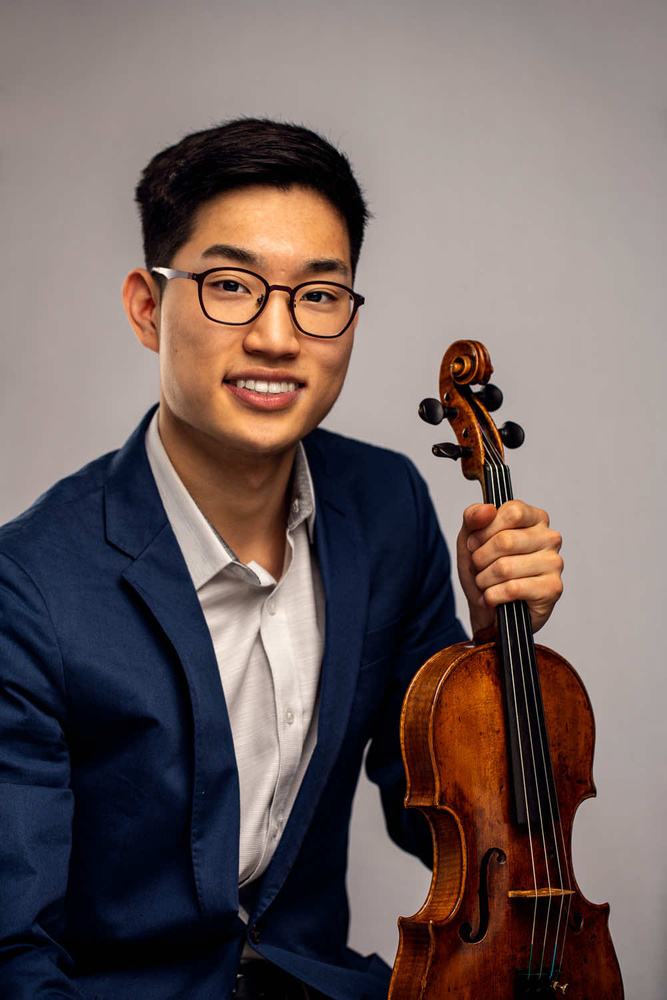 Eye contact is the tether that keeps the energy alive during a photoshoot. It's what makes the subject feel seen, engaged, and confident enough to be expressive. When you chimp, you cut that tether every few seconds. The subject feels ignored or, worse, judged. They start to assume you're critiquing each image as you take it, which makes them overthink their own contribution to the process. The relaxed collaboration that produces great portraits devolves into an awkward stop-and-start rhythm where neither party is fully present. Some of the best portrait photographers barely look at their screens at all during a session. They maintain that connection with their subject throughout, reviewing images only during natural breaks, and the difference in the energy of those sessions is immediately apparent in the final results. If you want to dive deeper into the techniques that keep portrait sessions flowing naturally, Peter Hurley's The Art Behind The Headshot covers these dynamics extensively.
Sign 4: You Are 'Editing' Instead of Shooting
There's a difference between checking an image and editing it, and chimping has a way of blurring that line until you're doing full post-production in the field. The casual glance at the screen to verify exposure is one thing. That might take half a second and serve a legitimate purpose. But be honest with yourself about what you're actually doing when you chimp. Are you zooming in to 100% to check critical focus? Are you scrolling through the last few shots to compare them? Are you mentally rating images, deciding which ones are keepers before you've even finished the shoot? Worst of all, are you deleting "bad" shots in the field, culling your work in real-time while you're still supposed to be creating it?
This behavior represents a fundamental confusion about what shooting mode should feel like versus what editing mode should feel like. Creating photographs and evaluating photographs require different mental states, and trying to do both simultaneously is exhausting. You're engaging your analytical brain while trying to use your creative brain, switching between critical evaluation and artistic intuition every few seconds. This constant mode-switching fatigues you and, more importantly, makes you overly critical of your work while you're still in the process of making it. That hyper-critical voice gets louder, and your willingness to take creative risks gets quieter. Save the culling for the computer. Save the pixel-peeping for the editing suite. When you're shooting, your only job is to shoot.
Sign 5: You Don't Trust Your Gear
Perhaps the most revealing sign of problematic chimping is when you catch yourself checking the screen for exposure or focus even though you've done everything right. You composed the shot carefully. You set your exposure based on the conditions. You saw the image in your viewfinder, and it looked exactly how you wanted it to look. Then you pressed the shutter, and immediately, you had to check. Not because anything went wrong, but because you were terrified that something might have gone wrong despite all evidence to the contrary.
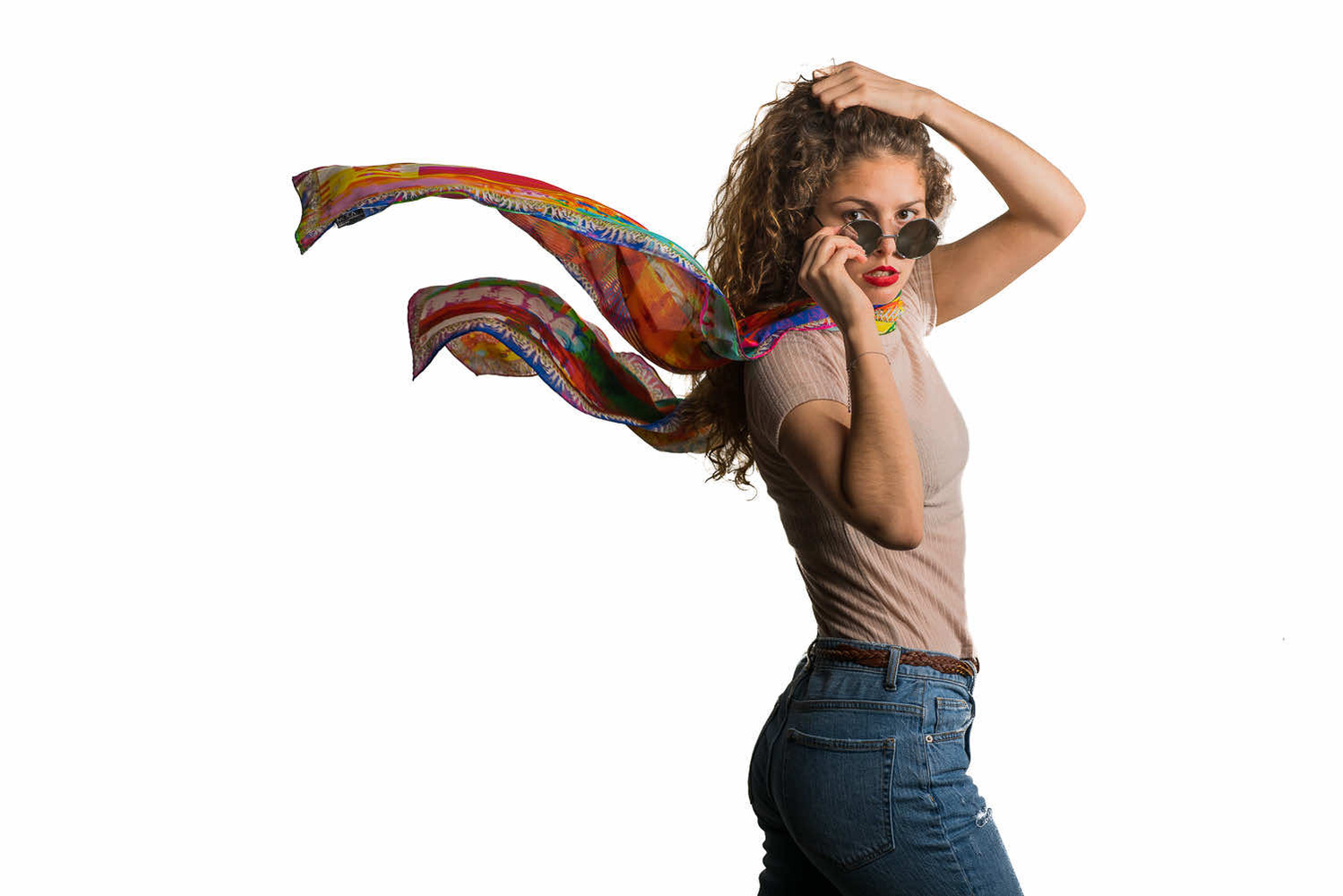 This is a lack of confidence, and it's worth examining where it comes from. Modern mirrorless cameras show you the actual exposure in the electronic viewfinder before you take the shot. What you see is what you get. If the image looked properly exposed in the viewfinder, it will be properly exposed in the file. If the focus indicator said it locked onto your subject's eye, it locked onto your subject's eye. Checking the back screen to verify these things is redundant paranoia, and it suggests a fundamental distrust of either your equipment or your ability to use it. Neither of those things will improve through chimping. Trusting your gear comes from experience and from the willingness to stay in the moment and see what happens. Constantly seeking reassurance from the LCD screen only reinforces the anxiety that makes you feel like you need reassurance in the first place.
The Cure: How to Stop Chimping
The good news is that chimping is a habit, and habits can be changed with intention and practice. The most effective first step is to disable your camera's automatic image review setting. This is the feature that immediately displays the photo on your LCD after you take it, turning the screen into a persistent temptation. With this setting turned off, looking at the screen becomes a deliberate choice rather than an automatic response. You have to press the playback button and consciously decide to review your images, which creates just enough friction to break the reflexive behavior. You might be surprised how often you realize you don't actually need to check the screen once checking it requires an active decision.
For those who need a more structured approach, try the "10-shot rule." Force yourself to take 10 distinct frames before you're allowed to check the screen. Not ten frames of the same thing, but ten genuinely different compositions or moments. This forces you to stay engaged with your subject and environment, and it often reveals how unnecessary most of your chimping really was. After 10 shots, you'll look at the screen and realize that yes, your exposure is fine, just like it was fine for the first nine images you didn't check. The rule trains you to trust your settings and stay in the creative flow rather than constantly interrupting yourself for validation.
If exposure anxiety is specifically driving your chimping, learn to use your camera's live histogram or exposure meter in the viewfinder. Most modern cameras can display this information in real-time, giving you exposure feedback without ever taking your eye from the finder. If the histogram looks right before you press the shutter, the image will be properly exposed. There's no need to verify by checking playback. The information you need is already in front of you, available at a glance rather than requiring you to lower the camera and break your engagement with the scene.
Conclusion
The moment you just captured is already gone. It exists now only as data on a memory card, and nothing you do will change what's recorded there. Looking at it on the screen won't make it sharper or better exposed or more emotionally resonant. But while you're looking at that past moment, present moments are happening all around you. Light is shifting. Expressions are changing. Compositions are presenting themselves and then disappearing, unremarked and uncaptured, because your attention was elsewhere.
Photography is ultimately about presence. It's about being fully engaged with what's in front of you, anticipating rather than reacting, staying in the flow rather than constantly stepping out of it. Chimping is the opposite of presence. It's a retreat into anxiety and second-guessing, a way of seeking reassurance that only makes you more uncertain. The best photographers have always known this instinctively. They trust their preparation, trust their equipment, and trust themselves enough to keep their eye in the viewfinder and see what happens next. The screen will still be there when the shoot is over. The moment won't.




 English (US) ·