.png)
 4 days ago
18
4 days ago
18
Beginning landscape photographers get bombarded with tips and advice—some helpful, some confusing, some that just get in the way. Here are the five pieces I really wish I hadn’t taken so seriously when I was starting out.
It’s tricky as a beginner to sort out what’s actually worth paying attention to. Some of the advice floating around is well-intentioned; some is repeated without much thought; and some just doesn’t fit where you are in your photographic journey. These are the ones I’ve learned to take with a pretty big grain of salt. I just wish I had learned to do it sooner.
Being Out Is the Reward
The Problem
You’ve just picked up a camera for the first time. You probably already enjoyed being in nature, which is what led you to landscape photography in the first place. But suddenly people are telling you that the photo—the whole reason you decided to try photography at all—isn’t actually the point. That can feel confusing and insincere. Or if you’re like me, even insulting.
Why People Say It
It can be hard to imagine as a beginner, but once you’ve accumulated years of shooting, you end up with a staggering number of images, especially if you shoot digital. Photos from any given outing start to feel like they barely register against this sheer volume. Some people are totally fine with that. Others find it a little unsettling, so leaning into “the experience” becomes a way to make the outing feel meaningful even if the photos themselves don’t end up being memorable. I think that’s where this sentiment comes from. And to be honest, I’m sure it’s valid for many.
The Truth
It’s absolutely fine if the point of your outing is to come home with one or more photos you’re excited about. And it’s just as valid if you go out, enjoy being outside, and barely shoot anything. The balance will change over time, and it might even change from day to day. Roll with it. Enjoy whatever version of the outing you get!
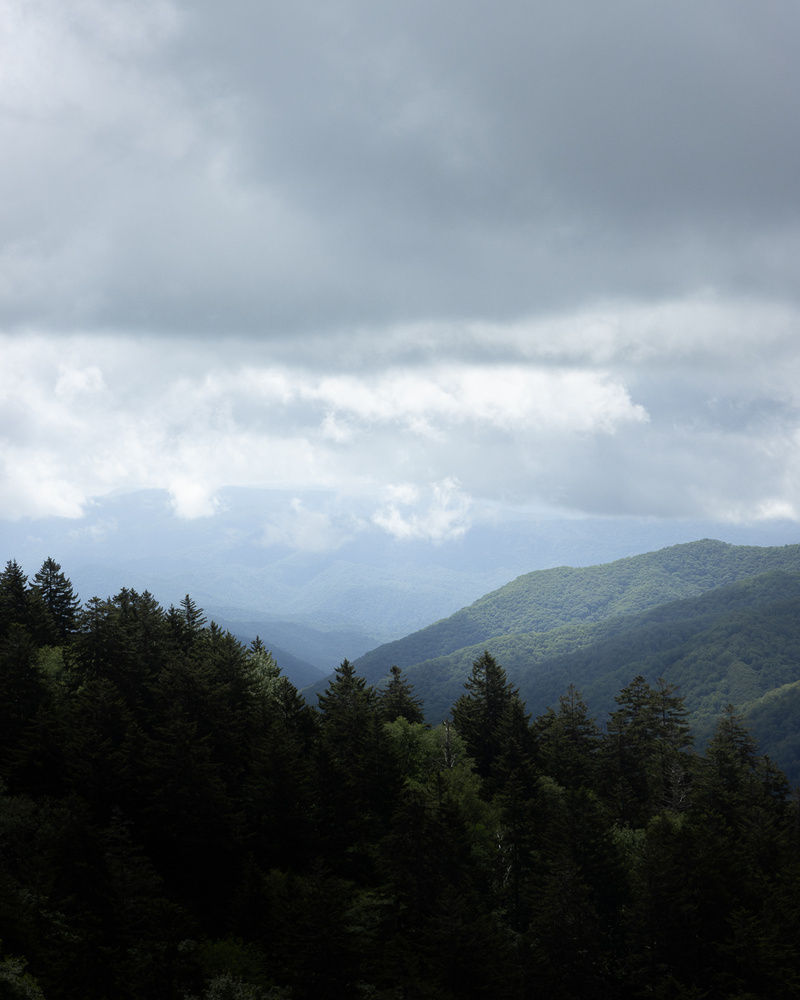
You Need To Find Your Style
The Problem
As a beginner, you’re still trying to figure out what “good” even means or looks like. But then you hear that you need a “style,” and suddenly you’re thinking about aesthetics before you’ve even had time to experiment, play around, and learn what you actually enjoy. It’s a compulsion that could lead you to skip over learning about yourself, and discovering what kind of photographer you are.
Why People Say It
This advice sounds pretty reasonable, especially when couched in “how to stand out” language. It’s probably even more sensible if you’re working commercially. If you shoot portraits or products, a consistent style can matter a lot when it comes to marketing and selling your services. And on social media, where pieces of this advice come from in the first place, having a recognizable look can help you build an audience. When you’re in that context and a style has brought along a strong following, it seems like an easy “trick” to pass along to beginners.
The Truth
A style can be nice to have, but it’s definitely not required. This is especially true if photography is a hobby or a creative outlet for you. Chasing style too early can distract you from the more important and artistic aspects, like figuring out what kinds of scenes you’re drawn to or what kind of editing feels natural for you. And if you eventually settle into a consistent style, that’s great. But if you bounce around like I do, that’s also totally fine.
Photos need to tell a story
The Problem
My biggest frustration with this one is that a lot of people who say it don’t actually explain what “story” means, especially in landscapes. In some genres, stories can be compelling. But in landscapes, it might just be something simple like “this place is beautiful” or “this morning was quiet.” Beginners hear this advice and start chasing some vague outcome instead of focusing on expressing themselves through their images.
Why People Say This
This feels like another case where social-media language bleeds into everything else. “Story” sounds profound. It makes a person seem like they know what they’re talking about, even if they don’t. In some genres, I can appreciate that it really does matter. However, in a world where content creators constantly need to say something, this seems to be a piece of advice that can be repackaged in many ways, many times.
The Truth
Not every photo needs a story. It’s completely fine if the picture is just about the beauty of a place, or the mood of the morning, or the power of a waterfall. Oftentimes, a single photo won’t or can’t carry a story on its own anyway. Creating a body of work will often do a much better job. Also bear in mind: If you photograph what you find interesting, there’s already a story baked in. You don’t need to force it.
Cropping
The Problem
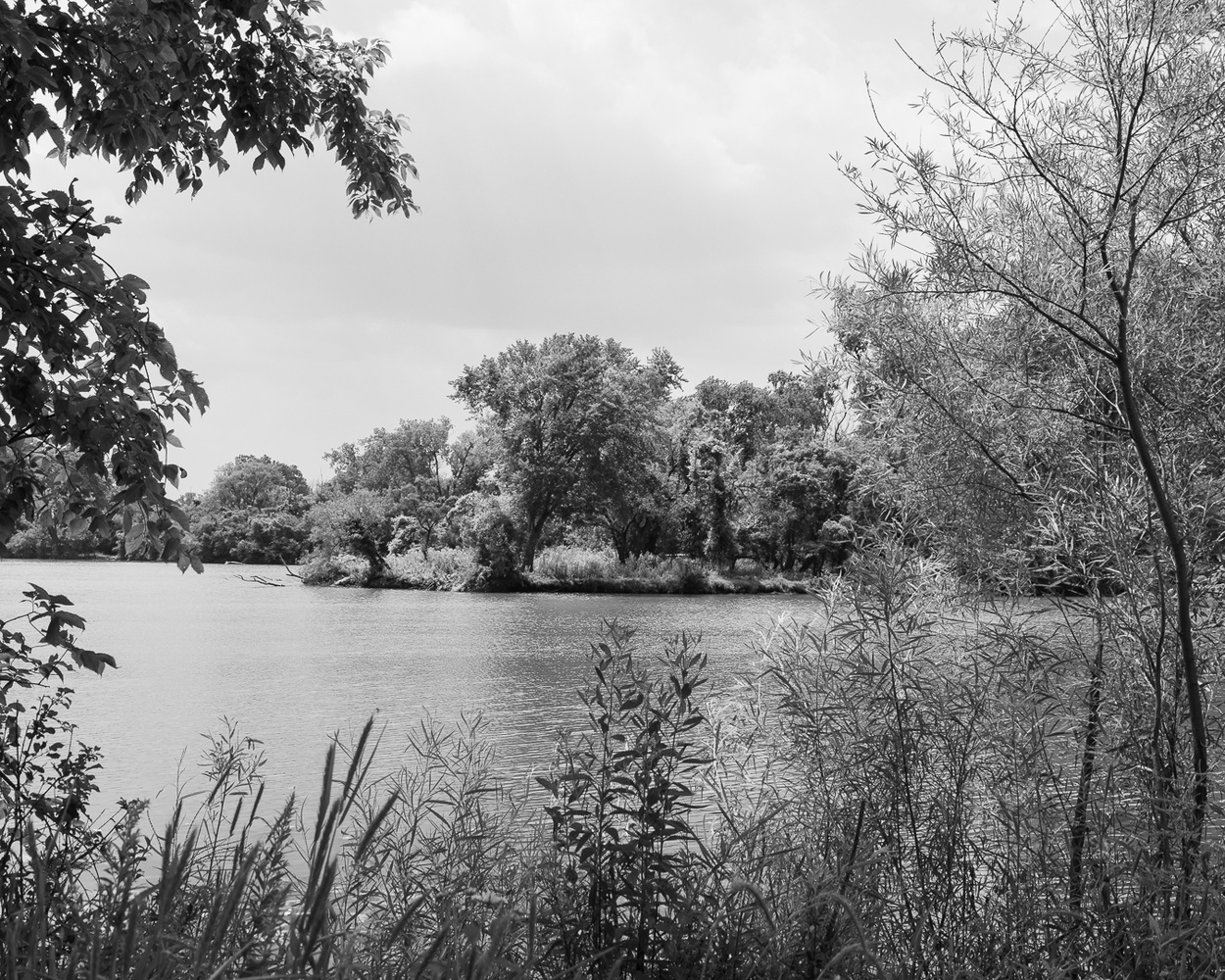
Cropping brings out some truly strong, and often baffling, opinions. Early on, I read something from a well-known photographer who basically called the 2:3 aspect ratio lazy because it was “just the sensor’s native shape.” To this day, I still rarely shoot 2:3, even though I long ago dismissed that comment as ridiculous. Depending on when you hear this sort of advice, these narrow-minded opinions can unfortunately lay a strong hold over your creativity, limiting you unnecessarily.
Why People Say It
I genuinely don’t know. This has always felt like a weirdly passionate stance. Is it just to sound authoritative? Is it because they decided their preference is somehow universally correct? Or is it just something they heard once and kept repeating? I would love to know why cropping inspires such absolute, unwavering opinions. Let me know if you have any thoughts on this one in the comments!
The Truth
Aspect ratio does matter. It can definitely support the way your photo feels, giving it a certain mood or meaning. But how you get there should be up to you and the scene in front of you. Shoot and use the full sensor if that’s your thing. Crop however you want if it suits you. Modern cameras have so many pixels that “throwing some away” just isn’t a concern for the vast majority of photographic applications anymore. Give yourself the benefit of freedom on this one.
There Is Bad Light
The Problem
Labeling light as “good” or “bad” automatically implies that you need to evaluate if you should even bother shooting. Suddenly you feel like sunrise and sunset are the only times worth going out. You become more concerned with determining an objective value of the light than of composing well. Or worse, you avoid shooting entirely because those times don’t work with your schedule. It’s a limiting way to think about something that’s much more nuanced.
Why People Say It
I think this is well-intentioned. Sunrise and sunset light is undeniably beautiful. The side light gives shape to the landscape, the colors in the sky can add drama or serenity, and it just generally feels special. That’s all true. The trouble is when the implication becomes that any other type of light isn’t worth your time, and you start to avoid daytime photography or even overcast sunrises or sunsets.
The Truth
Light isn’t good or bad. It’s just different. Sometimes it’s helpful for what you wanted to photograph. Sometimes it isn’t. Harsh light emphasizes texture, while the soft light of cloud cover evens everything out. Side light adds dimension. It might not be the right light for the photo you had in mind, but it might be perfect for something you didn’t expect. Learn how light interacts with the scene, not how to compare it to some perceived ideal or standard.
Final Thoughts
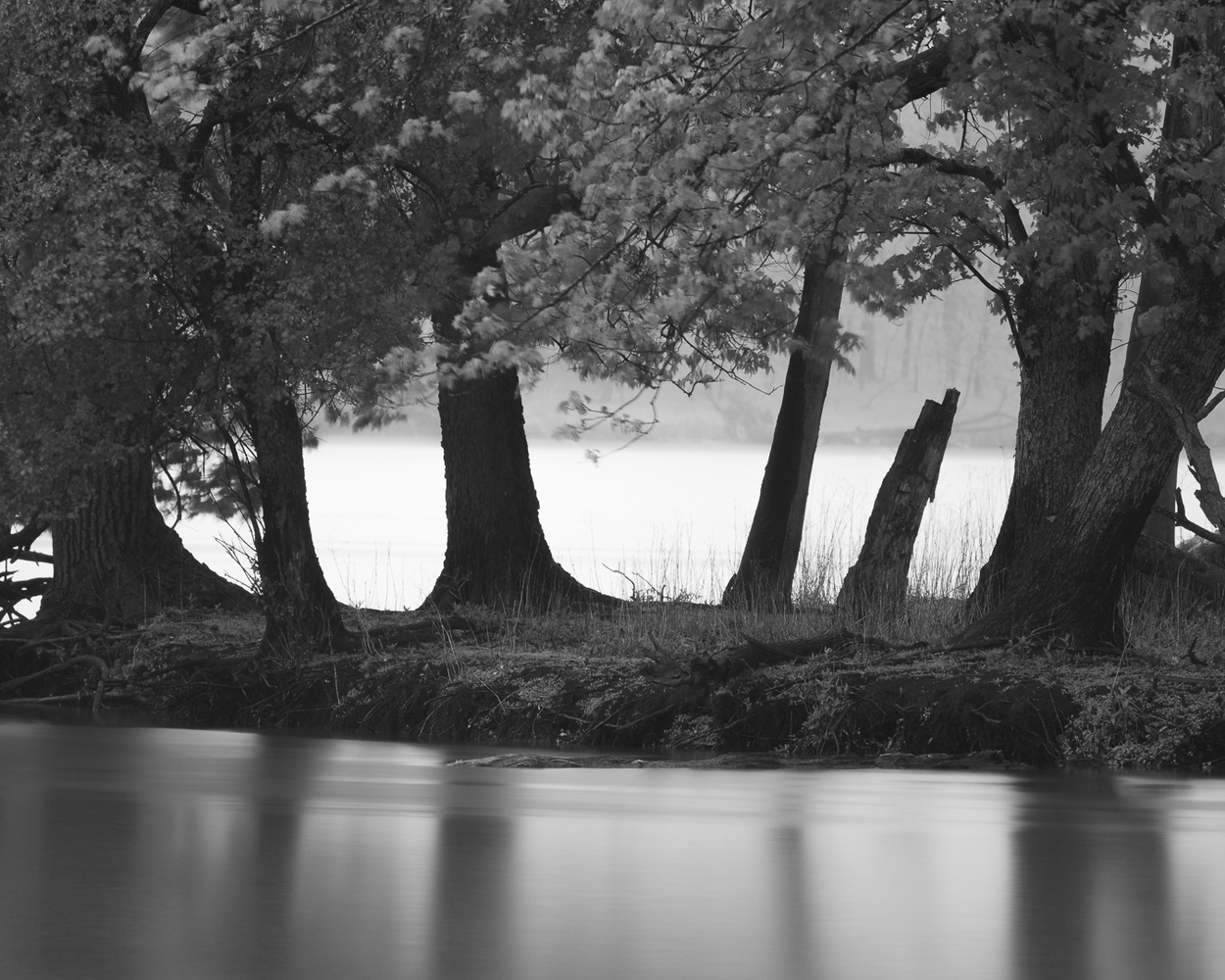
Photography comes with a mountain of advice, and a lot of it sounds definitive when you’re first starting out. Over time, you start to figure out which ideas actually help you grow and which ones quietly box you in. The more you get out there, the easier it becomes to filter the good from the not-so-good. If you’re earlier in your photographic journey, don’t take what anyone says as absolute. Instead, play around with it. See if it suits you. If it does, that’s great! And if it doesn’t, you’ve learned something valuable about how you want to photograph anyway.
What pieces of beginner advice did you hear that you now see differently?




 English (US) ·