.png)
 4 hours ago
3
4 hours ago
3
Small adjustments can quietly fix a problem you keep seeing in your portraits: the shots look planned, but not lived-in. This video focuses on small decisions during a shoot that change the feel of a set without turning it into a technical exercise.
Coming to you from Mitch Lally, this practical video lays out seven portrait habits that sit past the usual “don’t crop limbs” advice. The first tension he calls out is familiar: you show up with a clear shot list, then later the set feels staged. His answer is to treat the “in-between” moments like real shots, not filler, and to stay ready when the subject adjusts clothing, looks away, or moves between spots. To make that easier, he keeps a small camera that’s already on so there’s no friction when something happens fast. It’s a simple idea, but it pushes you to watch the person more than the plan.
He also challenges the common habit of squeezing every angle out of one pretty location. Instead, he suggests building an activity into the shoot so the subject has something to do besides “pose,” which changes posture, hands, and expression in a way you can’t fake on command. The examples are ordinary on purpose: a market walk, kicking a ball, climbing around a park, anything that fits the person’s energy. Then he takes a swing at props, not by banning them, but by asking you to stop defaulting to whatever you’ve already seen online. The point isn’t that every prop needs a backstory, it’s that a strange object can create a photo you couldn’t have planned. He adds another nudge that’s easy to ignore: sometimes the strongest frame in the set isn’t the face, so you need to notice shape, fabric, and color collisions while they’re happening.
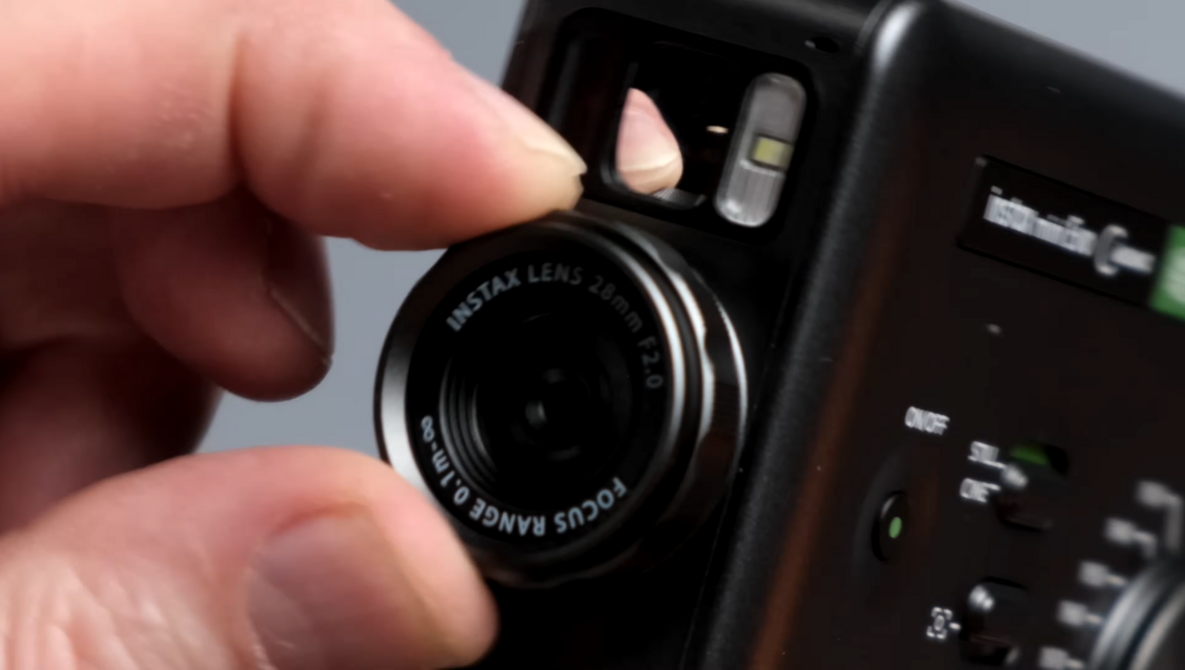
The planning tip lands well if you’ve ever struggled to explain a pose out loud. Instead of one big mood board, he splits references into specific boards, including one that’s only about posing. That way you can show a single reference image and ask for something close, then adjust from there without turning the subject into a copy of the reference. Later, he recommends using black and white mode on your camera while still capturing raw files, so you’re judging contrast without getting distracted by color on the screen or EVF. The last section goes in a different direction: bring a second tool that changes the texture of the shoot, like a Polaroid camera, a disposable camera, or even a VHS camera if you also capture video. Check out the video above for the full rundown from Lally.




 English (US) ·