.png)
 3 hours ago
1
3 hours ago
1
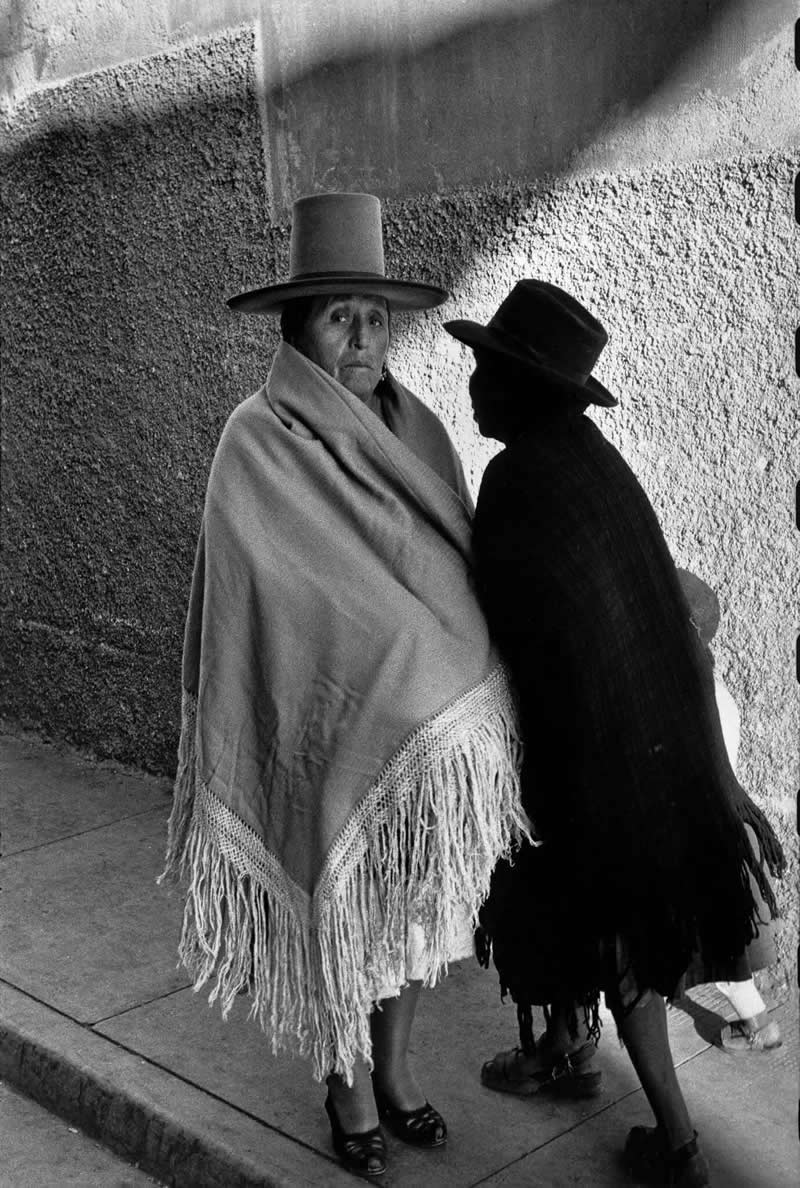
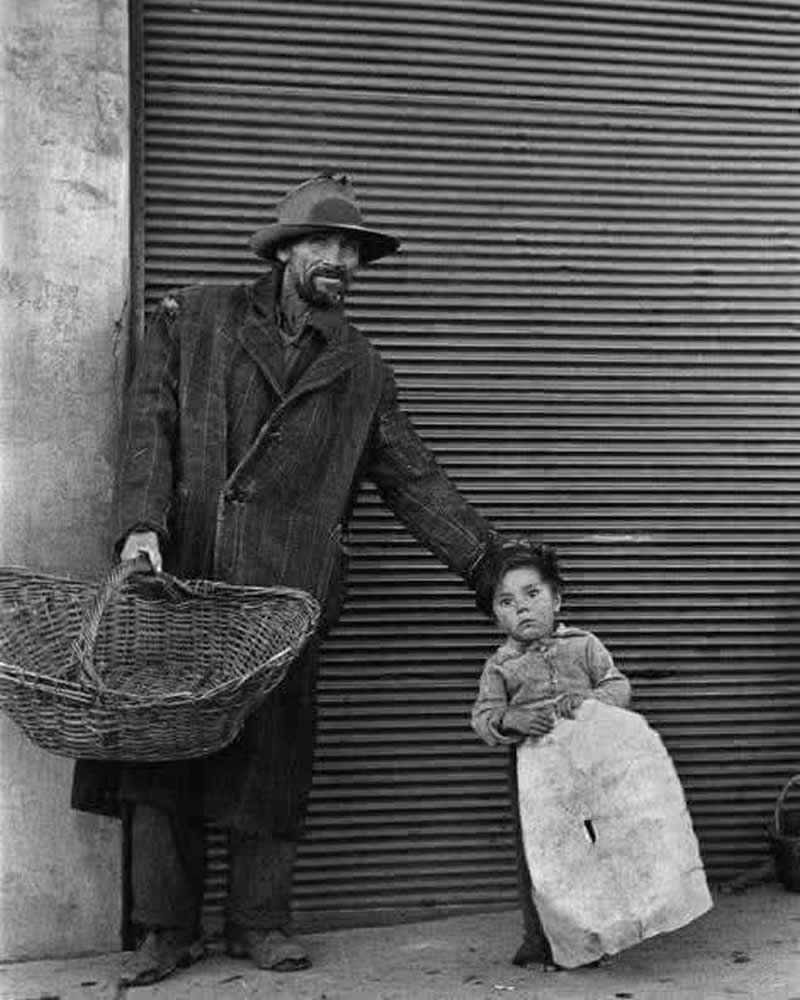
Born in 1931 in Santiago, Chile, Sergio Larraín didn’t chase spectacle—he chased feeling. At a time when photography was racing toward clarity, control, and perfection, Larraín leaned into shadows, odd angles, and quiet moments most people walked straight past. His street photography didn’t shout. It whispered. And somehow, those whispers still echo louder than most images ever made.
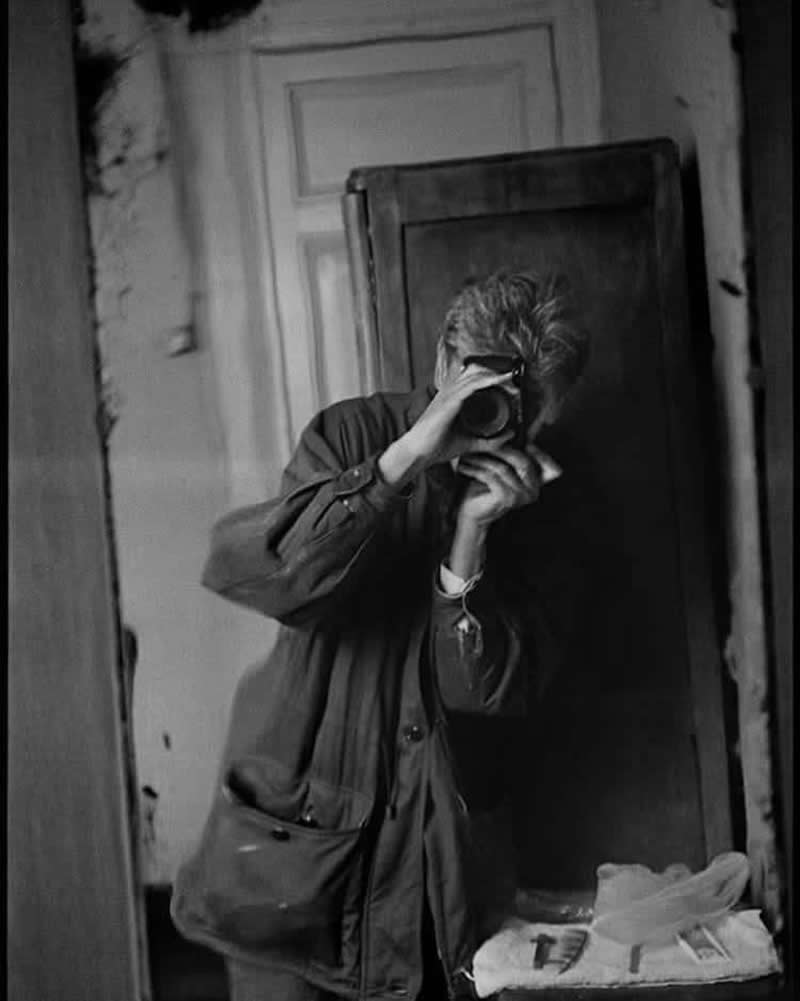
Larraín came up in the early 1950s, inspired by the fluid spontaneity of Henri Cartier-Bresson and the restless energy of the French New Wave. But he wasn’t interested in imitation. He was interested in presence. In 1959, joining Magnum Photos launched him onto the global stage, yet fame never seemed to fit him comfortably. Even at the height of his success, his work felt deeply personal—like pages torn from a private journal rather than assignments meant to impress.
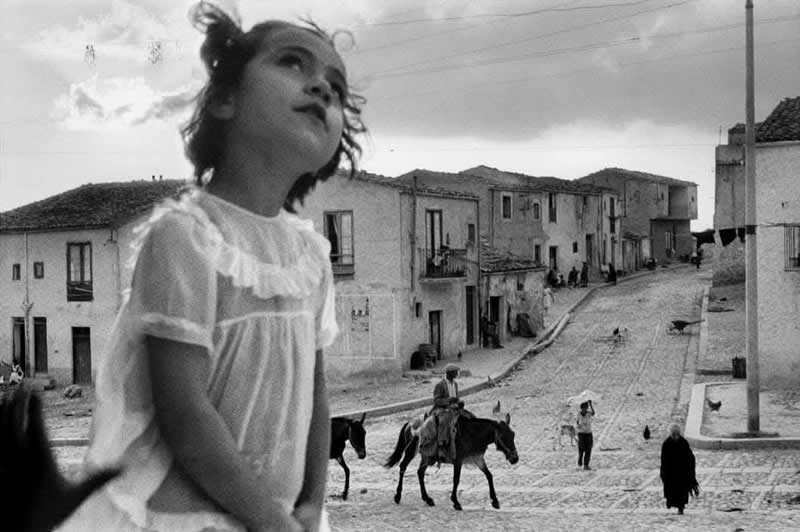
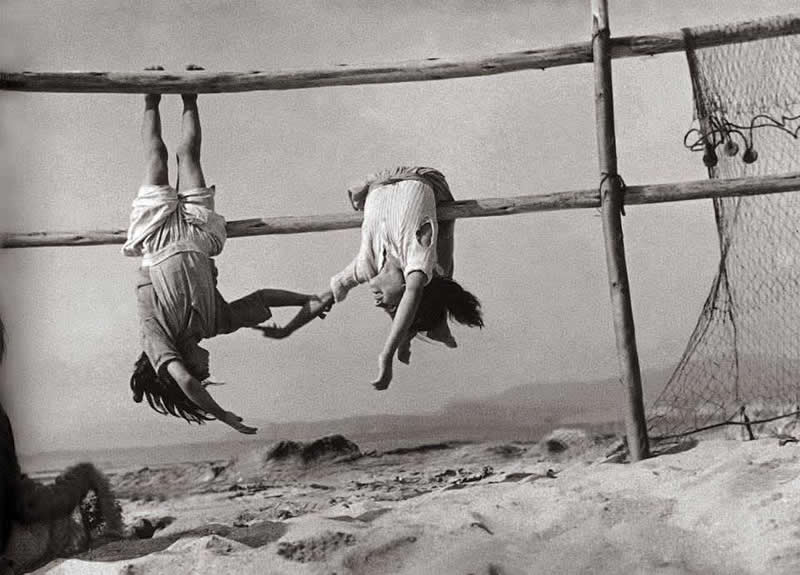
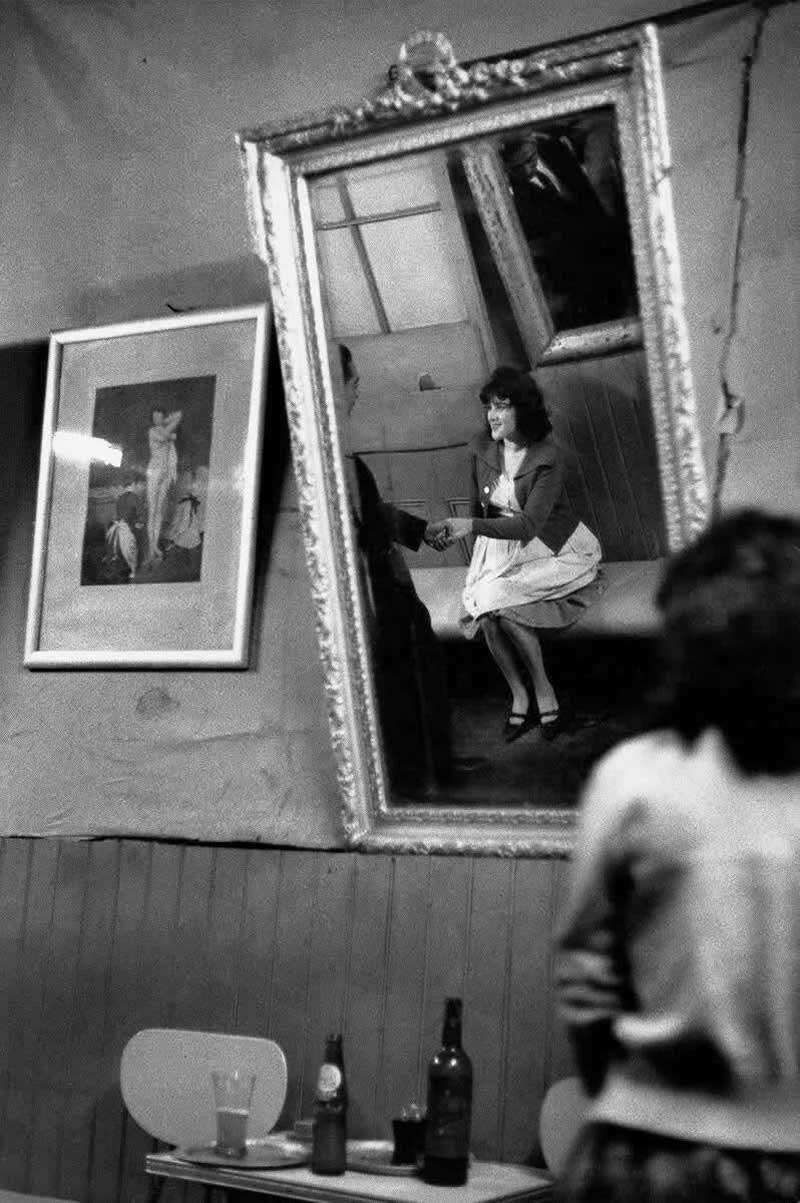
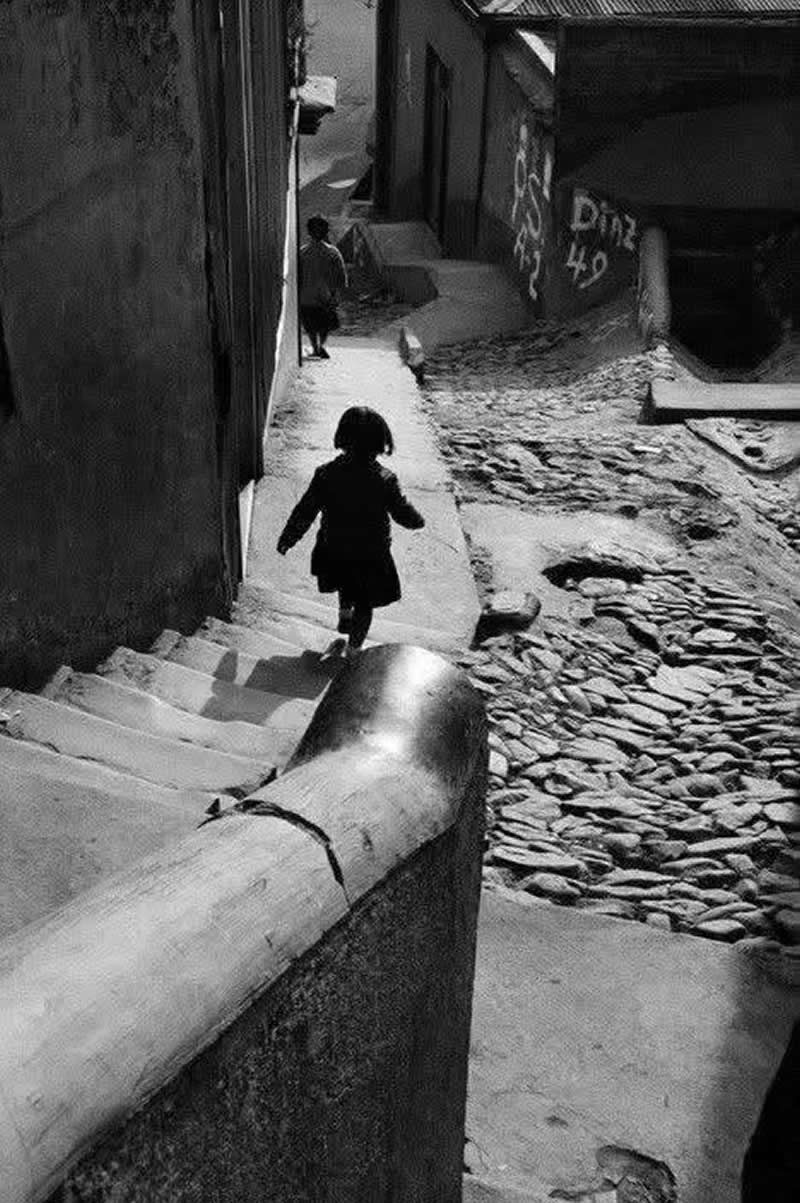
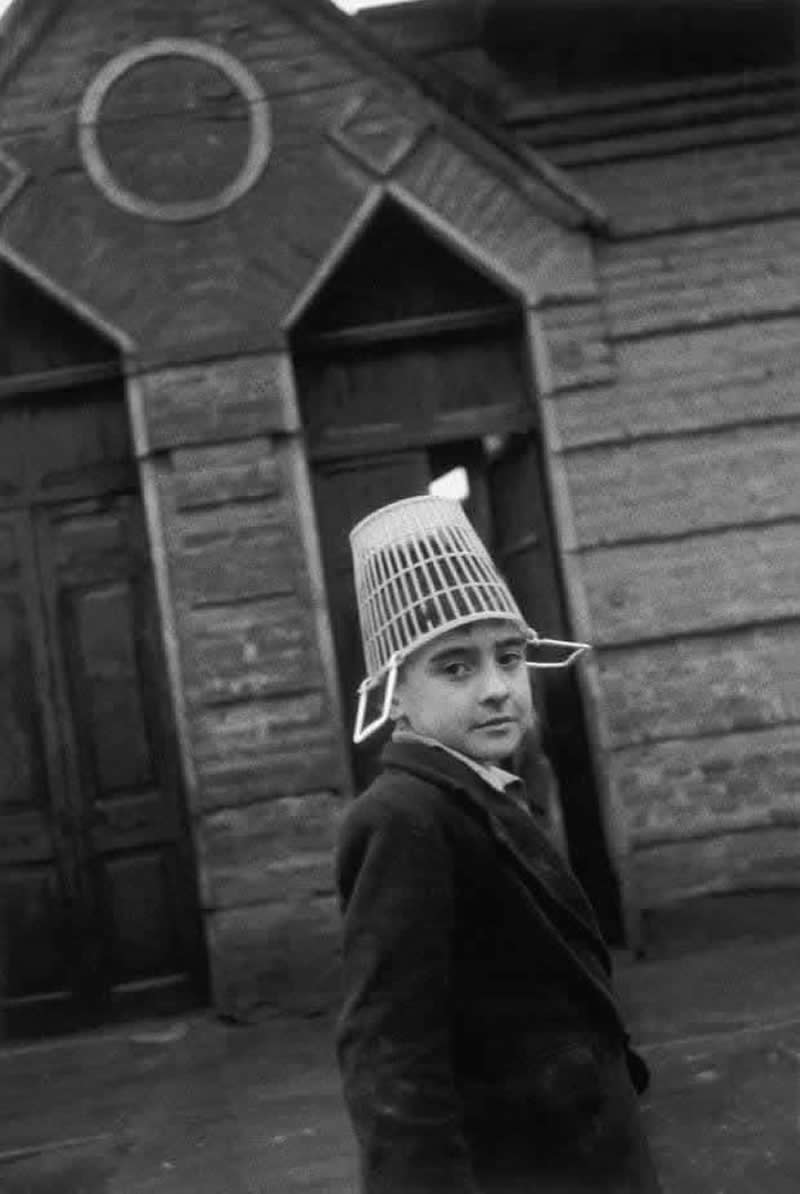
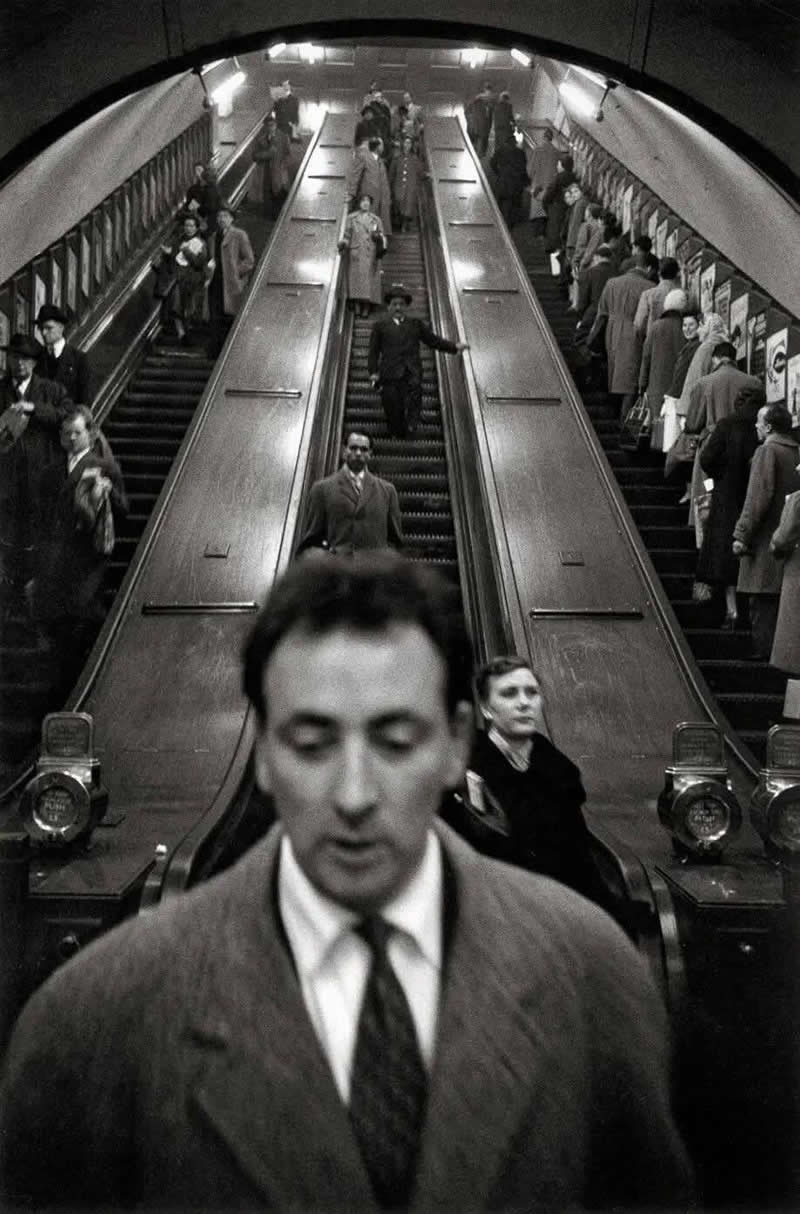
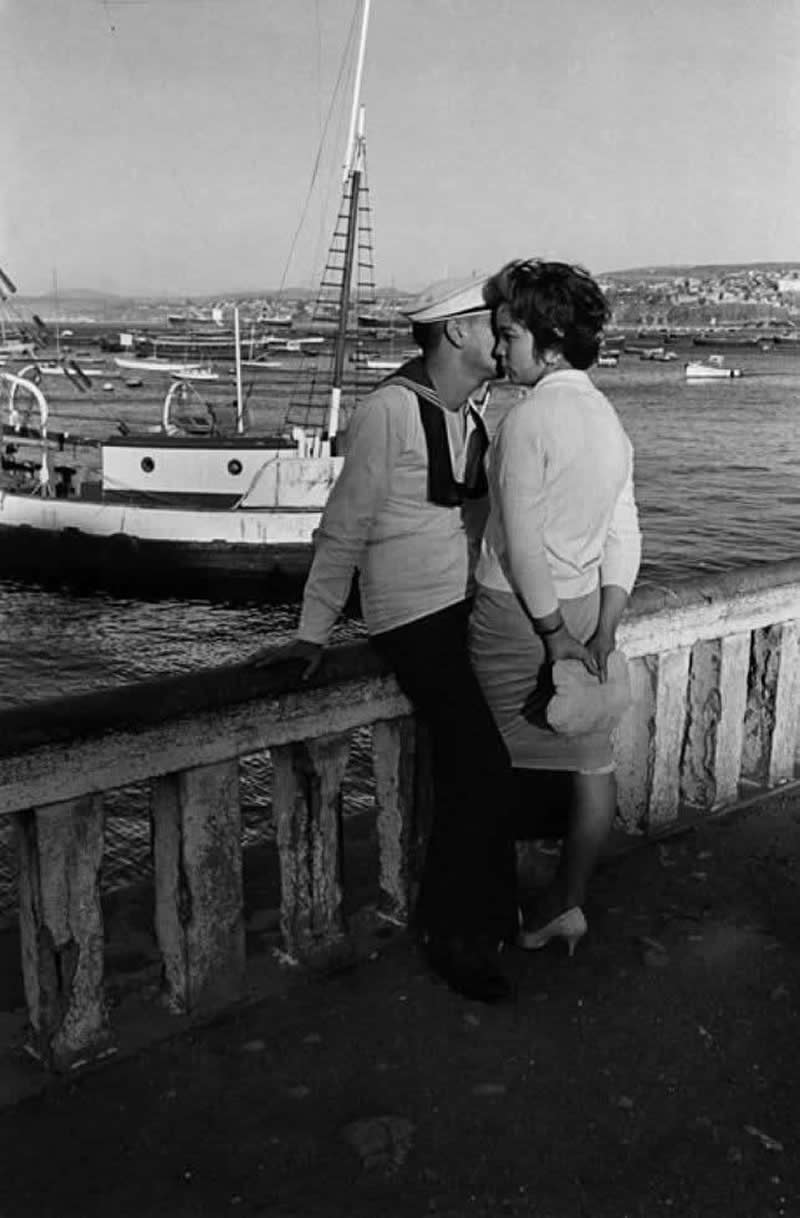
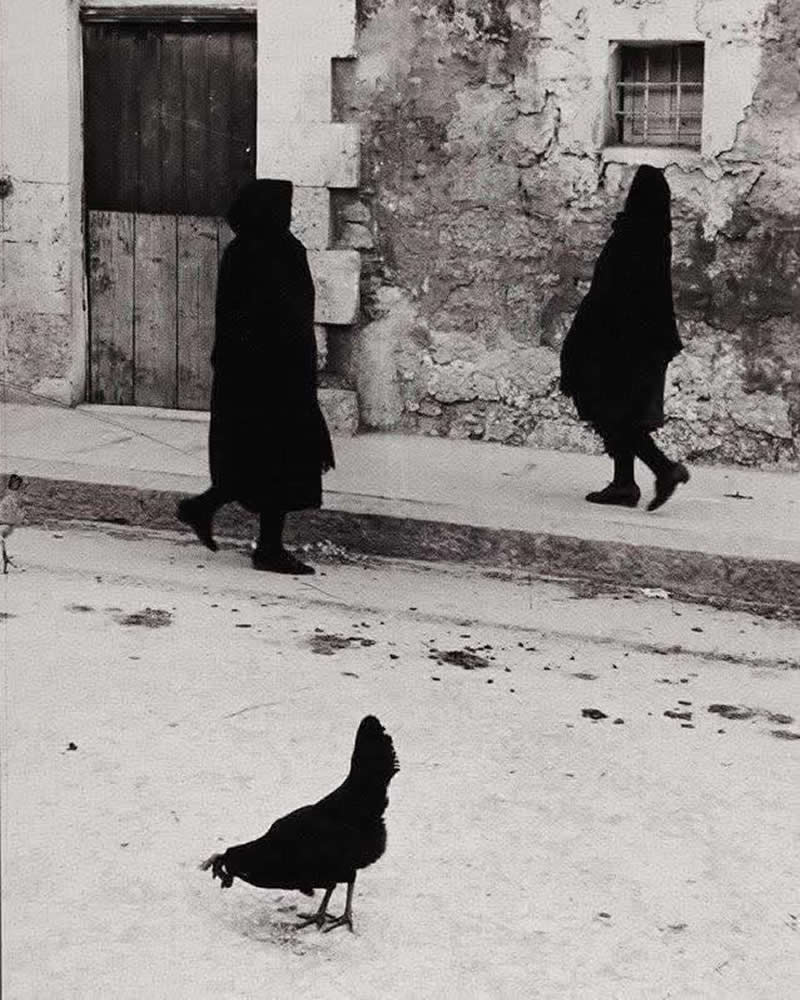
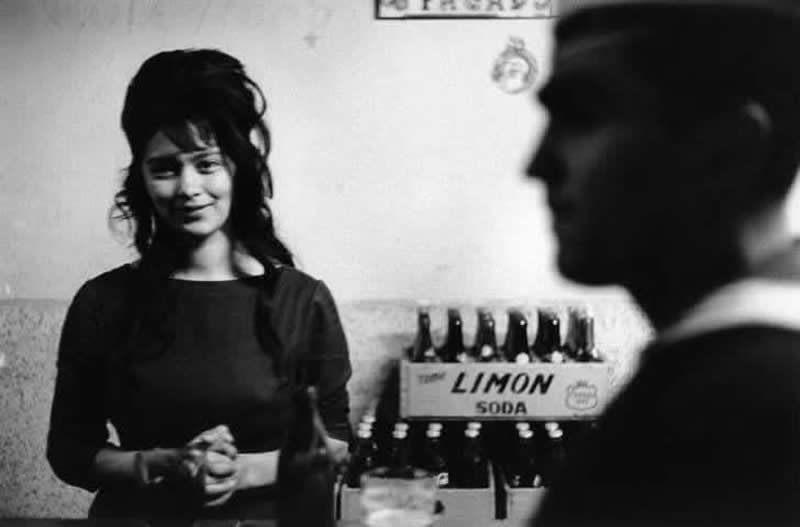
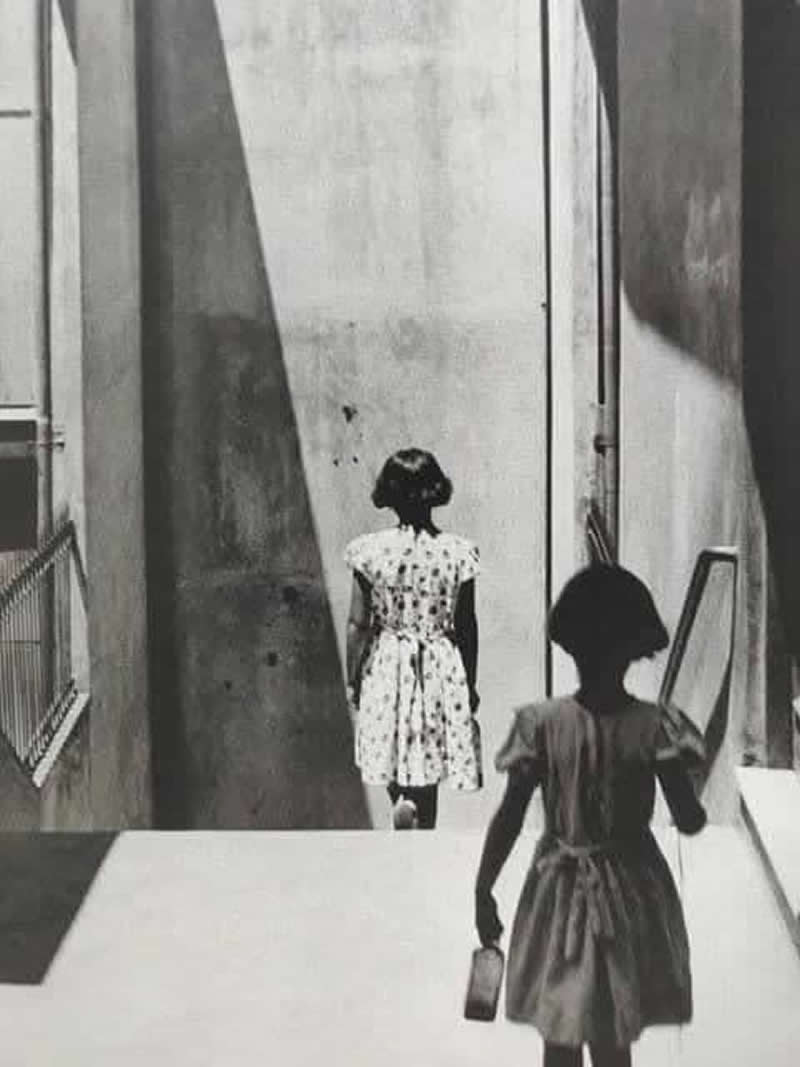
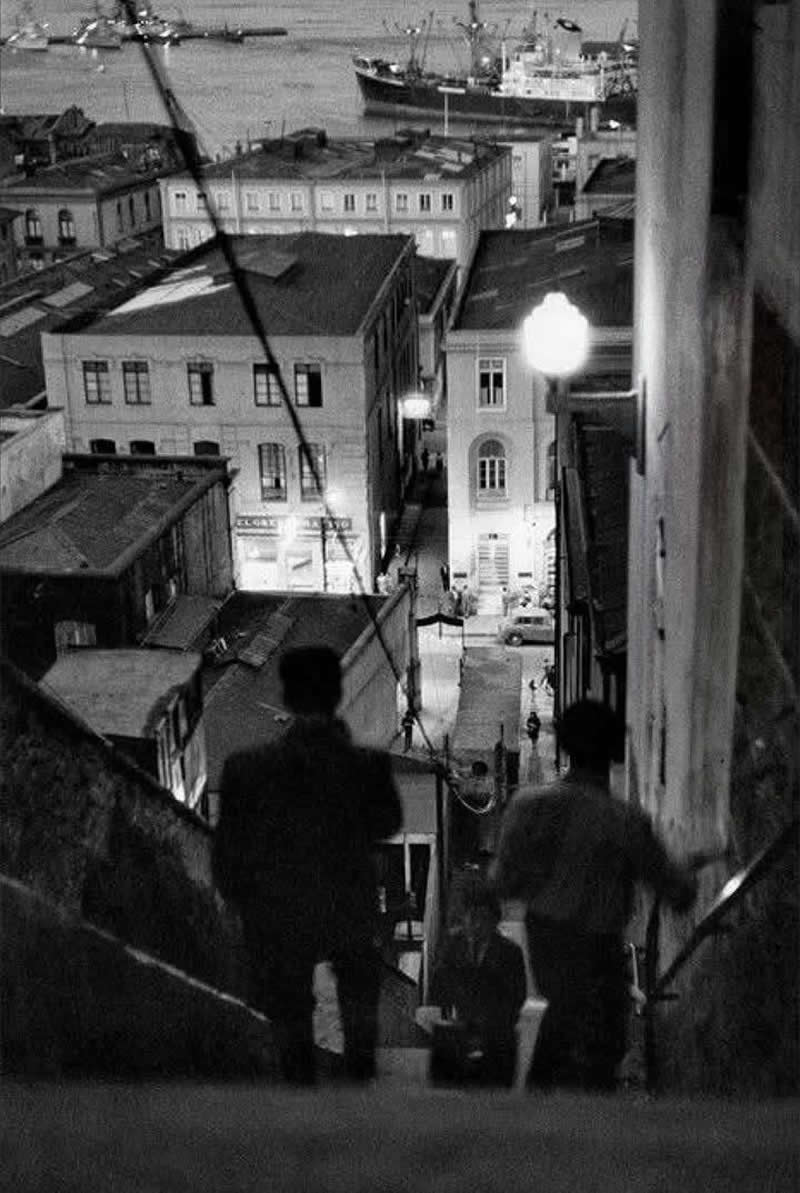
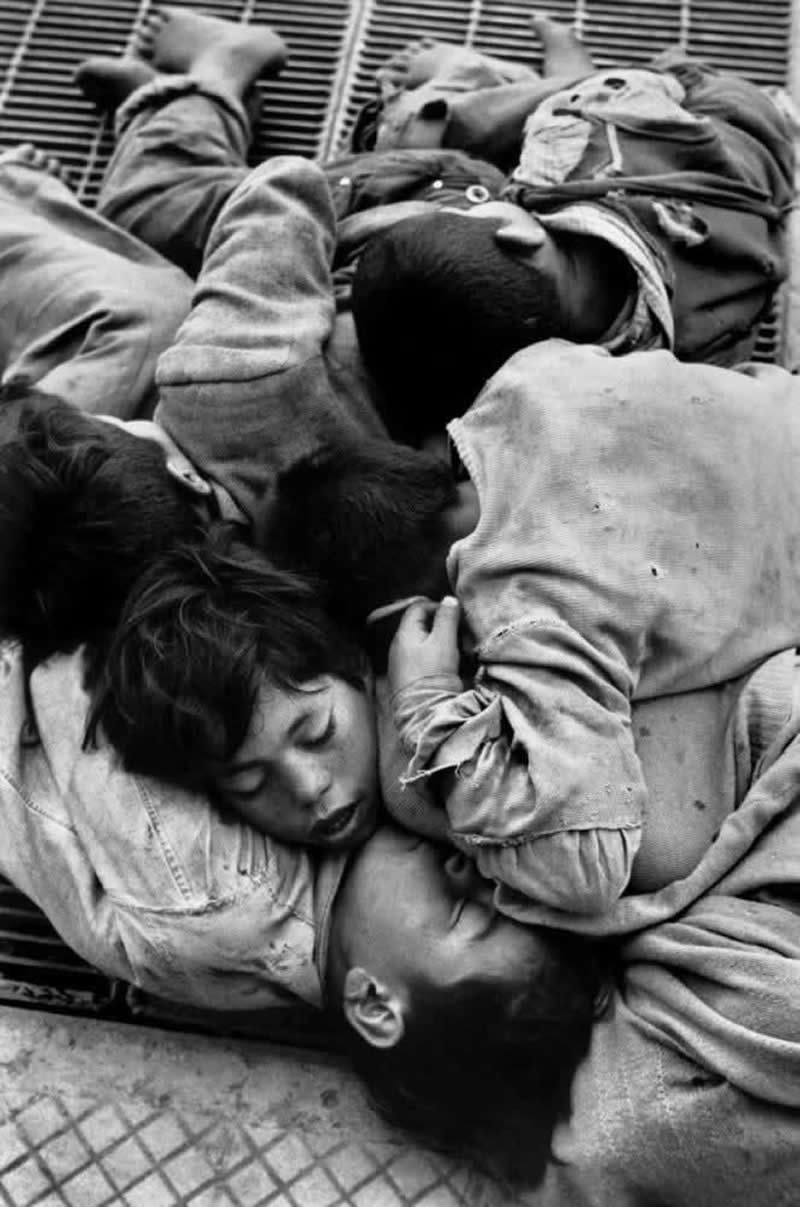
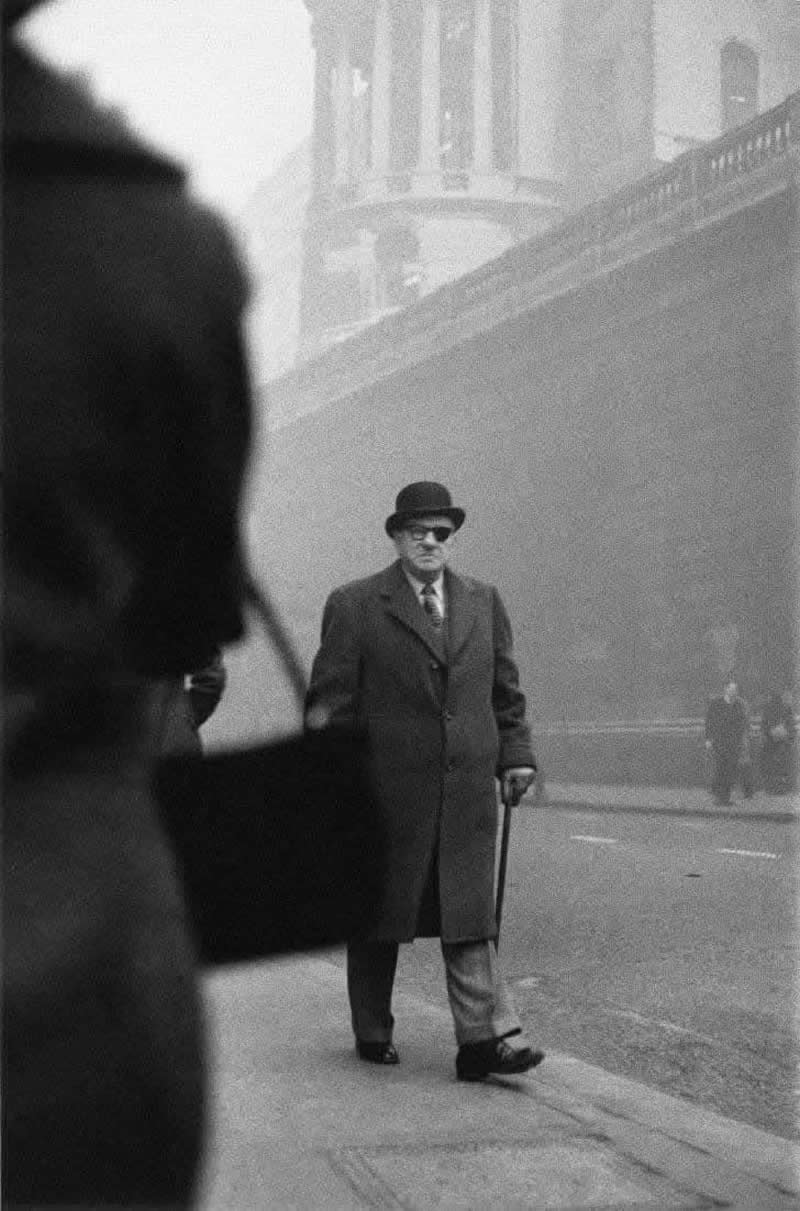
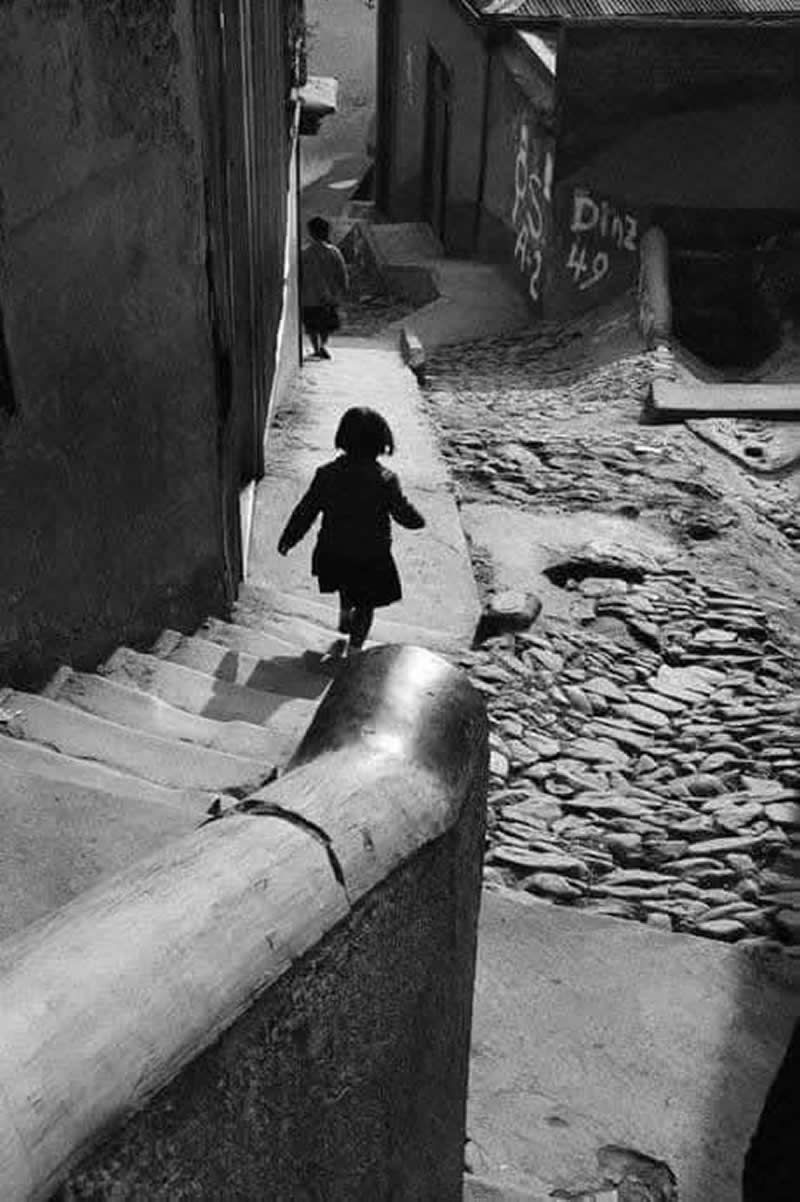
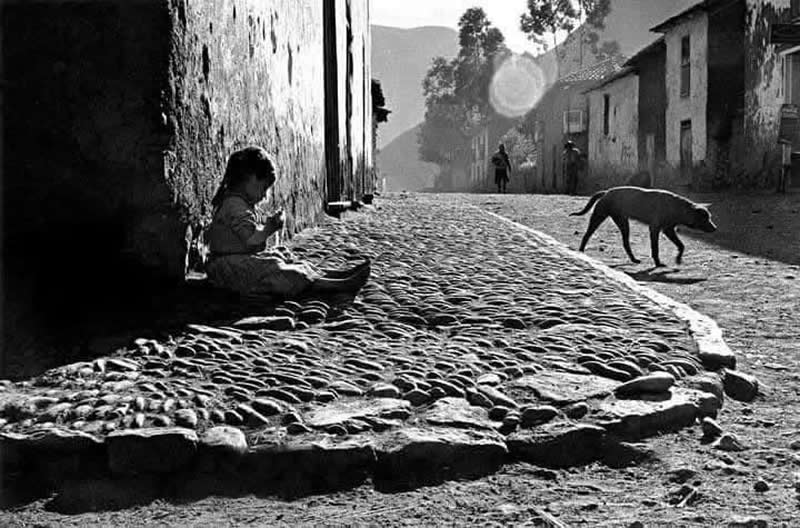
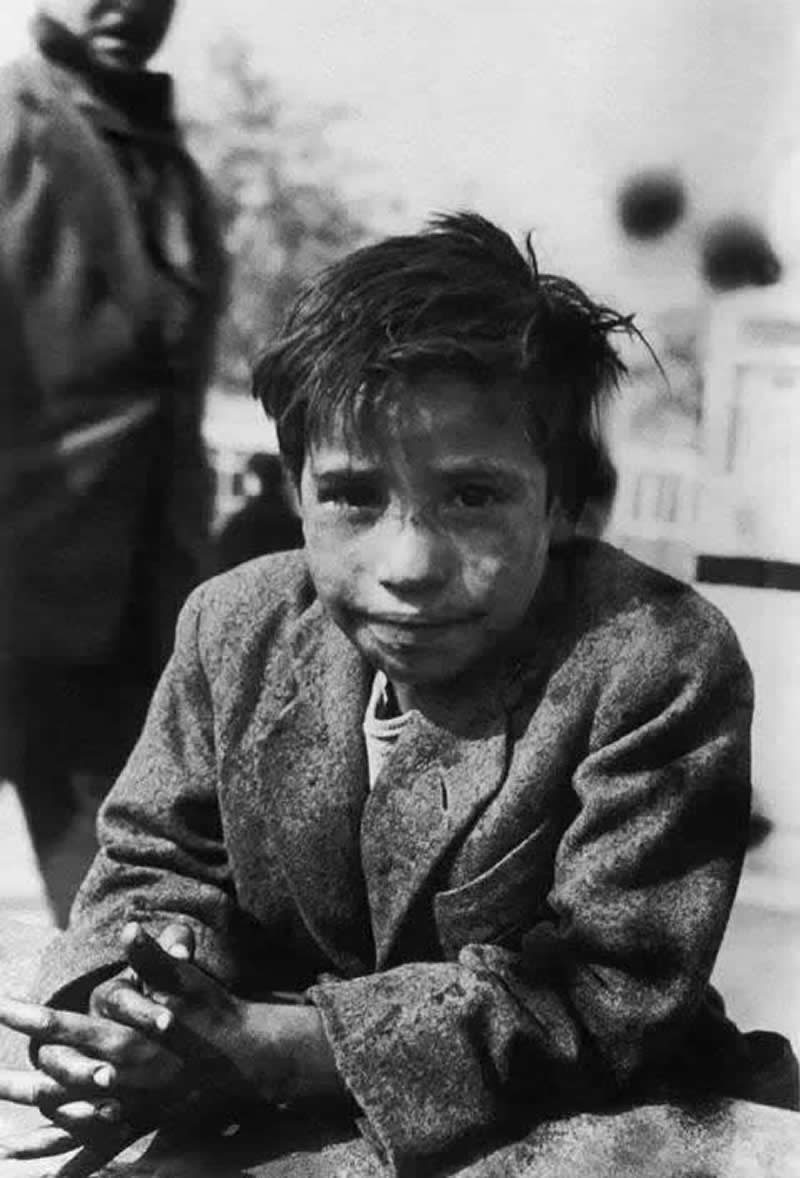
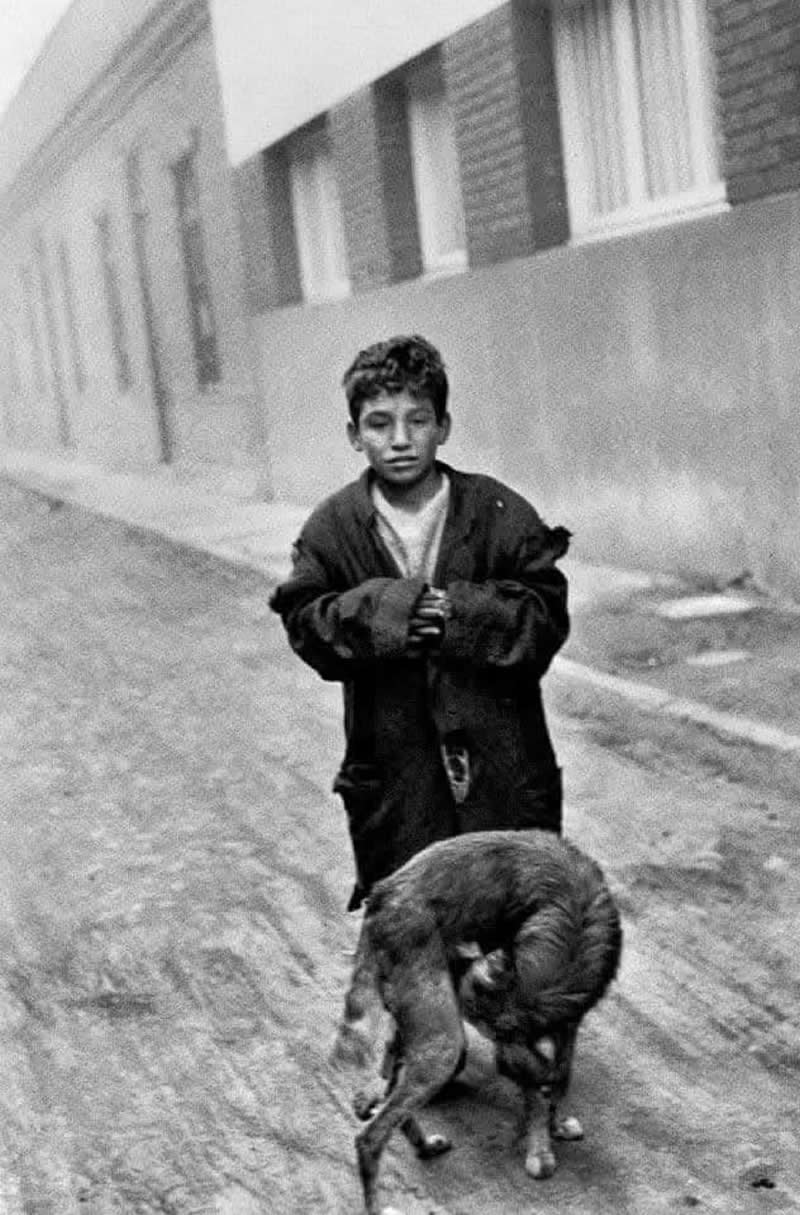
What made Larraín different was his ability to disappear. He blended into the streets of Chile, Europe, and Asia, letting life unfold without interference. His frames often feel off-balance, cropped in unexpected ways, alive with tension. Children running through alleyways, lone figures swallowed by architecture, fleeting glances caught mid-thought—these weren’t just scenes. They were emotional states.
Later in life, Larraín stepped away from the noise of cities, turning inward, searching for meaning beyond recognition. That retreat didn’t weaken his legacy—it sharpened it. Today, his photographs feel timeless, reminding us that the real magic isn’t in perfect moments, but in the quiet, messy poetry of everyday life.
You can find Sergio Larraín on the web:
#1.
#2.
#3.
#4.
#5.
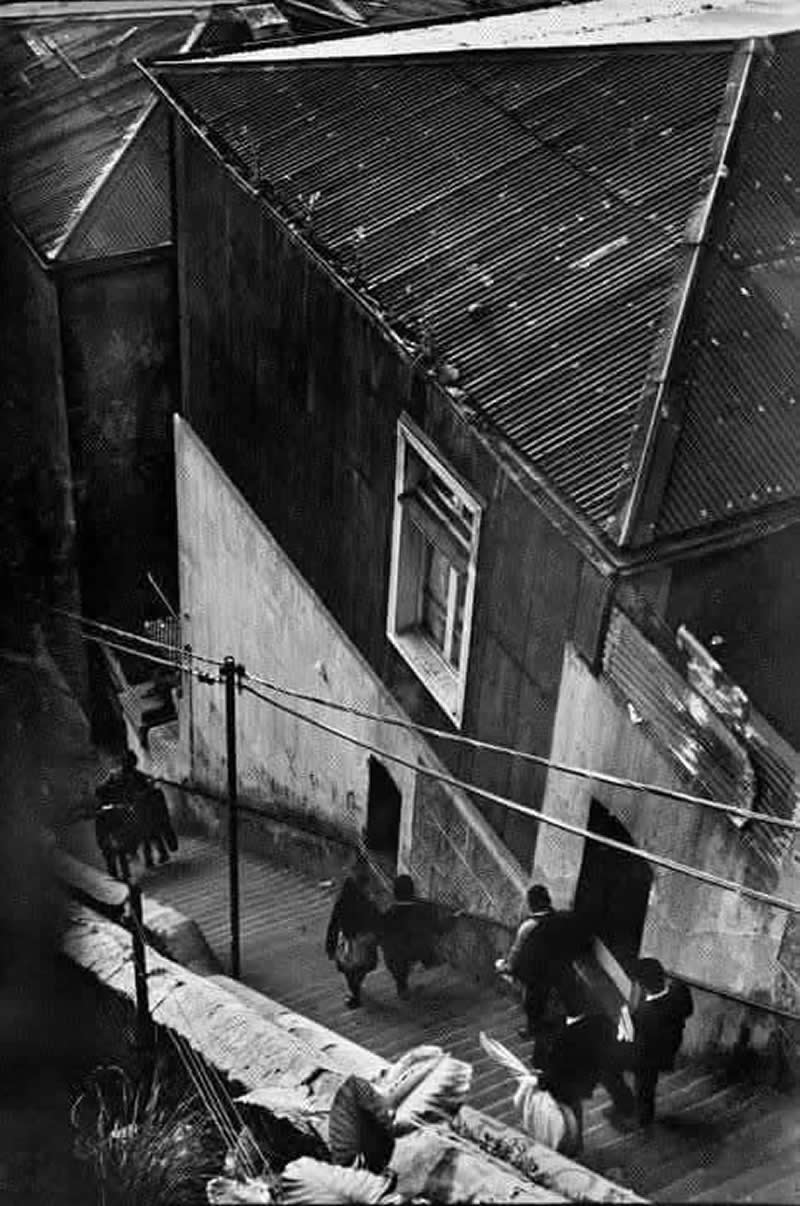
Seeing the Extraordinary in the Ordinary
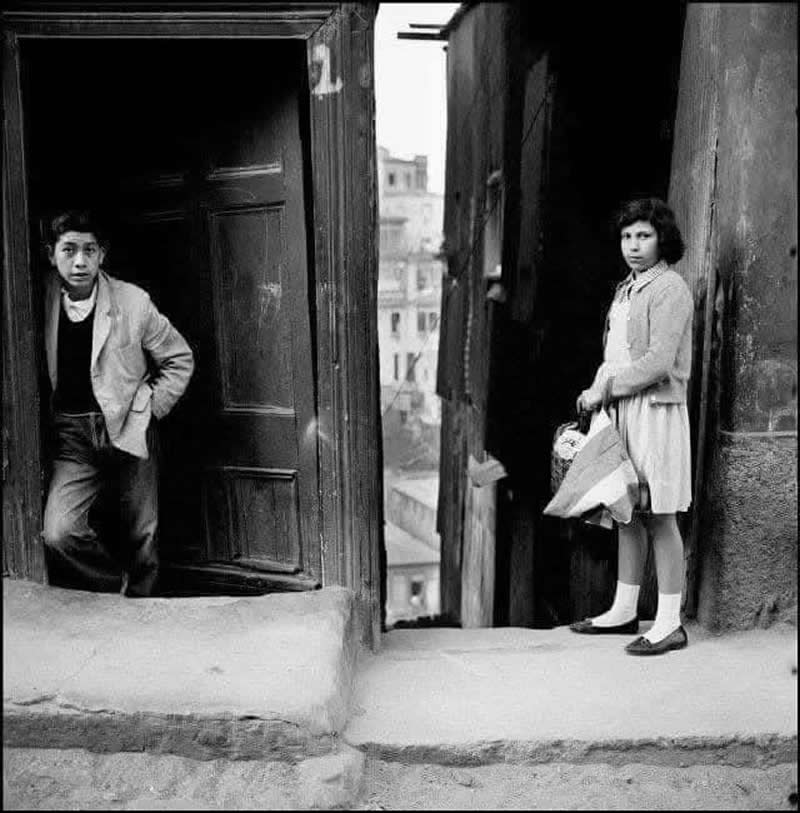
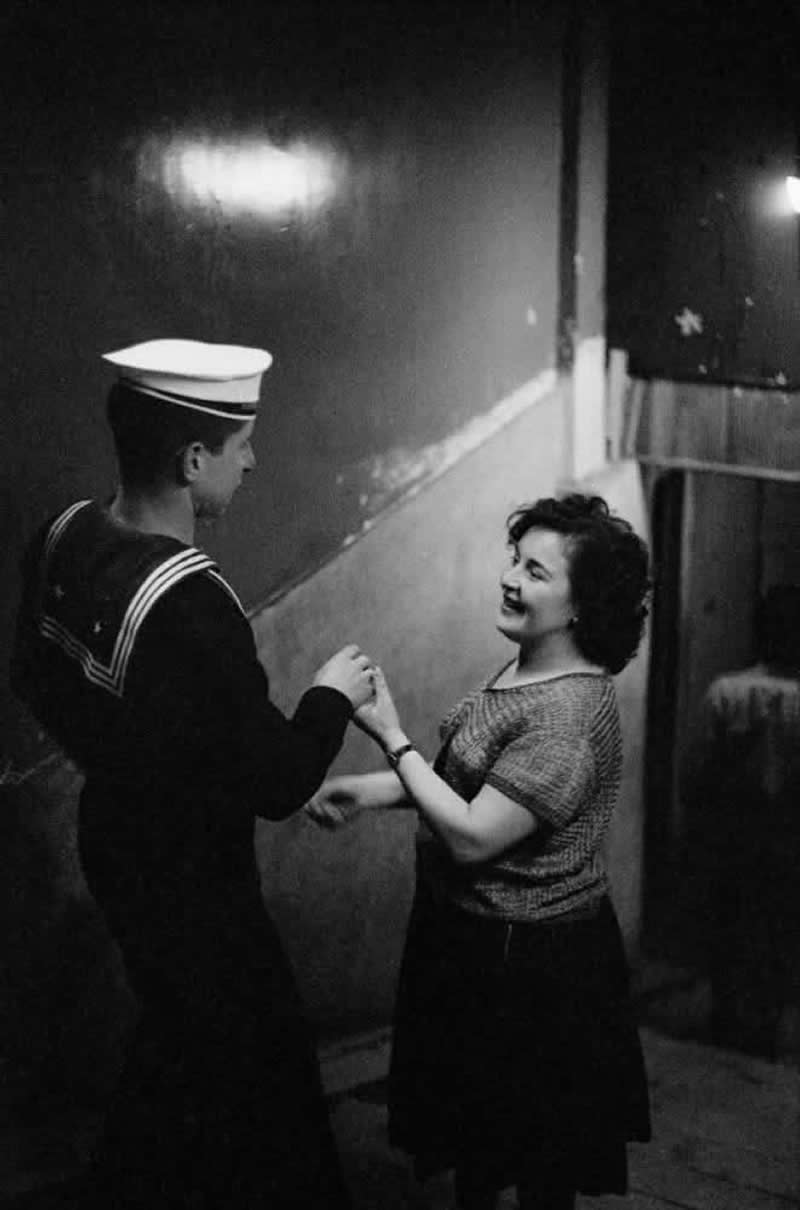
Larraín had a rare gift: he could find beauty where others saw nothing. Side streets, staircases, shadows on walls—these were his playground. He photographed ordinary people not as subjects, but as passing stories. There’s urgency in his frames, but also tenderness. Nothing feels staged. Everything feels lived-in. His images prove that you don’t need dramatic events to tell powerful stories—just attention, patience, and empathy.
#6.
#7.
#8.
#9.
#10.
Street Photography as Emotional Language
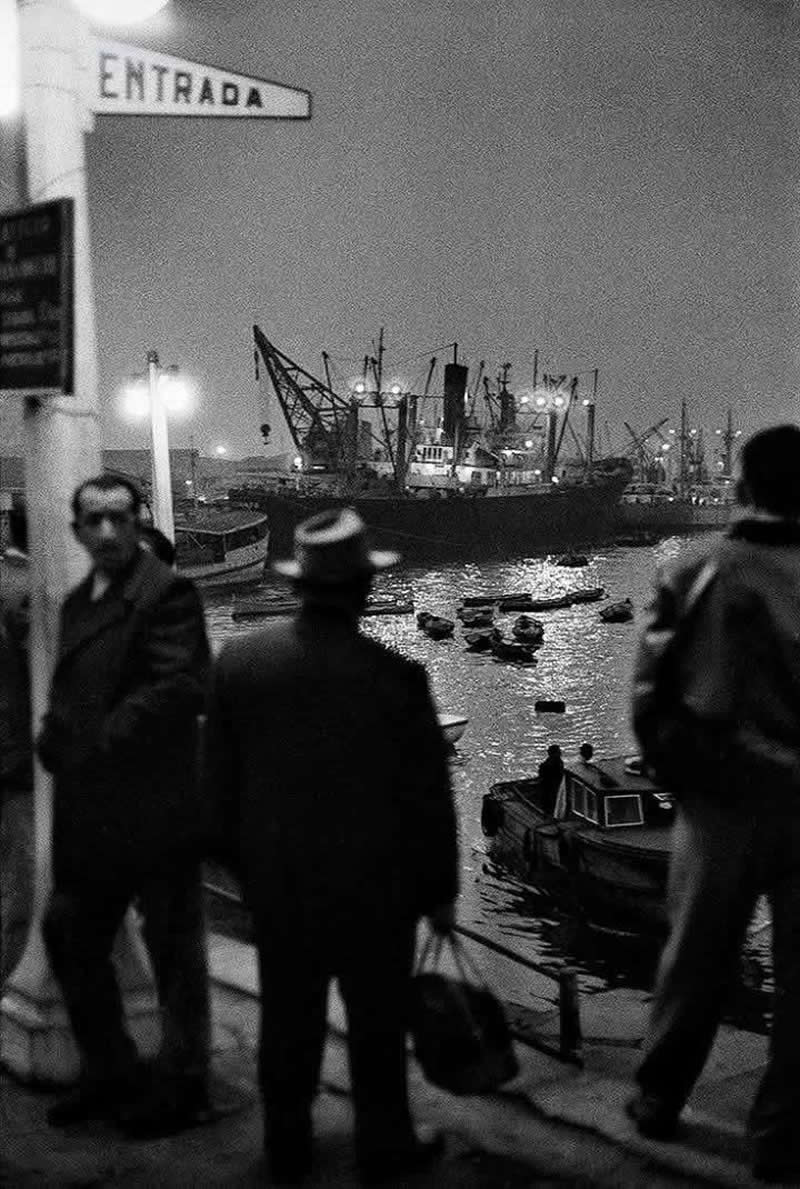
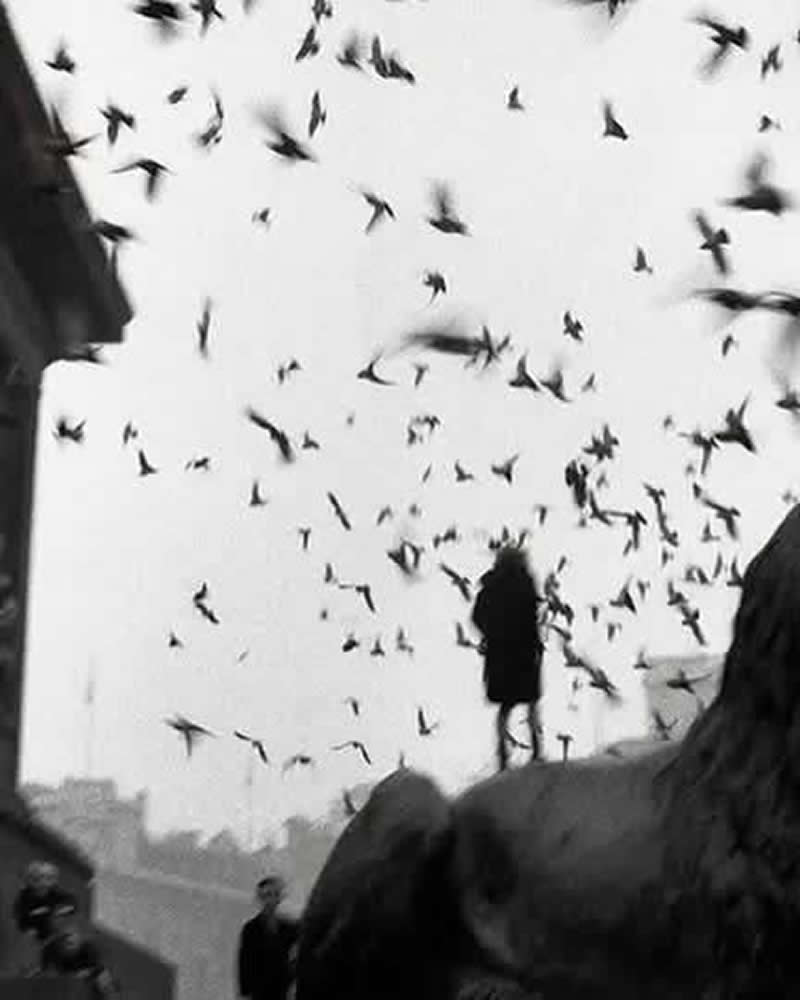
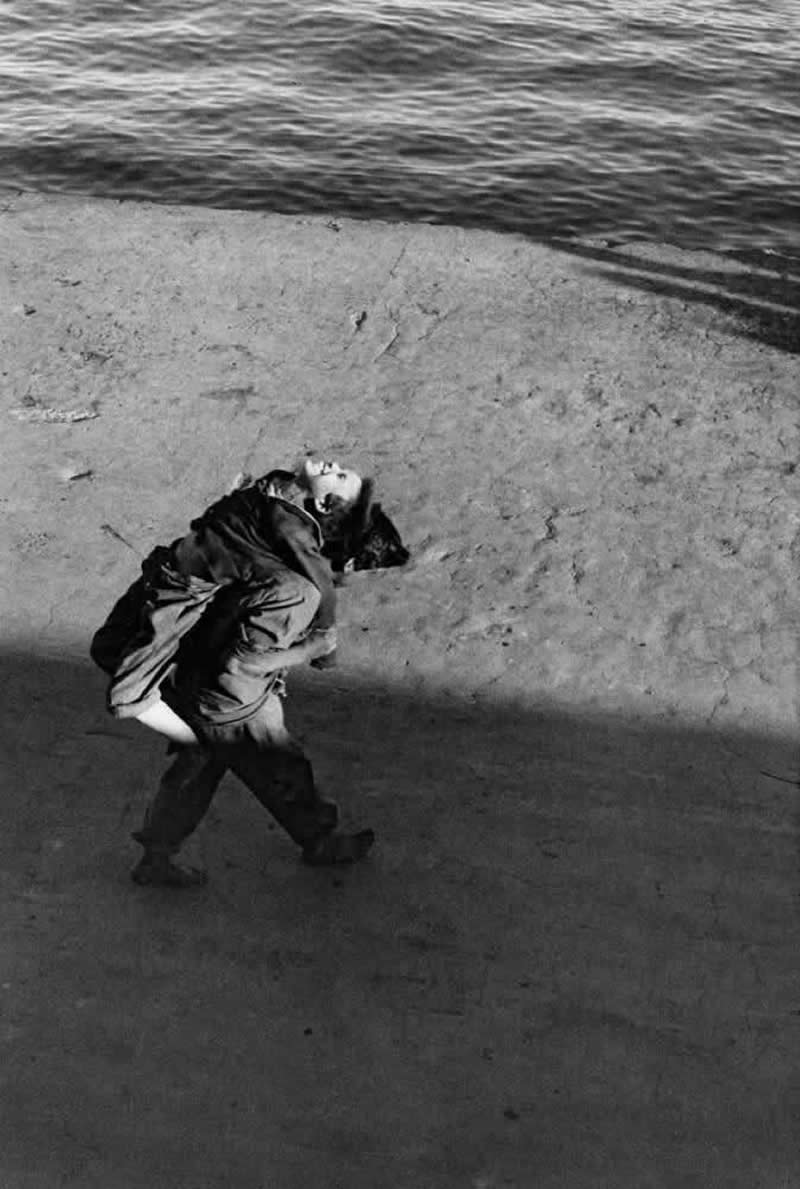
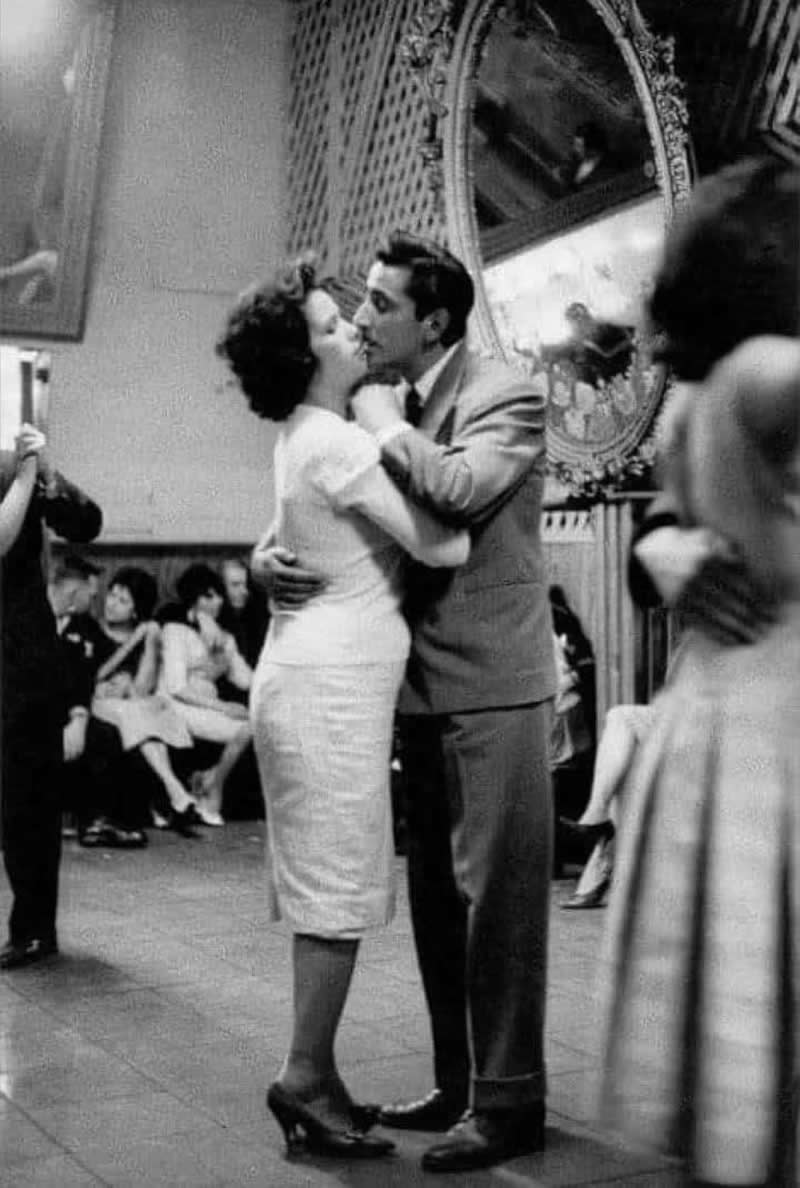
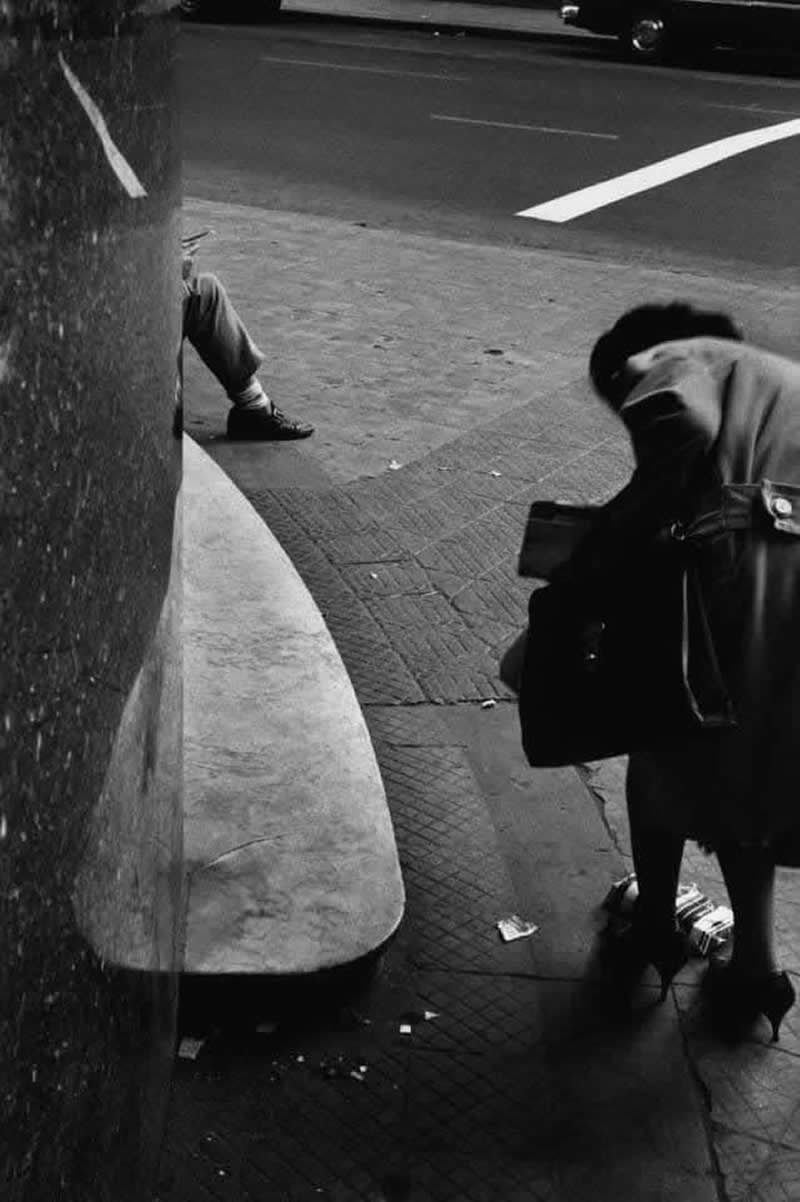
For Larraín, street photography wasn’t about documenting cities—it was about decoding emotions. Solitude, curiosity, fear, wonder, isolation—all of it shows up quietly in his work. He used framing and negative space to amplify feeling, often letting figures drift toward the edge of the frame. The result is a sense of unease and intimacy that pulls viewers inside the moment instead of keeping them at a distance.
#11.
#12.
#13.
#14.
#15.
Magnum Years and Global Perspective
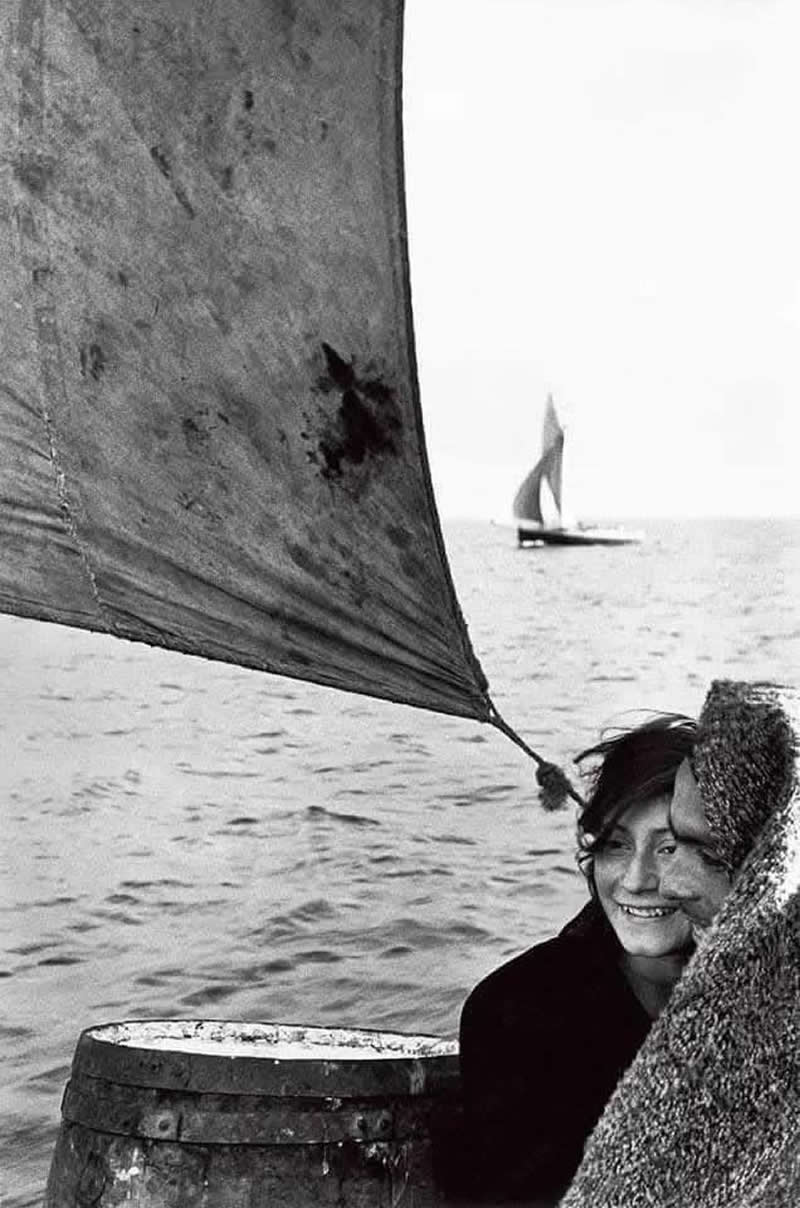
Joining Magnum Photos opened doors, but it also tested Larraín’s relationship with recognition. His travels across Europe and Asia expanded his visual language, connecting human experiences across cultures. Despite different locations, his themes stayed consistent: vulnerability, movement, and fleeting connection. No matter where he shot, his images felt human first, geographical second.
#16.
#17.
#18.
#19.
#20.
Chile, Politics, and the Human Cost
Some of Larraín’s most powerful work came from documenting Chile during political upheaval, including the Allende era and the military dictatorship that followed. These images don’t rely on shock—they rely on empathy. He photographed the emotional weight of instability, focusing on how chaos settles into daily life. His work from this period stands as quiet resistance, bearing witness without exploiting suffering.
#21.
#22.
#23.
#24.
#25.
Retreat, Reflection, and Lasting Influence
Later in life, Larraín stepped away from mainstream photography, choosing reflection over exposure. Nature, solitude, and spiritual inquiry shaped his final years. Yet his influence only grew. Today, photographers around the world cite him as proof that authenticity matters more than technique. His work teaches us that photography isn’t about taking—it’s about listening.
#26.
#27.
#28.
#29.
#30.
In Summary
Who was Sergio Larraín?
- Sergio Larraín was a Chilean street photographer and Magnum member known for emotionally rich, poetic imagery.
What style of photography was he known for?
- Street photography focused on everyday moments, solitude, and human emotion.
Why is Sergio Larraín influential?
- His unique compositions and empathetic approach reshaped how photographers see ordinary life.
Did Sergio Larraín work internationally?
- Yes, he photographed extensively in Chile, Europe, and Asia.
Why is his work still relevant today?
- Because it emphasizes authenticity, emotion, and the power of quiet observation.



 English (US) ·