.png)
 2 hours ago
1
2 hours ago
1
There’s a moment—right between stillness and movement—where emotion feels the most honest. That’s the space Caspar Jade lives in with his Inner Bloom series. These aren’t just fine art portraits. They’re visual poems about growth, identity, and becoming—caught mid-breath.
Based in Berlin and shaped by years of portrait photography, Caspar’s work sits at the intersection of real fine art and artificial intelligence. And yeah, AI plays a role—but not in the way people love to argue about online. The computer generates possibilities. Caspar makes the calls. Every shift in color, every ripple of fabric, every blur of hair in motion is guided by human instinct. The tech is the instrument; the emotion is all his.
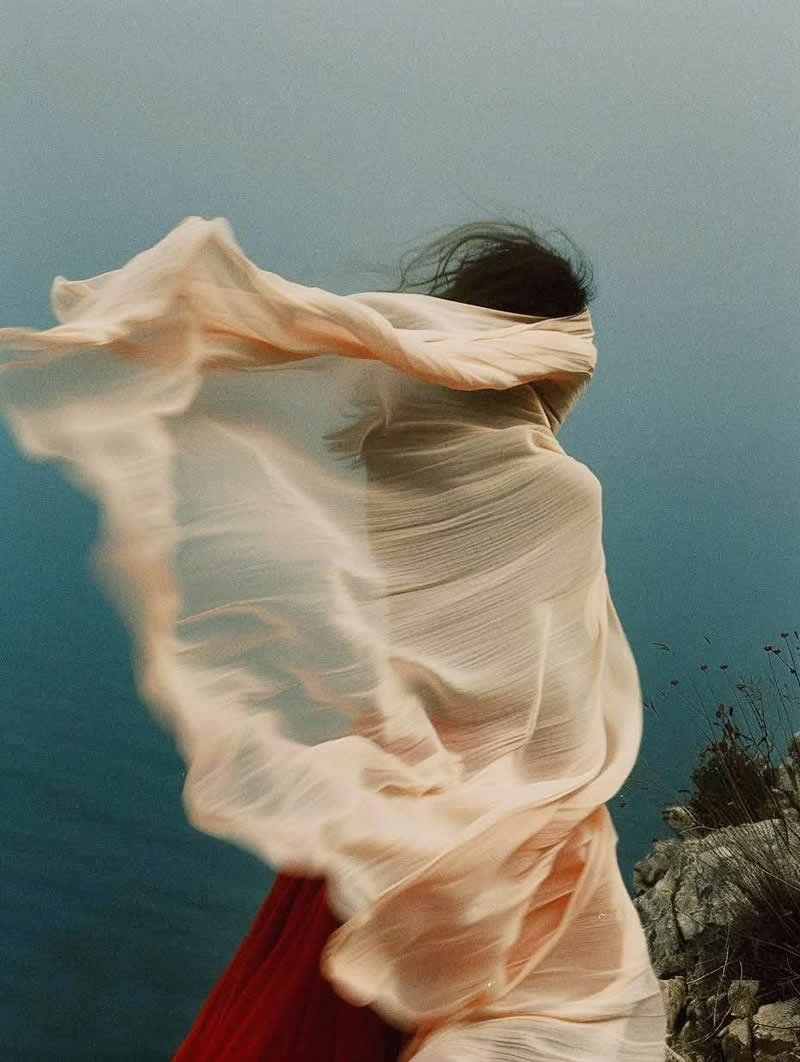
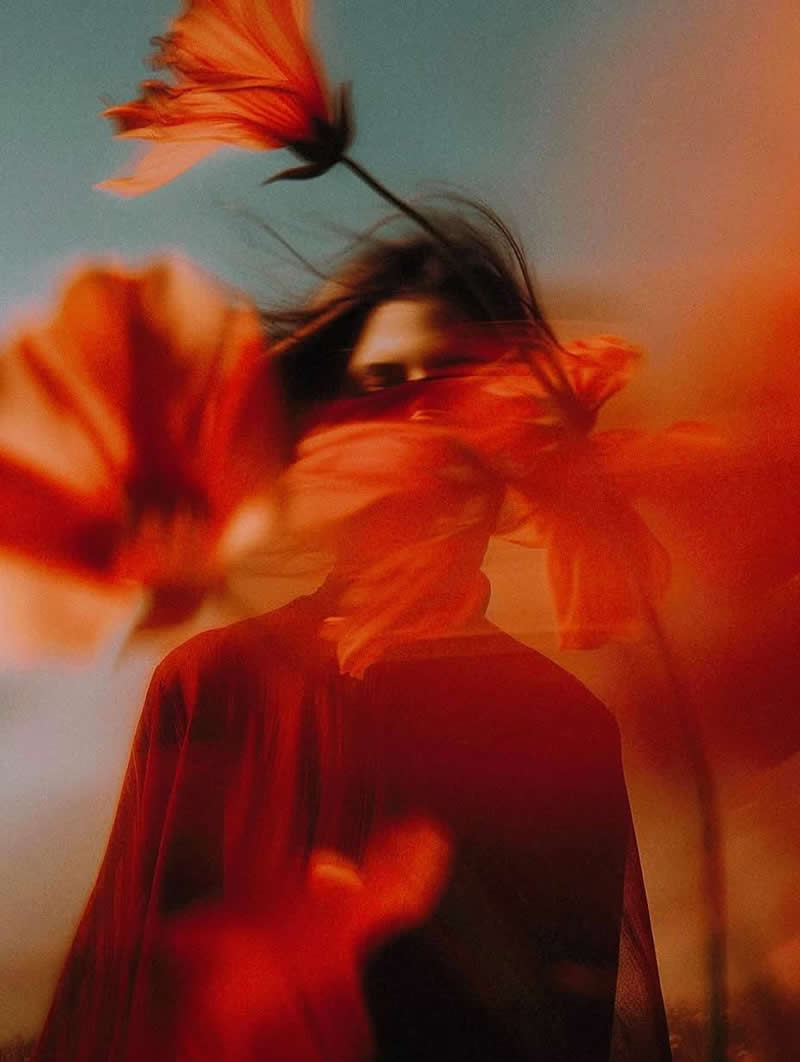
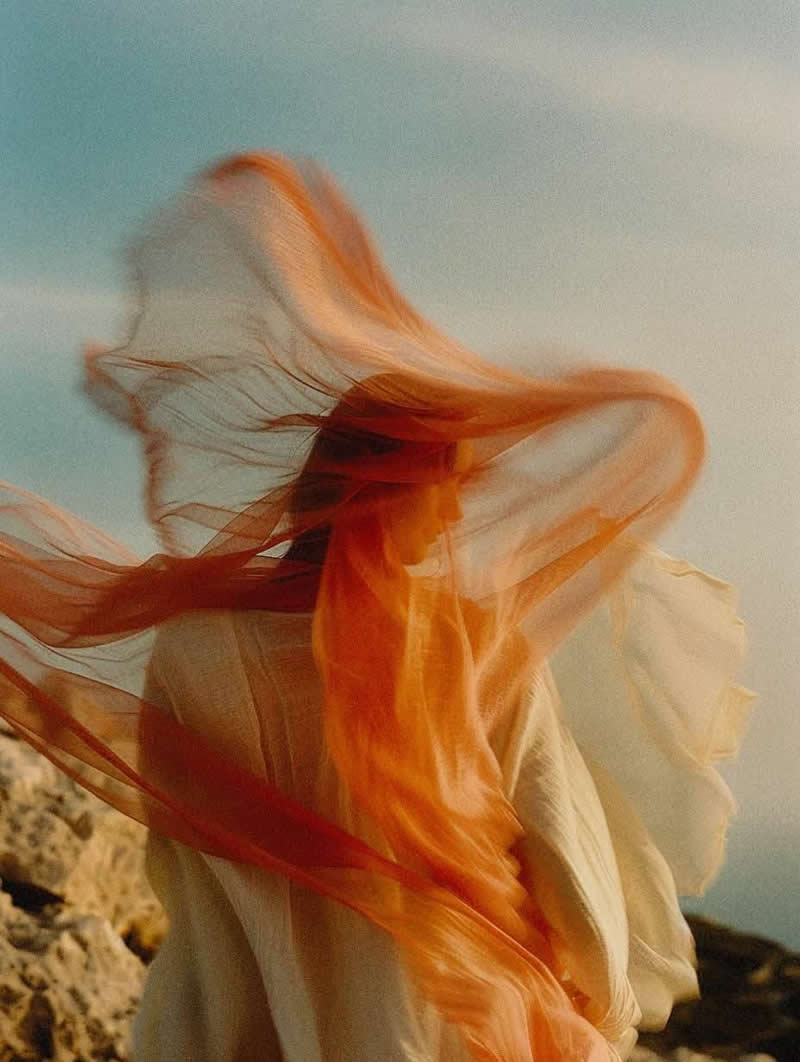
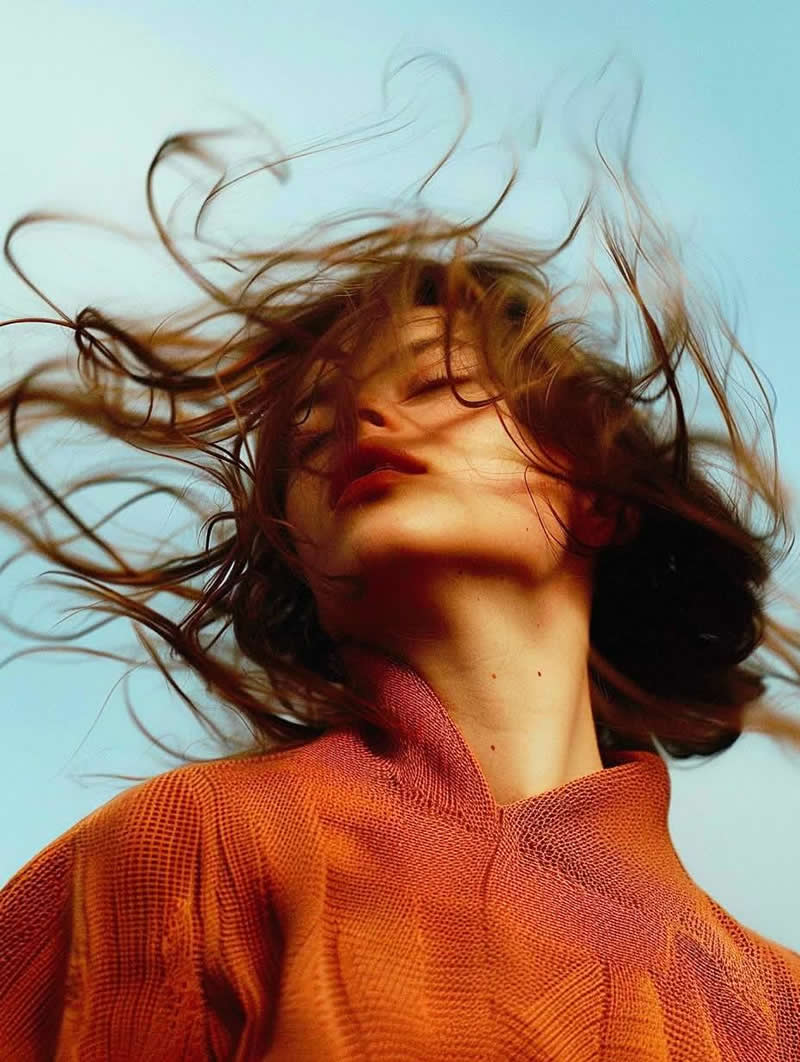
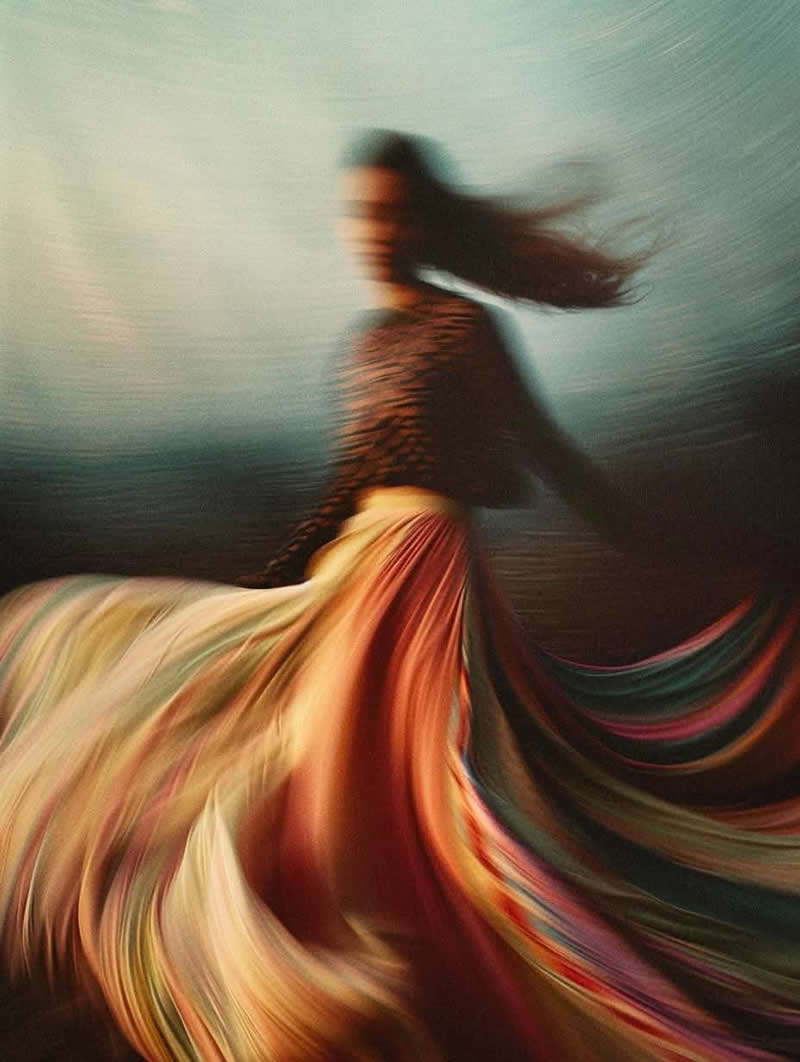
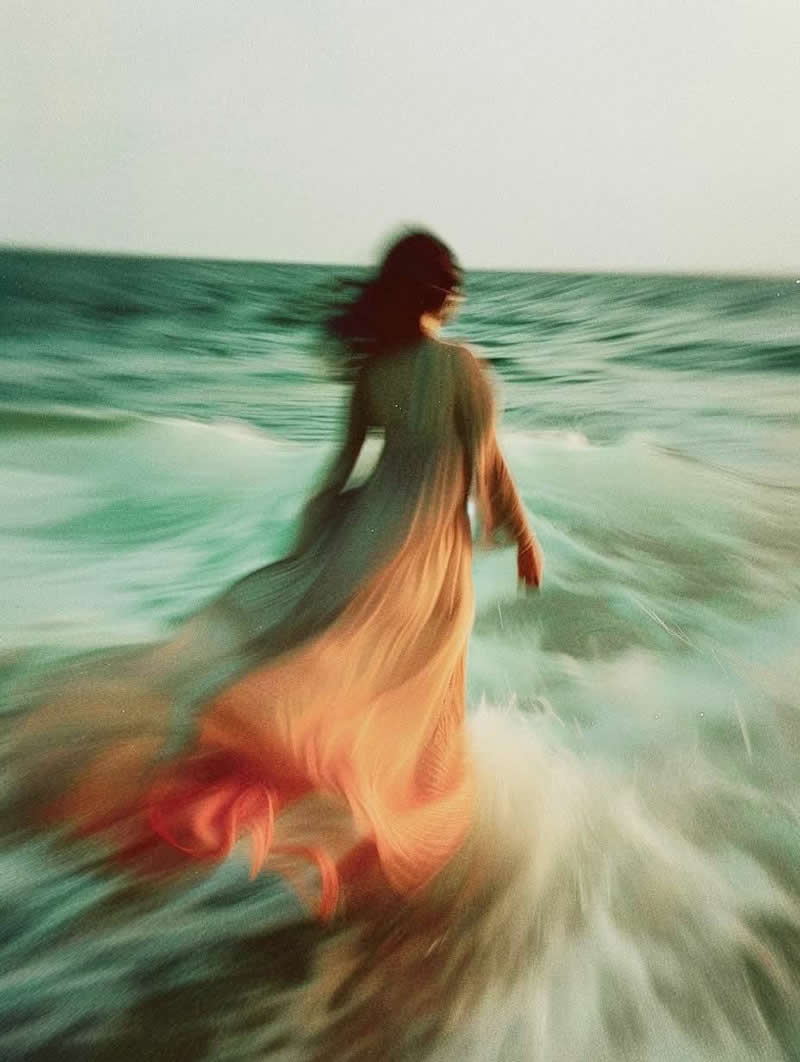
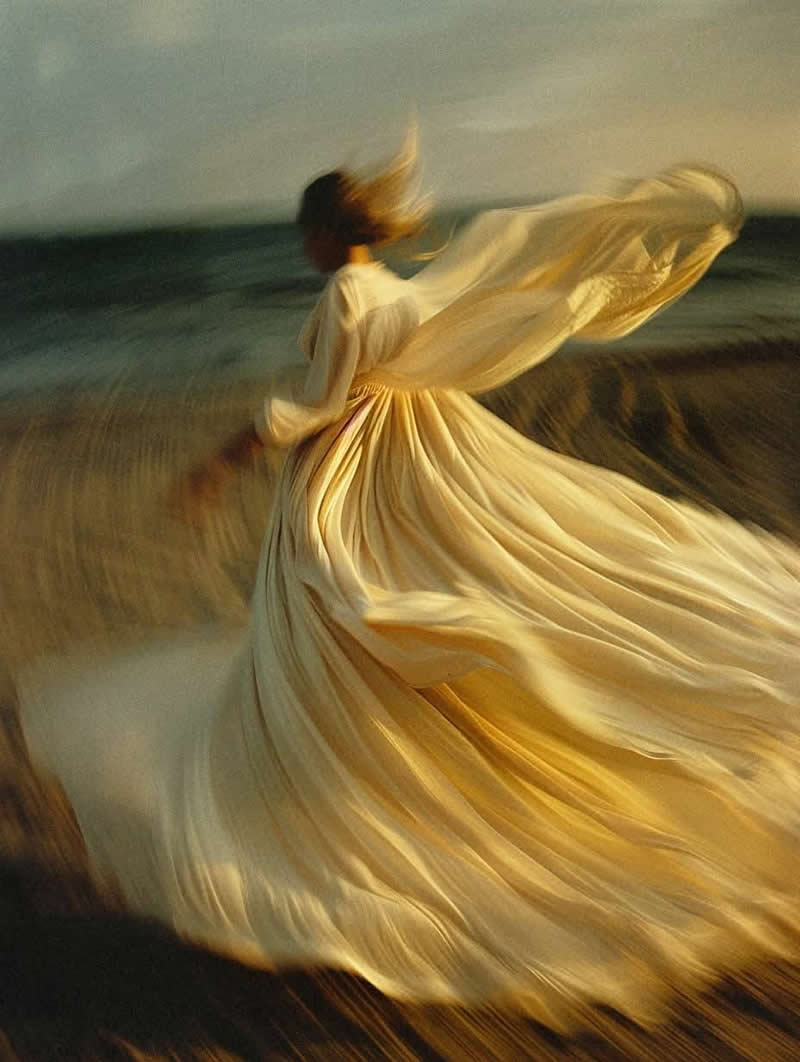
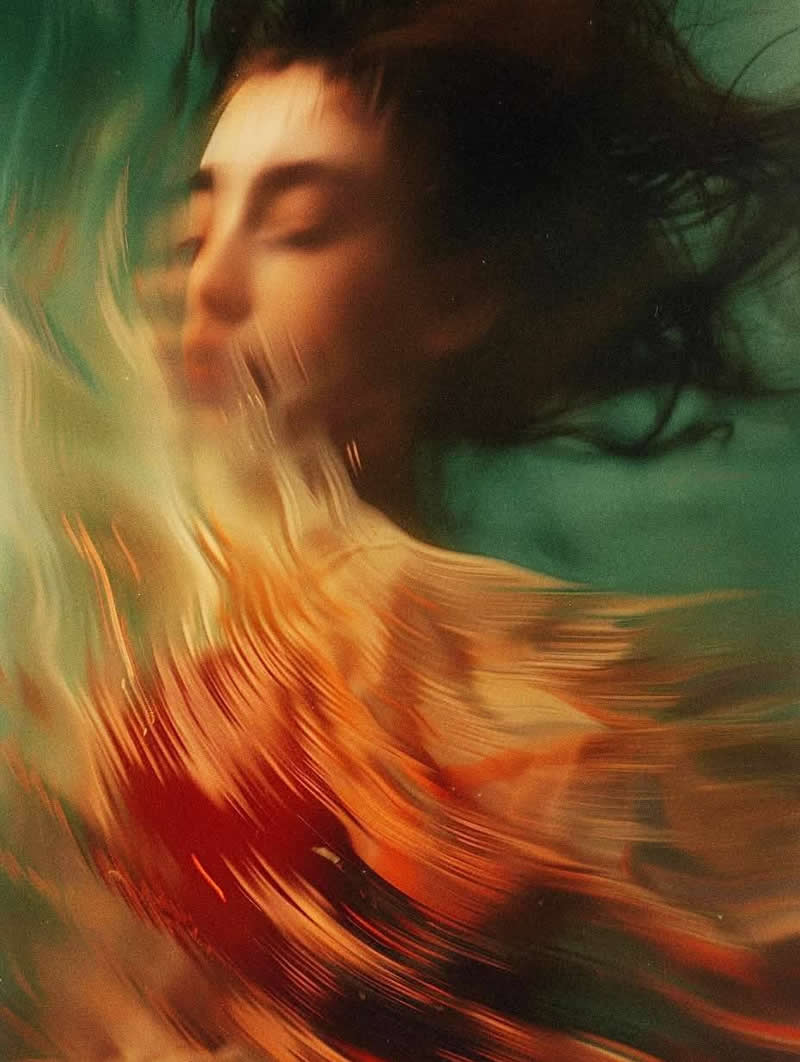
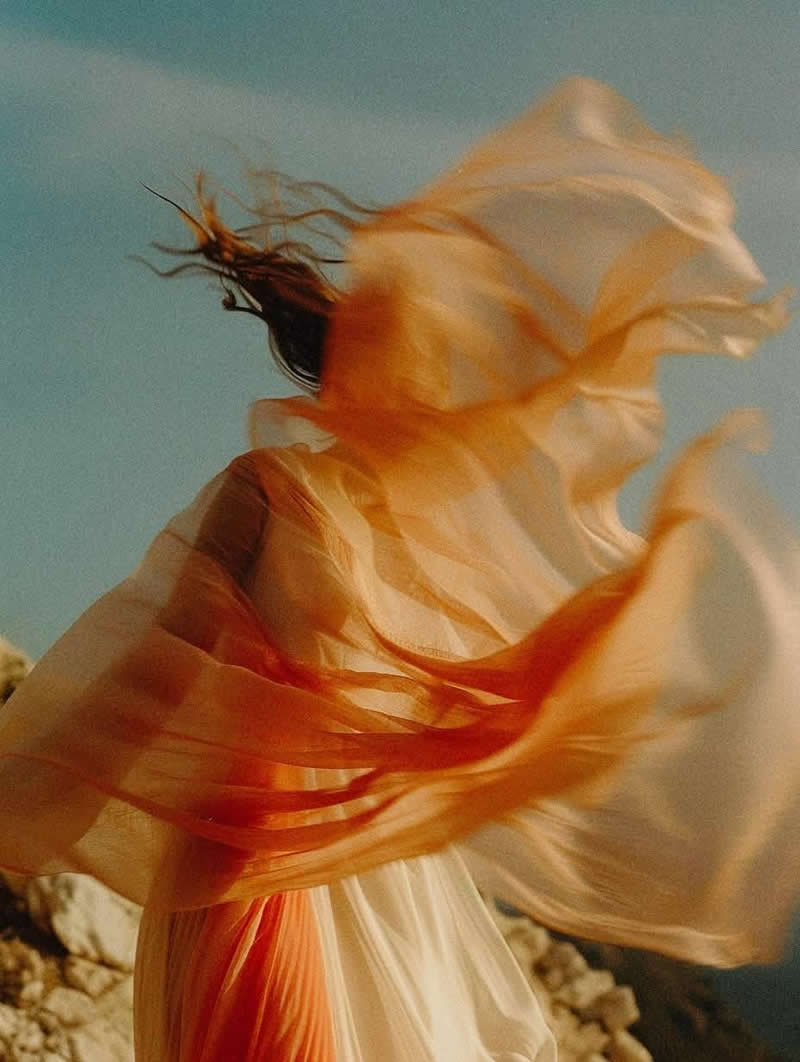
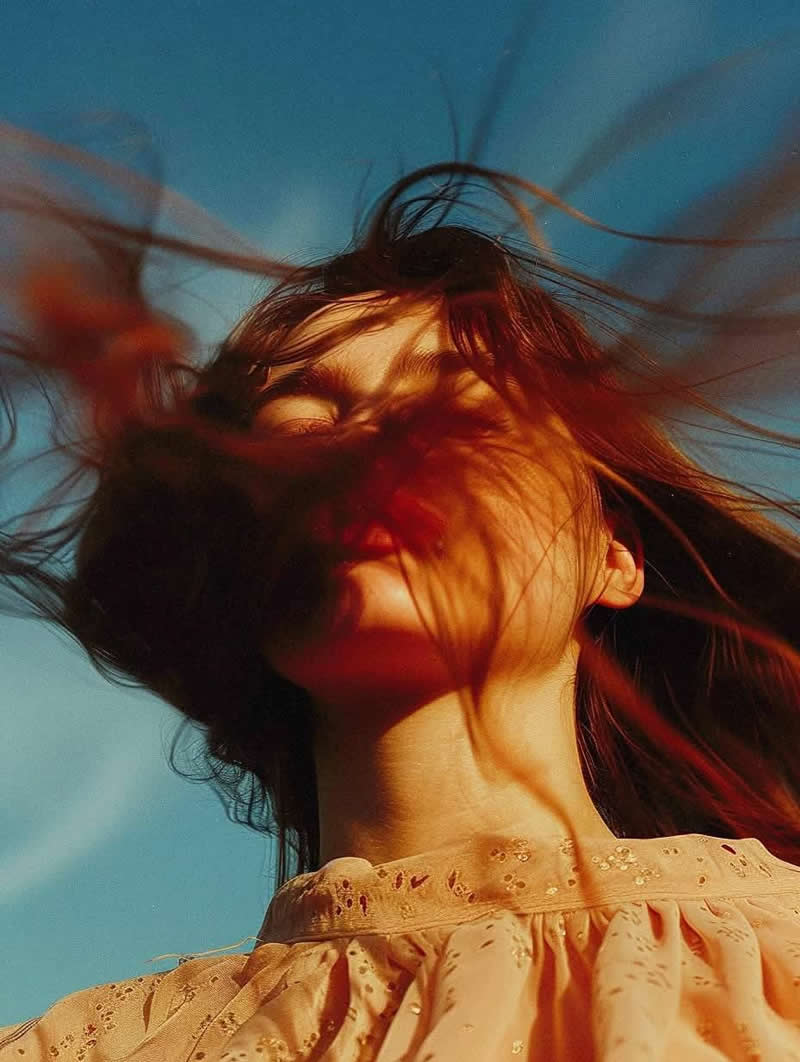
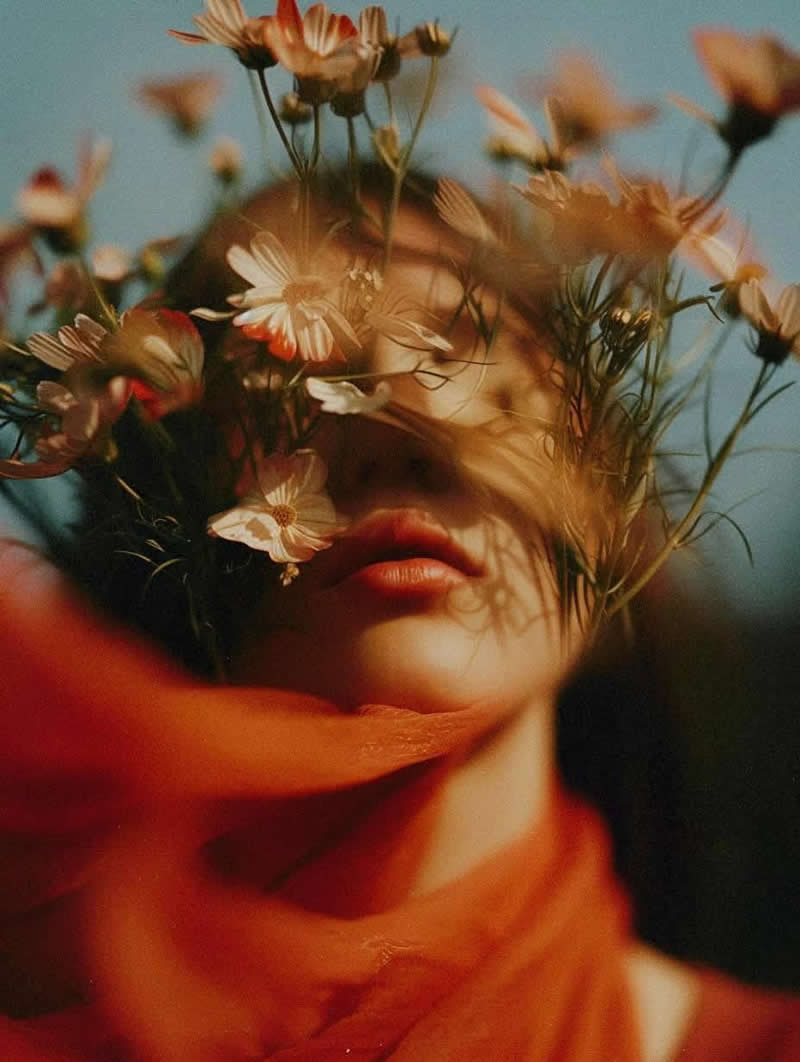
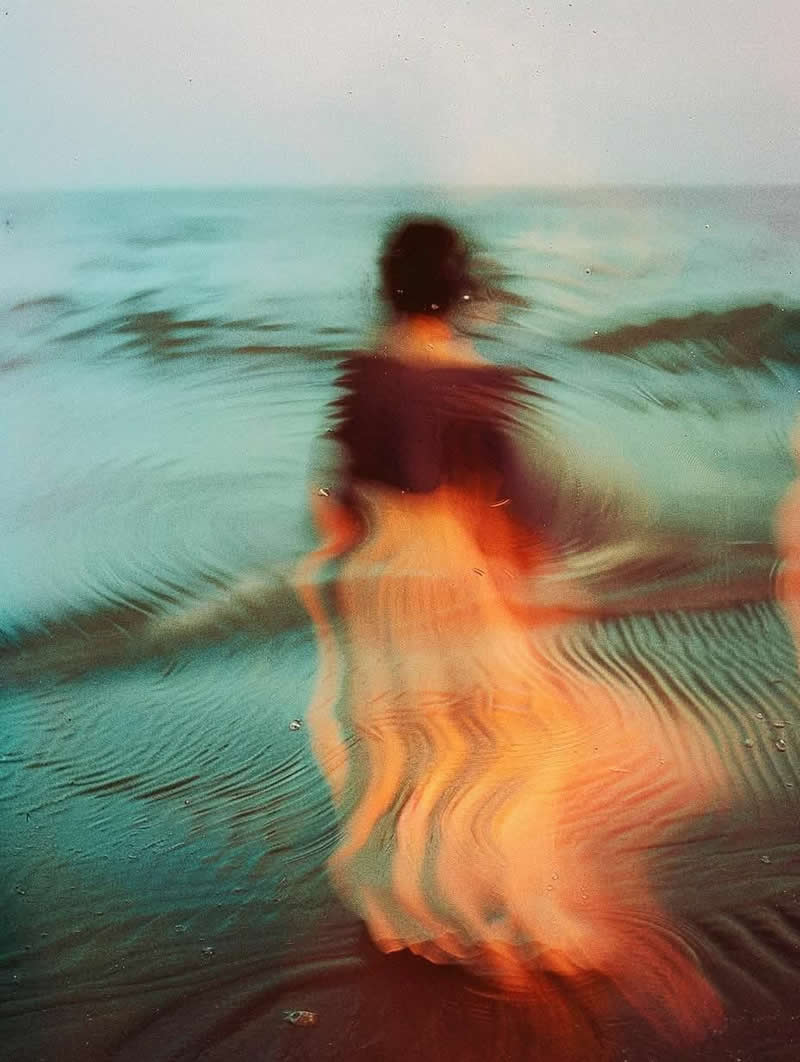
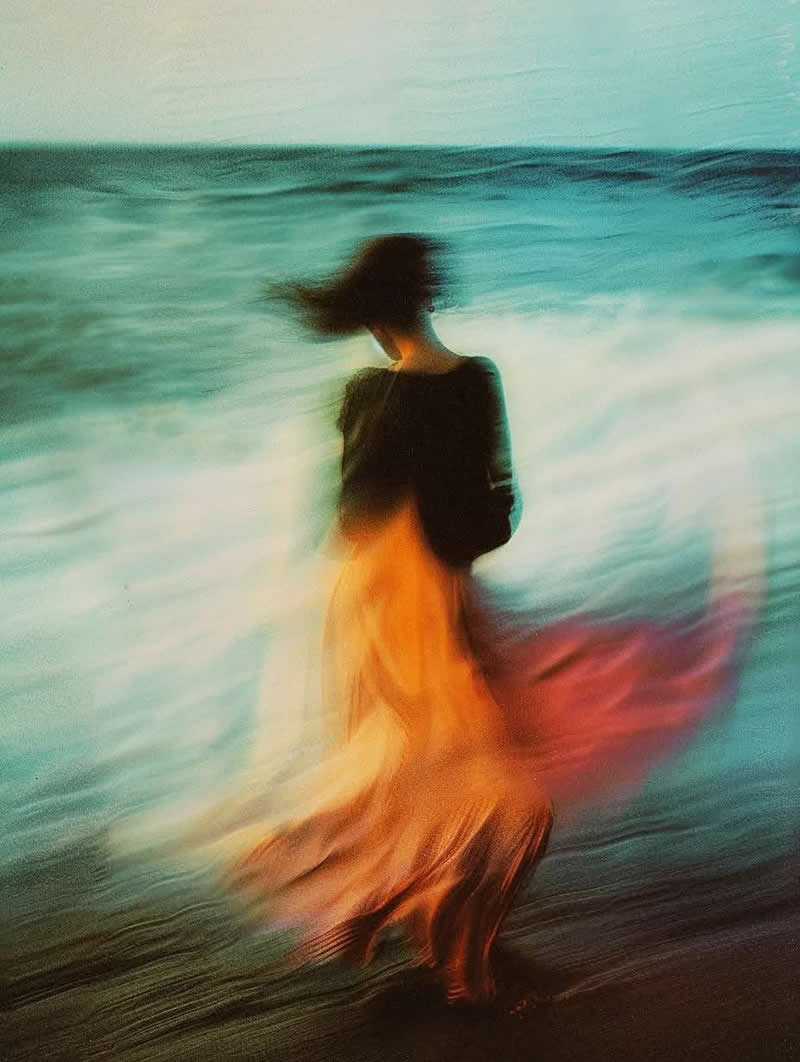
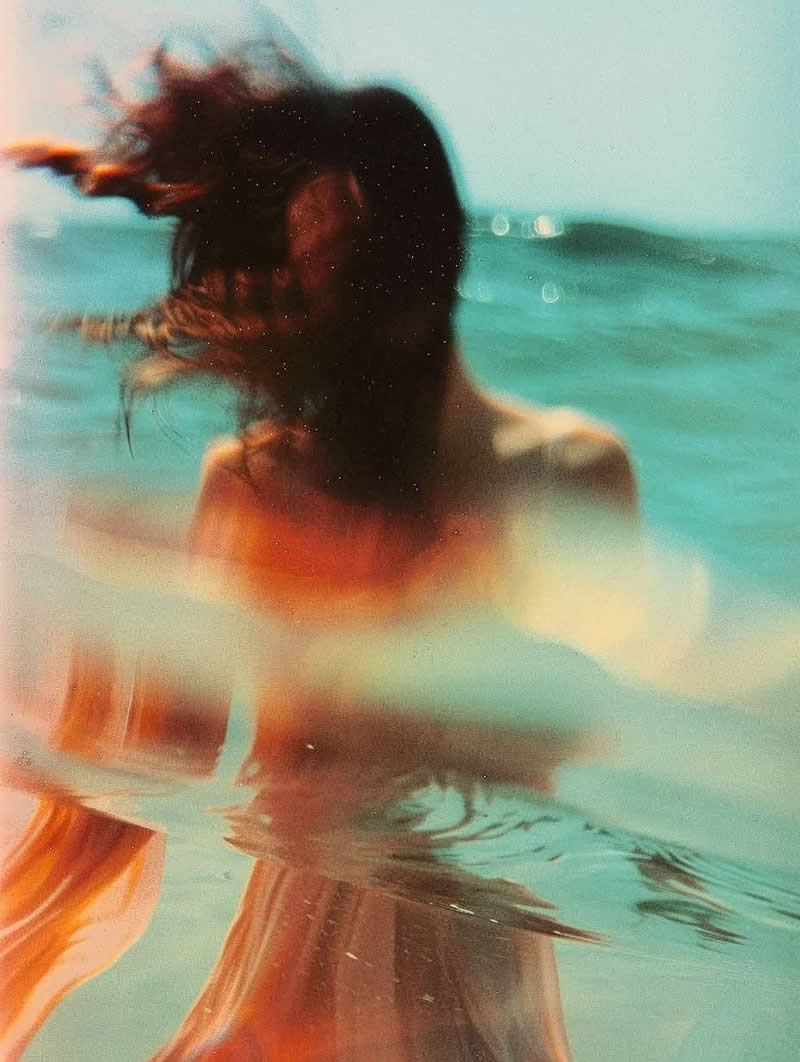
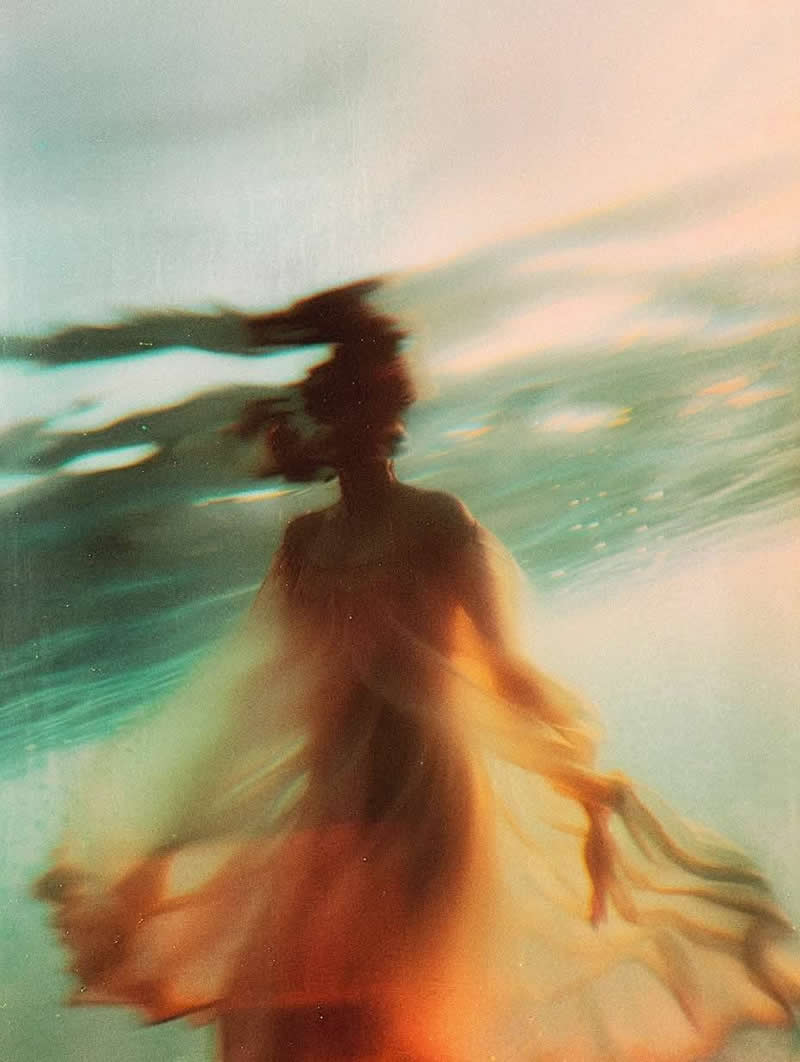
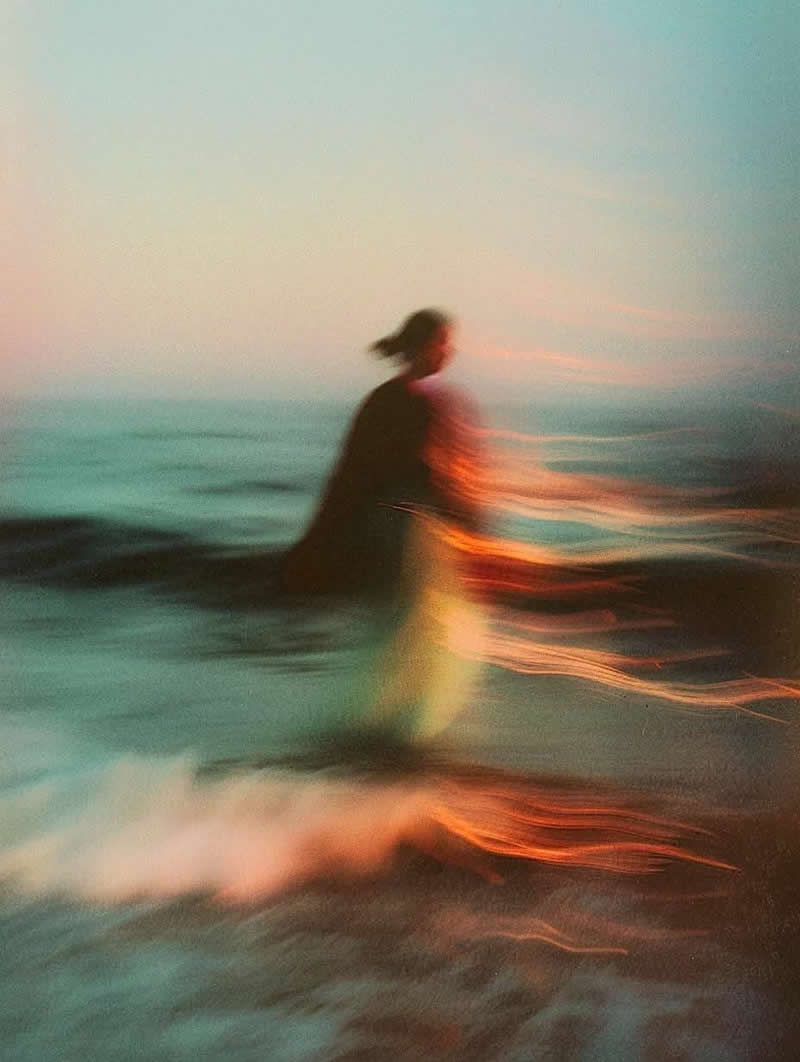
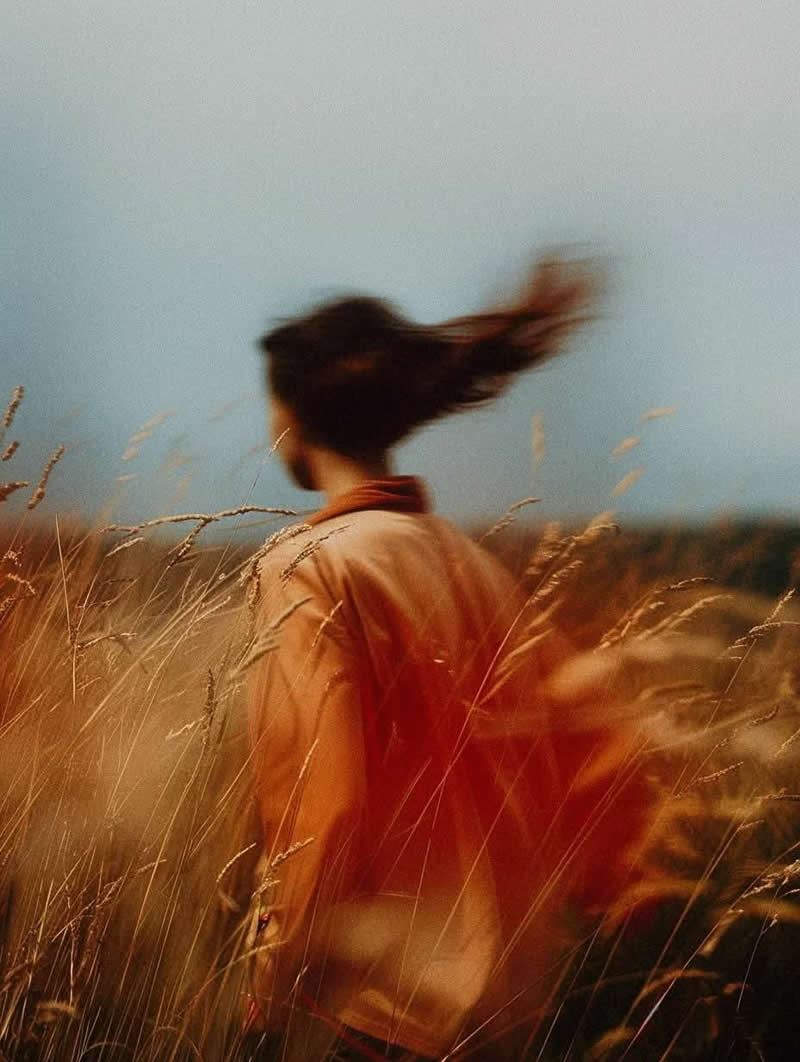
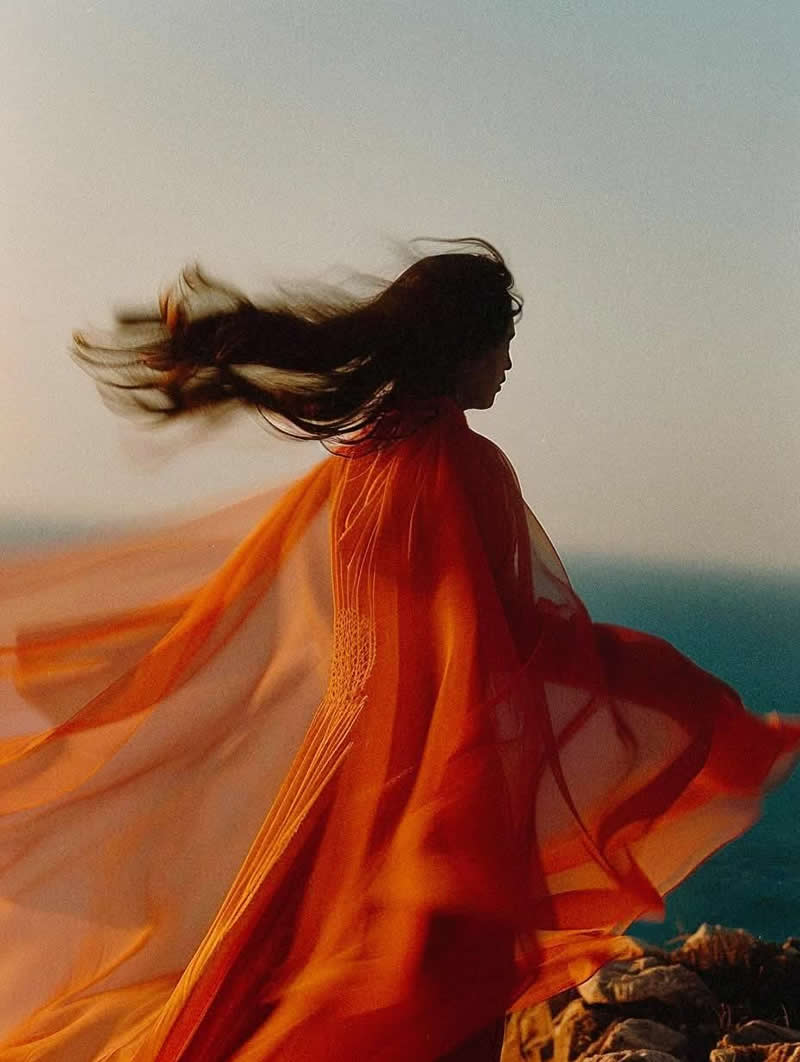
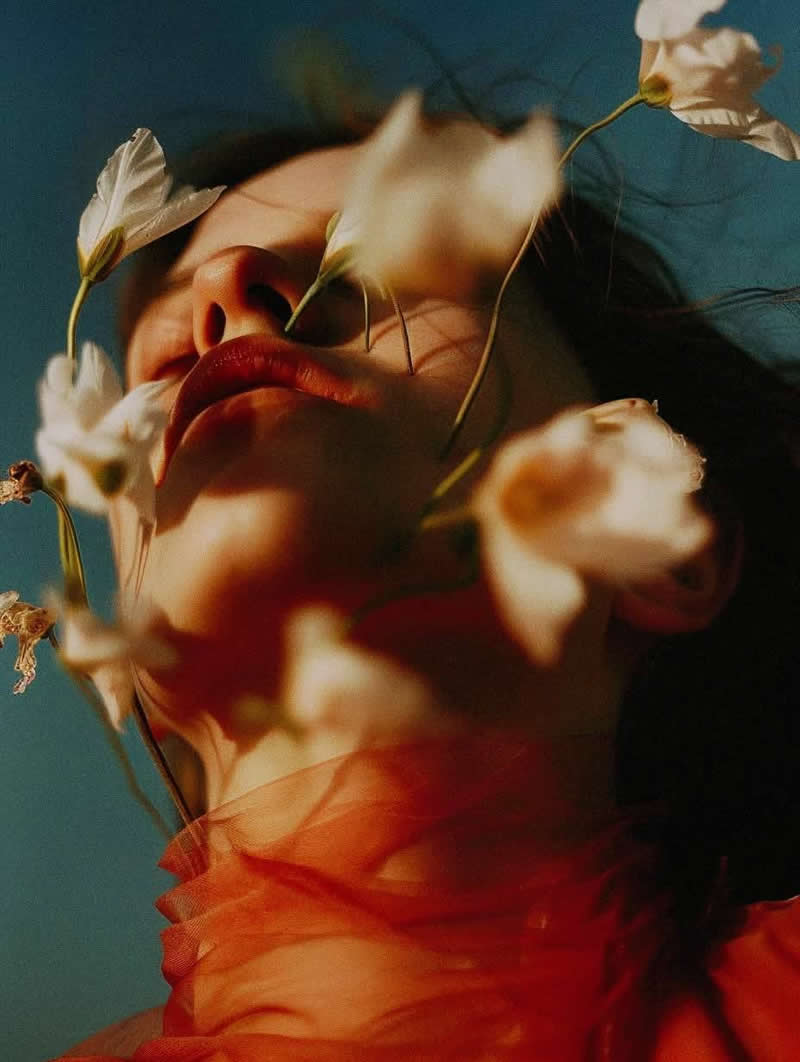
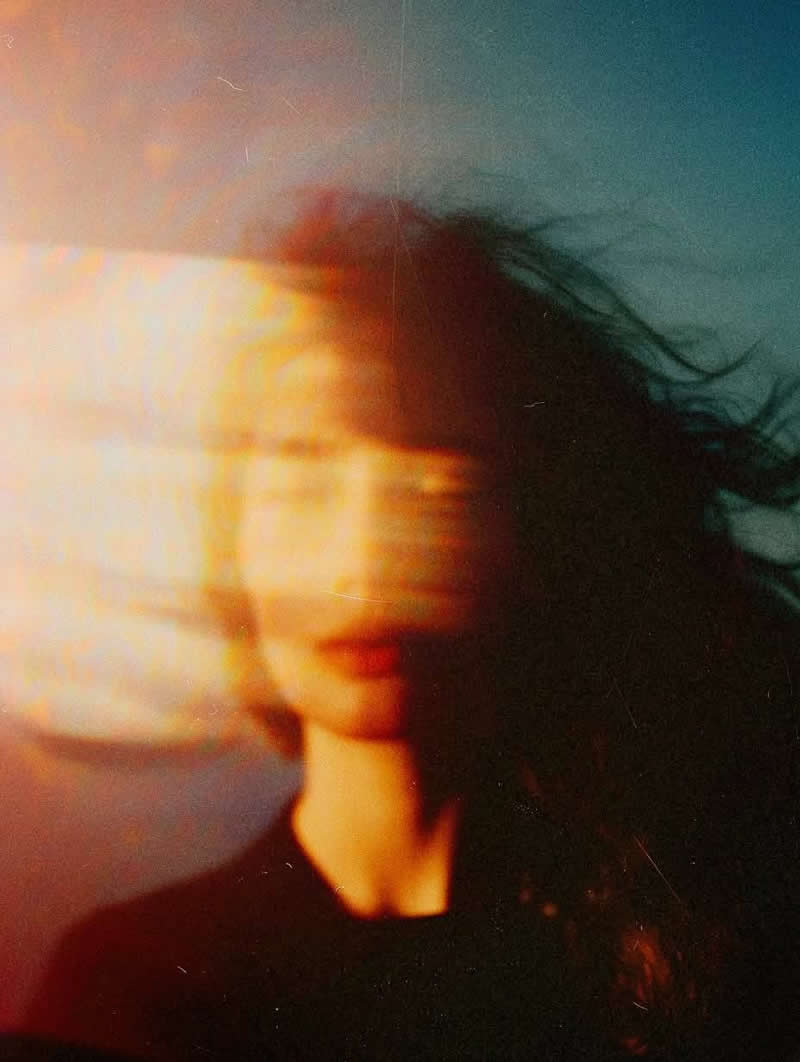
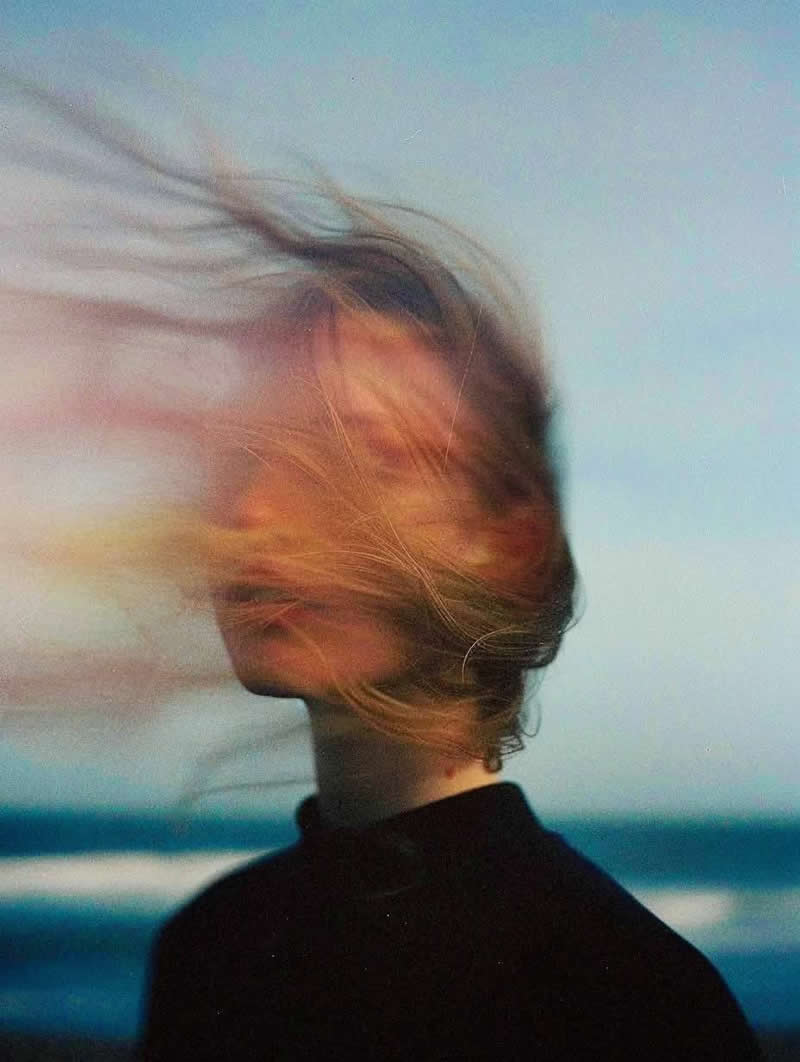
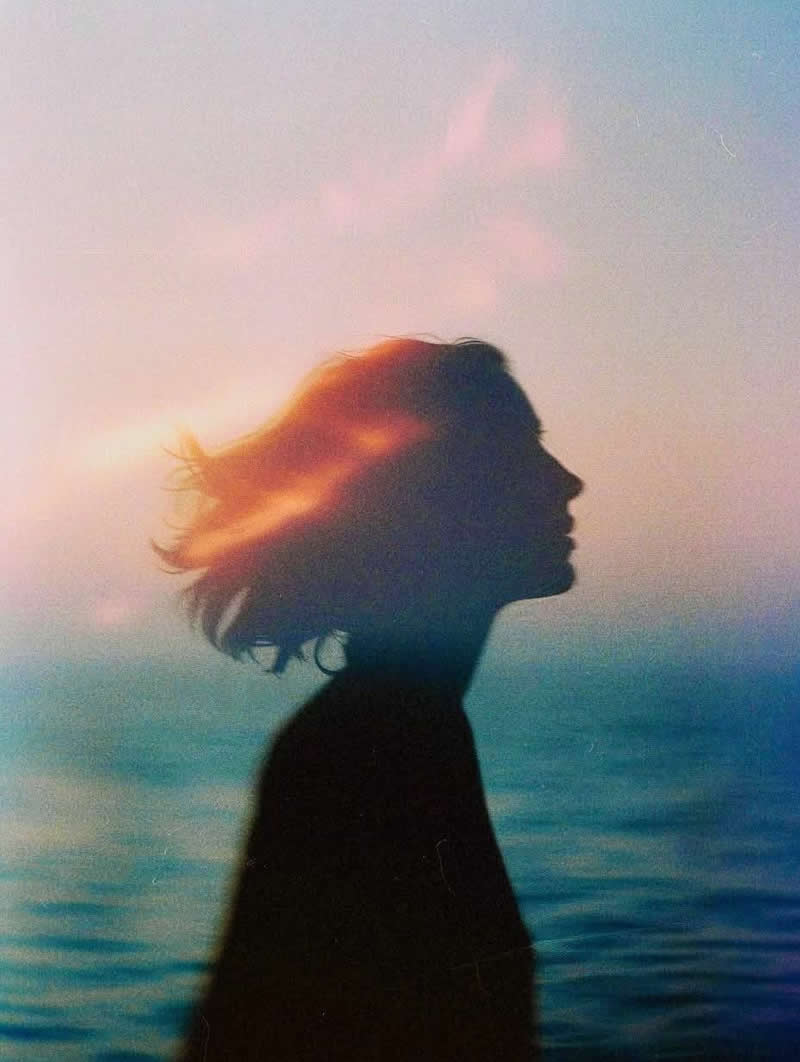
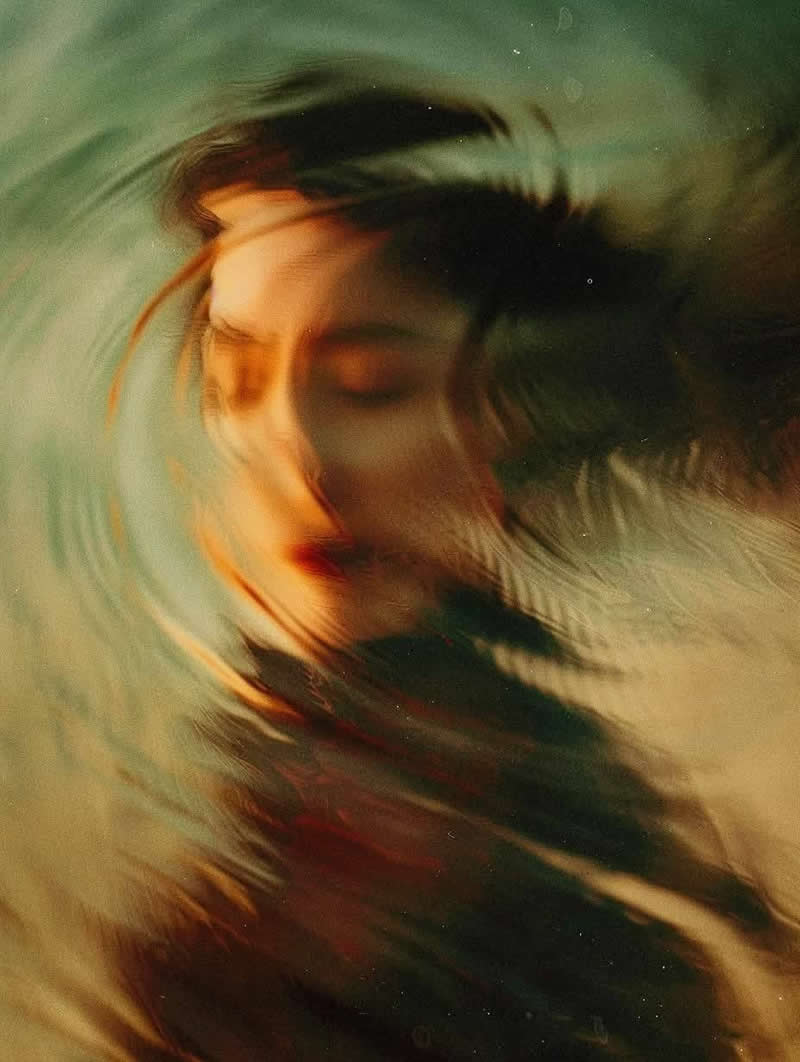
The 24 portraits in this series feel cinematic, fluid, and deeply intimate. Female faces emerge through motion—hair lifted by air, dresses caught mid-spin, skin glowing against water, sand, and sky. Nature isn’t a backdrop here; it’s a collaborator. Beaches, wind, light, and movement all fold into the frame, giving each image a sense of rhythm. You can almost hear the music in them—and that tracks. Music was Caspar’s first love, and that sense of tempo and flow runs straight through this work.
Inner Bloom is about transformation without forcing it. Growth without noise. These portraits don’t shout—they unfold. Scroll slowly. Let them breathe. This is pure art with a fine-art touch, shaped by technology but grounded in feeling.
You can find Caspar Jade on the web:
#1.
#2.
#3.
#4.
#5.
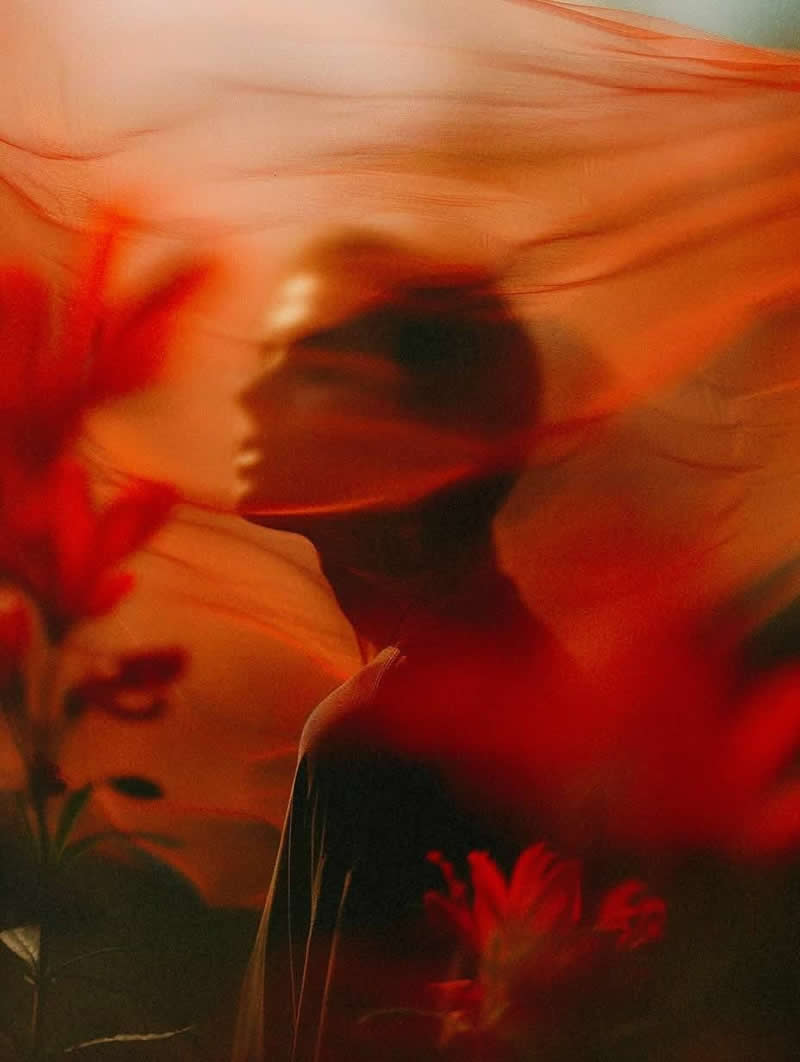
Inner Bloom as a Visual State of Becoming
These portraits aren’t about posing—they’re about becoming. Caspar treats “inner bloom” as an emotional state, not a visual gimmick. The motion in each image mirrors internal shifts: confidence forming, softness breaking through, strength surfacing quietly. Faces blur just enough to feel alive, never lost. The movement isn’t chaotic—it’s intentional, like growth happening in real time. You’re not looking at a finished version of someone. You’re catching them mid-transformation, which makes the work feel vulnerable and honest.
#6.
#7.
#8.
#9.
#10.
Where Fine Art Meets Artificial Intelligence
This series flips the tired “AI vs real art” debate on its head. Caspar uses AI as a creative collaborator, not a shortcut. The system generates visual options, but the soul of the image comes from human choice. Color palettes, motion intensity, emotional tone—those decisions shape everything. The result feels handcrafted, not automated. It’s proof that AI doesn’t erase artistry when guided by a strong creative vision—it amplifies it.
#11.
#12.
#13.
#14.
#15.
Motion, Nature, and the Female Form
Water, air, fabric, hair—everything moves. Caspar leans into natural elements to create rhythm inside the frame. Beaches blur into skin tones. Wind lifts dresses like punctuation marks. Hair becomes a line of emotion. The female form isn’t styled to impress—it’s allowed to exist freely, dynamically, and powerfully. Motion becomes language. Nature becomes mood. Together, they create portraits that feel alive instead of staged.
#16.
#17.
#18.
#19.
#20.
Cinematic Energy Rooted in Music
Music shaped Caspar long before photography did—and you can feel it. Each portrait carries tempo, pause, and flow. There’s a beat to the movement, a chorus in the colors, a quiet bridge in the softer frames. These images don’t just sit on the page—they play. That musical instinct gives the series narrative power, turning still images into scenes from an unwritten film.
#21.
#22.
#23.
#24.
In Summary
Who is Caspar Jade?
- Caspar Jade is a Berlin-based fine art portrait photographer working with mixed media and AI-assisted techniques.
What is the Inner Bloom series about?
- It explores personal growth, transformation, and emotion through portraits captured in motion.
Are these portraits created using AI?
- Yes, AI is used as part of the process, guided by Caspar’s creative decisions and artistic vision.
What makes these portraits unique?
- The blend of real fine art photography, AI, motion, nature, and cinematic storytelling.
What themes are explored in the series?
- Identity, femininity, movement, nature, emotion, and inner transformation.


 English (US) ·