.png)
 3 hours ago
2
3 hours ago
2
History, the way most of us learned it, came wrapped in clean timelines and bold headlines. Wars started, wars ended. Leaders rose, leaders fell. But real history? It lived in the margins—between the speeches, behind the machines, inside quiet daily routines that never made it into textbooks. That’s where these 33 unseen historical photos come in.
These images don’t scream. They speak. Shot in black and white, often grainy and imperfect, they capture the raw texture of the past—soldiers waiting instead of fighting, workers fixing machines that powered entire eras, children playing while history unfolded around them. You’ll see war without gunfire, famous people off-stage, and everyday life unfolding during moments the world now calls “historic.”
What makes unseen historical photos so powerful is their honesty. There’s no performance here. No pose for legacy. Just real people caught mid-breath. A mechanic covered in oil. A crowd frozen in anticipation. A vehicle that once felt futuristic, now beautifully obsolete. These frames remind us that history wasn’t lived in bullet points—it was lived minute by minute.
Some photos reveal famous moments from unfamiliar angles. Others spotlight lives history ignored entirely. Together, they tell a fuller story—one where emotion matters as much as events. They humanize the past, turning distant decades into something you can almost touch.
Scroll through these images and you’ll feel it: history wasn’t always loud. Sometimes it whispered. Sometimes it waited. And sometimes, it happened while no one was looking—until now.
#1. A horse-drawn sled used as a school bus in Northern Maine, United States in 1930.
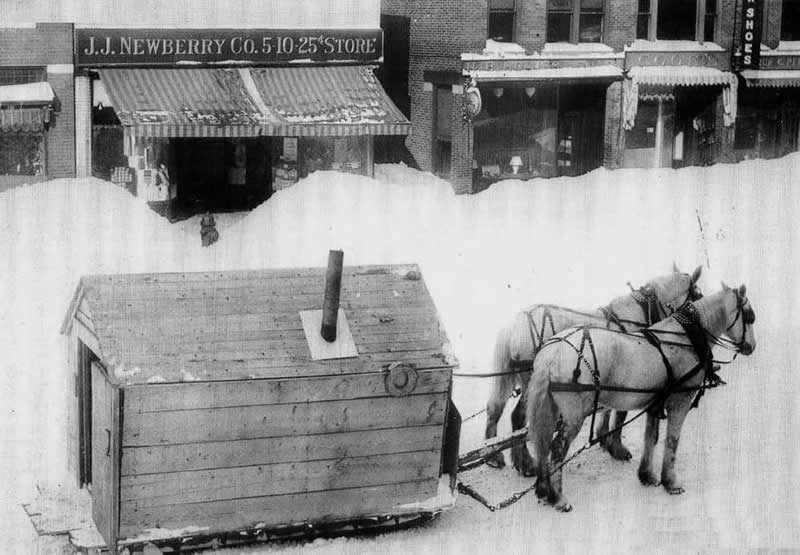
Image Source: Historic Photographs
#2. U.S. Army anti-aircraft rockets, mounted on launchers and pointed out over the Florida Straits in Key West, Florida, on October 27, 1962.
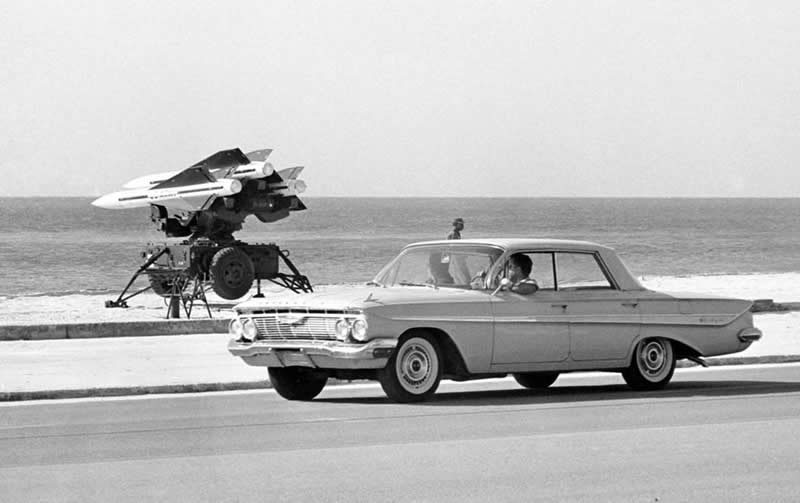
Image Source: Historic Photographs
#3. Tourist and his car at the edge of the Grand Canyon. Arizona, USA. 1914.
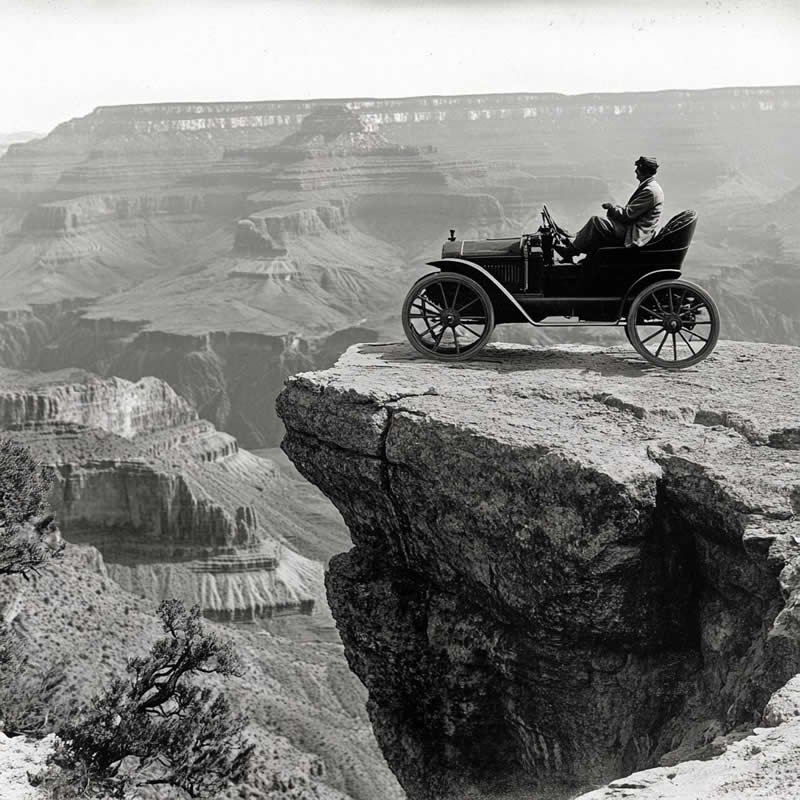
Image Source: Historic Photographs
#4. Wounded French soldiers participating in drills inside the Grand Palais to prepare to return to active duty. (1916)
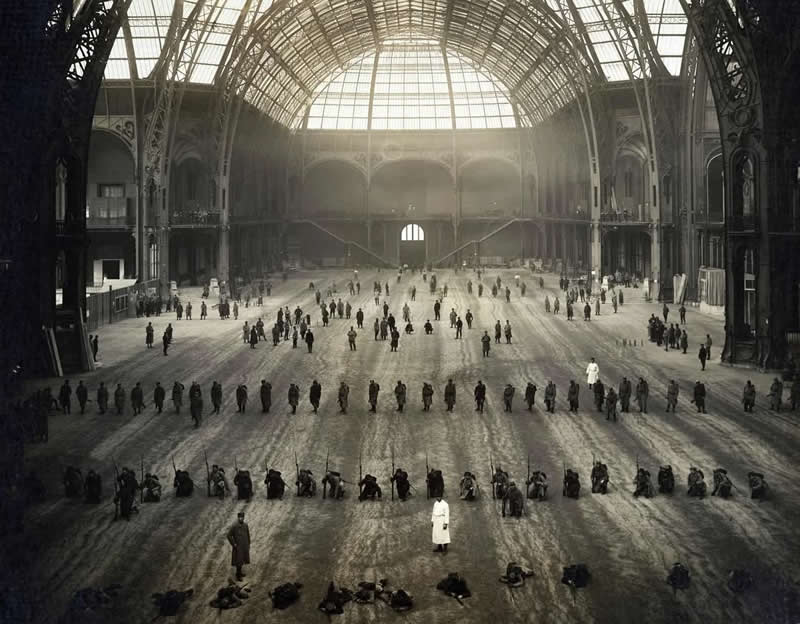
Image Source: Historic Photographs
#5. Truck driver Robert Nuher and his family gathered around the television in 1949, at a time when screens first invaded the American living room. (Pennsylvania, Photo by Ralph Morse).
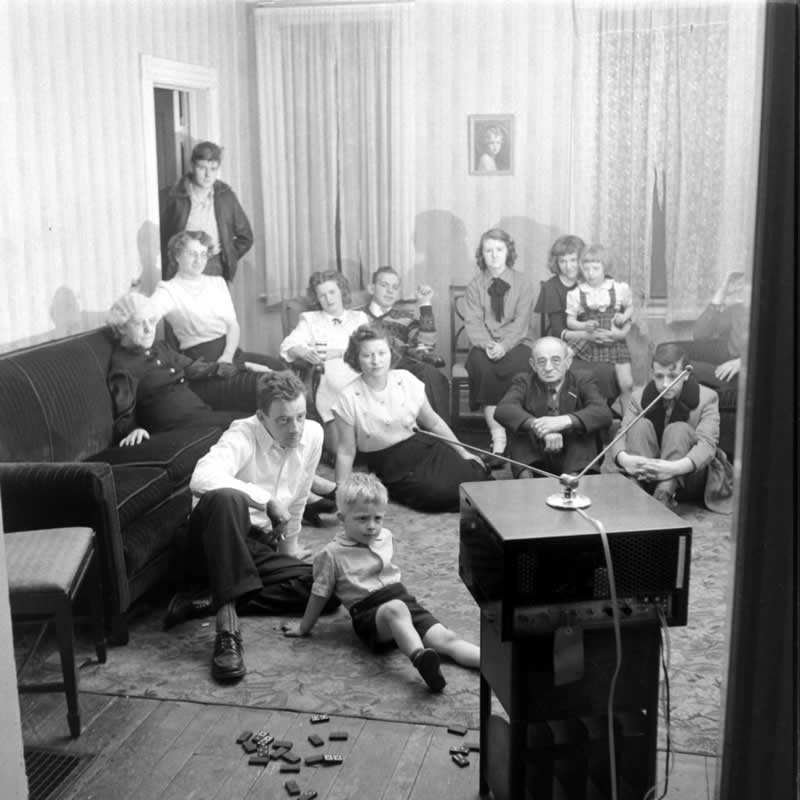
Image Source: Historic Photographs
#6. What 5 megabytes of computer data looked like in 1966: 62,500 punched cards, taking four days to load.
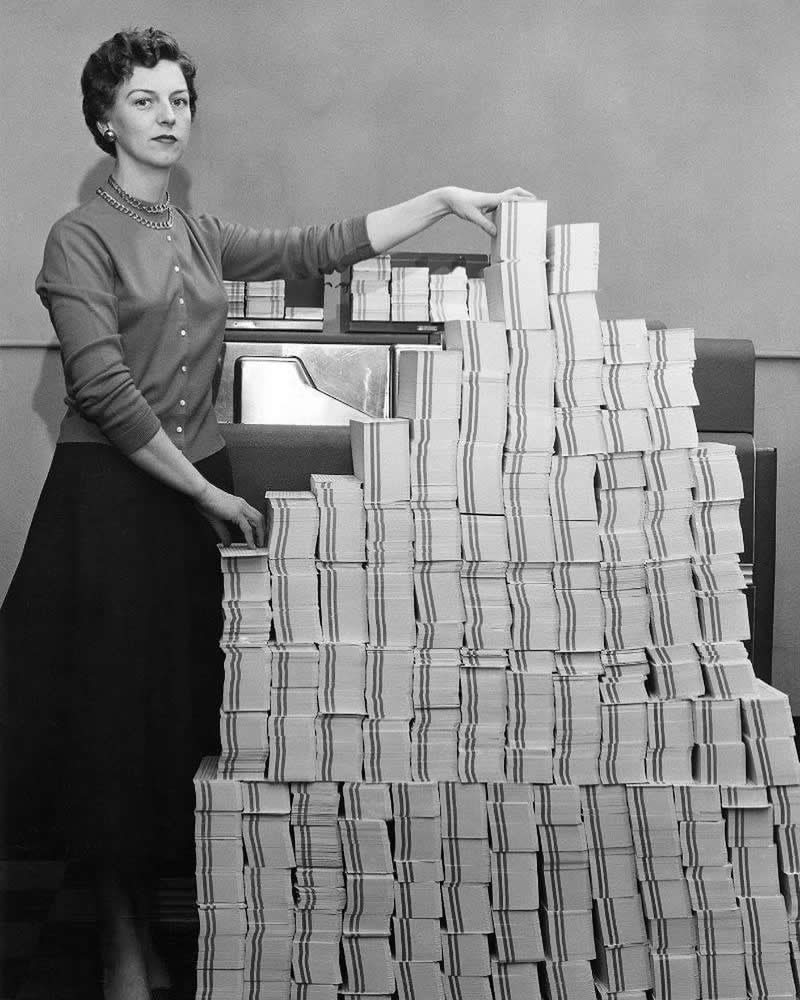
Image Source: Historic Photographs
#7. A man repairing a cracked runestone in 1936 at Svedjorna in Södra Ving, Sweden. Approximately 2,500 runestones can be found along the roads of Sweden, many of them having been maintained by caring locals for centuries.
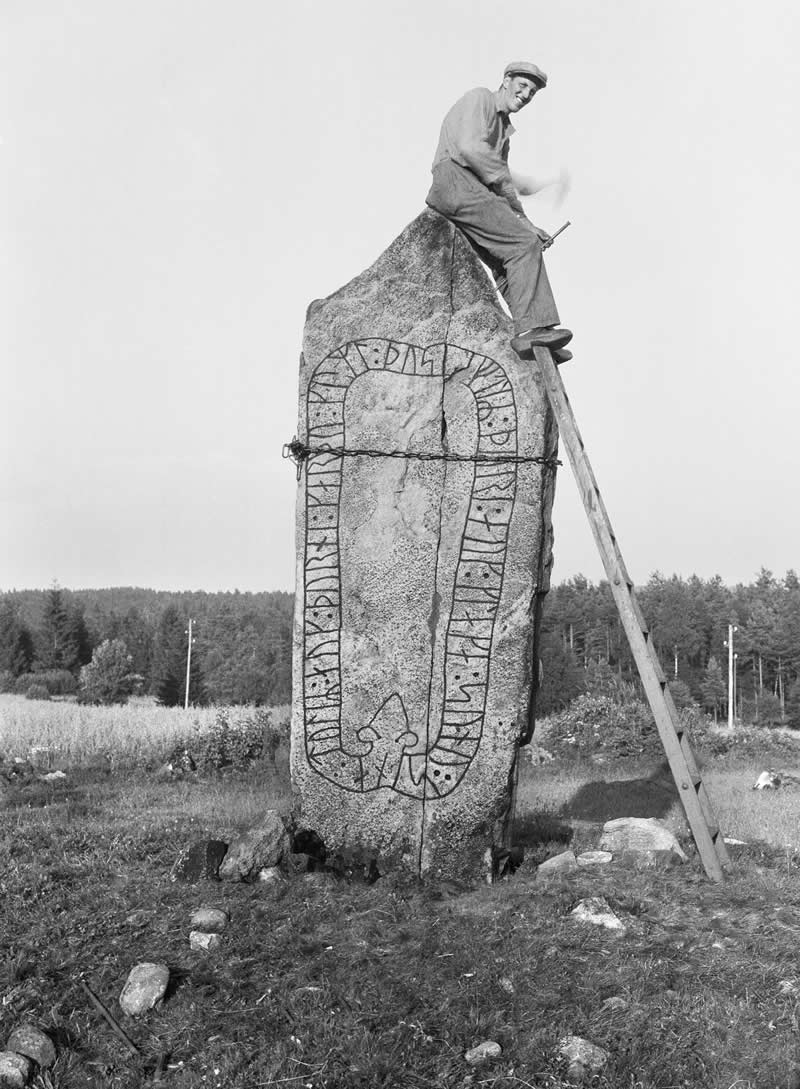
Image Source: Historic Photographs
#8. Celebrating New Year in the 1920s
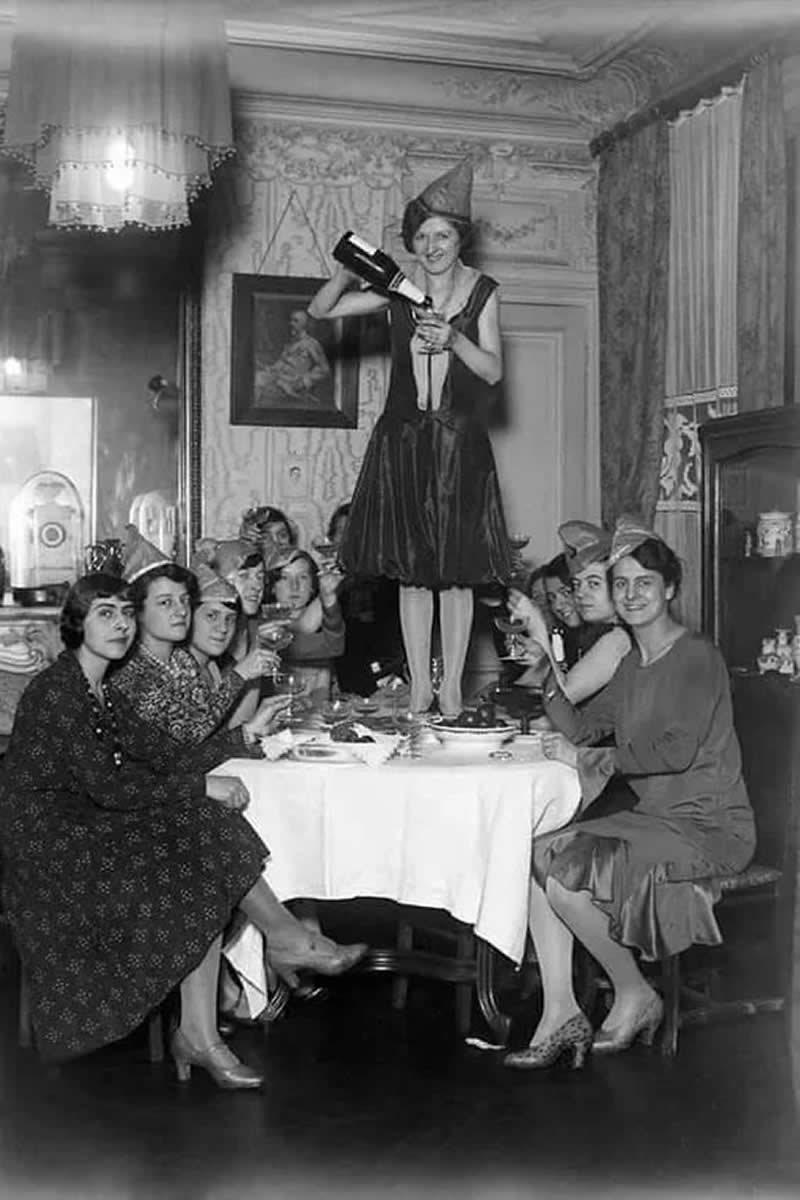
Image Source: Historic Photographs
#9. Muhammad Ali jockeying singles into the Philips vinyl record player in his 1959 Cadillac Eldorado
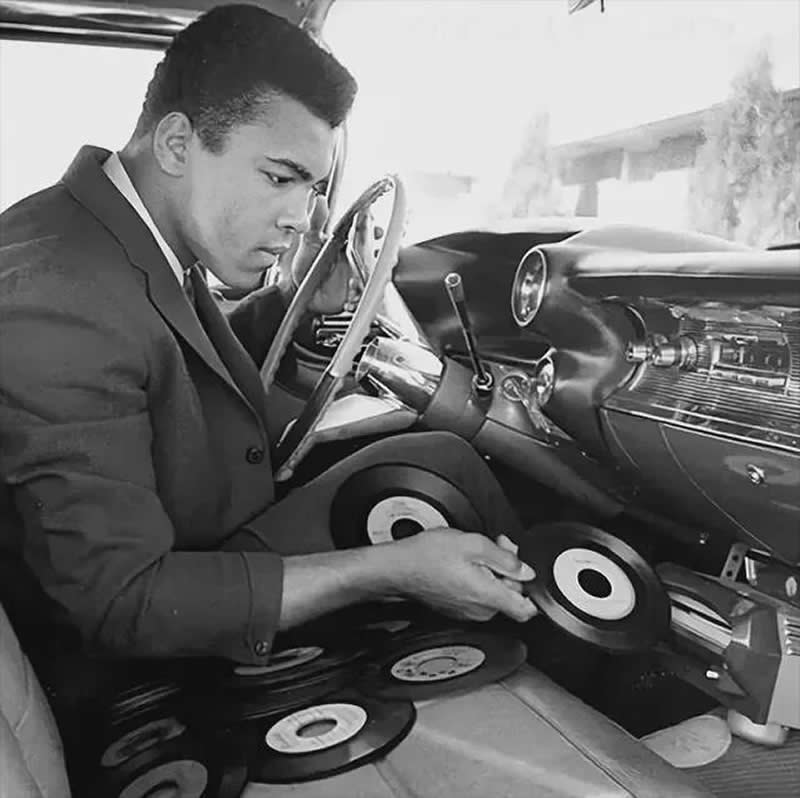
Image Source: Historic Photographs
#10. A young woman playing a harp to a large crowd, Rock of Cashel, Ireland, ca. 1910
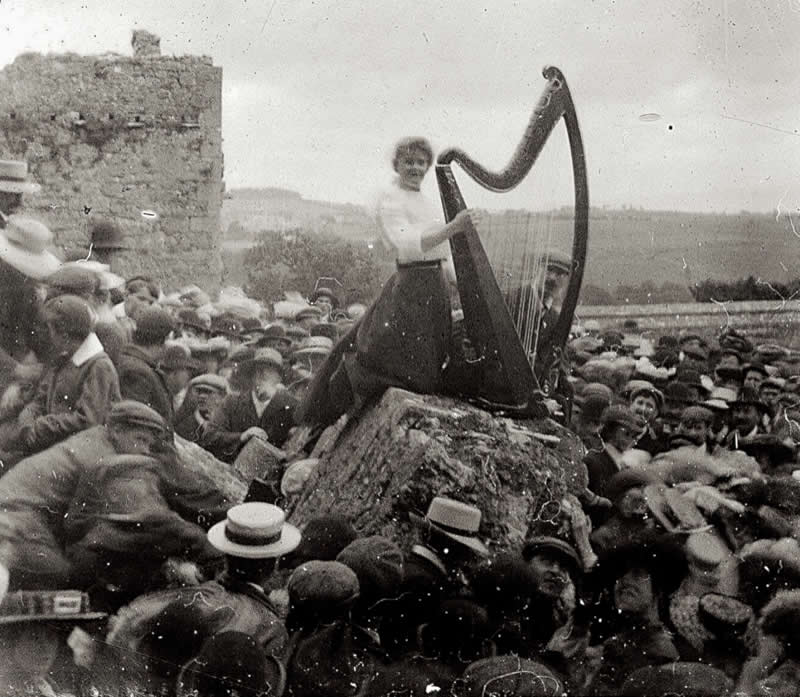
Image Source: Historic Photographs
#11. New parents of quadruplets, late 1880s.
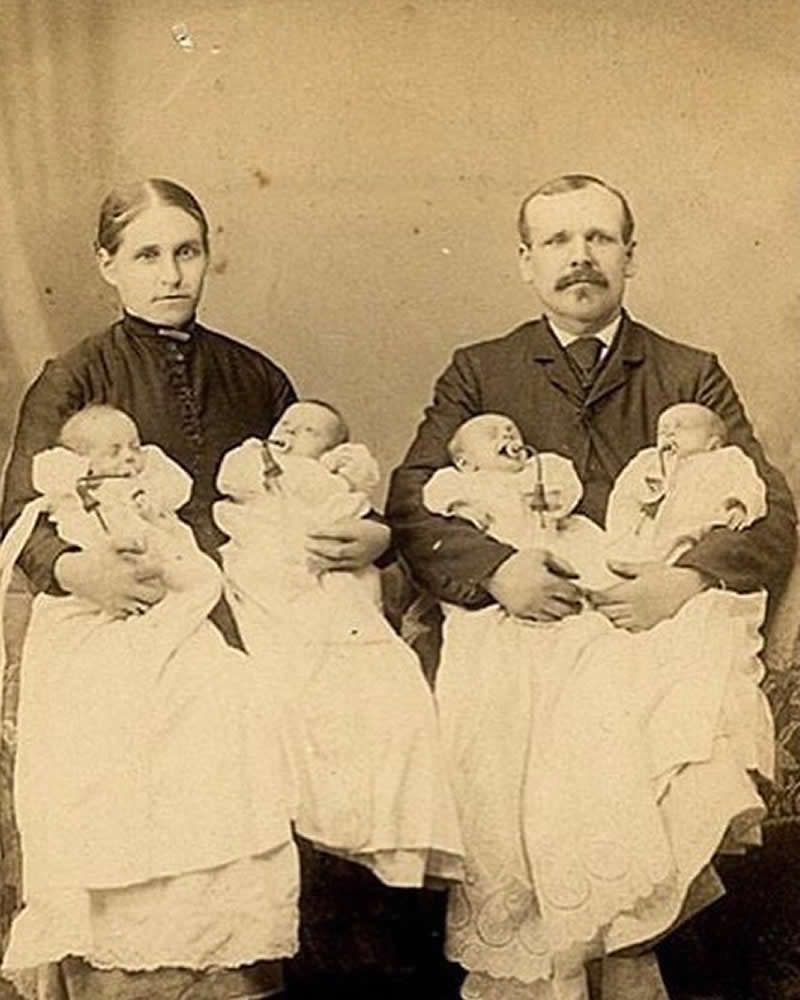
Image Source: Historic Photographs
#12. Traffic on the Long Island Expressway in 1908, back then it was known as the Long Island Parkway. Note the Manhattan all the way in the back. (Long Island, New York)
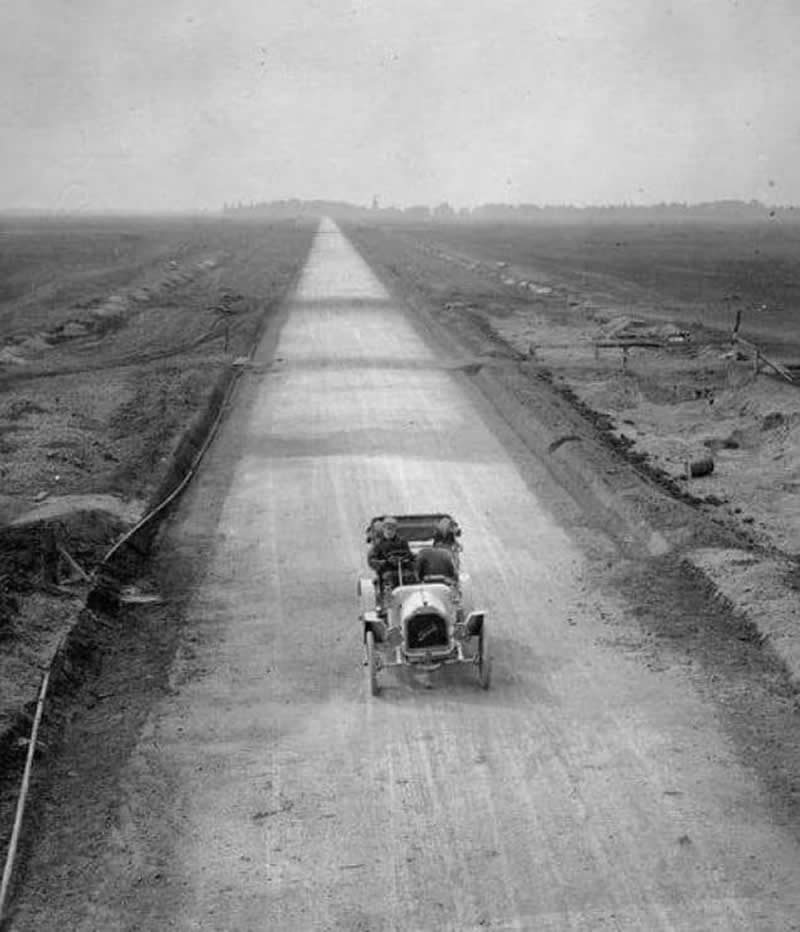
Image Source: Historic Photographs
#13. How the Taj Mahal was hidden from enemy bombers in World War II.
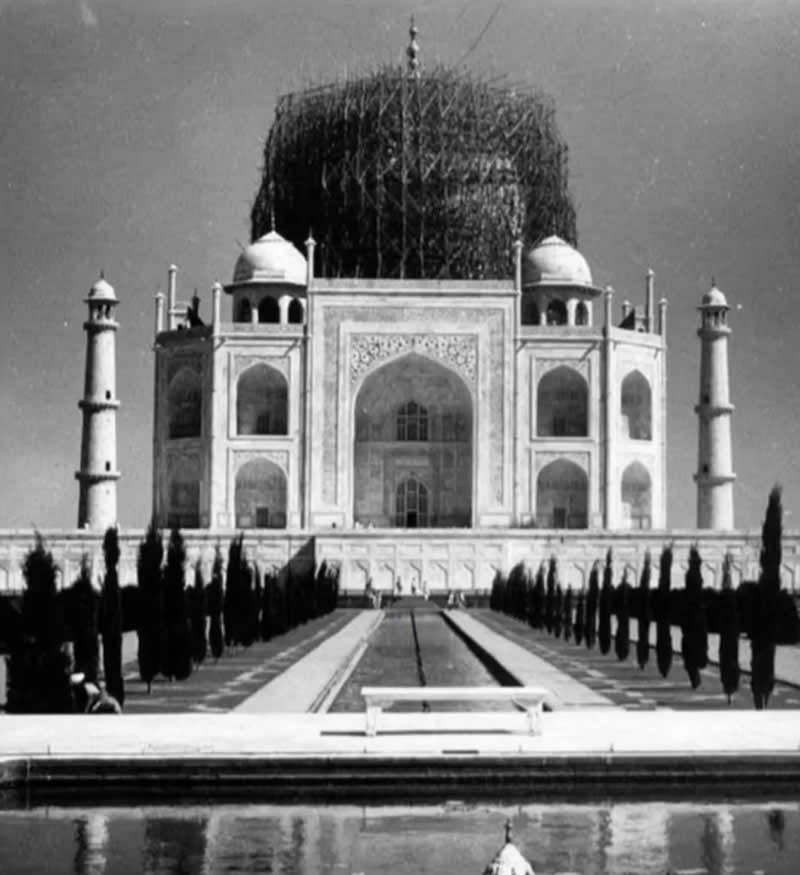
Image Source: Historic Photographs
#14. A child sitting on a donkey photographed with Santa (1920s). Santa doesn’t look so jolly in this picture.
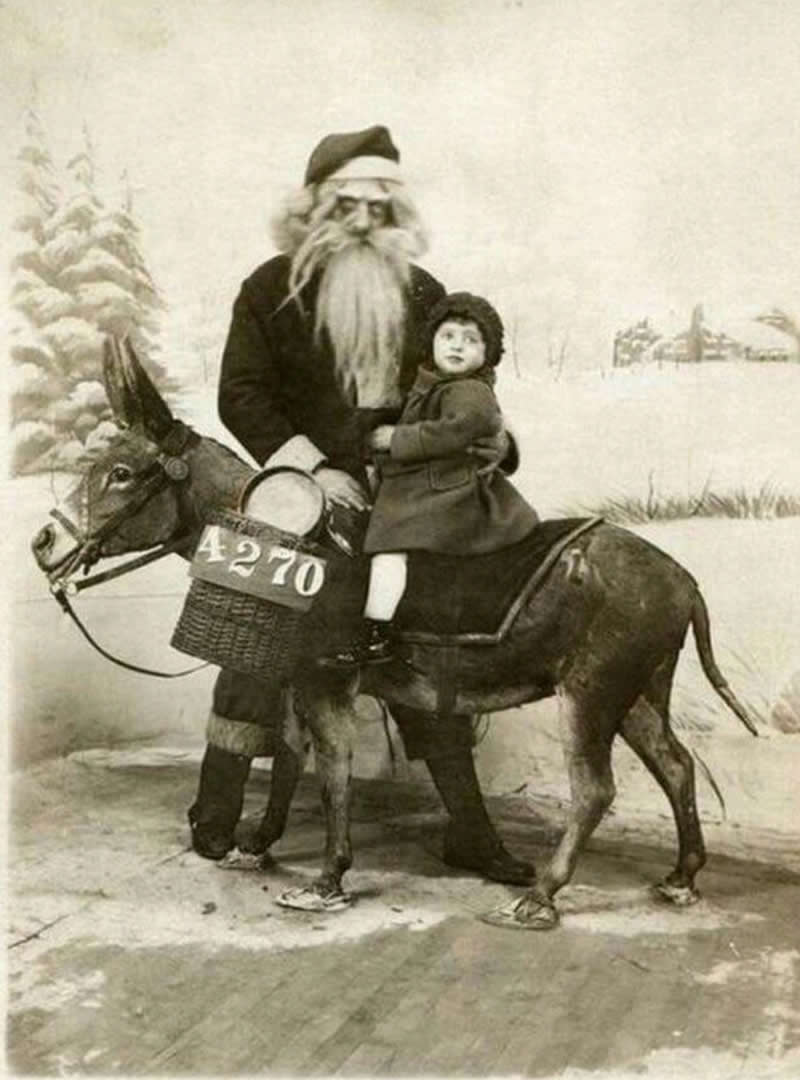
Image Source: Historic Photographs
#15. Passengers boarding an airship (R101) at Cardington pillar, England. (From the British periodical "War in the Air – Aerial Wonders of Our Time", 1936.)
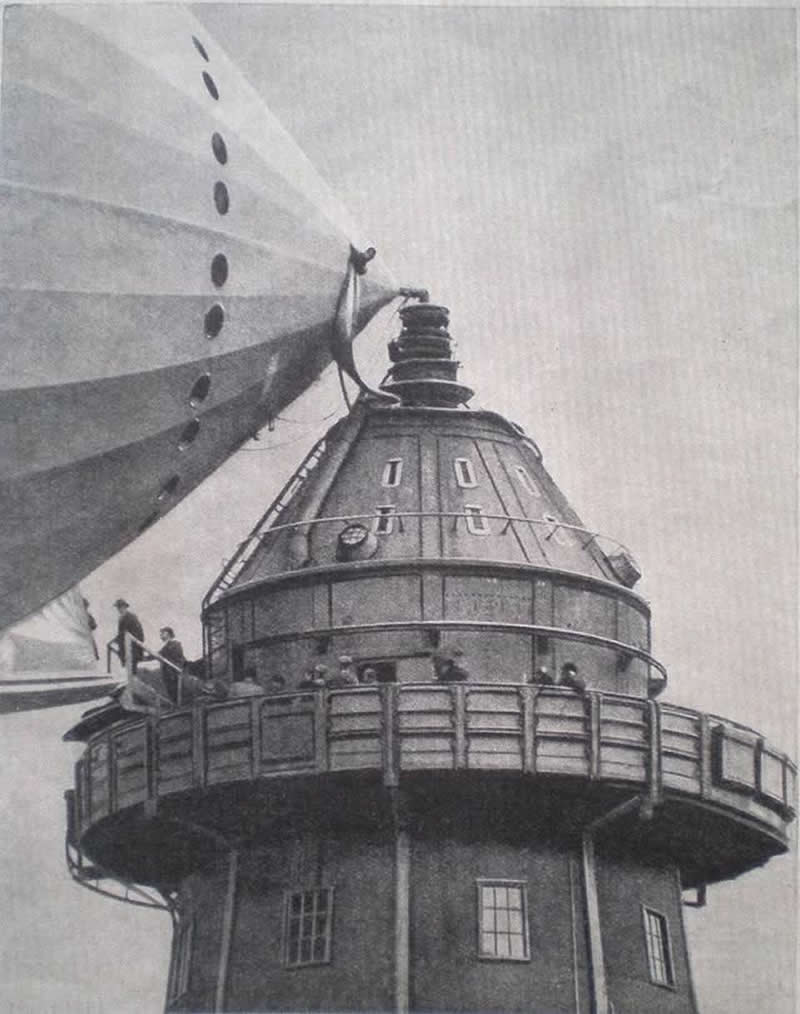
Image Source: Historic Photographs
#16. Lisa Fonssagrives on the Eiffel Tower for Vogue, Paris, 1939.
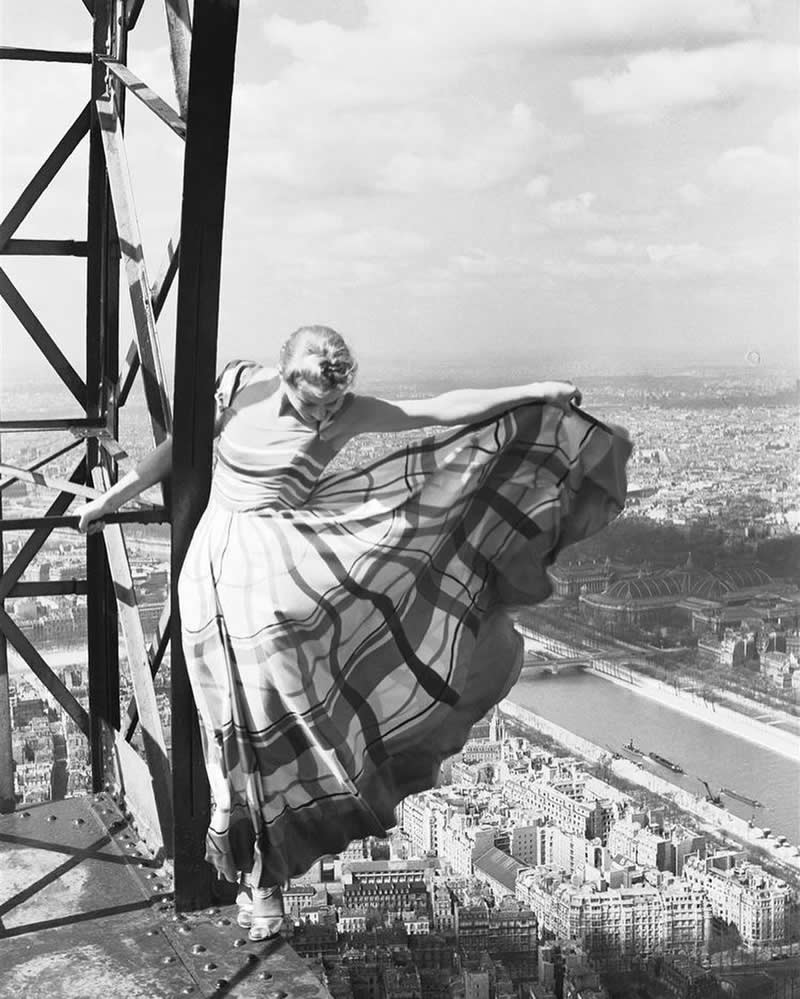
Image Source: Historic Photographs
#17. Pea pickers homemade housecar. 1936. Photo by Dorthea Lange.
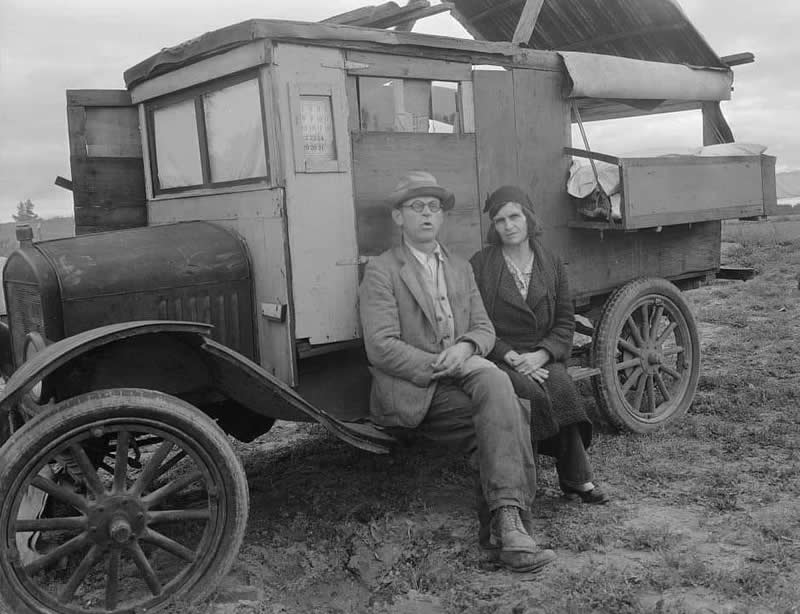
Image Source: Historic Photographs
#18. A poor steelworker’s little girl, her face and clothes dirty from the day playing outside, drinks water from a dipper in their small kitchen in Pittsburgh, 1940s.
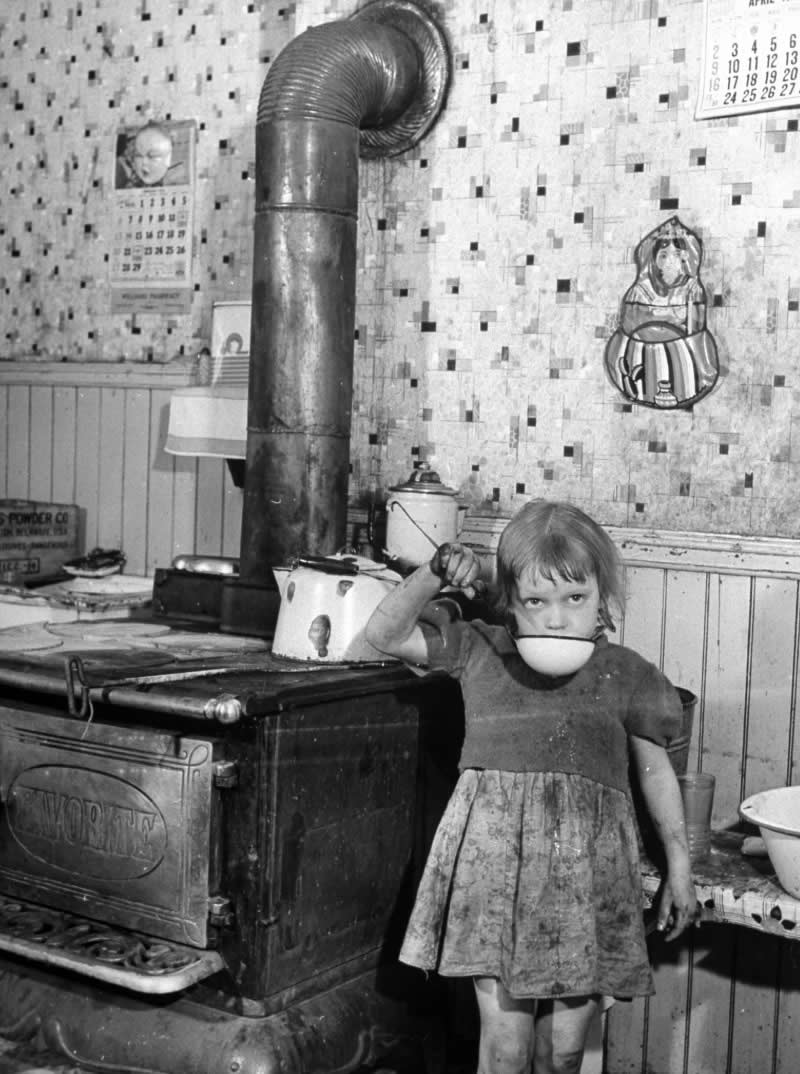
Image Source: Historic Photographs
#19. Family with 13 kids, Boston, Massachusetts, 1925
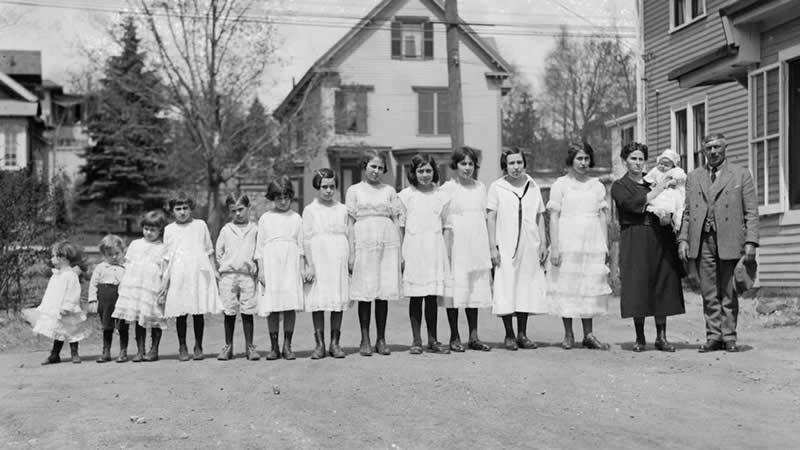
Image Source: Historic Photographs
#20. A laundromat at Fort Worth, Texas in the 1950s.
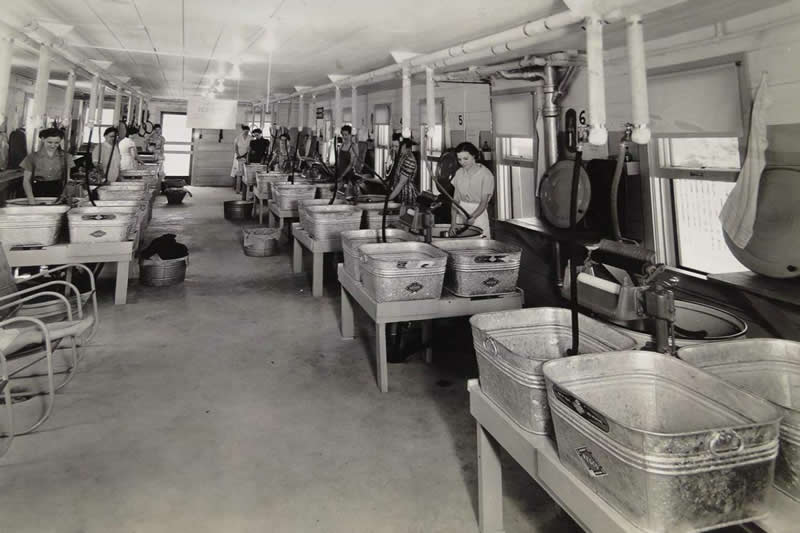
Image Source: Historic Photographs
#21. Rum-runners attempting to transport alcohol from Canada across the frozen Detroit River, circa 1920s.
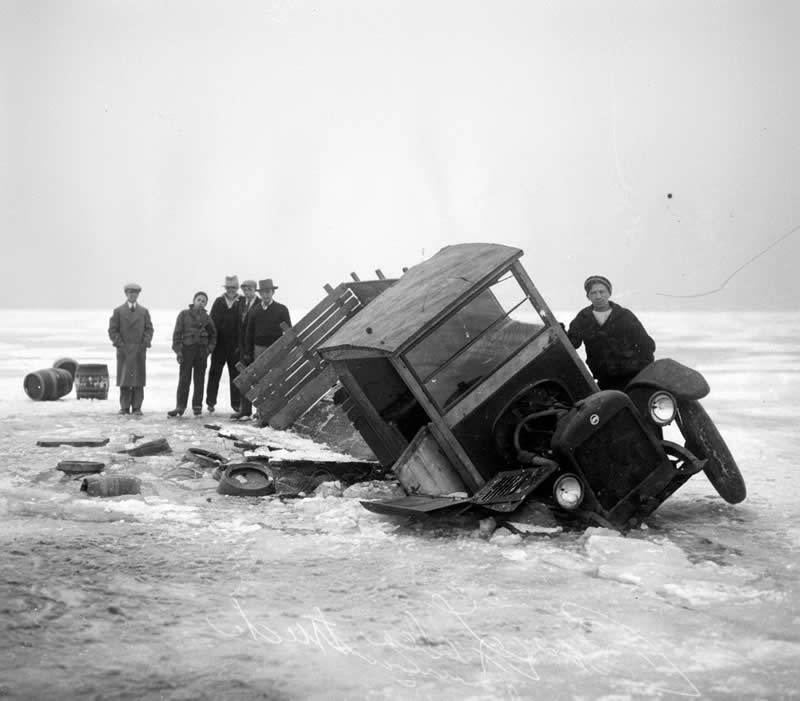
Image Source: Historic Photographs
#22. The economy section of a Pan Am 747 in the 1970s.
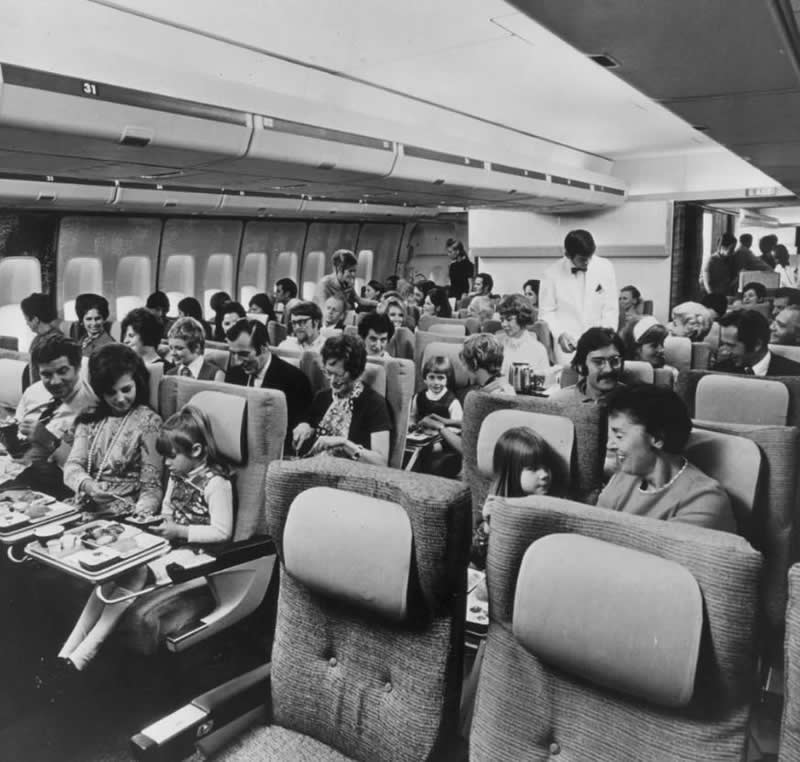
Image Source: Historic Photographs
#23. In 1953, the NSU factory in Dusseldorf, Germany, introduced the “Double-Lambretta.” Initially designed for young couples, this small motorcycle could be expanded by joining it with another Lambretta to accommodate a growing family, effectively transforming into a small car that could carry two adults and two children, achieving speeds of up to 78 km/h and a fuel efficiency of 3.4 liters per 100 km.
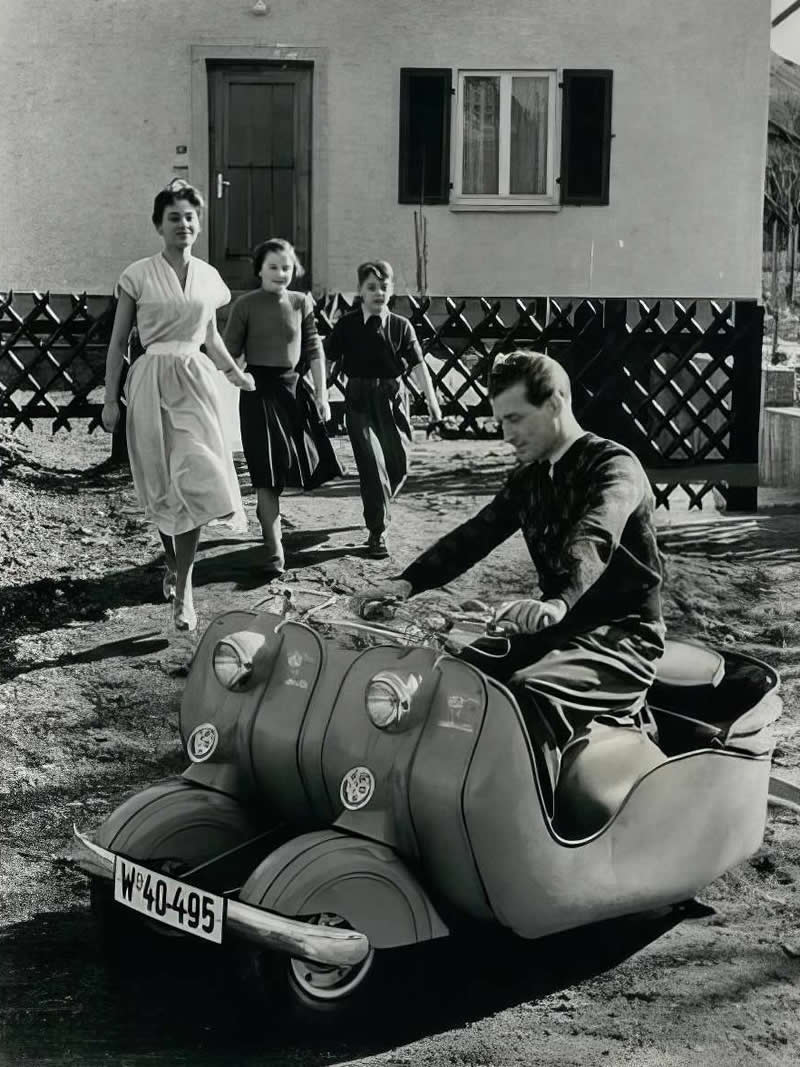
Image Source: Historic Photographs
#24. A Great Depression Christmas dinner in home of Earl Pauley, near Smithfield, Iowa, 1936. The dinner consisted of potatoes, cabbage and pie.
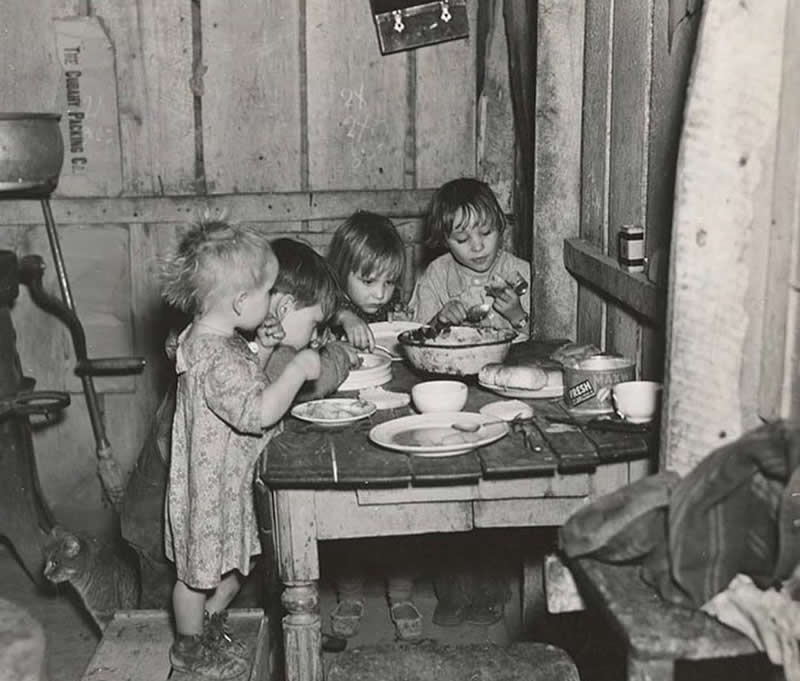
Image Source: Historic Photographs
#25. Immigrants at Ellis Island enjoying their first Christmas dinner in the United States, New York City, 1920.
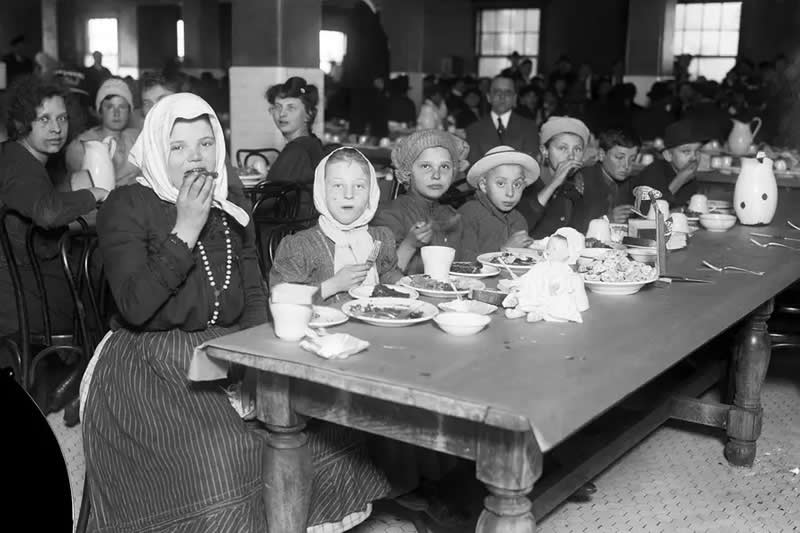
Image Source: Historic Photographs
#26. Santa slides down the chimney tonight! (1954)
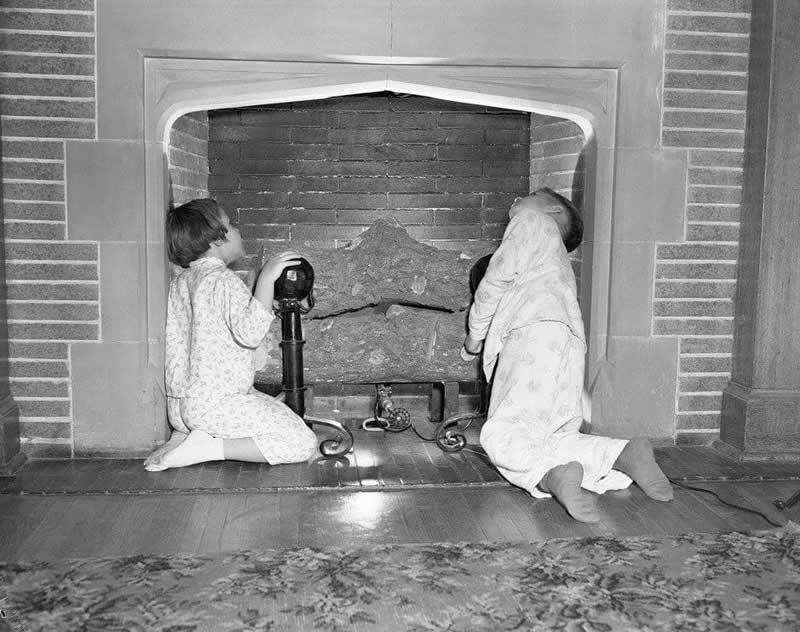
Image Source: Historic Photographs
#27. Children smile out a window as donated Christmas presents are delivered to their home. Detroit, Michigan, 1932.
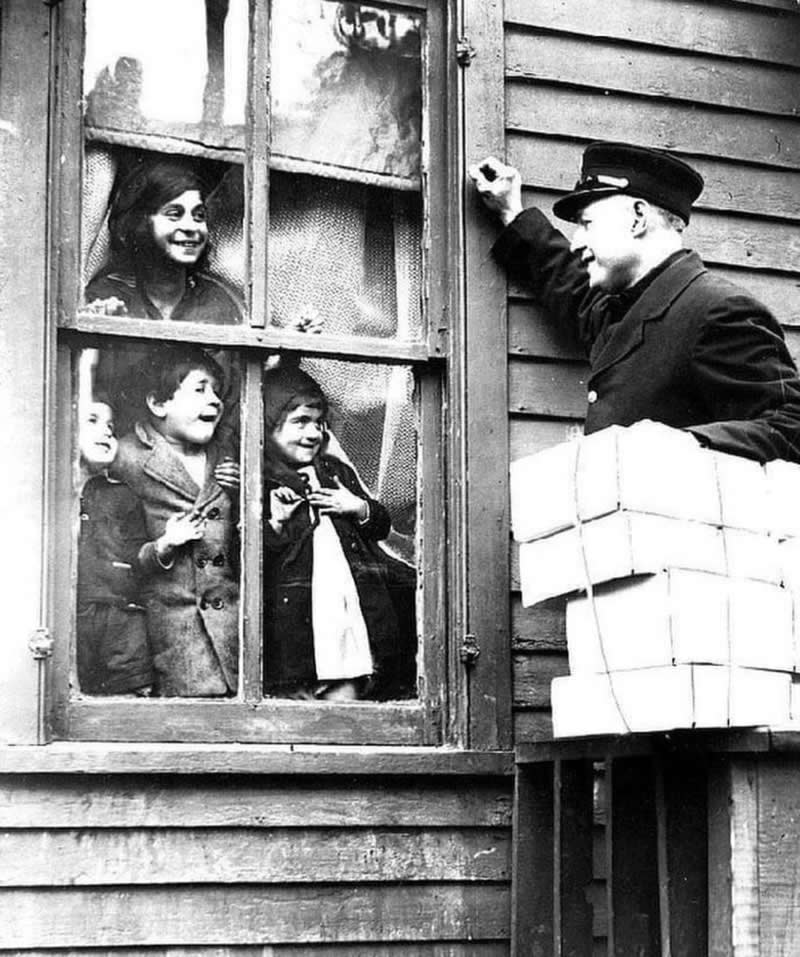
Image Source: Historic Photographs
#28. Photo of the world’s tallest Santa Claus: Jacob Hudson Nacken, a 7′8″ giant from Germany, pictured in New York City, 1949.
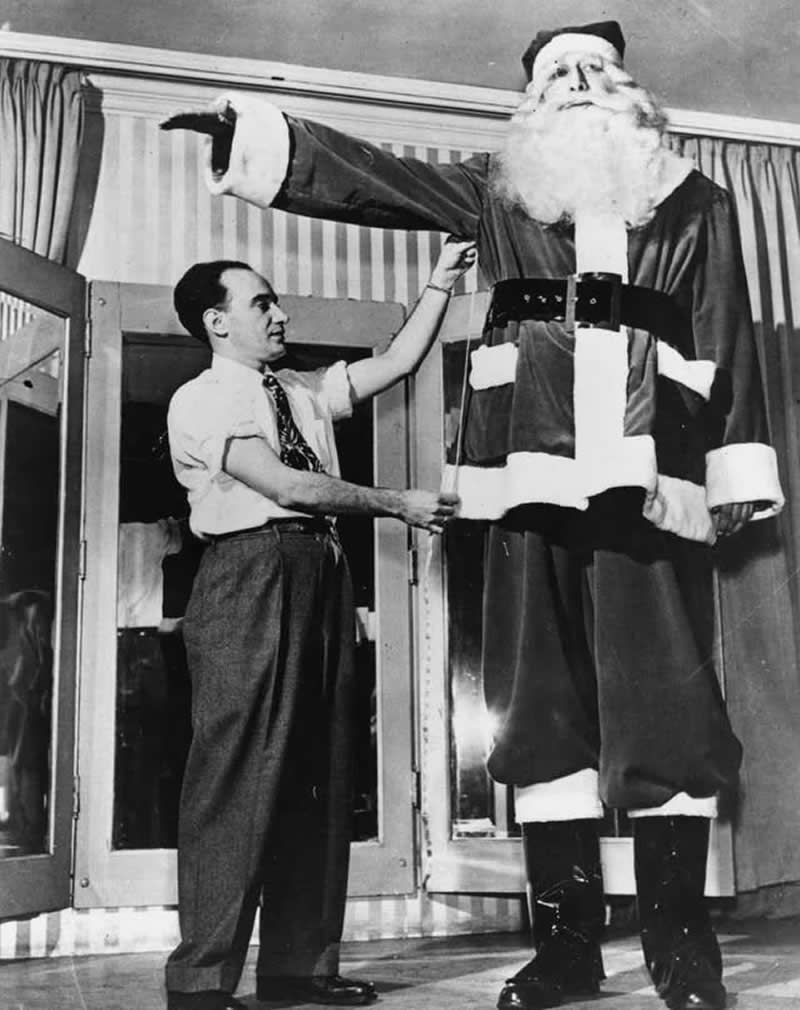
Image Source: Historic Photographs
#29. Hippie with his kid in Amsterdam, 1972. (Photo by Toni Riera)
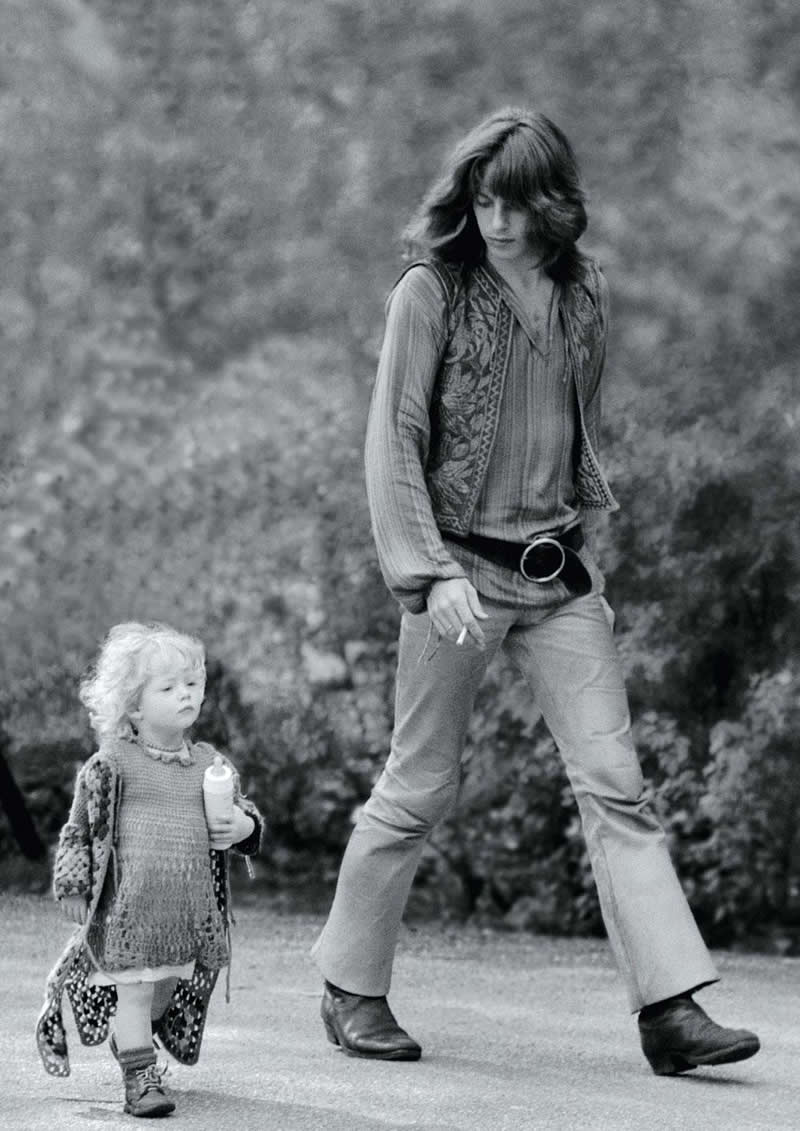
Image Source: Historic Photographs
#30. Free air (and free advice). 1938, Kern County, California. Photo by Dorothea Lange.
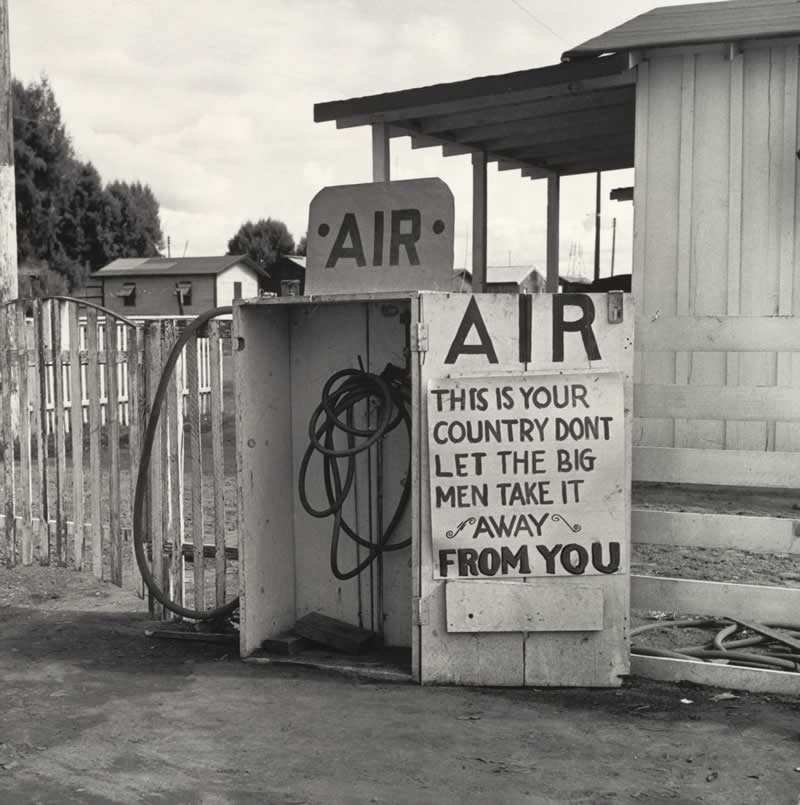
Image Source: Historic Photographs
#31. High-Class Mercedes Fidelity Unit from 1965: A TV, a phone, a mini fridge, and a radio, all in one for your car.
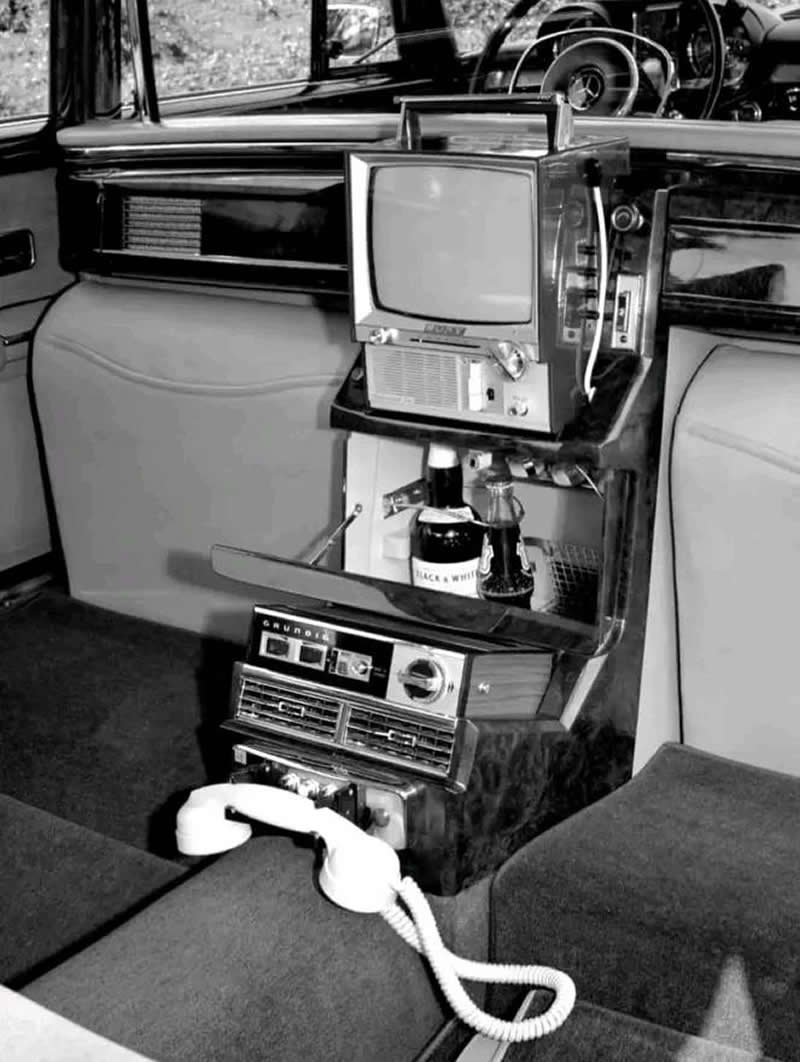
Image Source: Historic Photographs
#32. Marilyn Monroe performing for thousands of American troops in Korea, 1954
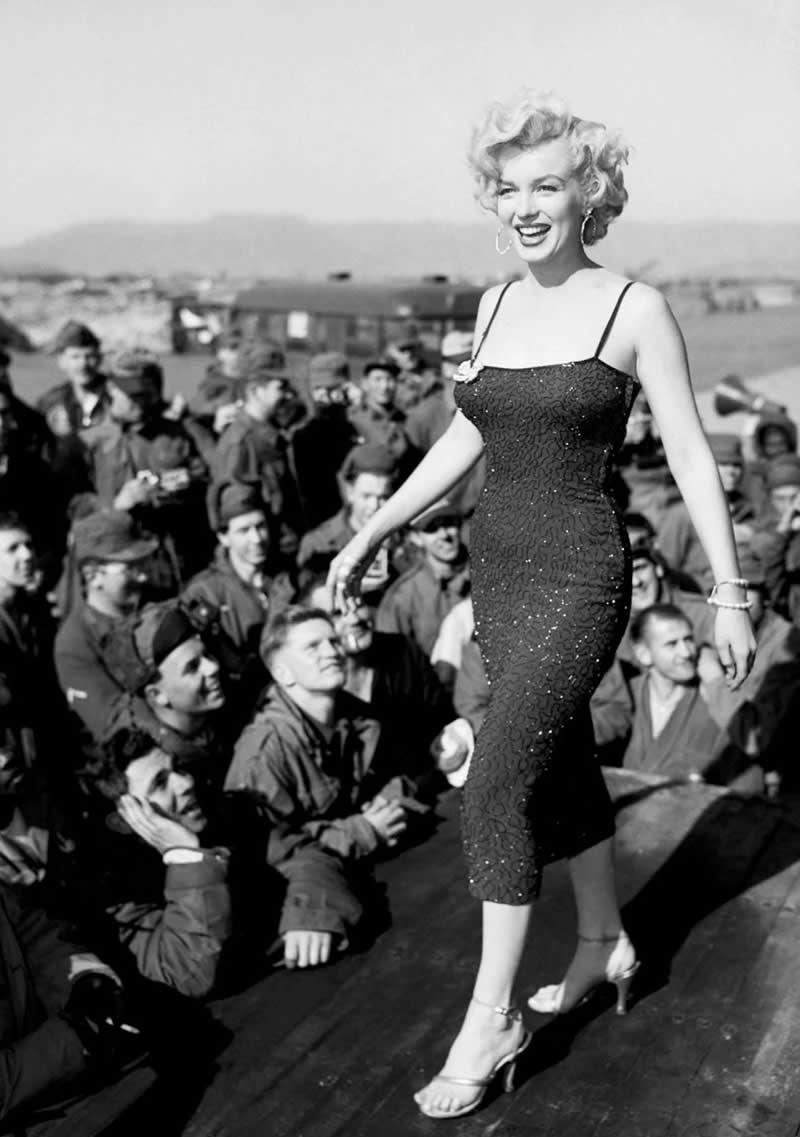
Image Source: Historic Photographs
#33. The war was over. The misery wasn’t. Dresden, 1946.
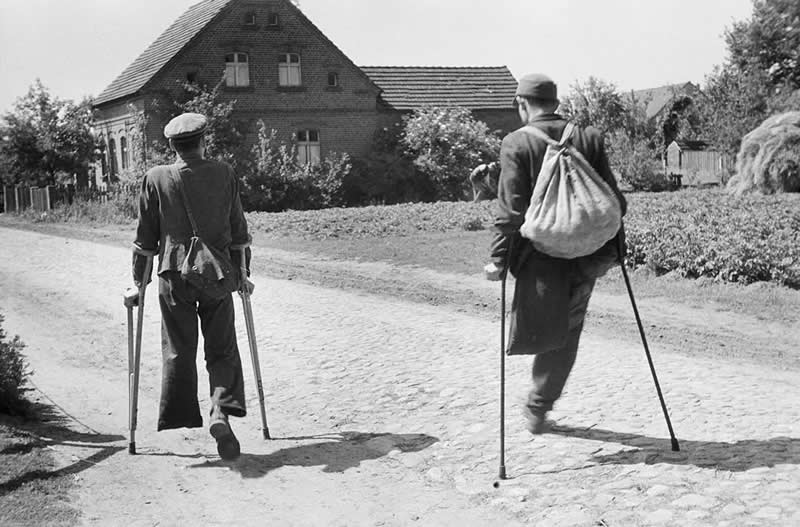
Image Source: Historic Photographs
In Summary
What are unseen historical photos?
- They are rare or lesser-known photographs that capture overlooked moments from the past.
Why are forgotten historical photos important?
- They reveal daily life, human emotion, and untold stories missing from textbooks.
Do these photos include famous people?
- Yes, many show famous figures in candid, unexpected moments.
What time periods do these photos cover?
- They span wars, industrial eras, and everyday life across different historical periods.
Why are most historical photos black and white?
- Early photography technology relied on black-and-white film for clarity and durability.




 English (US) ·