.png)
 6 hours ago
1
6 hours ago
1
There’s a certain kind of silence you only feel, not hear. That’s exactly where Masa lives with her camera. Based in Kyoto, Masa doesn’t chase chaos or crowded moments. She waits. She watches. And when the light finally cuts across concrete just right, she presses the shutter. What comes out isn’t loud street photography—it’s poetic, restrained, and deeply human.
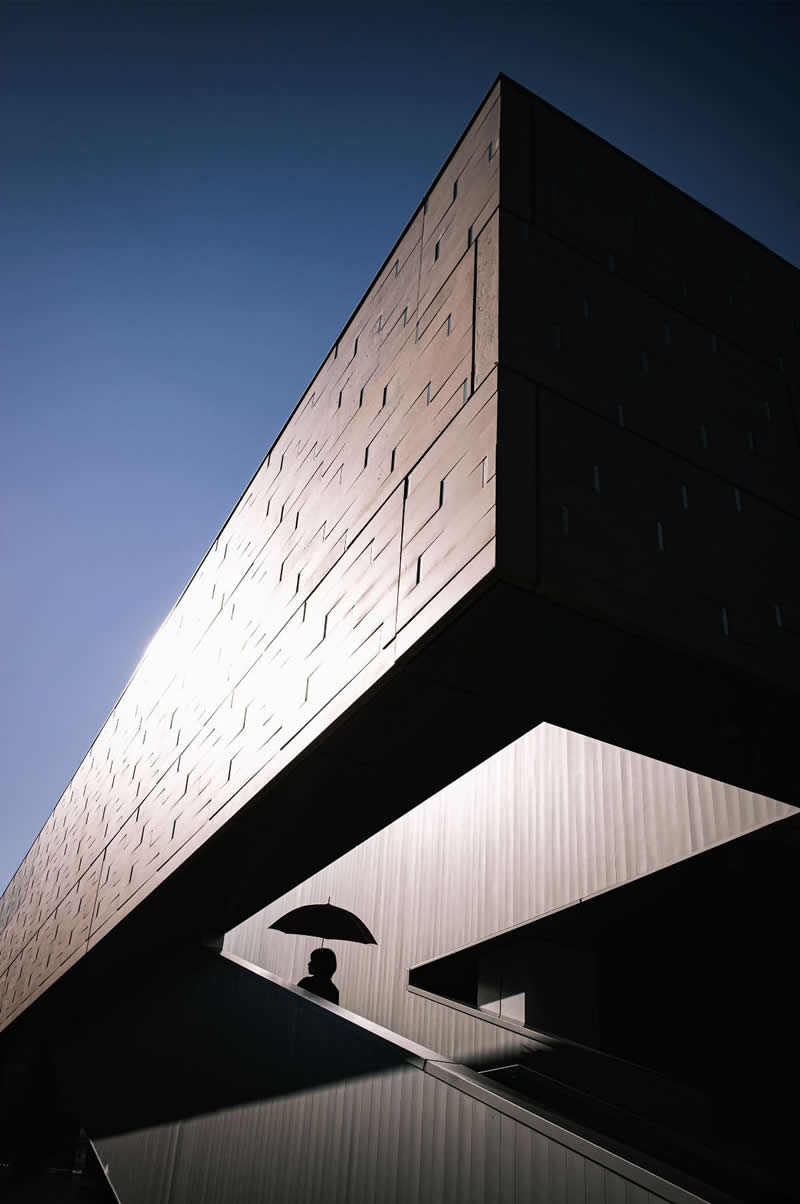
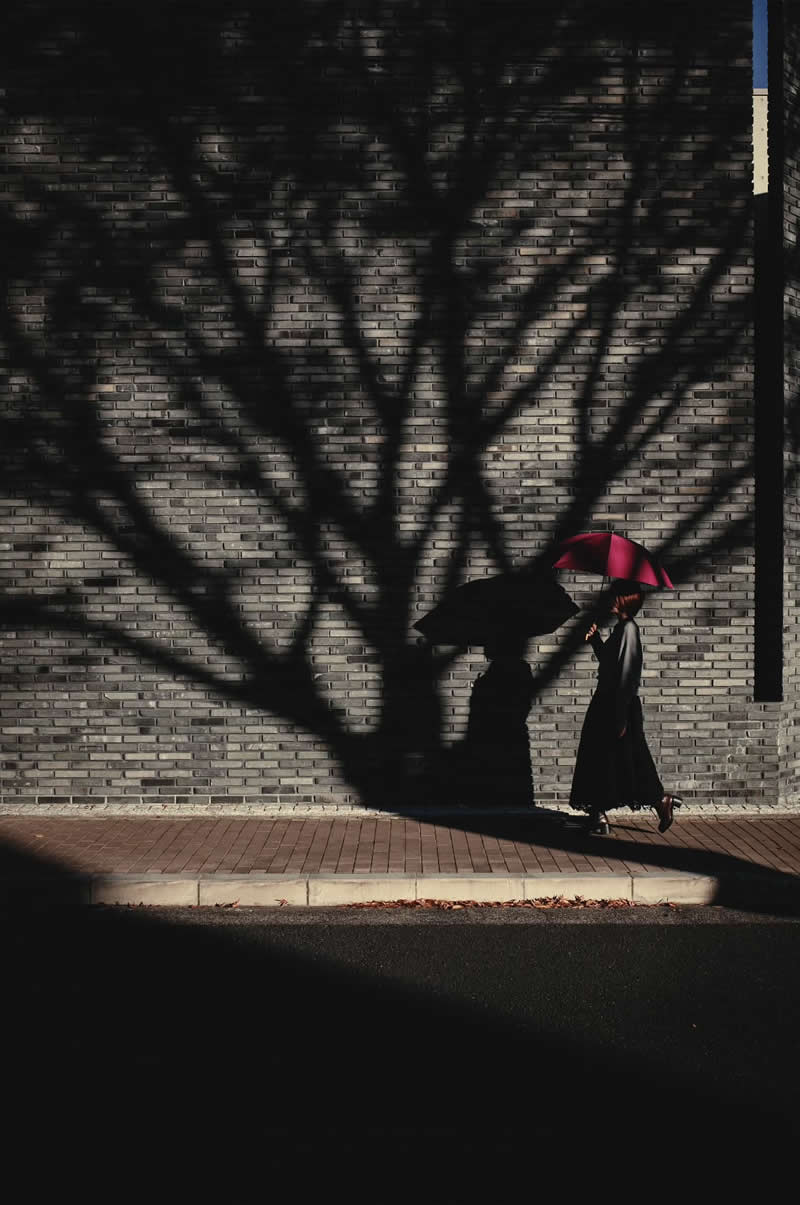
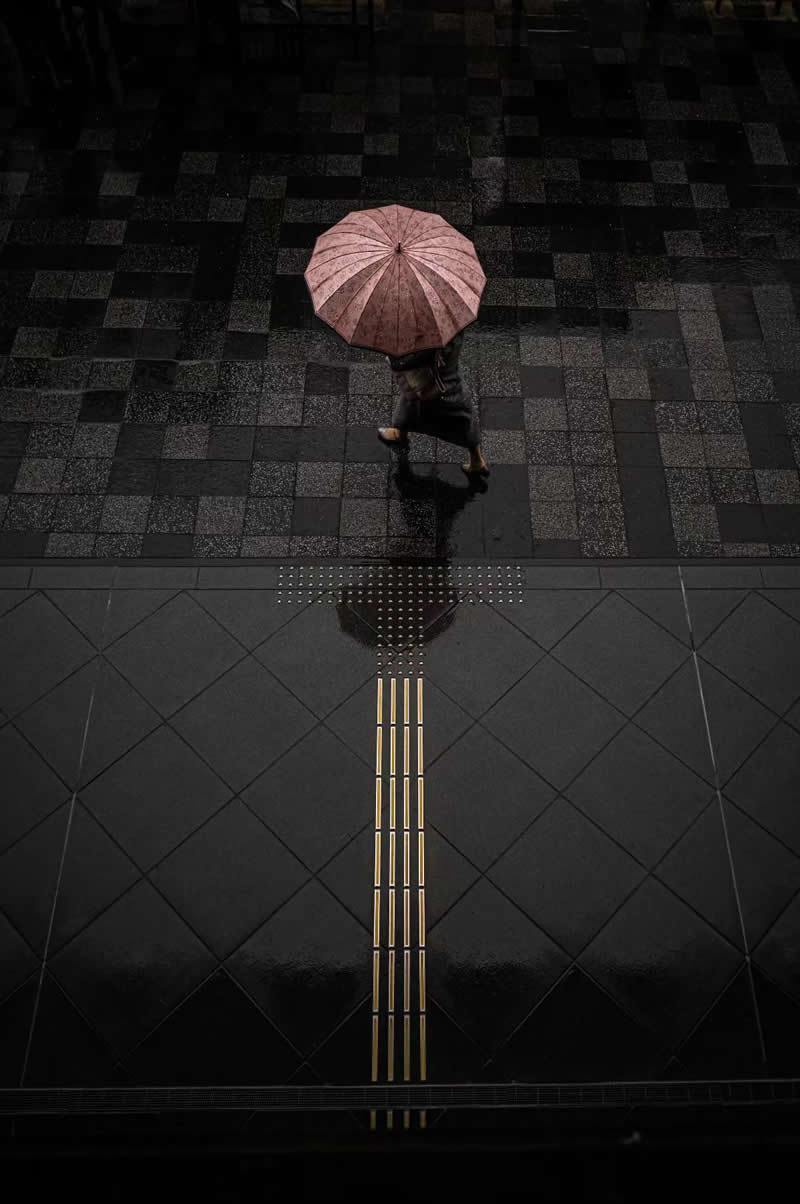
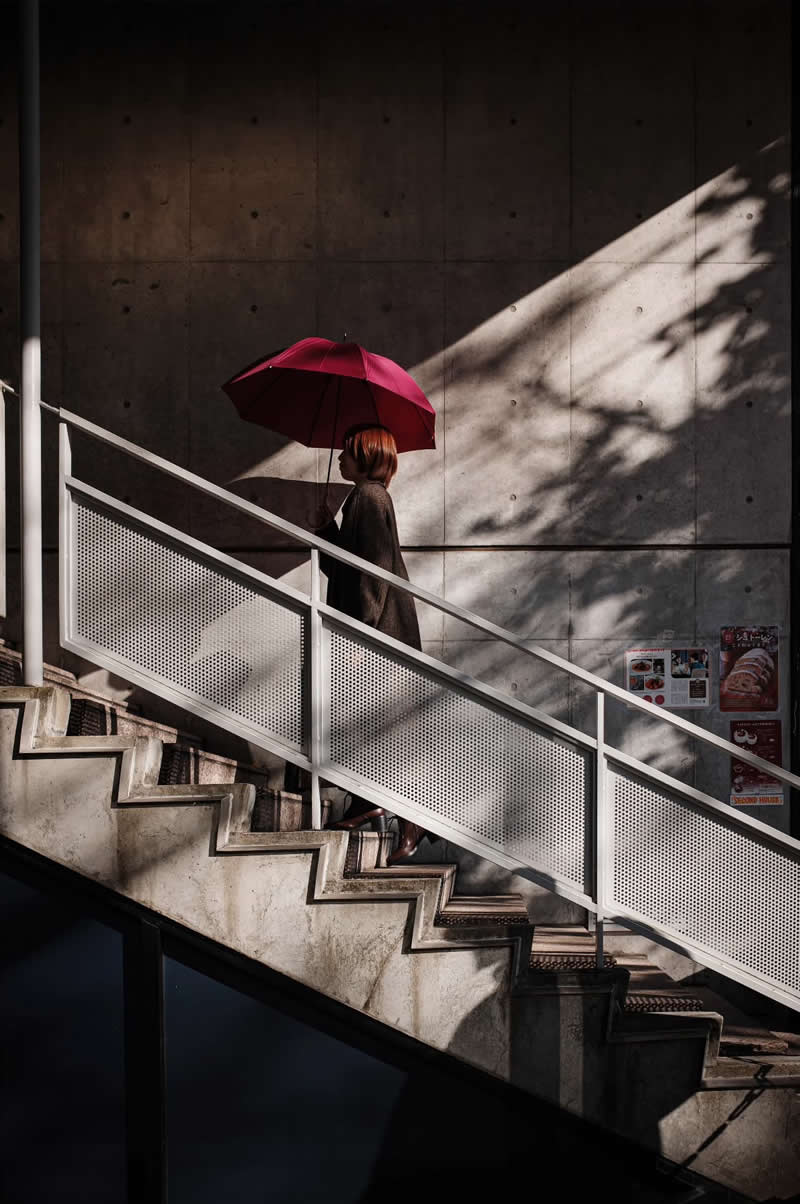
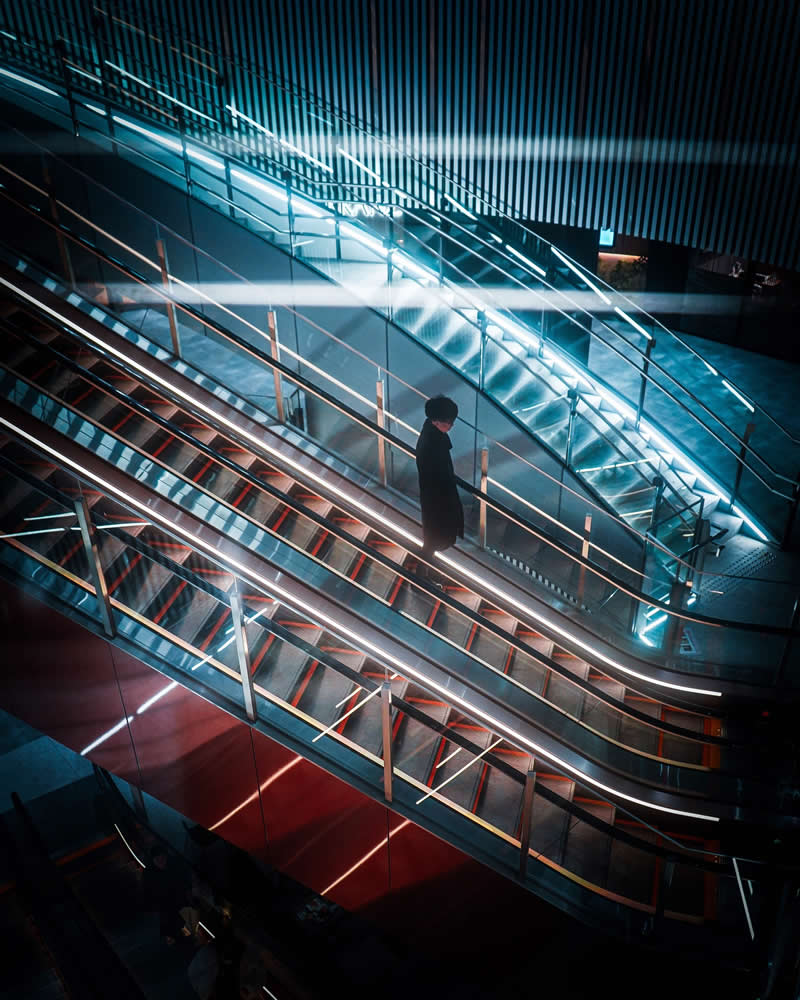
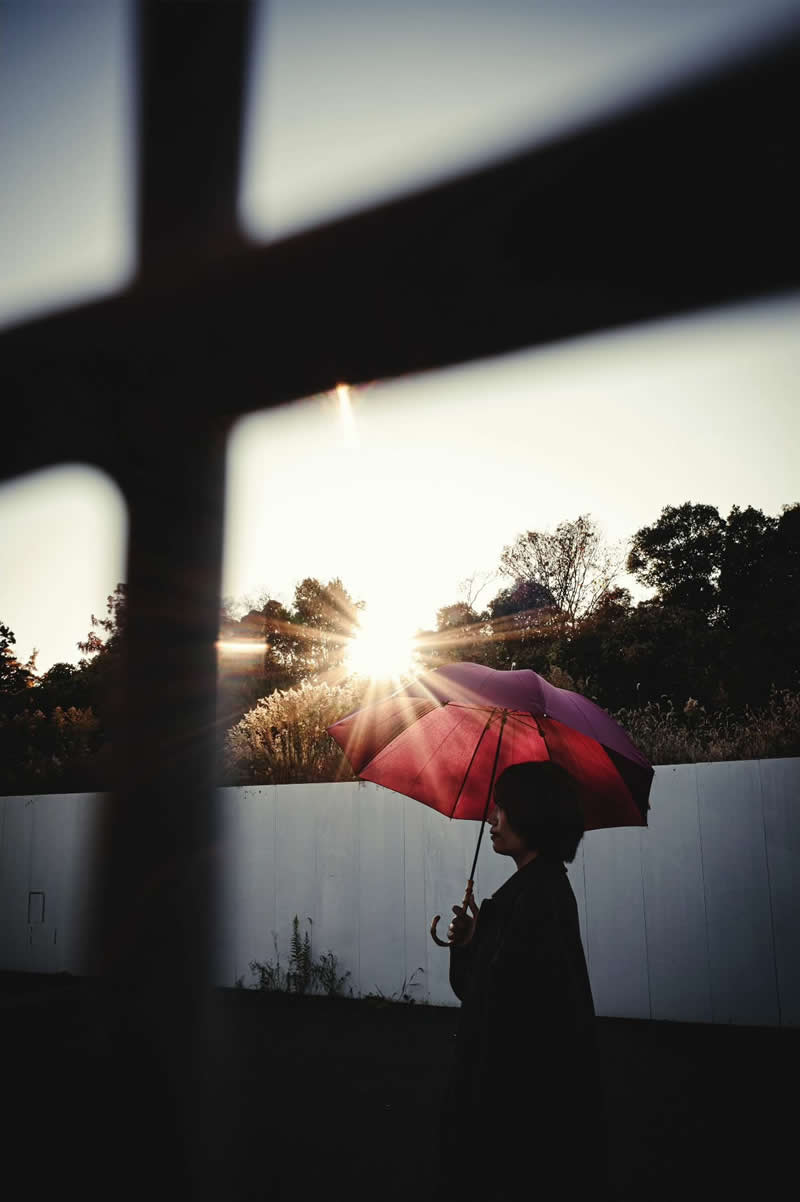
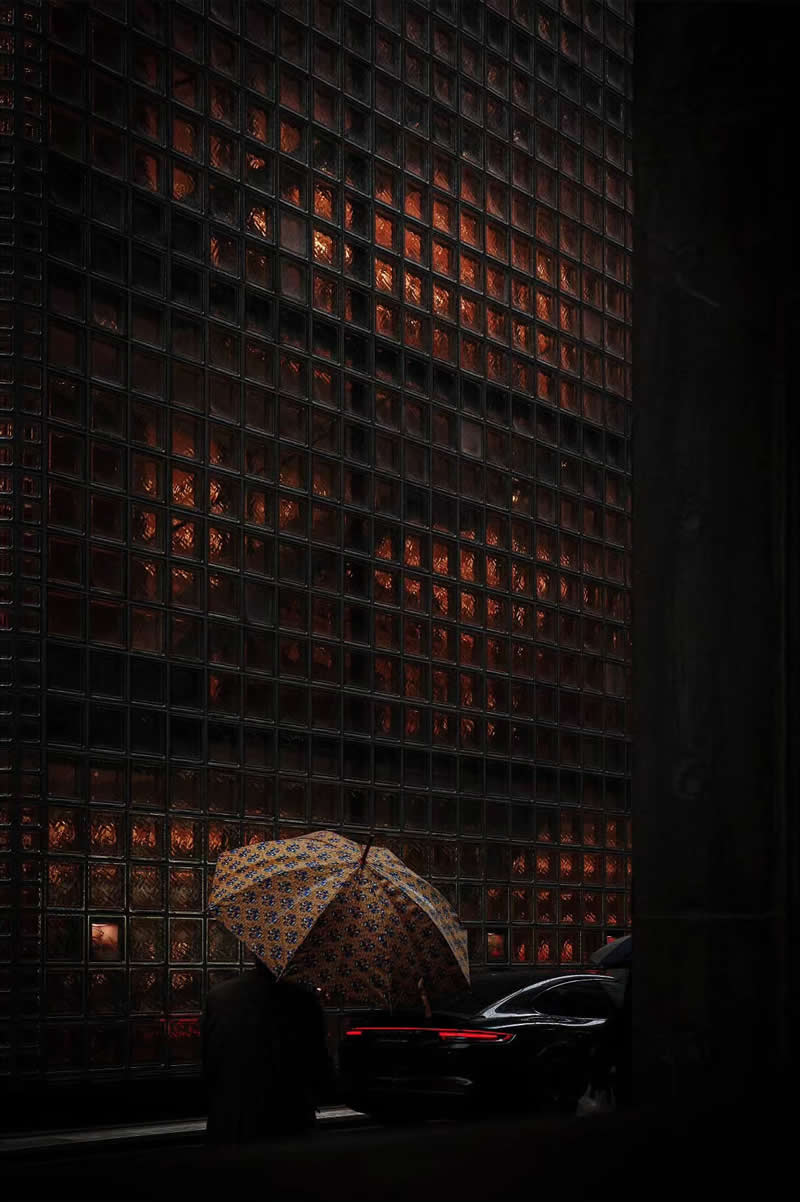
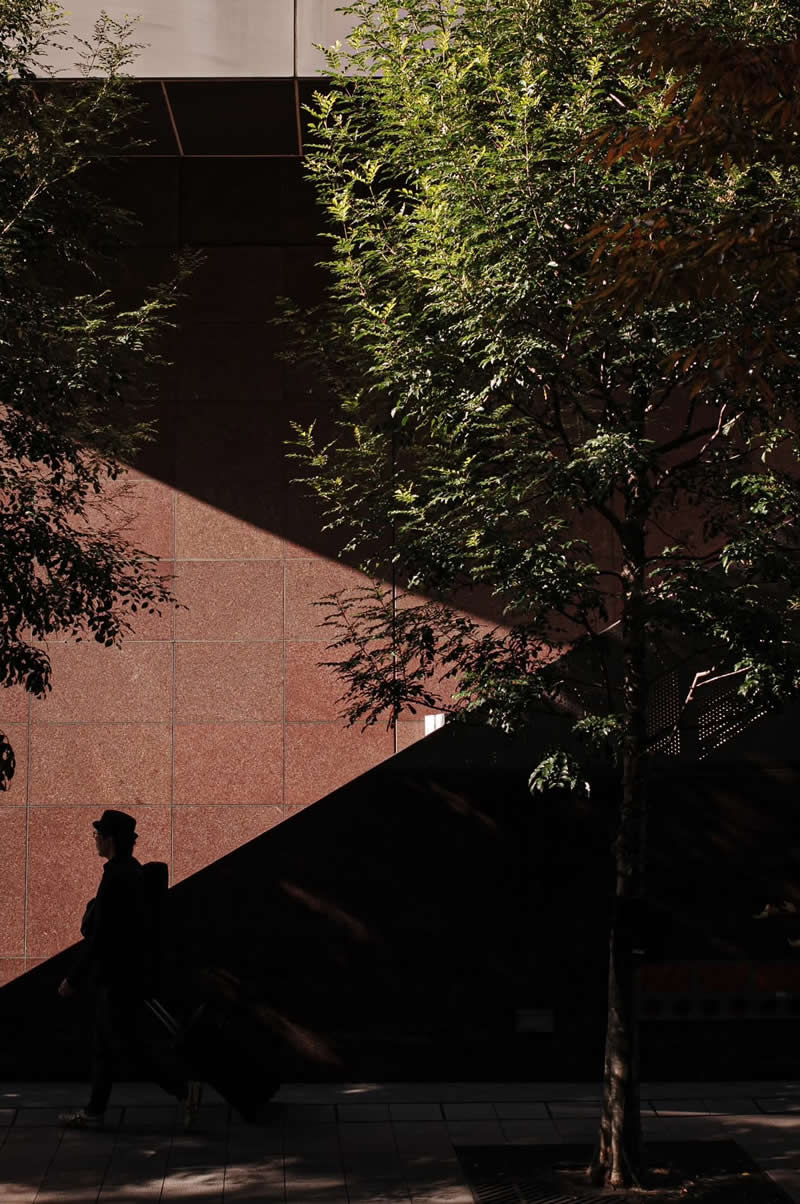
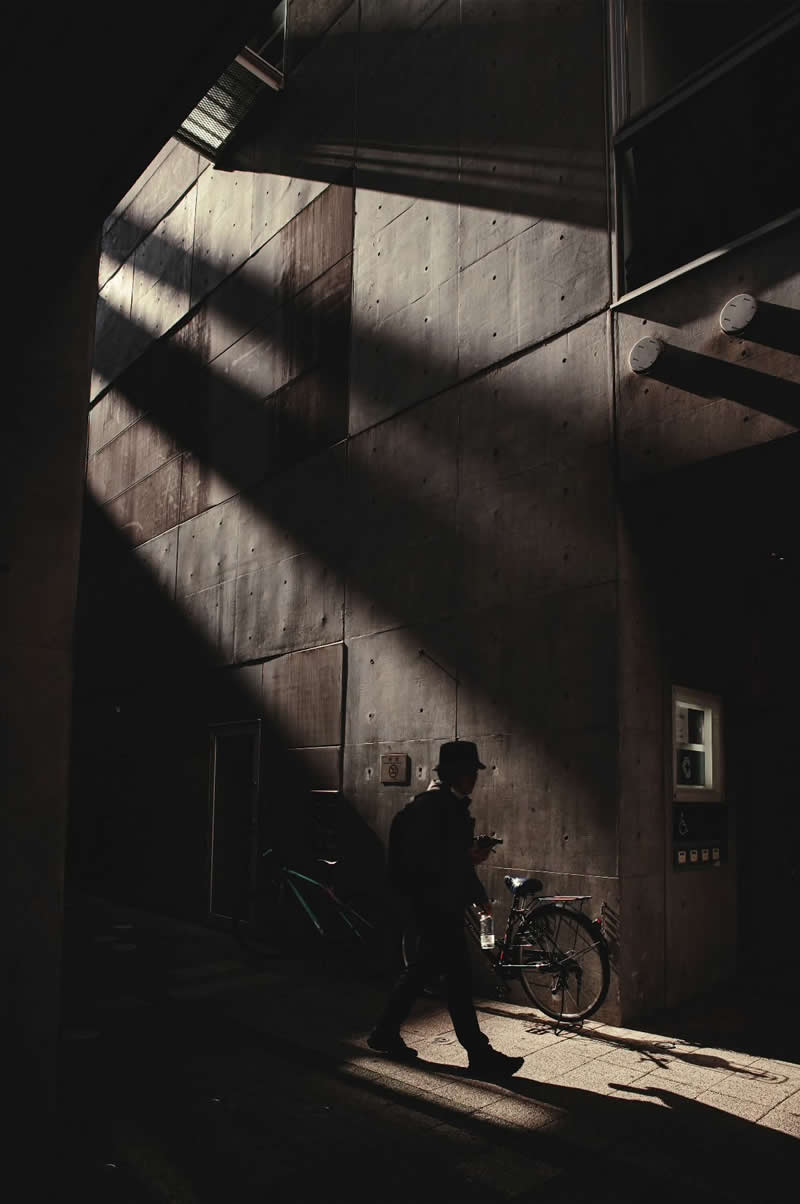
Masa’s minimalist street photos feel like visual whispers. A lone figure walking through a shaft of sunlight. A long shadow stretching across a staircase. An umbrella perfectly slicing through negative space. Her work proves that street photography doesn’t need noise to tell powerful stories. Sometimes, all it takes is one person, one line, and one beam of light.
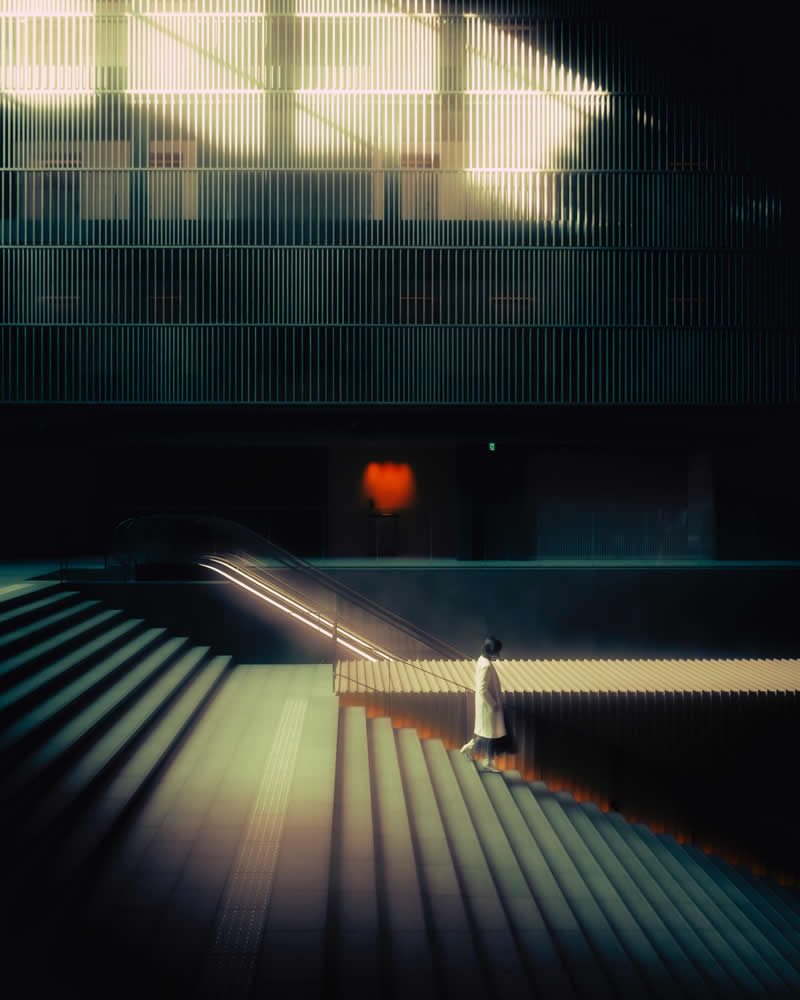
Japanese urban architecture plays a huge role in her storytelling. Clean facades, repeating patterns, sharp angles, and open spaces become more than backgrounds—they’re characters. Masa places her subjects carefully between buildings, stairs, and shadows, letting geometry frame the human presence. The result feels almost cinematic, like a paused scene from a quiet film where nothing is rushed and every detail matters.
Her approach is deeply poetic. You can see it in how she embraces emptiness, how she lets shadows breathe, and how she allows viewers to fill in the emotional gaps themselves. That unique vision has earned her global recognition and led to the publication of her photography book in zine format—a natural extension of her minimalist philosophy.
These 30 street photos aren’t about showing everything. They’re about showing just enough. Enough light to guide the eye. Enough shadow to create mystery. Enough lines to hold the frame together. Masa’s work reminds us that the streets don’t always shout—sometimes, they quietly speak to those willing to slow down and look.
You can find Masa on the Web:
#1
#2
#3

#4
#5
Solitude as the Main Character
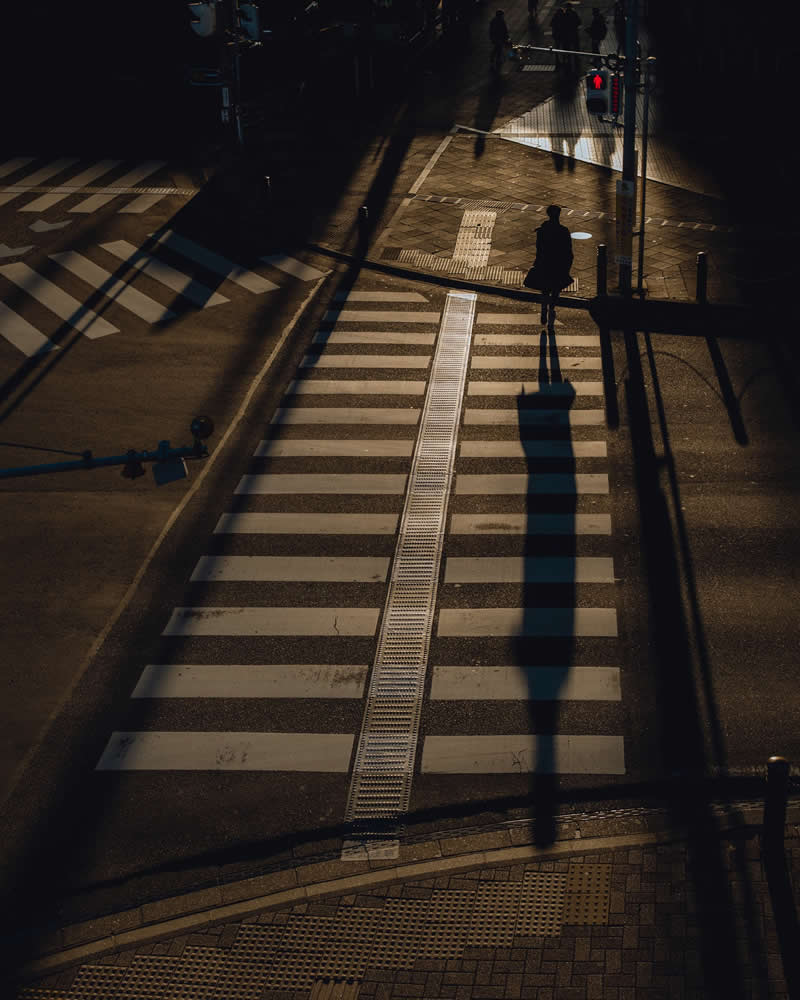
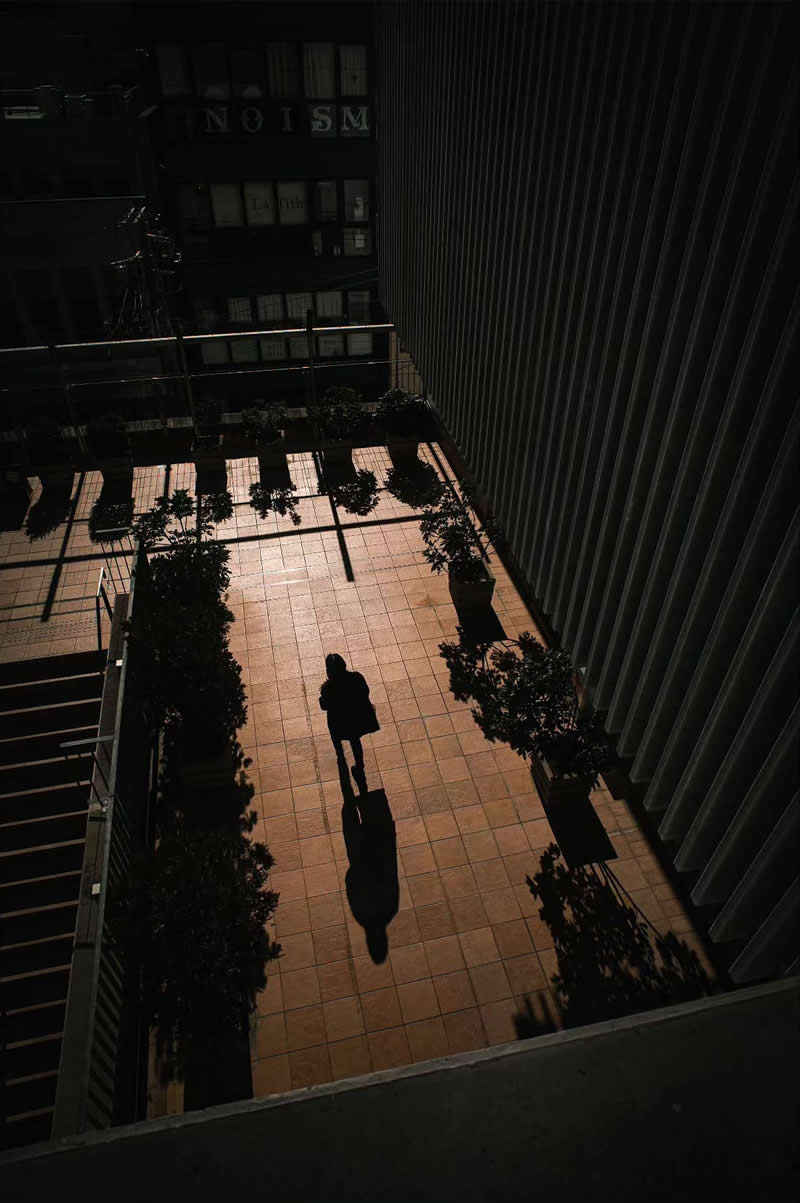
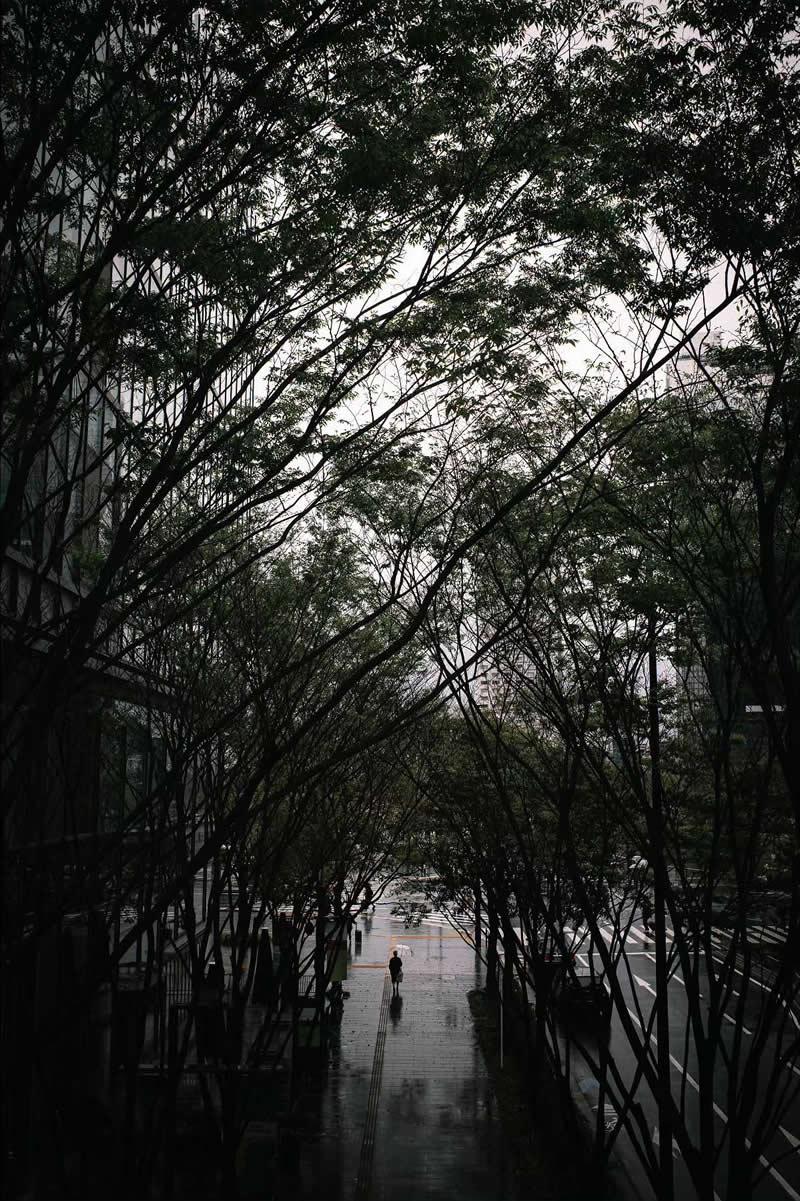
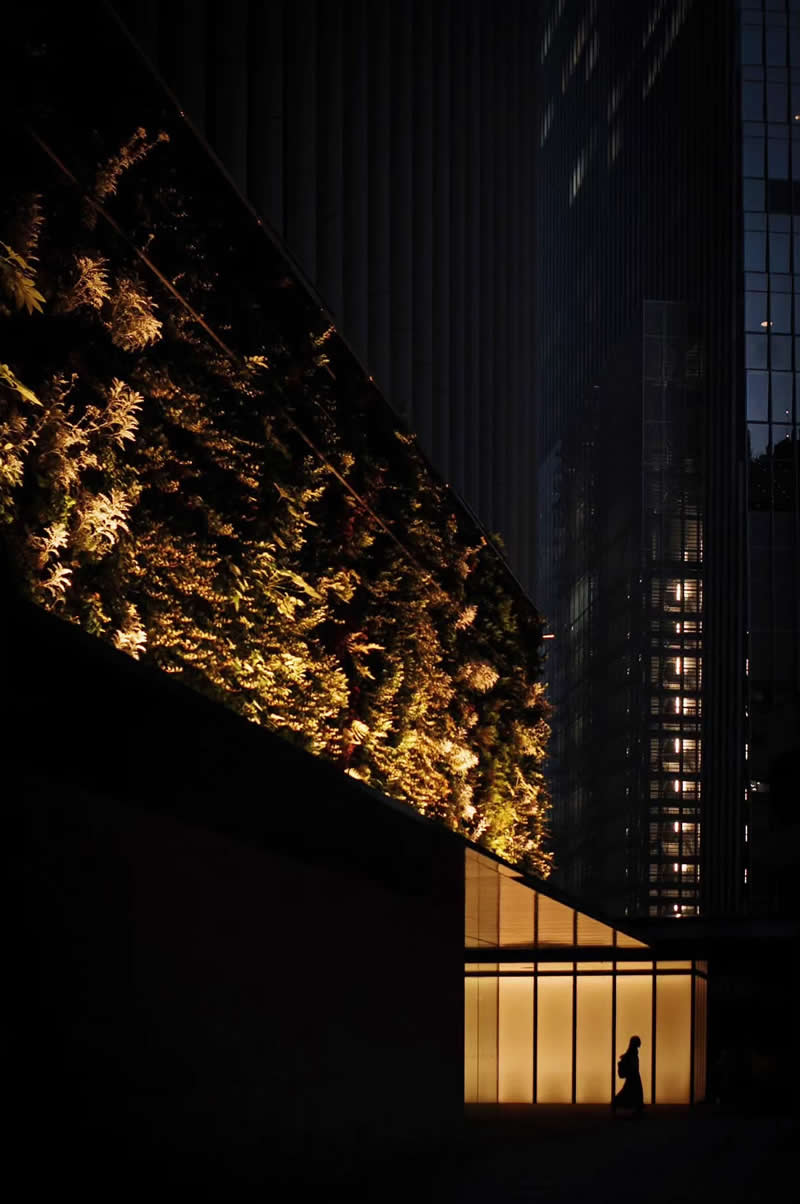
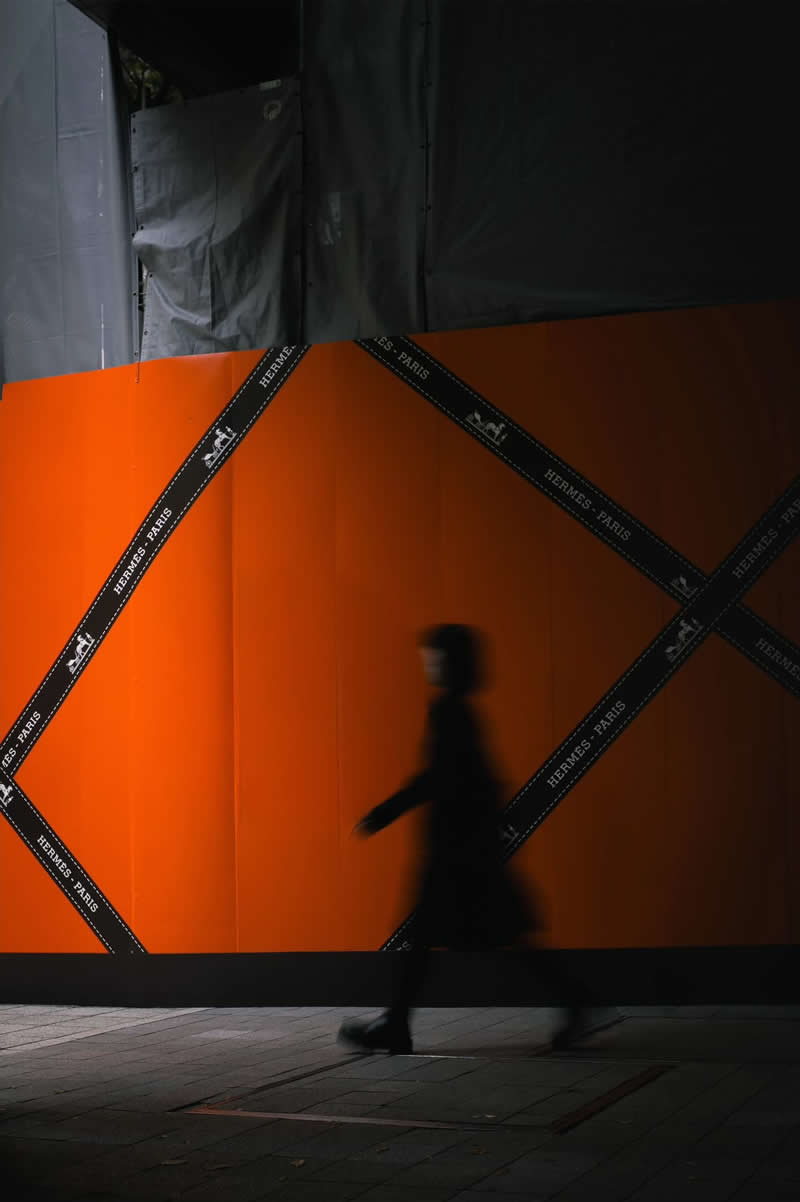
In Masa’s street photography, solitude isn’t a side effect—it’s the star of the show. Her frames often feature a single figure moving through open space, surrounded by architecture that feels both protective and overwhelming. These solitary walkers don’t look lost; they look intentional, as if they belong exactly where they are.
By stripping the scene down to one human presence, Masa lets emotion rise naturally. There’s no forced drama, no exaggerated gestures. Just a person walking through light or shadow, quietly existing. This minimal approach makes the viewer slow down and feel the moment instead of rushing past it.
The solitude in her images reflects modern urban life in Japan—crowded cities filled with people who often move alone. Masa captures that paradox beautifully. Her work shows that loneliness doesn’t always feel heavy; sometimes it feels calm, reflective, and even comforting.
#6
#7
#8
#9
#10
Light and Shadow as Storytellers
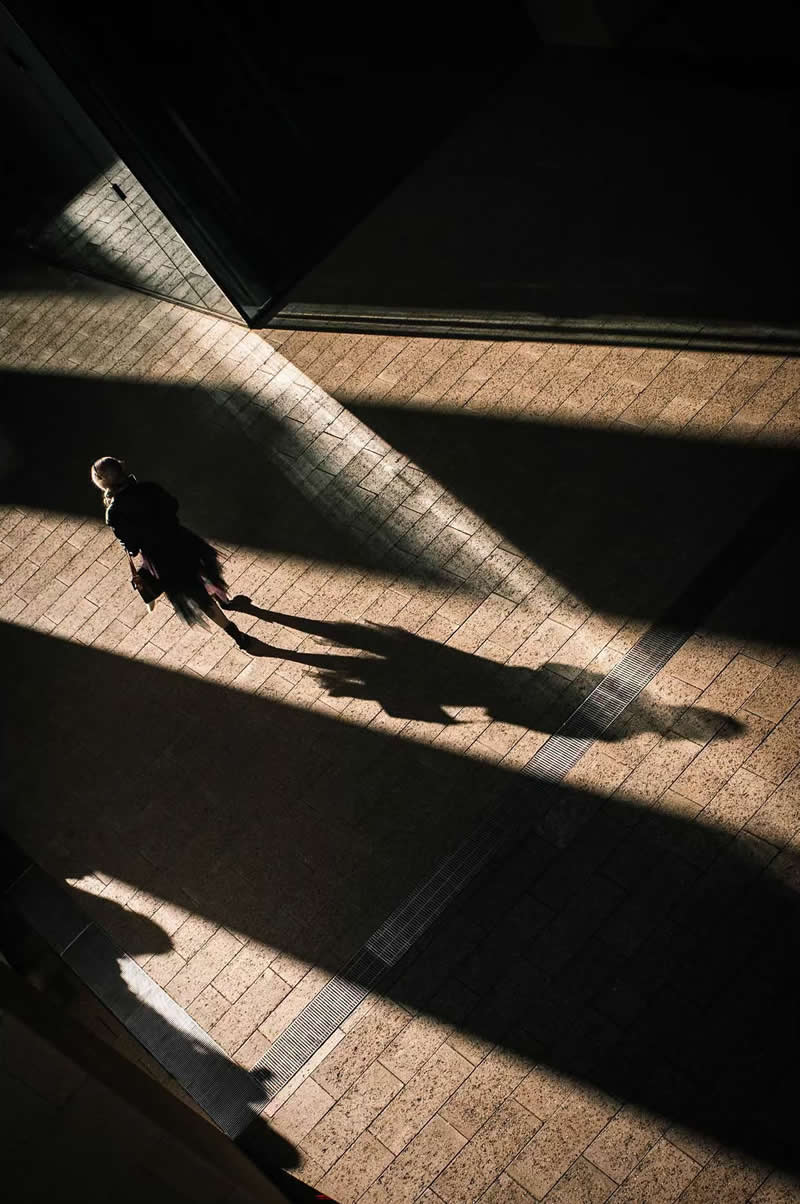
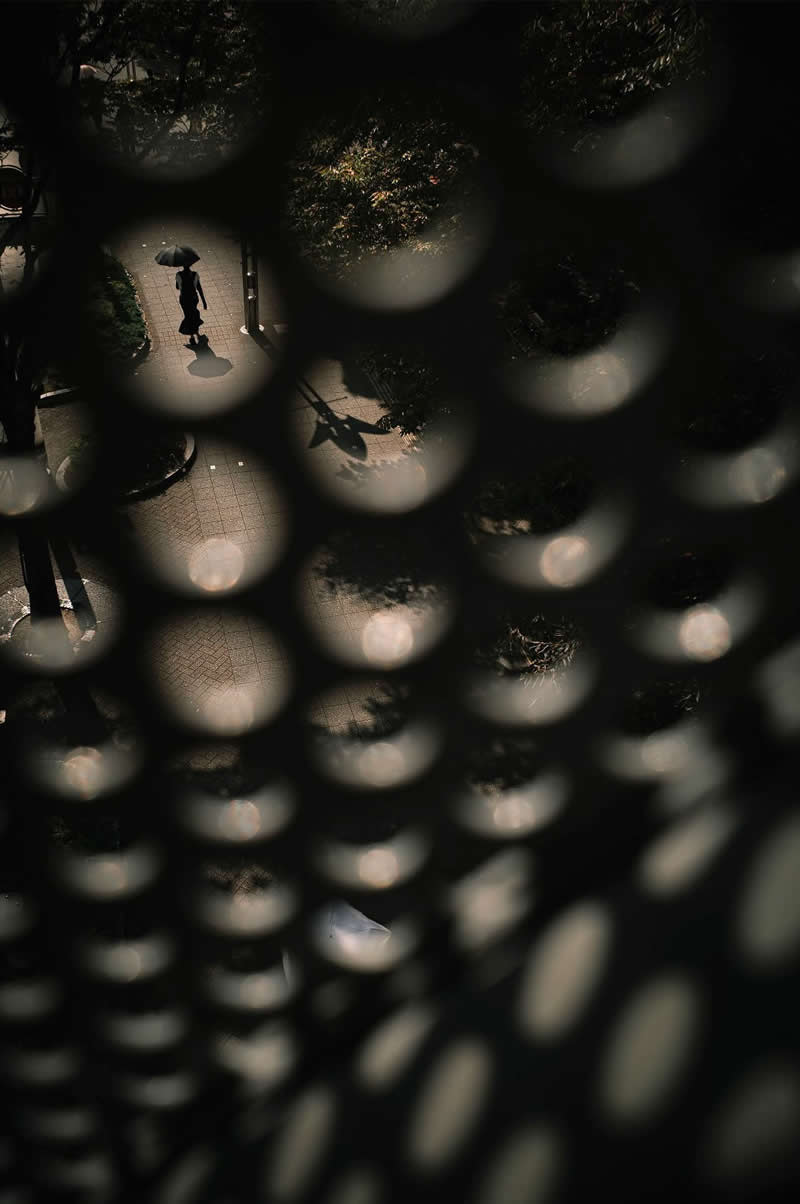
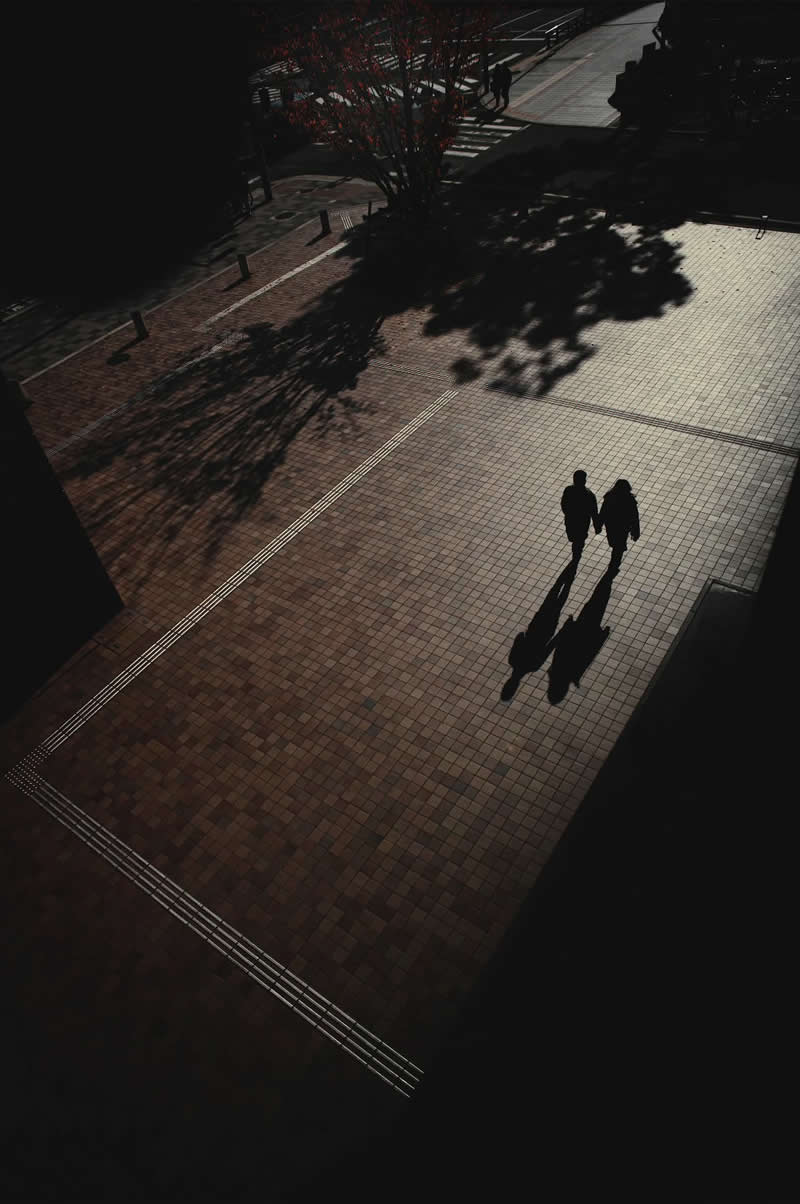
Light isn’t just an element in Masa’s photos—it’s a narrator. She uses strong sunlight to carve shapes into the street, creating bold contrasts that guide the viewer’s eye straight to the subject. Shadows stretch long, wrapping scenes in mystery and mood.
What makes her work stand out is timing. Masa waits for the exact second when a person steps into a beam of light or crosses a shadow line. That precise moment transforms an ordinary walk into a visual story. The contrast between brightness and darkness becomes emotional, not just visual.
Her shadows often feel as important as the people themselves. They add tension, balance, and rhythm to the frame. In a world obsessed with perfect exposure, Masa embraces darkness—and that choice gives her images depth, elegance, and soul.
#11

#12

#13

#14

#15
Geometry Hidden in Plain Sight
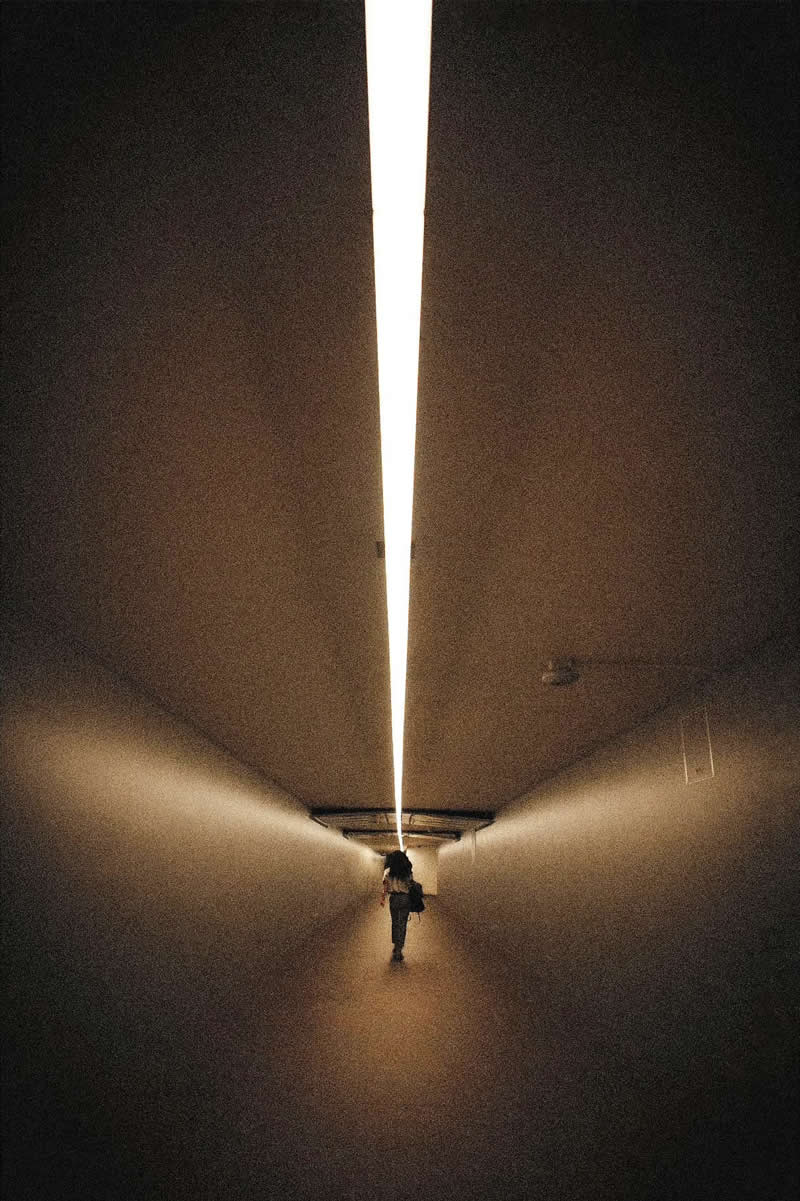
Japanese urban design is clean, sharp, and full of rhythm—and Masa knows exactly how to use it. Staircases, walls, railings, and building edges become graphic elements in her compositions. She aligns her subjects with these structures so everything feels intentional and balanced.
Lines play a massive role in her storytelling. Vertical lines emphasize isolation. Diagonal lines create movement. Repeating patterns bring calm order to the frame. Nothing feels accidental, yet nothing feels staged.
What’s impressive is how natural it all looks. Masa doesn’t force geometry; she discovers it. Her eye finds beauty in everyday structures most people walk past without noticing. Through her lens, urban spaces become abstract canvases where humans briefly appear, then disappear—leaving behind perfect visual harmony.
#16
#17
#18
#19
#20
Minimalism That Feels Emotional
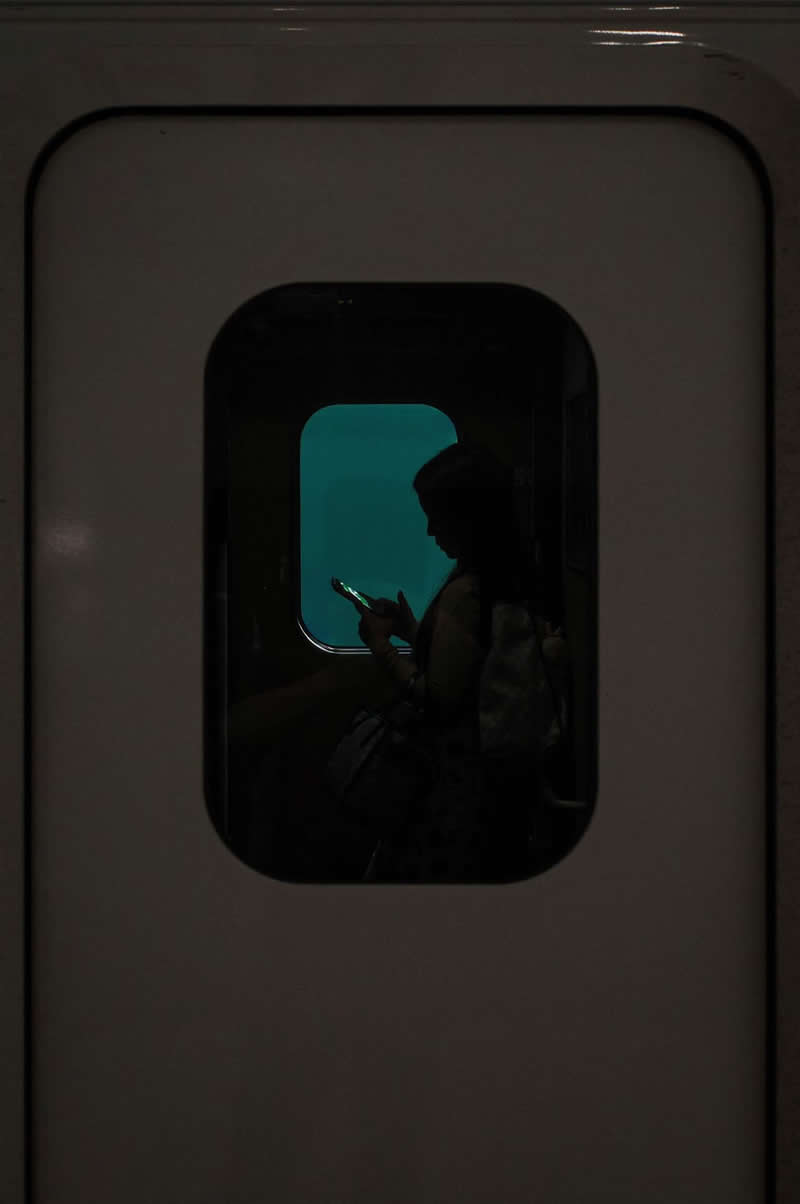
Minimalism can sometimes feel cold, but Masa flips that idea on its head. Her clean frames are packed with emotion, even when they include very little. By removing distractions, she allows small details—like posture, direction, or shadow length—to carry emotional weight.
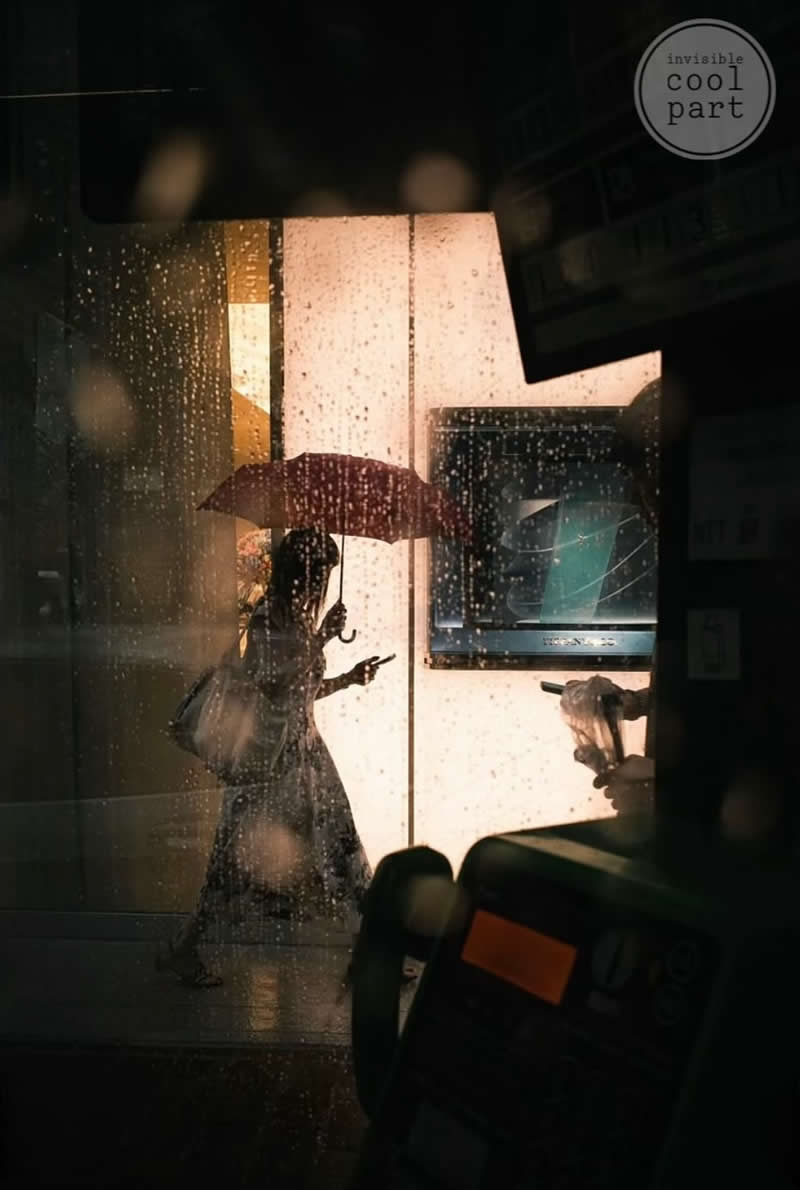
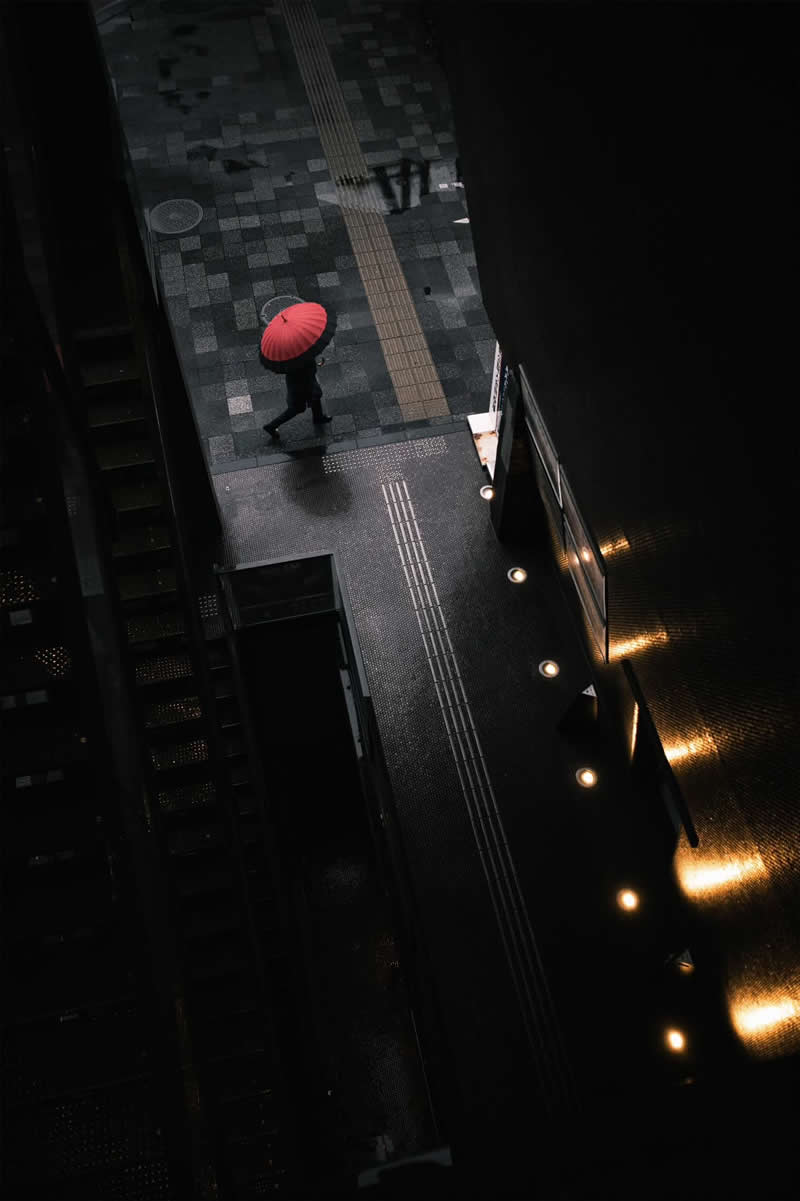
An umbrella tilted just right. A figure pausing mid-step. A shadow cutting across the frame like a quiet question. These subtle elements make her images feel deeply human. You’re not told what to feel—you’re invited to feel something.
This emotional minimalism is what makes her work so inspiring. It proves that powerful street photography doesn’t need complexity. It needs clarity, patience, and a strong point of view. Masa’s photos stay with you because they leave space for your own thoughts to move in.
#21

#22
#23
#24
#25
A Poetic Vision Recognized Worldwide
Masa’s unique way of seeing the streets has earned her global recognition. Her work has traveled beyond Japan, resonating with viewers who appreciate subtle storytelling and visual calm. Publishing her photography as a zine feels like the perfect choice—intimate, focused, and free from excess.
Her poetic approach sets her apart in a genre often dominated by chaos and confrontation. Masa shows that street photography can be quiet, respectful, and deeply thoughtful. She doesn’t interrupt the street—she listens to it.
As minimalist street photography continues to grow in popularity, Masa stands out as an inspiring talent who stays true to her vision. Her images don’t chase trends; they create atmosphere. And in doing so, they remind photographers everywhere that sometimes the most powerful stories are told in whispers.
#26

#27

#28
#29
#30
In Summary
Who is Masa?
- Masa is a Kyoto-based Japanese street photographer known for minimalist compositions, strong geometry, and poetic use of light and shadow.
What makes Masa’s street photography unique?
- Her work focuses on solitude, clean lines, long shadows, and urban architecture, creating calm yet emotional street scenes.
Where are Masa’s photos mostly taken?
- Most of her street photographs are captured in Kyoto and other Japanese urban environments.
What themes appear most in her work?
- Solitary figures, umbrellas, staircases, long shadows, architectural lines, and minimalist urban spaces.
Has Masa published her work?
- Yes, she has published her photography in a zine format, reflecting her minimalist and intimate storytelling style.





 English (US) ·