.png)
 6 days ago
16
6 days ago
16
Network-attached storage is like mattress shopping for creators: incredibly useful, rarely exciting. But after trying the Zettlab D6, I came away feeling like this is one of the first pre-built NAS products that genuinely tries to be something more than a black box humming in the corner.
Zettlab is aiming at creators who care about both hardware quality and how they interact with their data. The Zettlab D6 blends thoughtful industrial design, a refined UI, and an ambitious take on local, no-subscription AI. It does not get everything right immediately, and it is very much a product still coming together, but it left a strong impression.
Build Quality and Design
The first thing that struck me about the D6 was how polished the hardware feels. The chassis is solid and heavy, with high-quality materials used throughout. The drive cages are easily the nicest I have ever used in any product, NAS or desktop. They slide smoothly, feel robust, and are tool-less, thanks to a convenient locking button. Even the dust filter is a rigid perforated metal panel rather than the flimsy mesh typical of computer cases.
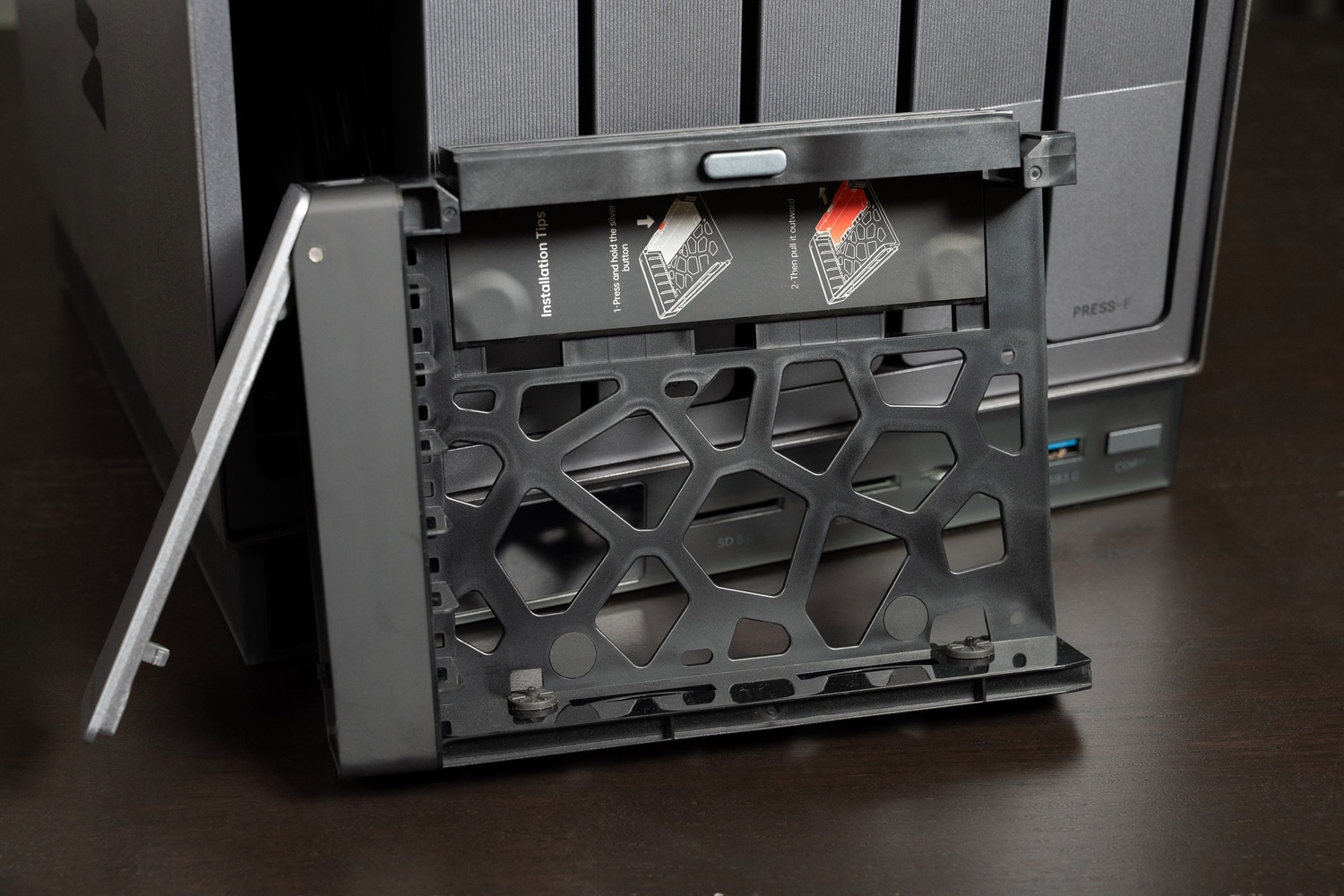
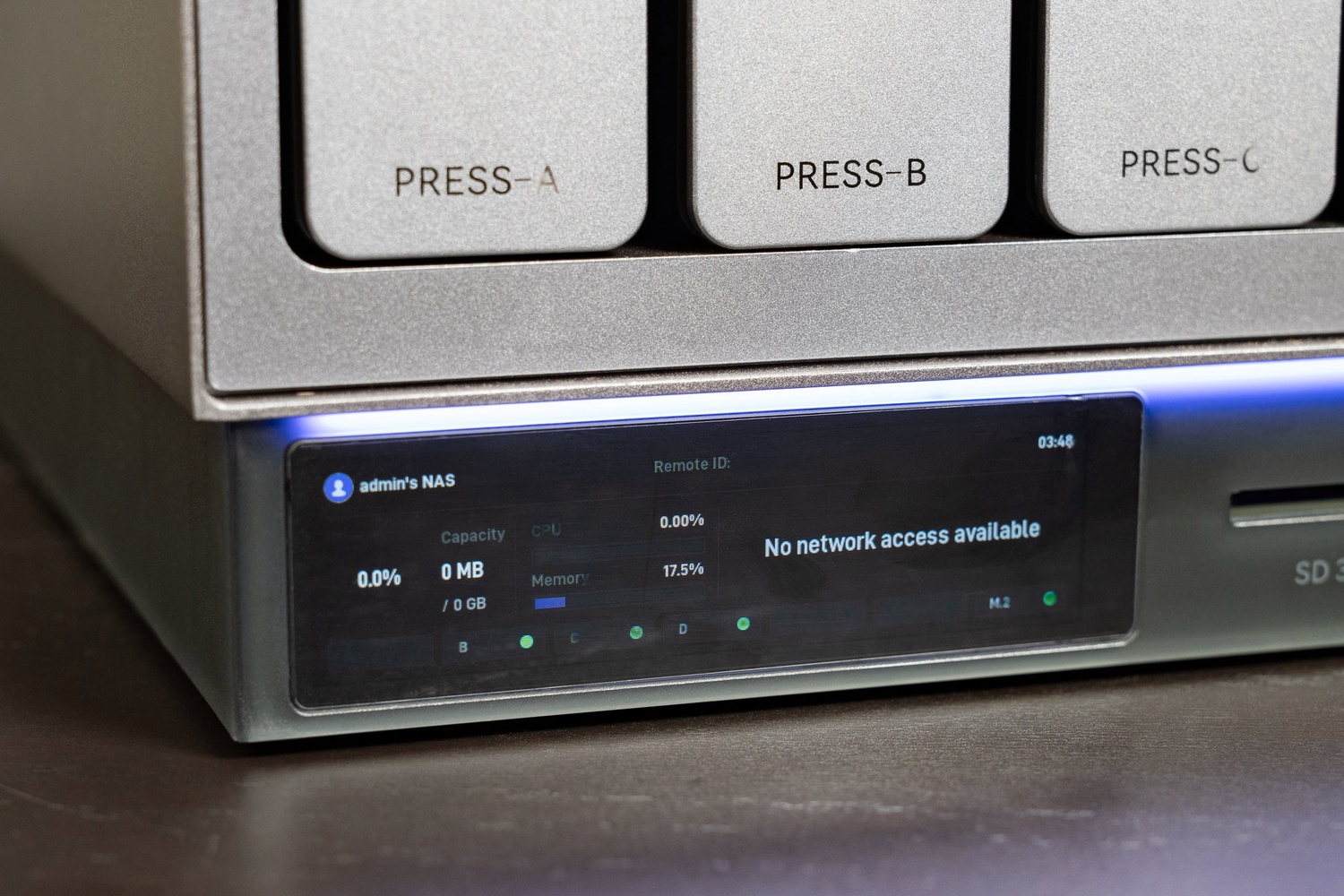
There is a level of care here that reminds me of working with an Apple or DJI product. Small details feel considered rather than cost-cut. The front LCD screen isn’t a gimmick, either. It displays system information in a clean, tasteful UI that makes setup and monitoring easy.
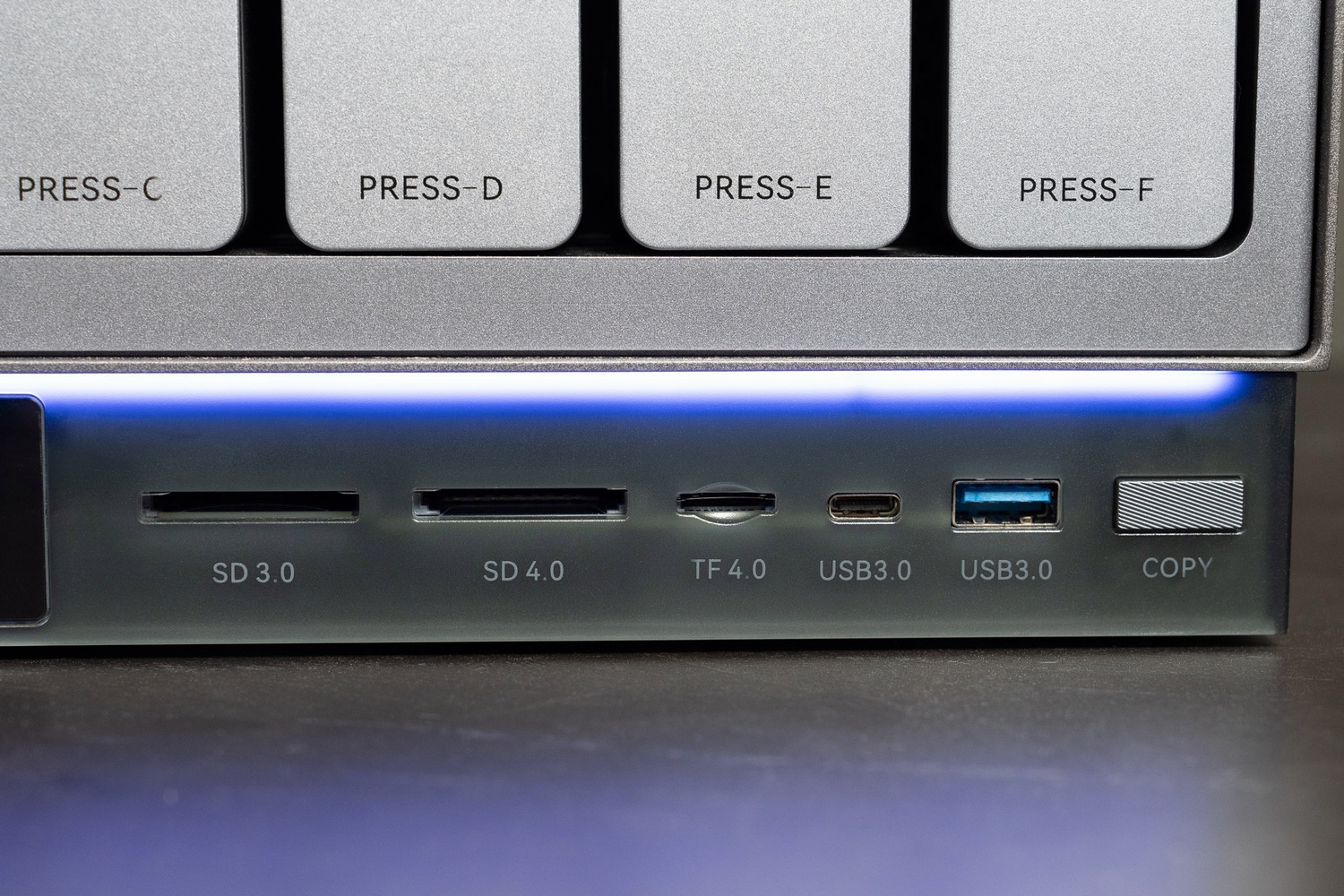
The integrated RGB strip is fully controllable. You can turn it off entirely, or dial in something understated that gives the unit a more premium presence than the typical anonymous NAS enclosure—nice if it’s sitting out on a desk or media center.
From a practical standpoint, the front-facing ports and card readers are very useful for photographers and videographers who regularly ingest media. Popping in an SD card and initiating a copy workflow feels natural, and it reinforces that this device was designed with creators in mind. The D6 features:
-
Two SD card readers
-
One microSD card reader
While you’ll still need to do some more work to integrate this copy workflow with something like Adobe Lightroom, it can be a great option for an initial card backup or for your family’s photos.
Hardware and Performance
The D6 I tested is the midrange model, featuring:
-
Six drive bays
-
One NVMe slot
-
A Rockchip processor paired with 16 GB of non-upgradable RAM
On paper, this is not the most exciting specification sheet, especially compared to the Ultra models in Zettlab’s lineup, but it performed better than I expected and nailed its intended role.
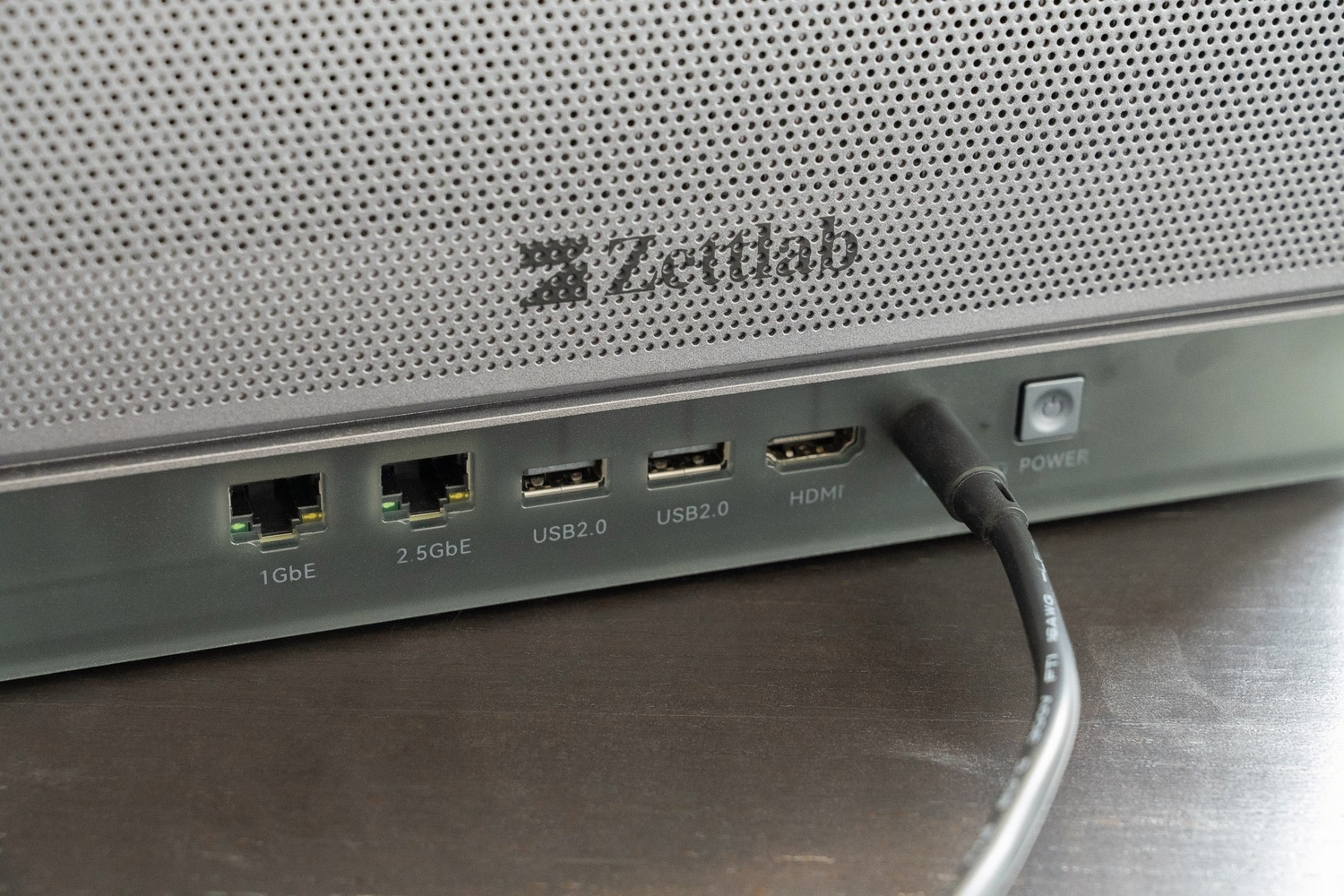
For raw file serving, the D6 had no trouble saturating its 2.5 GbE port using a handful of relatively modest WD Red hard drives. Transfers were consistent, and I never saw ZettOS UI slowdowns, even while moving large amounts of data in the background. Multiple app windows, file operations, and system monitoring all remained responsive.
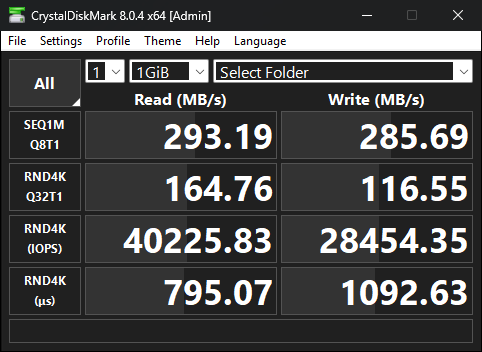
The NVMe drive implementation feels a bit weak: I didn’t find great support in ZettOS for caching, and when used as a separate pool, I ended up equally bottlenecked by the 2.5 GbE port. Inclusion of NVMe support is always nice, so I’ll be curious to see how this is utilized in future software revisions.
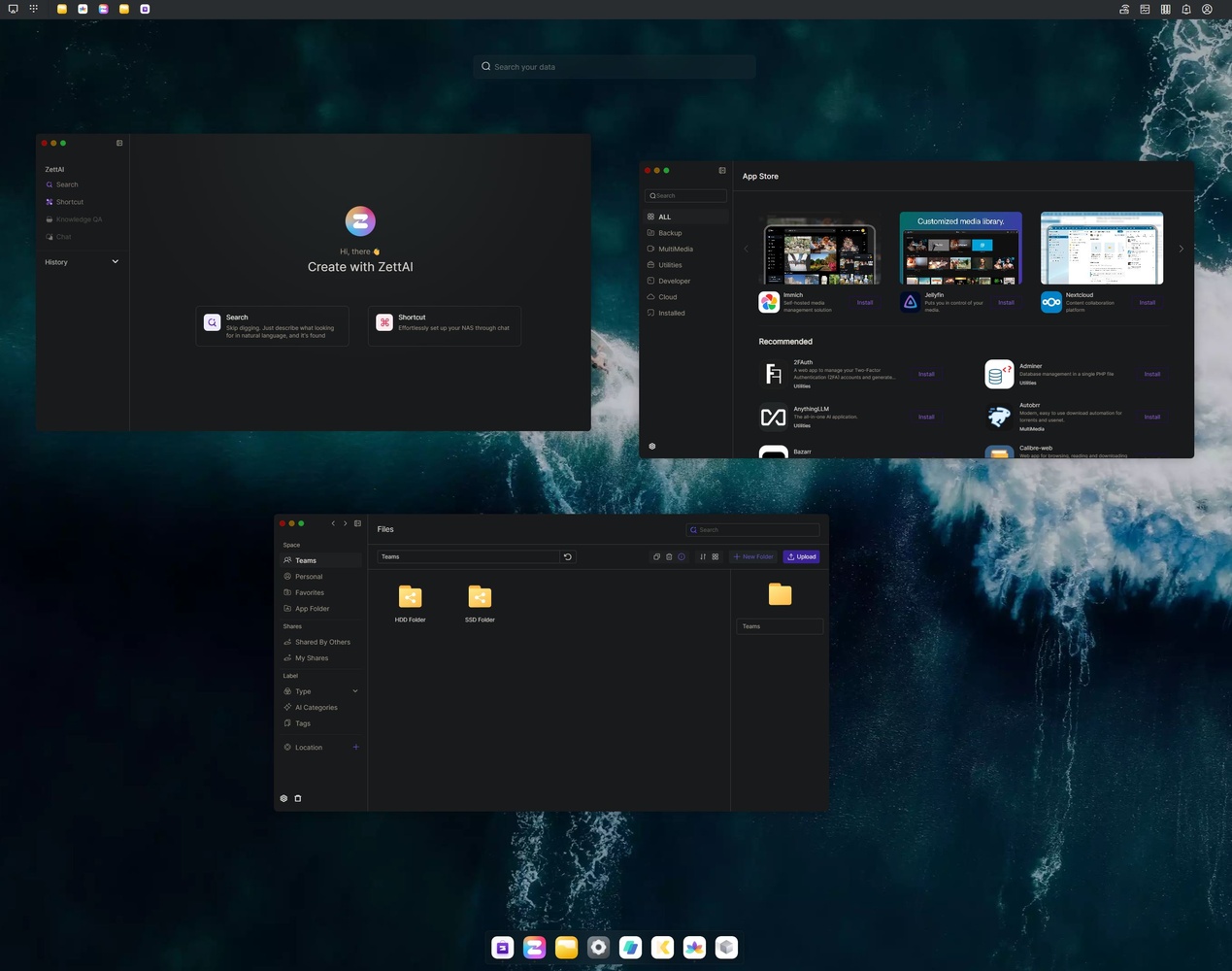
Speaking of expanded capabilities, the D6 supports virtualization and Docker, but it is not a box I would recommend for heavy virtualization. It’s much more comfortable as a light-duty option. Simple services or containers like Home Assistant are reasonable use cases, but anything more ambitious runs into the limits of the fixed RAM size and ARM architecture. For users who want to push heavy containers, VMs, or future AI workloads harder, the D6 Ultra and D8 Ultra make a much stronger case with:
-
Intel Core Ultra processors
-
Expandable memory
-
Dual 10 GbE ports
-
USB4
-
An SFF-8654 Slim SAS connector that is quite uncommon in consumer NAS hardware
ZettOS and the Software Experience
ZettOS is where Zettlab is clearly trying to differentiate itself. The operating system is focused on making NAS interaction approachable while layering in local AI features that go beyond basic file indexing. My review unit was running alpha firmware, and judging unfinished software is always tricky, but the experience was more positive than I expected.
Even in alpha, I did not encounter any critical bugs. Instead, I mostly saw signs of active development. Some features are labeled as coming soon, and a few timelines have already slipped, but the core experience feels stable. User management is straightforward, permissions are easy to configure, and it is simple to keep the system locked to local-only access if privacy is a concern.
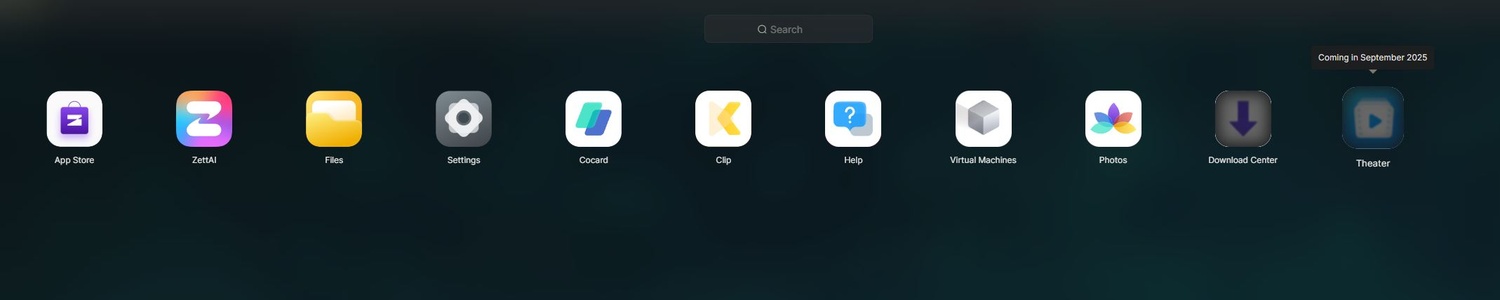
The built-in app store already includes a solid set of core applications (think Plex, Docker, Obsidian, Home Assistant, Syncthing, and more), and Docker support opens the door for more advanced setups. Performance throughout the UI remained smooth, even while background tasks like indexing and AI analysis were running.
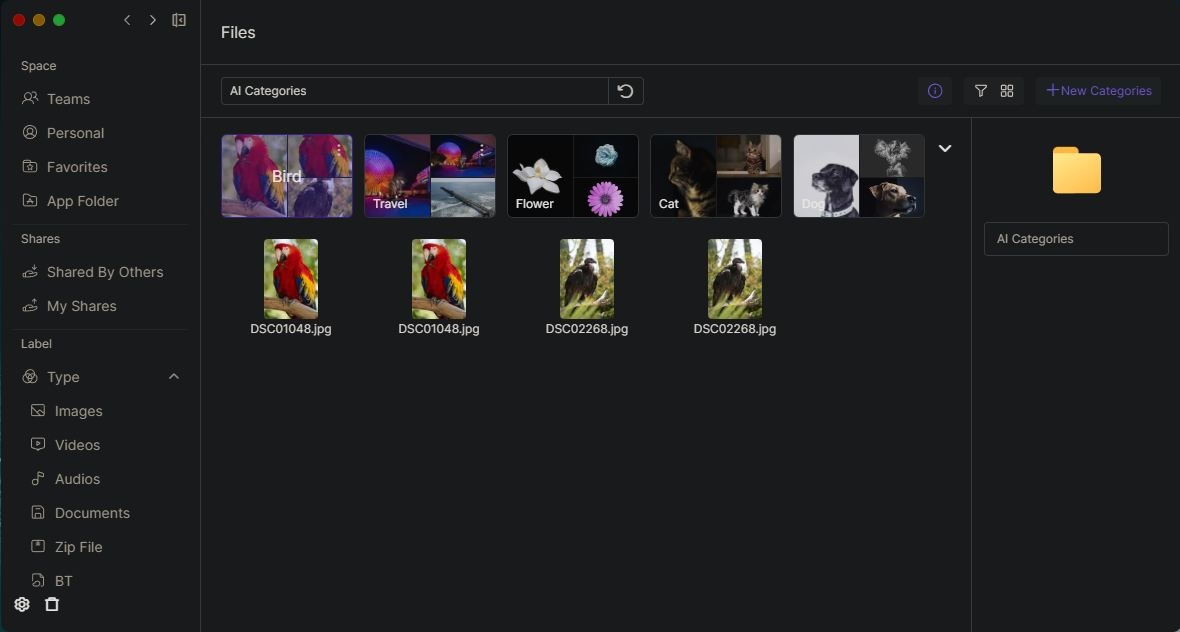
The AI features themselves are genuinely useful. The system automatically recognizes and tags images, transcribes audio and video, and allows you to search your file library using natural language. I was able to chat with a local AI that parsed my documents and returned relevant answers without anything leaving the device. All of this processing happens quietly in the background, and I never felt like the system bogged down while doing it. In that regard, a NAS is a great place for local AI to churn away silently through your catalogs and data-hoard, compared to tying up your main computer.
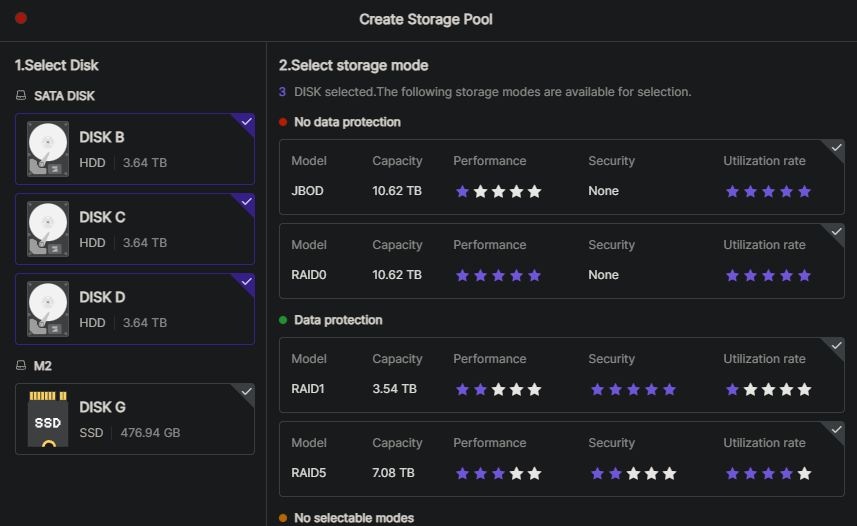
For creators, the “Creator Studio” aspects are naturally the most interesting. AI Clip allows you to transcribe and generate subtitles, while the Share and Copy tab lets you easily share links with clients for quick review, without worrying about cloud subscriptions or storage limits.
ZettOS is still clearly evolving, even with this strong slate of launch features. The long-term value here depends heavily on how well Zettlab keeps up with the pace of AI development. Models are improving rapidly, and it would be encouraging to see deeper support for open standards that let users load and run their own preferred open-source models for text and image tasks. Right now, the models are a bit of a “black box,” and there are clear opportunities for an AI-enabled NAS to serve as a dedicated appliance for personal AI workflows.
Who the D6 Is For
I think the Zettlab D6 makes the most sense when viewed through two different lenses.
For users who simply want a solid NAS to store files, back up devices, and run a handful of applications, the D6 is an excellent value. Six drive bays, 2.5 GbE networking, thoughtful design, and a polished user experience make it competitive with established brands even before you factor in the AI features. ZettOS, even in its current alpha state, already covers everything most photographers and videographers need day to day.
For more adventurous users who are excited by the idea of local, no-subscription AI, the D6 offers a compelling sampling of what that future might look like. Being able to search, categorize, and interact with your media and documents all on device is powerful. At the same time, the D6 comes under some pressure from its more capable siblings. The D6 Ultra and D8 Ultra promise significantly more headroom across networking, memory, and compute, all for a relatively modest increase in price.
There is also a question about whether the D6’s AI capabilities meaningfully outperform what many creators could already run on their likely more powerful workstations. For photographers and videographers with modern desktops or laptops, local AI workflows are increasingly accessible without needing separate dedicated hardware or a computer science degree to set up. That makes the long-term software support and continued feature development absolutely critical for Zettlab, turning the D6 and other models into a bet that Zettlab will continue to make it easier to use their products, rather than forcing users to dig around on GitHub to find the latest AI implementations.
Final Thoughts
The Zettlab D6 left me impressed. The hardware is excellent, the industrial design is among the best I have seen in this category, and the software already feels more mature than its alpha label suggests. It succeeds as a straightforward NAS, and it promises a more ambitious future where local AI becomes a standard part of how we manage creative work.
There are still unknowns, however. Zettlab will need to prove that it can deliver on its roadmap and keep pace with a rapidly evolving AI landscape. But even with those caveats, it is refreshing to see a company pushing this space forward, democratizing local AI, and giving users more privacy and control over their data.
If Zettlab can maintain momentum, the D6 and its more powerful Ultra siblings could mark a meaningful shift in what creators expect from their storage. At the very least, the D6 shows that NAS hardware does not have to be boring boxes for storage alone.
The Zettlabs lineup of the D4, D6, D6 Ultra, and D8 Ultra has been announced at CES, with an official launch set for January 20th.





 English (US) ·