.png)
 12 hours ago
3
12 hours ago
3
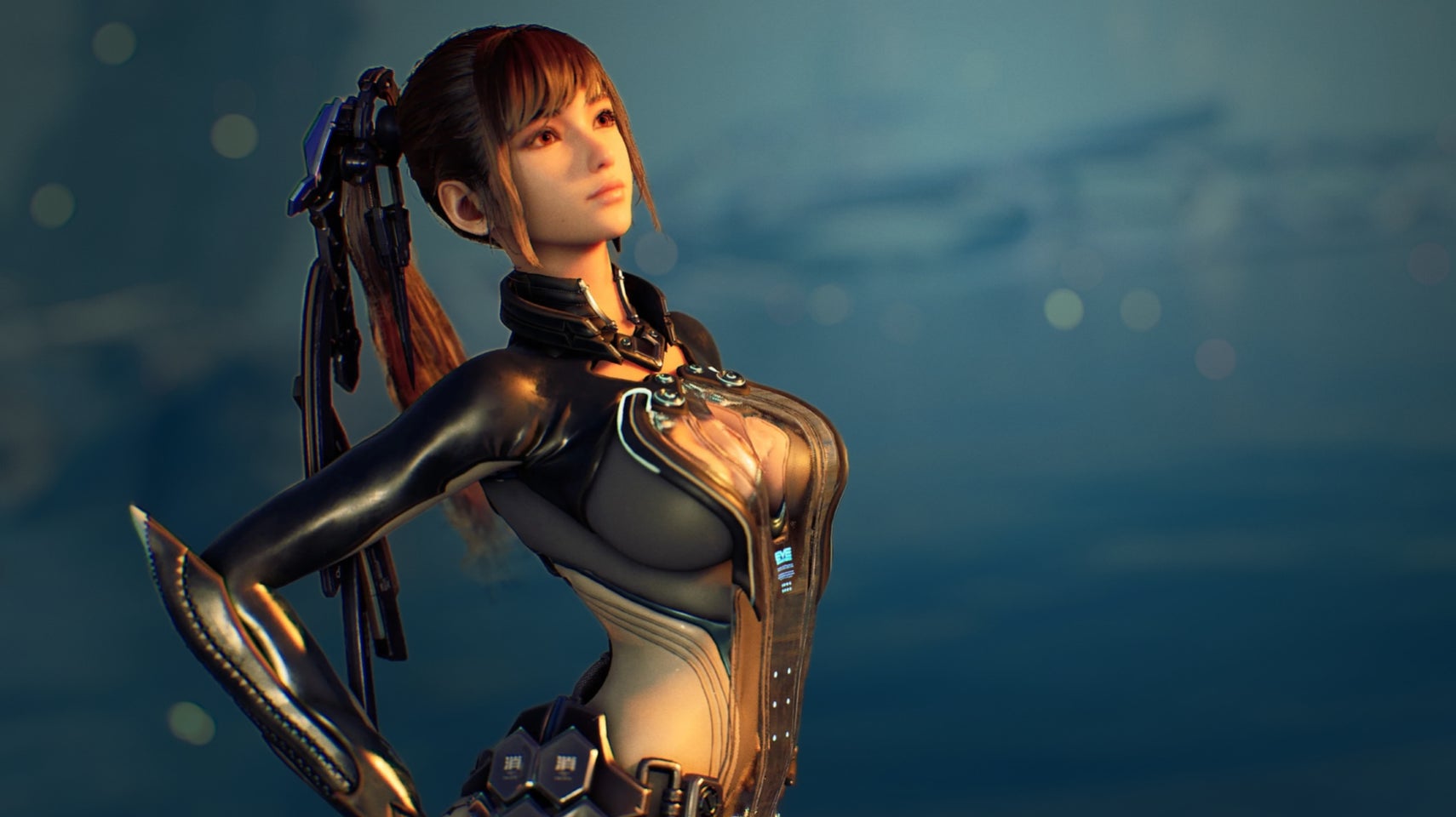
Much has been written about Stellar Blade's handling of its lead female character, the culture war surrounding it, and developer Shift Up's several eyebrow-raising missteps as the game broke through into mainstream consciousness. Regardless, the PS5 title was a big success and a sequel is now in development. Before we even get a first look at it, however, a new storm appears to be brewing.
AI, generative or not, is the talk of town, and by town I mean the entire games industry. As Larian tries to toy with gen-AI while not using the tech for final assets and publishers like Hooded Horse unequivocally dunk on studios using it, the debate refuses to go away. 2026 may be defined by the widespread adoption or rejection of AI tools, and hopefully, by people finally figuring out the difference between tools that have been around for a while and the controversial gen-AI. The well has already been poisoned, sadly.
Shift Up CEO and Stellar Blade director Hyung-tae Kim is bullish on the whole package, it seems. During a national briefing on South Korea’s 2026 Economic Growth Strategy, the developer claimed it's "an essential tool for going up against large competitors like China on a global level." Automaton reported on (and translated) the news first shared by GameMeca.
Anyone who's been paying attention to the games industry for the last few years is well aware of China's increasingly large presence, with behemoths like Black Myth: Wukong and Where Winds Meet making waves and rising to compete against the Japanese and Western giants that have typically dominated the market. Meanwhile, South Korea has started to exit the MMO-oriented creative trends and begun to punch above its weight with triple-A projects. It comes as no surprise to see more and more developers in the country betting on AI (even if it's not of the generative kind) as its ambitions grow larger, too.
Kim "argues that widespread use of AI will not result in people losing their jobs, because competing with major industries like China and the US will require not only utilizing all available manpower, but also making everyone proficient in AI." Press X to doubt, as immediately, he stated one person could "perform the work of 100 people" with the assistance of these tools.
It remains to be seen whether the adoption of AI assistance into the general pipeline really will make games bigger, better, or more profitable for publishers, but either way, it seems like the conversation around this topic - and the consequences of its general usage - will not go away any time soon.






 English (US) ·