.png)
 3 hours ago
2
3 hours ago
2
It seems drones are all over the news recently—either new iterations of existing models promising to change your life, new entries to the market aiming to shake up the game, or even recent headlines suggesting that drones are “evil” and need to be banned. But what happens when a new kid on the block enters the race and suddenly makes a bit of sense? That is where the Atom 2 from Potensic, who recently attended CES as one of the exhibitors, enters the frame.
Size Matters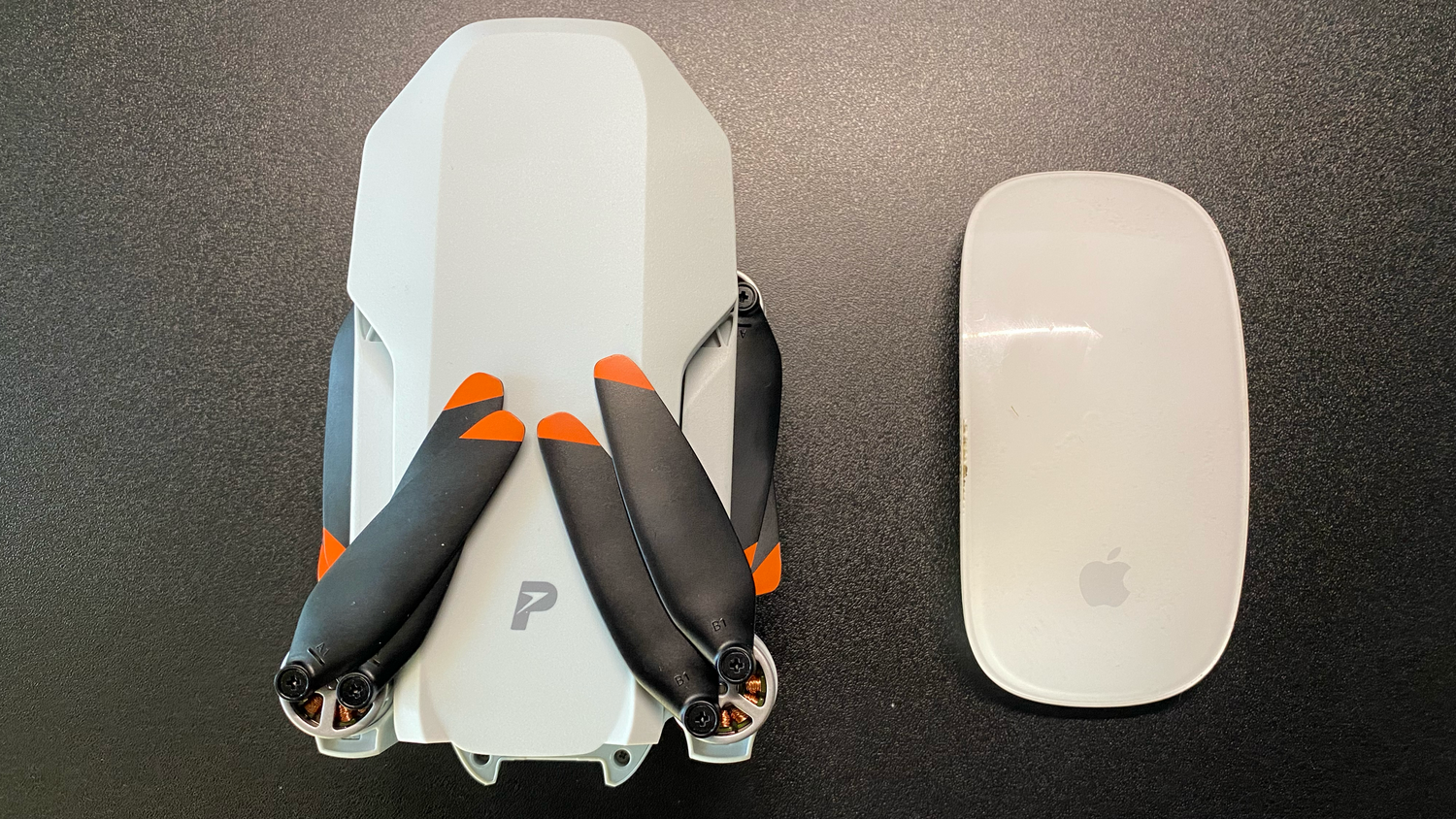
I’ve been a drone user for a decade now and have seen them change for the better through many iterations. What remains constant is the ability to see things from a different perspective and elevation, providing users with an extra tool in their arsenal. As a DJI user, I started with the original DJI Phantom, which—believe it or not—didn’t even have a camera. We had to attach a GoPro to see what it was seeing, and even then, we couldn’t view the footage until the drone landed. The size was another factor; it needed its own dedicated backpack, and the battery life lasted no more than 10 minutes. Despite those restrictions, it ignited a passion in me and many others that has been hard to quench. Now take a look at the size of this Potensic Atom 2 in the image above (Apple Mouse for scale),
The Evolution of Portability
Fast forward to today, and we see incredible advances not only in technology but also in size. We now have more market players providing alternative options for capturing aerial footage. Potensic is one such brand. To be honest, I hadn’t heard much about them before now; I wasn’t familiar with the original Atom, let alone version 2. However, when I was given the opportunity to review it, my interest was piqued. A drone that can fit in my pocket, boasts a long battery life, records 4K video, and takes 8K images? I had to find out more.
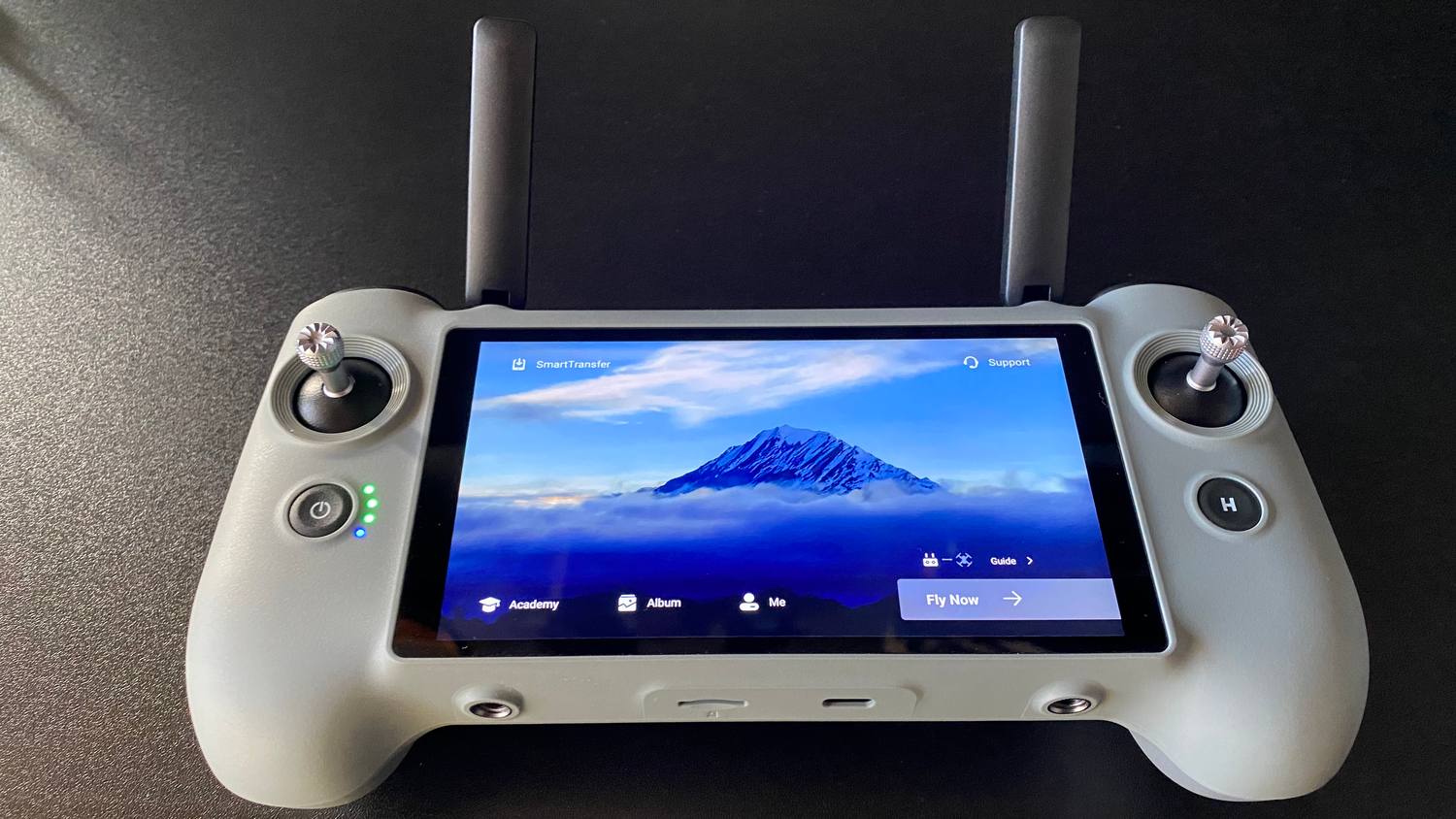
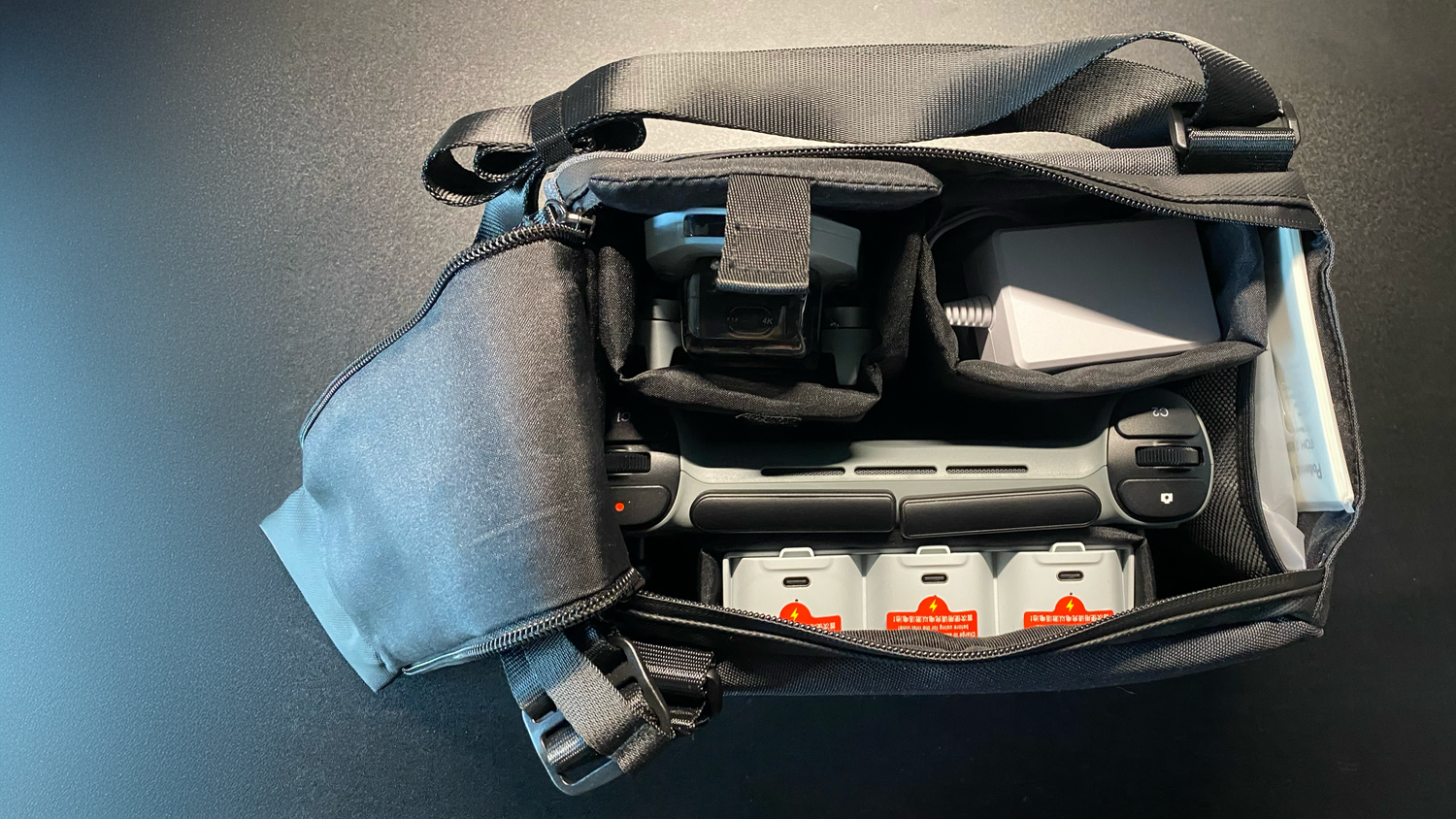
Interestingly, the controller is larger than the drone itself and comes in two models. The pro version has a built-in screen that works at 700 nits, while the standard allows you to pull apart the handles and slide your phone right in the middle. Both give you an interesting use case, albeit wide in real estate.
First Impressions and Specifications
Right off the bat, the Atom 2 surprised me even before I took flight. The design is solid, and it weighs exactly 249 g, keeping it under that all-important weight limit for registration. The features promise great results without breaking the bank. Let’s take a look at the technical specifications:
-
Video: 4K video with a wide f/1.8 aperture
-
Images: 8K resolution
-
Intelligence: AI tracking and AI night shots
-
Range: 10 km transmission range
-
Flight: 32-minute flight time (96 minutes total with the 3-battery Fly More Combo)
-
Weight: 249 g (FAA registration is generally not required under 250 g for qualifying recreational flights; Part 107 operations must be registered)
On paper, these specs suggest the Atom 2 will not only give established brands a run for their money but will also stand on its own two feet across various use cases.
 Setup and User Experience
Setting the drone up was simple thanks to the Potensic app, which feels eerily similar to other major brands. This was likely done intentionally to reduce barriers for users migrating from other ecosystems. The process was straightforward: charge the equipment, create an account, download the latest firmware, and you are ready to fly. The controls are identical to mainstream drones, meaning there is little to no learning curve for experienced pilots. For first-time flyers, the built-in tutorials remove any uncertainty.
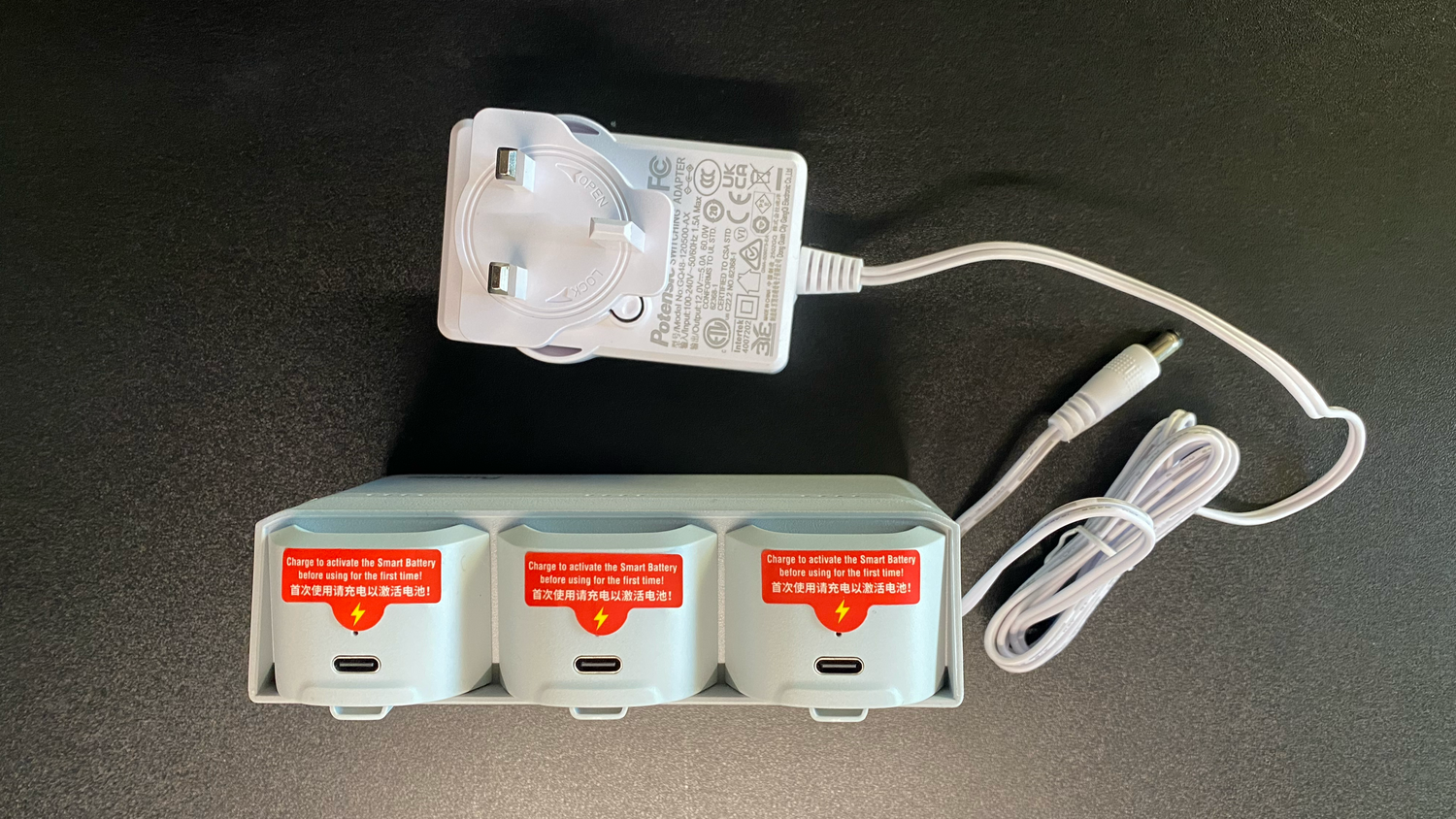
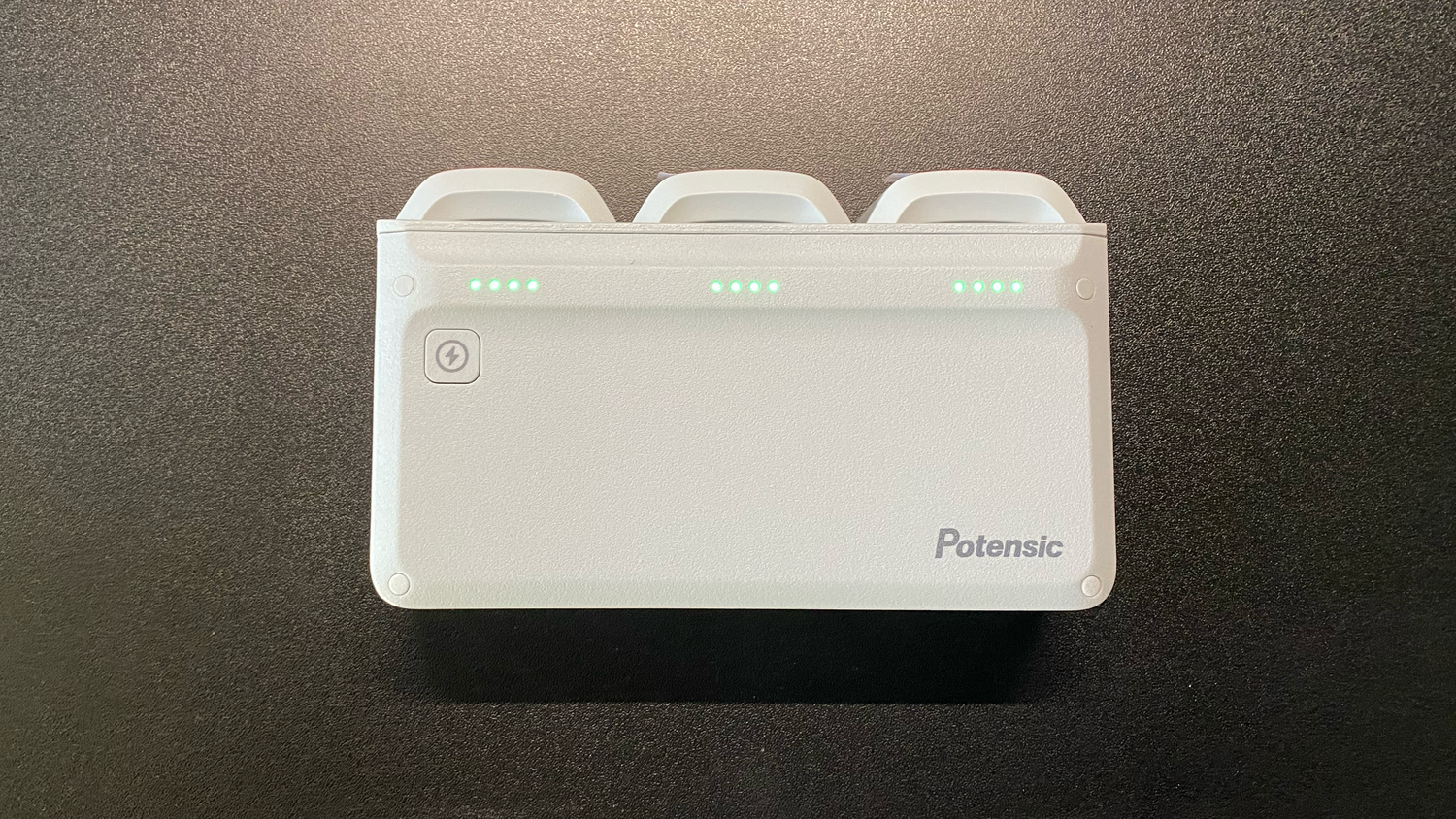
I feel that I must also add that the Fly More Combo (note the familiar name) is quite good at charging the three batteries; however, it does need to be plugged into a wall socket, which I am surprised by, given that it could have been achieved via USB-C, meaning more portability and ease of use while on the go. You can, however, charge a battery while it’s in the drone via USB-C, so if you’re stuck, it will get you back in the air.
A Note on Safety and Sensors
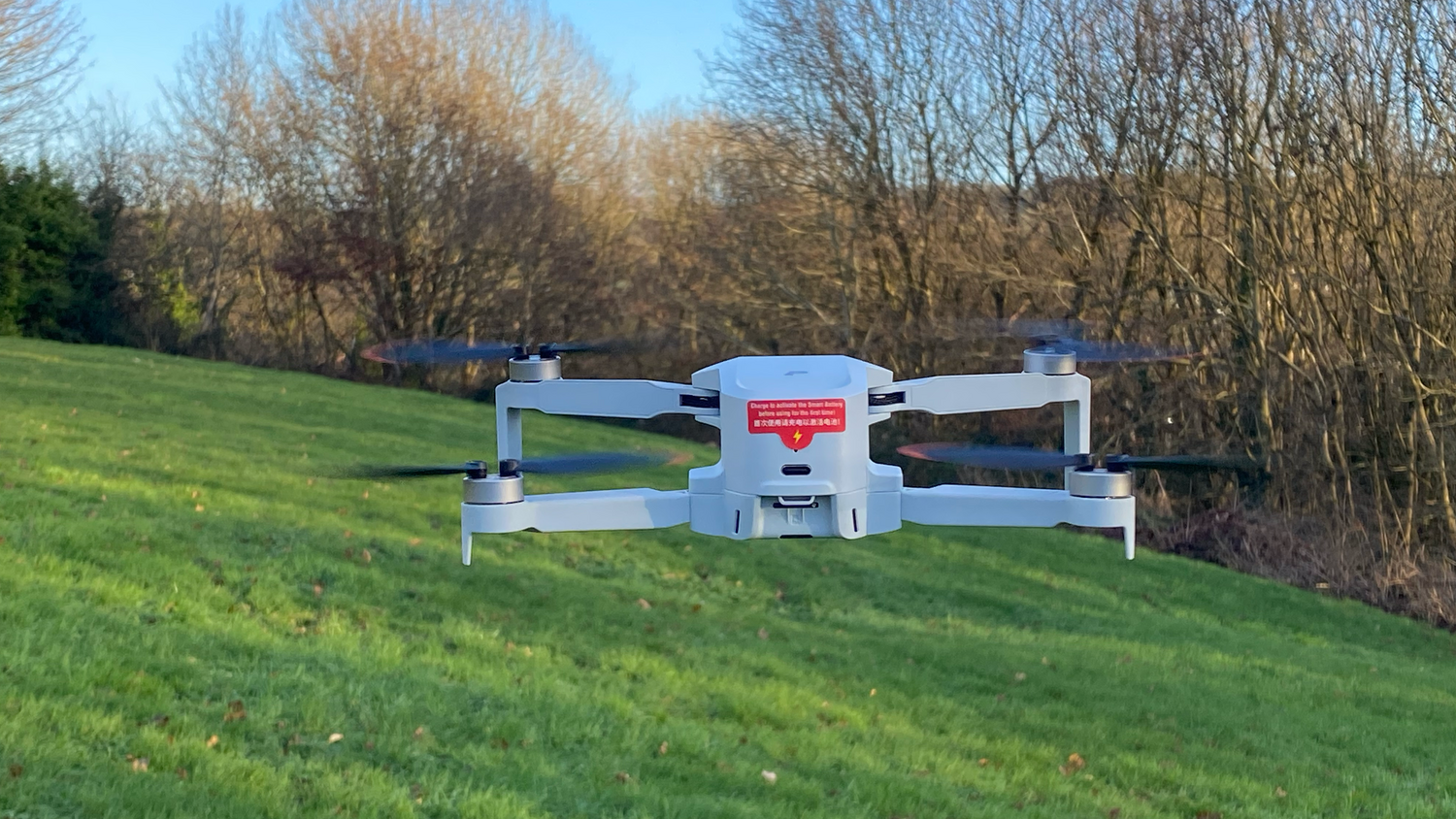
However, I must point out one area of caution: the Atom 2 lacks obstacle avoidance sensors, other than those facing downward to assist with landing. You must ensure you are in an open space to avoid mishaps or collisions. Without a failsafe to protect the drone if you get too close to an object, you need to remain vigilant. While I am surprised there aren’t more sensors, I suspect this was a necessary trade-off to keep the weight below the 249 g threshold.
Image and Video Performance
Video quality is as expected: it isn’t “flagship high-end” level, but in the right light, it produces very usable quality. While I don’t see it being used for blockbuster movies, it is more than adequate for social media, which is mostly viewed on small phone screens anyway. The ability to record in HDR and Log formats also helps you get the most out of your footage in post-production. If you want a solid, structured foundation for shooting and editing video, Introduction to Video: A Photographer’s Guide to Filmmaking is a strong fit for this kind of workflow. You can see a sample video on the attached link above or here.
Regarding photography, the fixed f/1.8 aperture means you won’t get a deep depth of field, but since most drone shots are wide-open vistas, this rarely matters. One potential drawback is the limited control over light and shutter speed, but for the target audience, a fixed “point-and-shoot” style is likely preferred. As a photographer, I always want total control, but that may just be my personal preference.

Creative Features and Stability
The drone includes the smart features you would expect from other manufacturers, allowing you to create cinematic footage with the touch of a button. All the usuals are there: Pull-Away, Rocket, Circle, Spiral, and Boomerang. This drone also includes Dolly Zoom effects, a technique that used to take years to master, which keeps the subject the same size while the background appears to grow or shrink.
Night shots also seem quite robust, using built-in AI night mode; however, I noticed that keeping the drone still produces the best results, as any movement in the footage doesn’t keep its crispness.
One point to mention, however, is that the drone needed to be 4 m from the ground to perform these tricks, so that may cause some interference when it comes to smooth operation.
Active tracking works well, with the drone making sure it does its best to re-find the subject if it’s lost, which, to be fair, it has succeeded more than it failed in my tests.
It also has an interesting feature called sineroll, whereby the drone will rotate the camera 360 degrees while moving forward, giving the illusion of a roll. This isn’t a feature that I have seen before on a drone, and no doubt will appeal to many who want to be as creative as they can be when it comes to footage. You can see my attempts and results in the video footage.
Given its weight, I expected the drone to struggle in the wind. However, I was pleasantly surprised by how well it held its position, thanks to its satellite-locking GPS and efficient motors. While I wouldn’t take it out in a wild Atlantic storm here in Ireland, it will more than suffice for the majority of users. Just keep an eye on it to ensure you don’t have an issue. The best advice I can share here is to fly it into the wind on the way out; that way, when it comes back, it has the wind to assist it on the return leg, rather than fight against it.
How Does It Compare to Its Rival
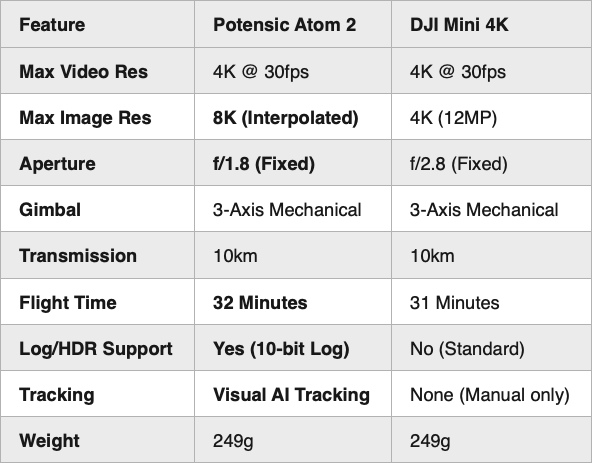
I feel that the positioning of this drone regarding price and size is to go up against the very popular DJI Mini 4 Pro, so let’s compare the stats on paper to see how it stacks up.
Final Thoughts
The Potensic Atom 2 is a reminder that competition in the drone market is finally catching up, and that is a win for all of us. For a long time, it felt like there was only one real choice if you wanted a reliable, high-quality flying camera. But the Atom 2 proves that you don’t need to spend a fortune or carry a massive equipment bag to get professional-looking results.
It isn’t a perfect machine—the lack of obstacle avoidance means you have to be a more attentive pilot, and it won’t replace a high-end cinema drone for professional film sets. However, for the everyday creator, the traveler, or the photographer looking to add a “different elevation” to their portfolio, it makes a lot of sense.
The standout for me isn’t just the 4K video or the clever AI tracking; it’s the fact that this drone removes the friction of getting into the air. It’s small enough to bring everywhere and simple enough that it doesn’t get in the way of the experience itself. In a world where drones are often seen as complex or controversial, the Atom 2 feels like a return to what made me fall in love with flight a decade ago: the simple joy of seeing the world from a brand-new perspective.
If you are looking for a capable, budget-friendly entry into the sub-249 g category that holds its own in the wind and delivers great image quality, the “newer kid on the block” has definitely earned its seat at the table.





 English (US) ·