.png)
At first glance, ceramic heaters and fan heaters might seem like the same thing with different names. Both are compact, portable, and designed to warm up a room quickly. But dig a bit deeper and you'll find they work in distinctly different ways, with real implications for how well they'll suit your needs.
In this article, I'll explain the main differences between them, and which one might be better for your needs.
How does a fan heater actually work?
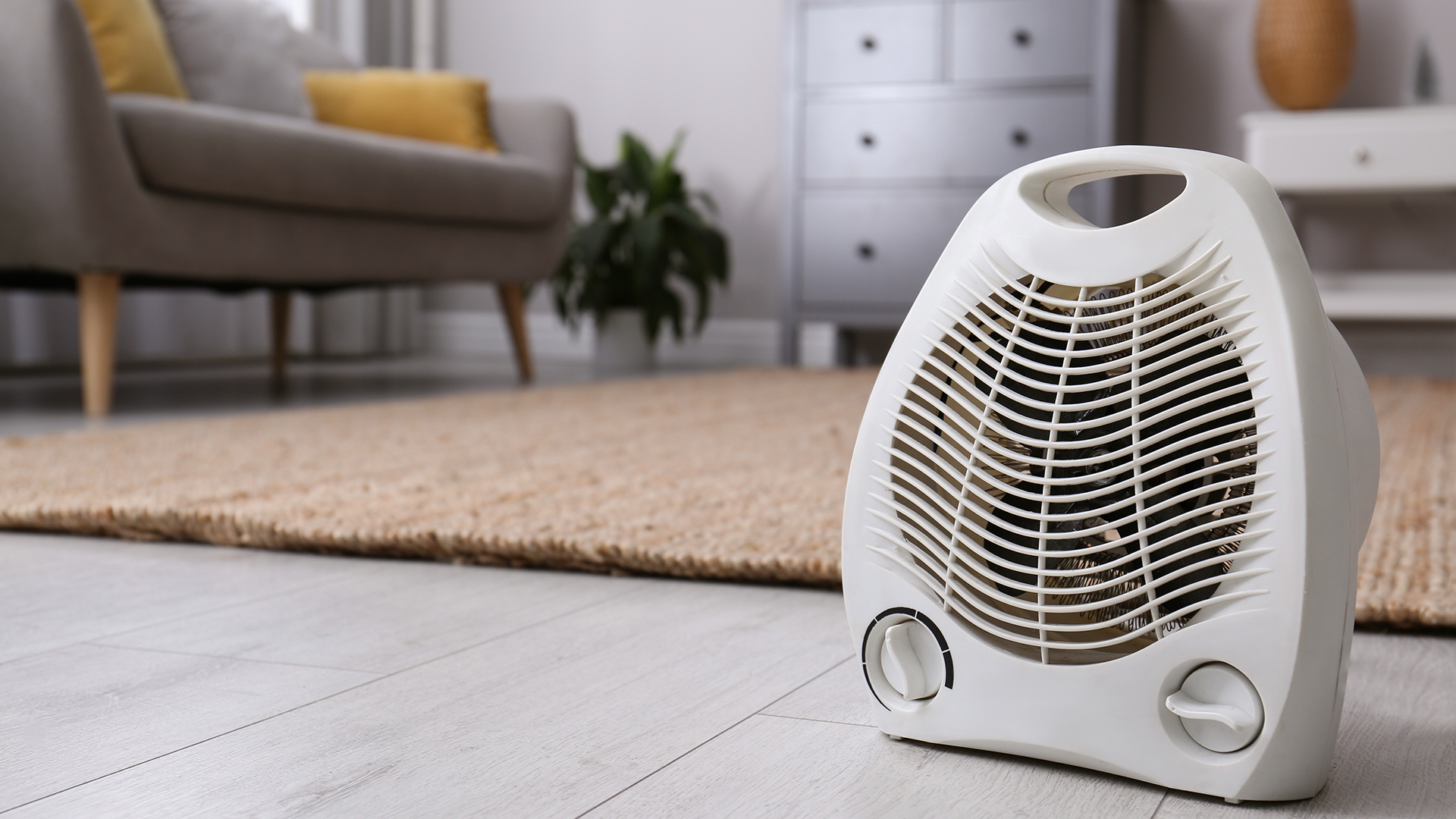
A standard fan heater is refreshingly simple. Inside, there's a heating element – usually a metal coil – that gets hot when electricity runs through it. A fan then blows air over this hot element and out into your room. It's the same basic principle as a hairdryer, just scaled up for heating a space.
How does a ceramic heater work?
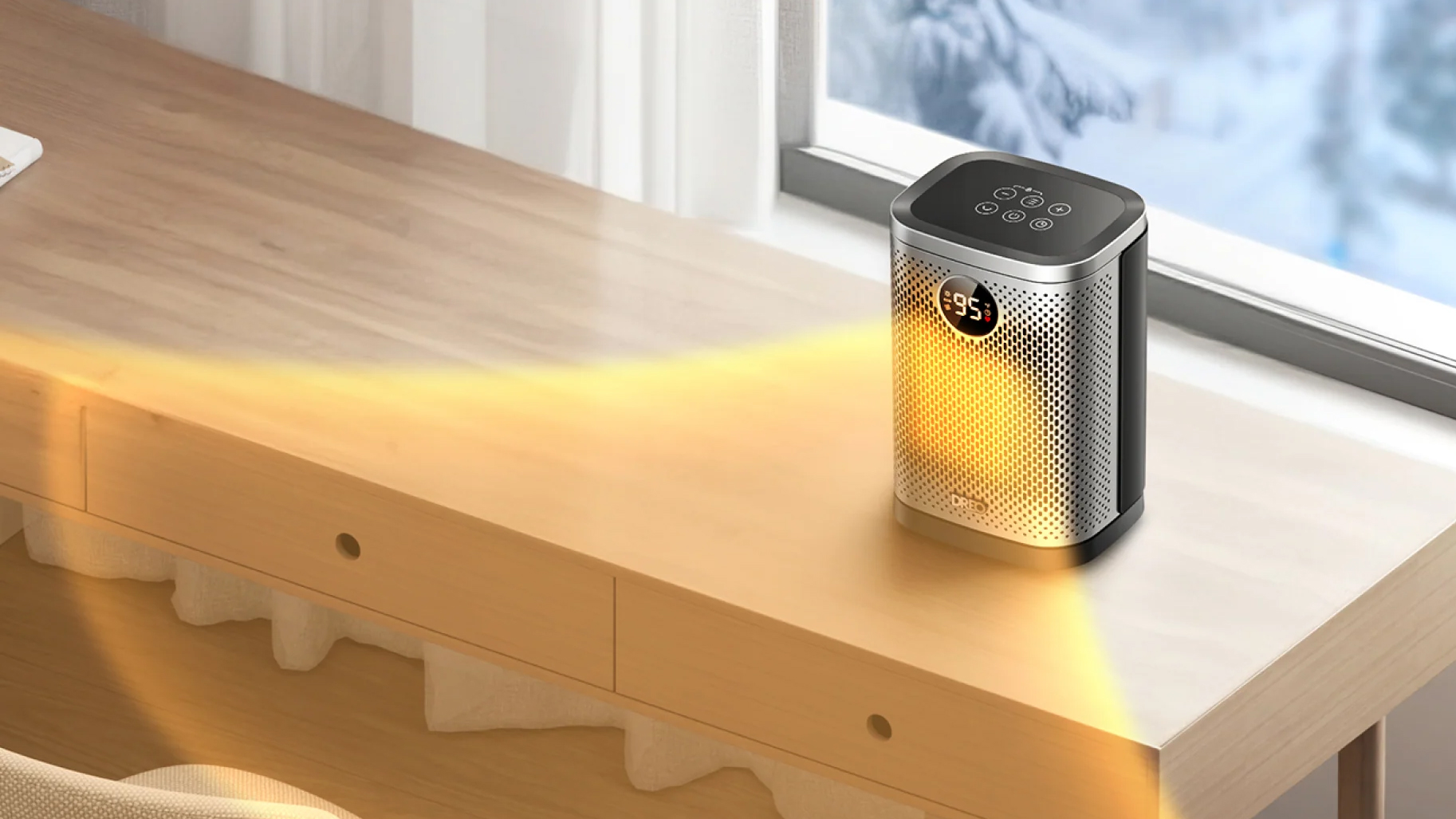
Standard ceramic heaters work slightly differently. Instead of metal coils, they use ceramic plates with a special property: their electrical resistance changes with temperature. When electricity flows through the ceramic element, it heats up rapidly but also self-regulates, making this type of heater more stable and potentially safer. Many ceramic heaters also include a fan, but the core difference is that ceramic heating element.
Ceramic vs fan heaters: heat quality
When you switch on a fan heater, there's usually a noticeable blast of warm air. This makes this type of heater excellent at rapidly raising the temperature in a small to medium-sized room, because it's actively circulating air. On the downside, that circulation can feel intense – like standing in front of a warm wind tunnel. Plus, the heat distribution can be uneven, with hot spots near the heater and cooler areas further away.
Ceramic heaters, in contrast, tend to produce more gentle, consistent warmth. The ceramic elements heat up quickly but don't get quite as scorching hot as traditional metal elements, and so many users find them more comfortable and less "drying" to be around.
Ceramic vs fan heaters: noise
Here's another thing to consider: fan heaters can be noisy. That motor whirring away might not always bother you, but it can be genuinely annoying during video calls, watching television, or when trying to sleep. Some cheaper models also produce an irritating high-pitched whine alongside the general fan noise.
Ceramic heaters are typically quieter, especially fanless models. Even ceramic heaters with fans operate more quietly, because they don't need to push the air as aggressively. If you're noise-sensitive or planning to use your heater in a bedroom or study, this difference will matter to you.
Ceramic vs fan heaters: running cost
Both types of heater convert electricity to heat at roughly the same efficiency – around 99-100% – but ceramic heaters often work out cheaper to run in practice. That ceramic element heats up quickly and regulates temperature more effectively, so they should cycle on and off more efficiently, theoretically using less electricity overall.
A 1,500-watt fan heater running continuously costs the same as a 1,500-watt ceramic heater – power is power. But ceramic heaters often come in lower wattages (500-1,000 watts) while still providing effective heating for smaller spaces, and that can directly translate into lower overall running costs.
Ceramic vs fan heaters: Safety
Both types of heater are generally safe when used properly, but ceramic heaters have inherent advantages. Because ceramic elements don't get as hot as traditional metal coils, there's less risk of burns if you accidentally touch the heater. Many ceramic heaters also include automatic shut-off features if they overheat or tip over.
Which heater should you choose?
If you need powerful, immediate heat and don't mind noise, a fan heater makes the most sense. They're better at quickly warming cold spaces, often cheaper to buy, and work well in larger rooms where air circulation helps.
Choose a ceramic heater, though, if you want quieter operation, plan to run the heater for longer periods, or are heating a smaller space. This type of heater is particularly good for bedrooms, bathrooms, home offices and anywhere you want consistent background warmth without noise. The lower wattage options can also be genuinely economical to run.
Ultimately, though, neither type of heater is definitively "better"; they're simply different tools for different jobs. Fan heaters are sprinters: fast, powerful, best for short bursts. Ceramic heaters are marathon runners: consistent, efficient over time, easier to live with for extended use. Your choice should depend on your space, how long you'll run the heater, and whether fan noise bothers you.






 English (US) ·