.png)
A great final season makes you feel like the writers knew the ending the whole time. A bad one makes you notice the seams, because the show starts rushing, stalling, or changing the rules midstream. When a series goes straight to hell at the end, it usually means I lose all hope in the art of cinema because they kill the very reason I started watching the show for.
The shows below all had something going for them earlier. Some were cultural events, some were guilty pleasures, and some were genuinely brilliant for stretches. Then the final season arrives, and you can feel choices getting forced, arcs getting skipped, and payoffs landing without the buildup. These 11 shows below gave endings that geniunely hurt.
11 'Stranger Things' (2016–2025)
Season 5
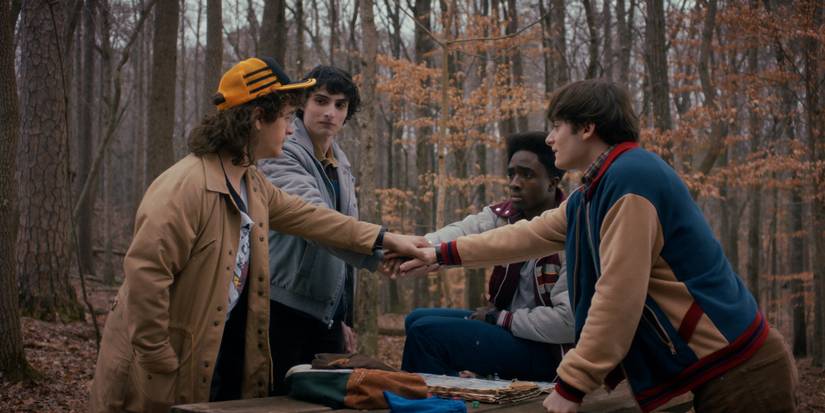 Image via Netflix
I still remember how Stranger Things used to make a simple bike ride feel like an emergency in retro. In Season 5, though, the show tried to close every open thread at once, and you can feel the strain when the story keeps jumping to the next ‘big moment’ before the last one has time to sit. Eleven (Millie Bobby Brown) is still watchable because she sells the fear like it’s personal, but the season keeps asking her to carry scenes that need more setup.
The worst part is the pacing. You can tell it’s the end, because every episode is trying to be a finale, and it turns the middle stretch into constant payoff mode. Vecna’s endgame has good ideas in it, but the show leans too hard on callbacks and fan service when it should be tightening the logic. I still had fun watching parts of it, but the final run doesn’t feel as clean as the earlier seasons at their peak.
10 'Dexter' (2006–2013)
Season 8
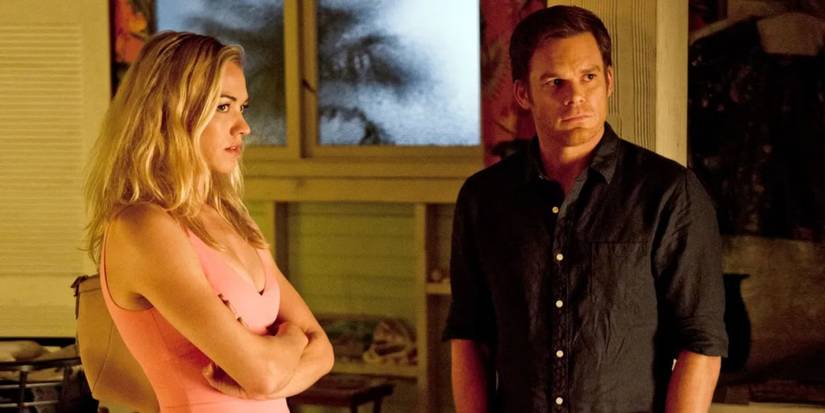 Image via Showtime
Dexter Season 8 feels like the writers knew they needed to end Dexter and still couldn’t agree on what the ending should say about him. Dexter Morgan (Michael C. Hall) spends the season bouncing between confession, escape, and moral reset, and it never adds up into one clear direction. Even the new characters and reveals feel like they arrived late to a party that was already winding down.
It’s not that the show needed a happy ending. It needed an ending that matched eight years of tension, and instead, you get a messy last-minute pivot. Deb’s arc gets handled in a way that feels careless, and the finale turns into a sprint where big choices happen because the clock says so, not because the story earned them. The lumberjack finish is famous for a reason, and not in a good way.
9 'How I Met Your Mother' (2005–2014)
Season 9
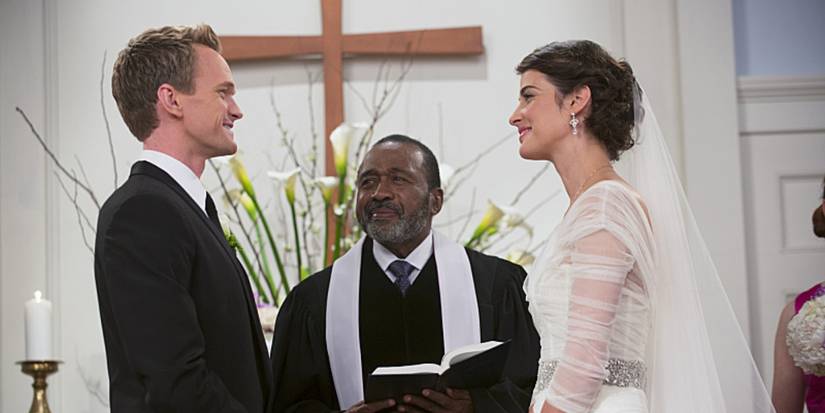 Image via CBS
The last season of How I Met Your Mother stretches one wedding weekend into an entire season, and it starts feeling like you’re watching the show stall for time. But that’s not it. It’s that they built all that suspense to reveal the woman, only to destroy it. Ted Mosby (Josh Radnor) has good moments, of course. It is heartfelt, of course. But the structure makes the season all ruined and weird, and it makes you feel that you watched the whole thing for nothing.
It makes people mad to this day. It also burns through huge life events in minutes, and the ending choice lands like whiplash you didn’t ask for. It’s a rare case where the last few scenes rewrite the whole vibe, and I don’t want to name any actors that would spoil the show, but in hindsight, maybe that would be good.
8 'Killing Eve' (2018–2022)
Season 4
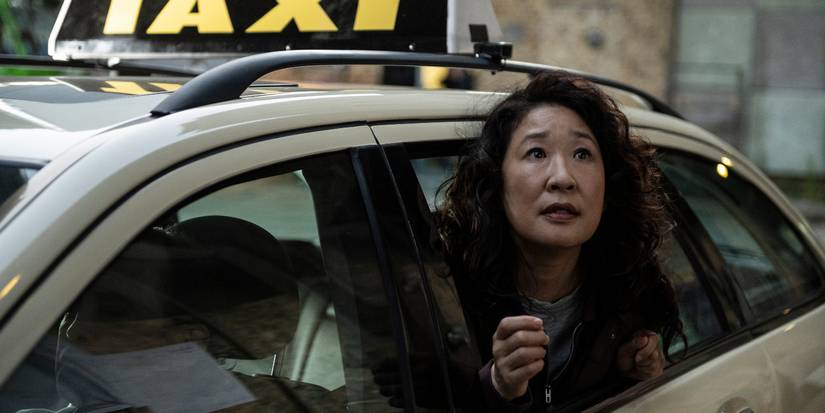 Image via BBC America
The earlier seasons of Killing Eve worked because the tension was intimate. By Season 4, the show keeps moving pieces around without giving you the emotional steps, so the relationship at the center starts feeling like it’s being pushed by plot. Villanelle (Jodie Comer) is still electric, but the season keeps sidelining what the audience actually came for.
You can tell the writers wanted to be shocking more than satisfying. The tone jumps, the villains blur together, and the final beats feel like a punchline to a long build. Eve (Sandra Oh) deserved a cleaner arc, and the show’s last stretch chooses chaos when it needed clarity. It ends in a way that feels like the show is arguing with its own fans.
7 'True Blood' (2008–2014)
Season 7
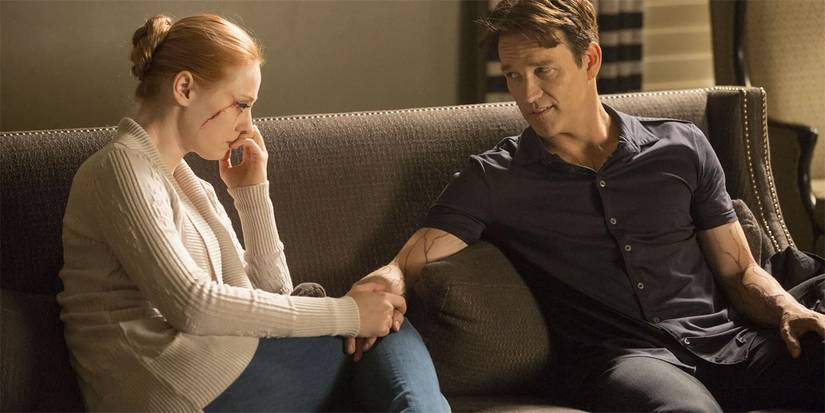 Image via HBO
By the time True Blood hits Season 7, you can feel the series running on fumes. It’s still got the Bon Temps flavor, but the season keeps tossing in threats and side plots that don’t carry weight. Sookie Stackhouse (Anna Paquin) is doing her best to hold the center, yet the writing keeps drifting away from what made the show fun and messy in the first place.
The Hep-V storyline drags, the character choices start feeling random, and the show spends a lot of time resetting relationships instead of progressing them. The finale tries to hand out closure like party favors, but it doesn’t feel earned for everyone. You finish True Detective Season 7 remembering the show’s highs and wondering why the goodbye felt so flat.
6 'House of Cards' (2013–2018)
Season 6
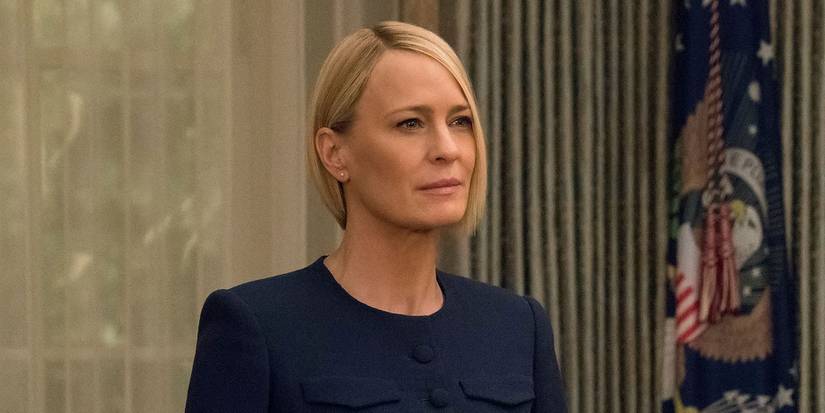 Image via Netflix
House of Cards Season 6 had an impossible job after the show lost its lead, and you can feel the rewiring in every episode. Claire Underwood (Robin Wright) steps forward, and she’s a strong enough presence to carry a political thriller. The problem is the season keeps juggling new threats without building the slow dread that used to make the show addictive.
Instead of that tight, chess-match storytelling, you get a lot of noise. The season’s mystery about Frank’s death never feels clean, and the Doug stuff turns into soap-opera logic at the worst time. There are scenes that work, but the overall run feels like a show trying to survive its own scandal more than finishing its story.
5 'The 100' (2014–2020)
Season 7
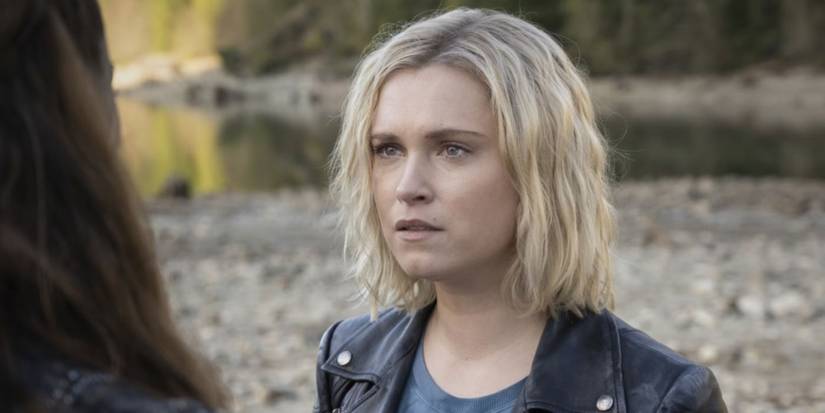 Image via The CW
The 100 Season 7 is where the show finally broke its own rhythm. The show always had wild swings, but the final season adds new mythology so fast that you don’t get time to feel the consequences. Clarke Griffin (Eliza Taylor) is still a believable lead, yet the season keeps pulling focus away from the relationships that made the earlier chaos matter.
Then it starts making choices that feel like they’re meant to spark discourse instead of serving the characters. The Bellamy arc is the big example, and the ‘transcendence’ ending lands with a weird spiritual shortcut after years of gritty survival logic. You can enjoy parts of the season, but as a final chapter, it doesn’t feel like the show you fell in love with.
4 'Westworld' (2016–2022)
Season 4
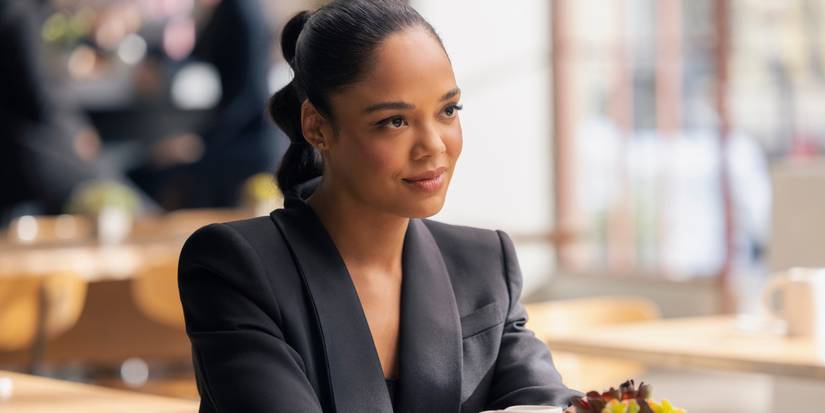 Image via HBO
I wanted Westworld to go out with a clean, mind-bending finish. But Westworld Season 4 has moments that hit, especially when Christina (Evan Rachel Wood) slowly realizes what she actually is. The problem is the season feels like it’s setting up a next chapter that never arrives, and that makes the ending feel like a pause, not a conclusion.
The finale swings big with the Hoover Dam and the Sublime, and it’s interesting on paper. In execution, it’s hard to shake the feeling that you’re watching a show writing its own reboot while the audience is waiting for closure. If HBO had given it one more season, this might read differently. As the final season, it leaves you hanging.
3 'Lost' (2004–2010)
Season 6
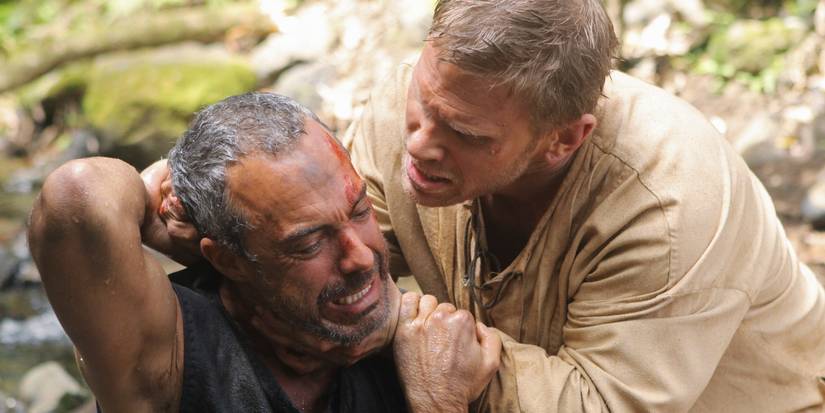 Image via ABC
The thing about Lost is that it trained people to watch like detectives. Season 6 leans into the flash-sideways idea, and some of it is genuinely moving, but a lot of viewers kept waiting for the show to cash its mysteries in a clear way. Jack Shephard (Matthew Fox) is strong in the final run, and the emotional intent is obvious, even when the logic feels slippery.
The finale works for people who wanted a spiritual goodbye, and it frustrates people who wanted receipts. The season answers some things, dodges others, and the last stretch turns into a feelings-first ending after years of puzzle-box momentum. I get why it has defenders, but it’s also the kind of finish that makes you argue with friends for hours.
2 'Game of Thrones' (2011–2019)
Season 8
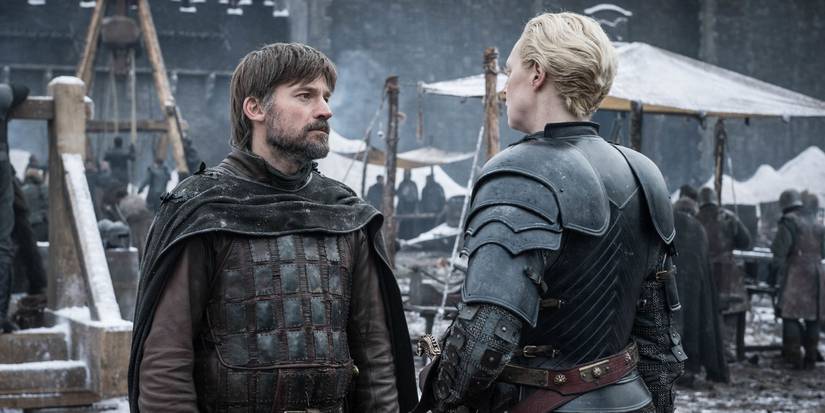 Image via HBO
Game of Thrones Season 8 is still the benchmark for a final season collapse because you can literally feel the show speeding up. In hindsight, though, on a rewatch, you do get a sense that writers, of course, were setting that specific character up to sit on the iron throne at the end, but still, it shouldn’t have been done that way. Especially because the other characters didn’t get proper goodbyes.
Game of Thrones spent years building political pressure, then the last run starts resolving massive arcs in single scenes. Daenerys Targaryen (Emilia Clarke) sells every moment, but the writing rushes her turn so hard that it lands like a shortcut instead of tragedy. Same goes for Kit Harrington’s Jon Snow. It’s not that the ending choice had to be different. It needed time. The Battle of Winterfell has spectacle, but the strategy is messy, and the finale tries to wrap the world up with a council scene that feels oddly small. When you rewatch earlier seasons, you can’t help noticing how much careful storytelling got traded for speed.


 English (US) ·