.png)


Ben Sherlock is a Tomatometer-approved film and TV critic who runs the massively underrated YouTube channel I Got Touched at the Cinema. Before working at Screen Rant, Ben wrote for Game Rant, Taste of Cinema, Comic Book Resources, and BabbleTop. He's also an indie filmmaker, a standup comedian, and an alumnus of the School of Rock.
Stranger Things is the latest in a long line of Netflix shows to spectacularly fumble their ending. It’s extremely rare that a Netflix show even makes it to a proper ending. Netflix originals are usually cancelled way too soon, just when they’re finding their feet and building an audience, like GLOW or Mindhunter or Santa Clarita Diet.
Some Netflix shows have had great finales, like BoJack Horseman and Orange is the New Black. But, from Ozark to Sex Education, more Netflix shows have bad endings than good ones.
Stranger Things
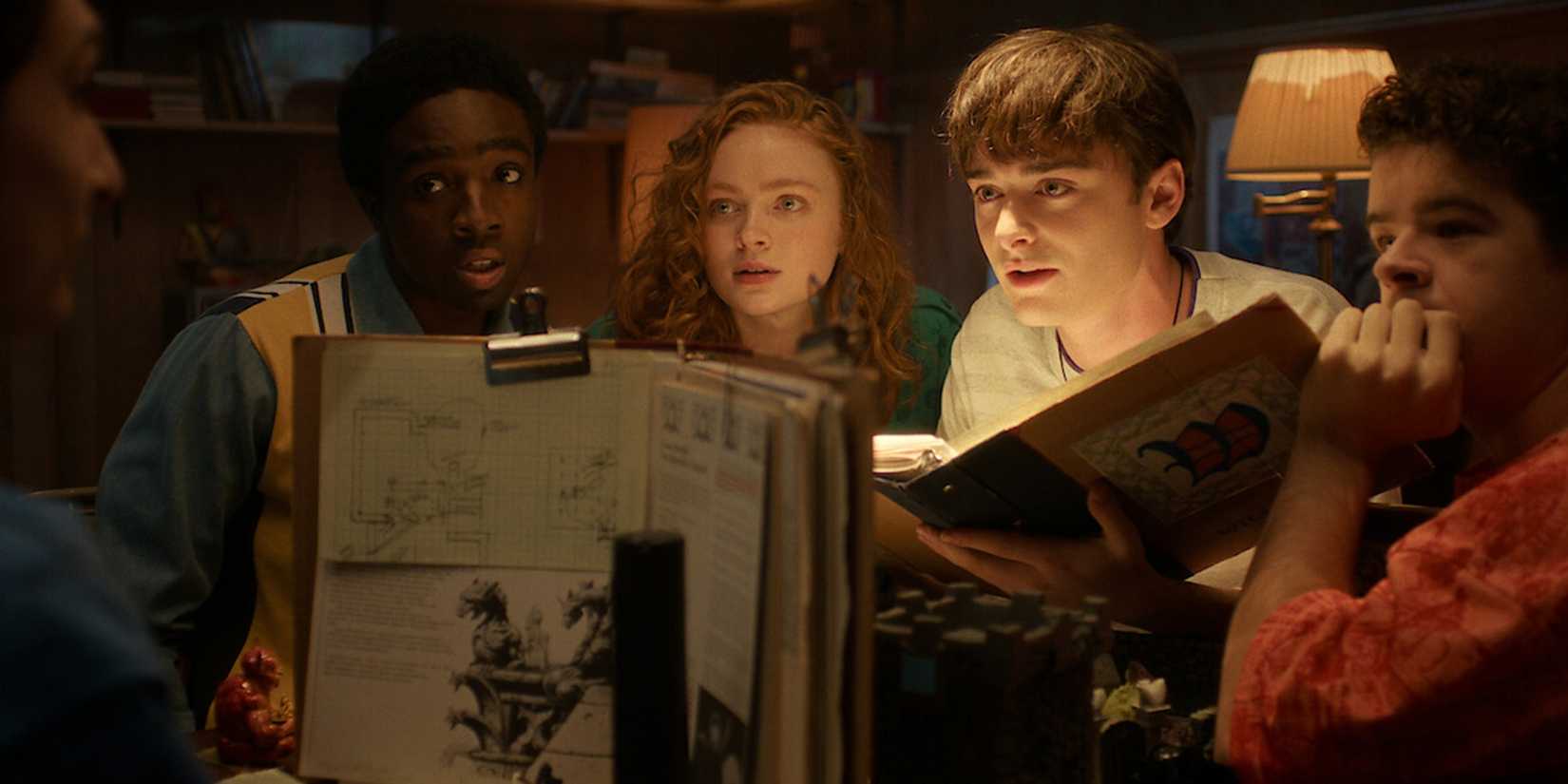
After five seasons in a decade, Stranger Things ended with a feature-length series finale that was disappointing to say the least. What was once a curious blend of Stephen King and Steven Spielberg had devolved into a bland, brightly lit Marvel-style action blockbuster. The final battle in the Upside Down is the pinnacle of the greenscreen sludge seen in the show’s later seasons.
There were way too many characters to keep track of, many of whom weren’t all that interesting, and the stakes were non-existent. The writers finally killed off one major character, but even had the gall to suggest they might not be dead after all. A lot of the closing Return of the King epilogues feel disingenuous, especially the ones more interested in setting up future spinoffs than wrapping up the story at hand.
Sex Education
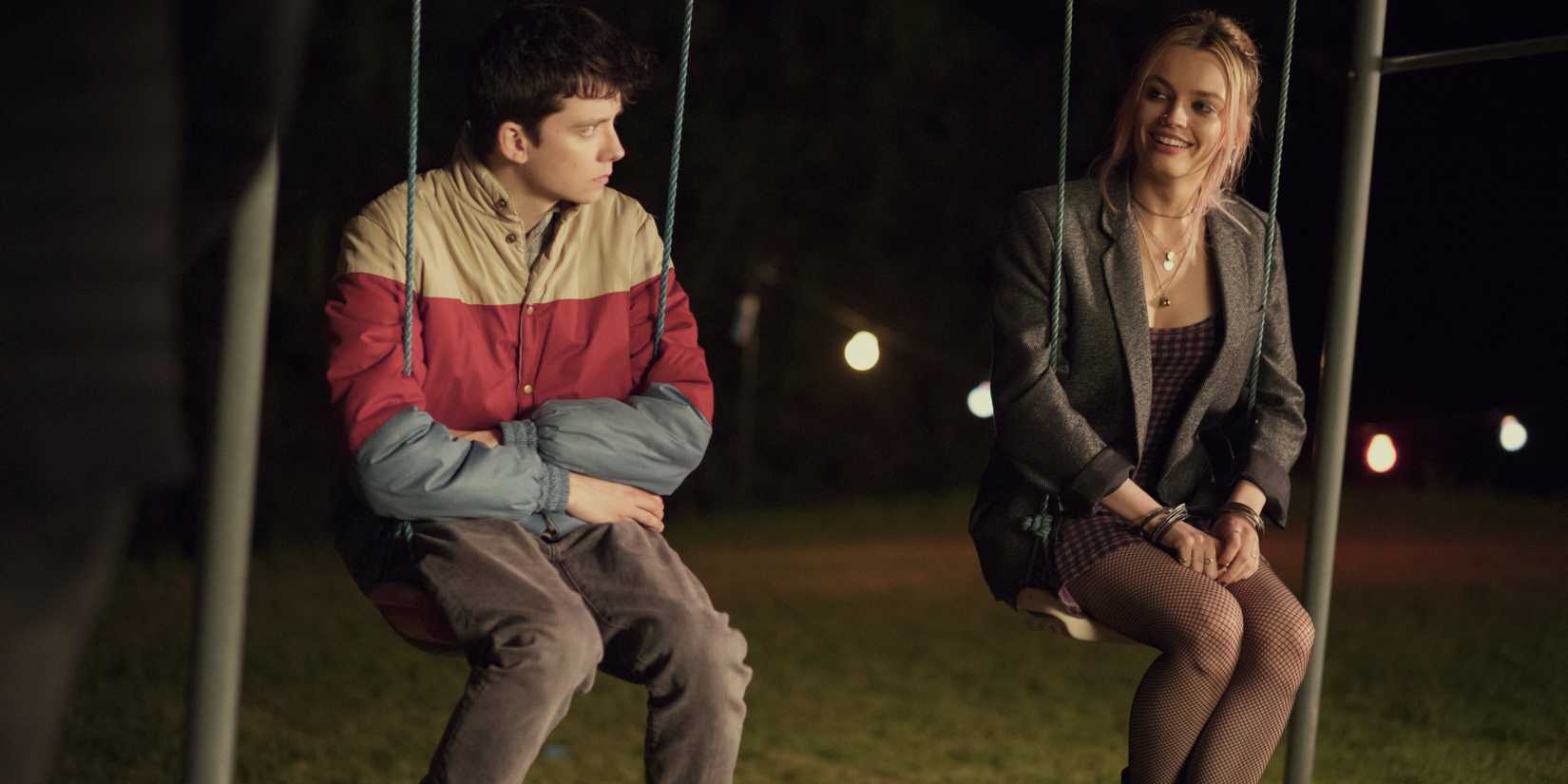
In its fourth and final season, Sex Education made the fatal mistake that a lot of shows do in their last season: introduced a bunch of new characters with half-baked storylines. I understand the temptation for writers to create new characters when they’re running out of ideas for the existing ones, but the final season needs to be a culmination.
These new characters, who didn’t resonate with viewers at all, took a lot of time away from the characters we know and love in Sex Education’s final season. Plus, while it might’ve been more realistic for Otis and Maeve not to end up together, it was disappointing as a viewer.
The Umbrella Academy

The first three seasons of The Umbrella Academy did a great job of exploring the impact of parental abuse. It showed us that abusive parenting affects everyone involved in a negative way, and explored how difficult it is to forgive family members for their wrongdoing.
Then, the series finale undermined all that thematic development by giving Reginald Hargreeves a happy ending with his wife, and ensuring that all the siblings’ trauma and triumph was for nothing, because they won’t be remembered. It was the opposite of the message the rest of the series had carried.
Disenchantment

Matt Groening’s long-awaited follow-up to The Simpsons and Futurama wasn’t exactly the blockbuster hit it was hyped up to be. Groening’s star-studded spoof of medieval fantasy should’ve been the next big thing, but Disenchantment quietly came and went with a five-season run watched only by dedicated fans.
Disenchantment was a decent enough show for most of its run, but the series finale was a massive let-down. Bean needed to have a final moment with everyone to give the audience some closure, but she just took off without saying goodbye.
House Of Cards

After everything that came out about Kevin Spacey, it was a no-brainer for Netflix to drop him from House of Cards. But then, they were left with an incomplete smash-hit show that no longer had a lead actor. Robin Wright made an admirable effort to take over in Spacey’s absence, but Claire just wasn’t as interesting a character as Frank.
The final season overcomplicated the plot and didn’t leave enough time for closure, so the finale rushes the ending. It was a sad end to a once-mighty show.
Gilmore Girls: A Year In The Life

Gilmore Girls: A Year in the Life is a fascinating case study in how to ruin a TV show in four words. The notorious last four words in the Gilmore Girls sequel see Rory quietly telling her mom that she’s pregnant.
It just repeated familiar storylines (and familiar disappointments). In the original series finale, we never got to see Lorelai and Luke get married. In the new series finale, they get married, but we still don’t see the wedding. And the pregnancy reveal basically just turns Rory into Lorelai 2.0.
Bloodline
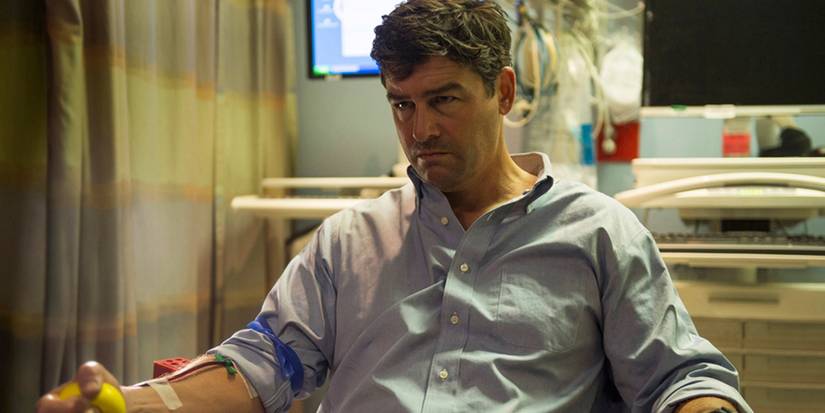
Bloodline is one of the early shows that established Netflix as a new home for prestige television, whose original programming was just as compelling as that of HBO or Showtime or AMC. But this family saga culminated in a pretty disappointing ending.
After following the Rayburn family for three seasons, it was frustrating to see so many questions left unanswered and loose ends left un-tied-up. And the answers and payoffs we did get just weren’t satisfying.
Chilling Adventures Of Sabrina
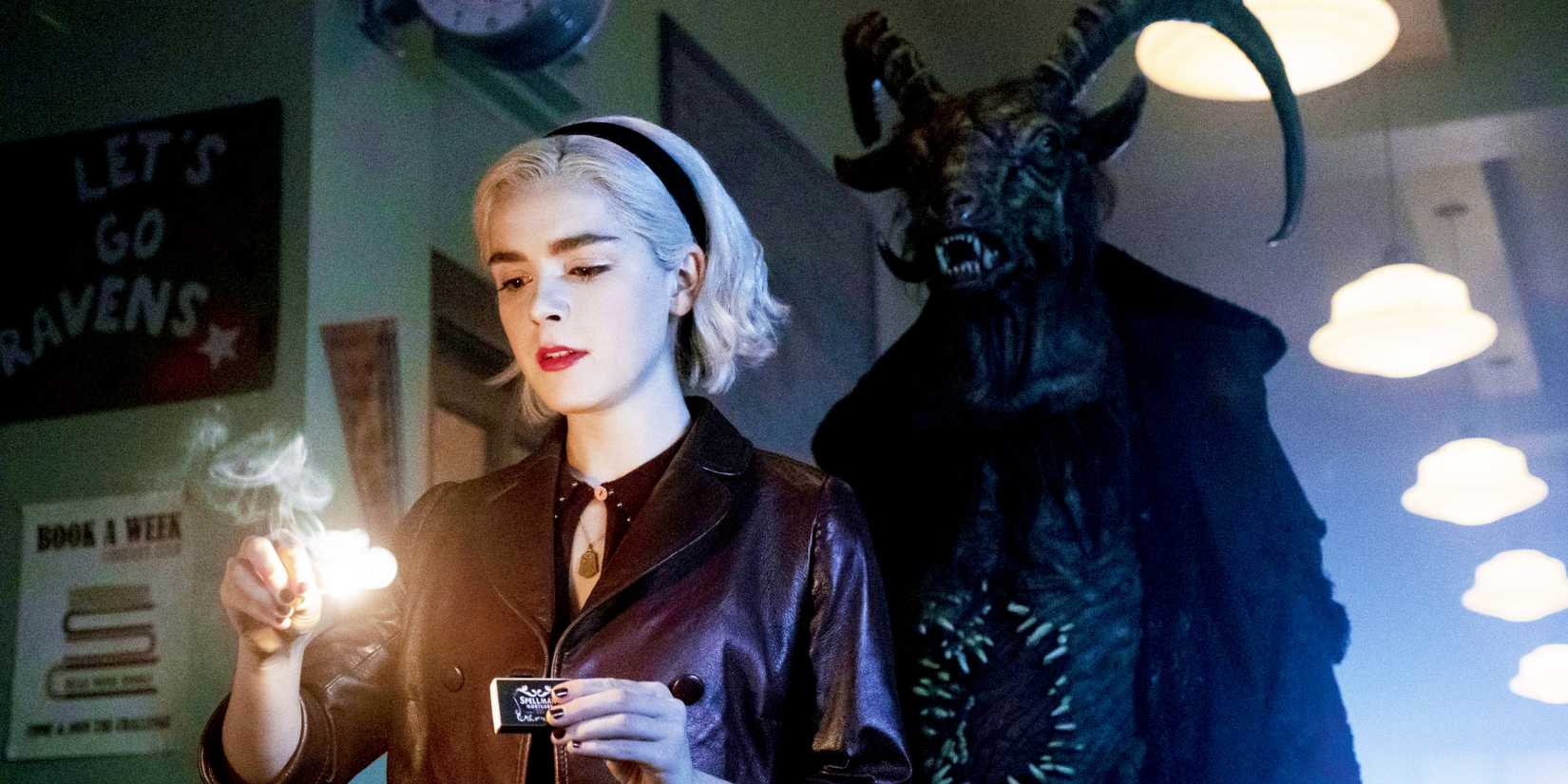
Chilling Adventures of Sabrina was much darker than the ’90s sitcom that inspired it, but it might’ve gone a bit too dark in the finale. In the final episode, Sabrina makes the ultimate sacrifice and takes part in a dangerous spell that kills her.
It was a bit underwhelming that Sabrina met such a grim fate in the finale. It’s akin to Dr. Sam Beckett never making the leap home in Quantum Leap.
Squid Game
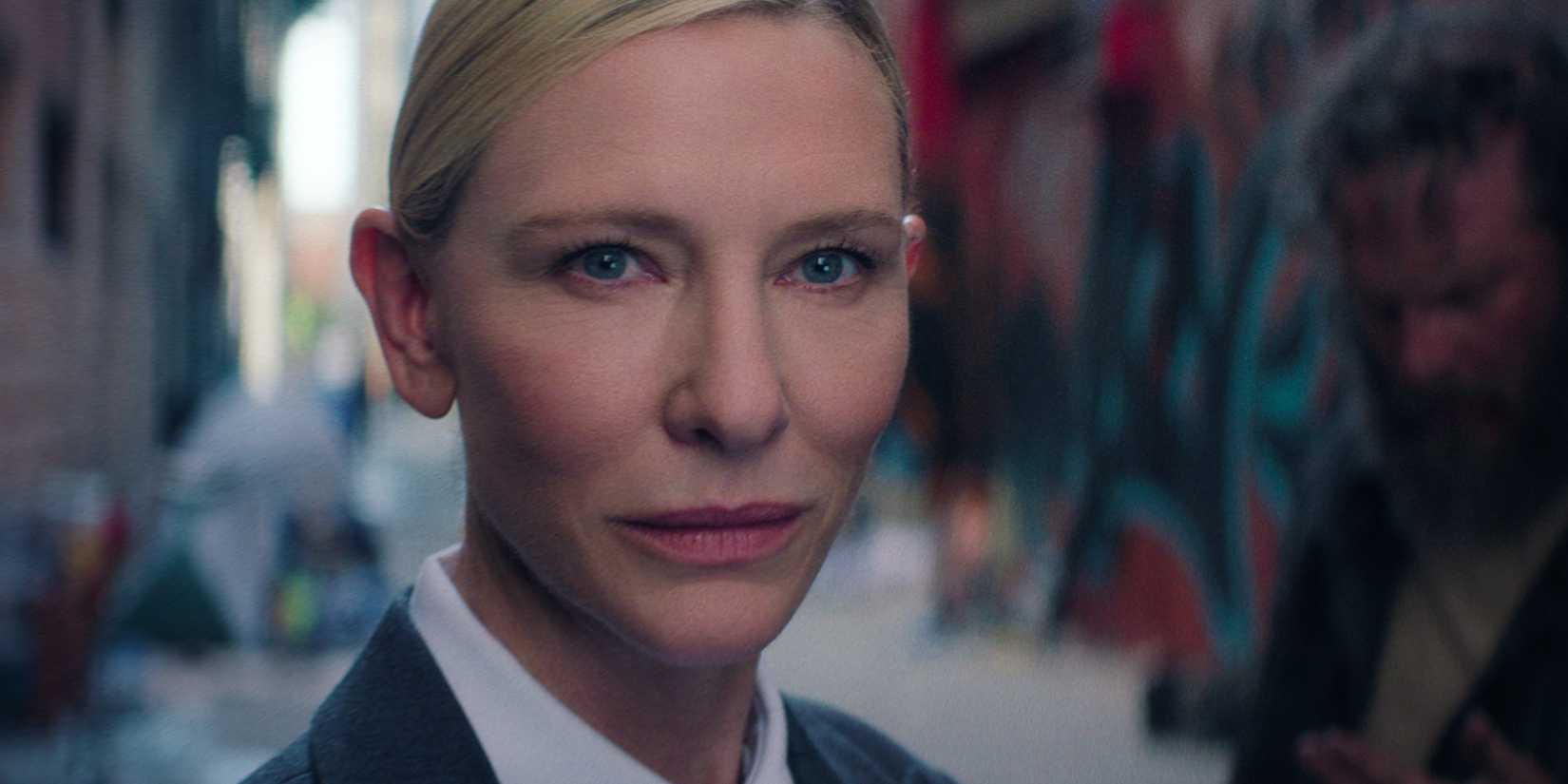
When Squid Game premiered, it struck a chord with audiences around the world and became a bigger hit than anyone was expecting. After that record-breaking first season captivated viewers stuck in lockdown, Netflix milked Squid Game for another two seasons.
But the ending didn’t live up to the hype. It felt very cheap and hollow and corporatized. It’s more interested in advertising the upcoming American version than concluding its own story in a satisfactory way.
Ozark
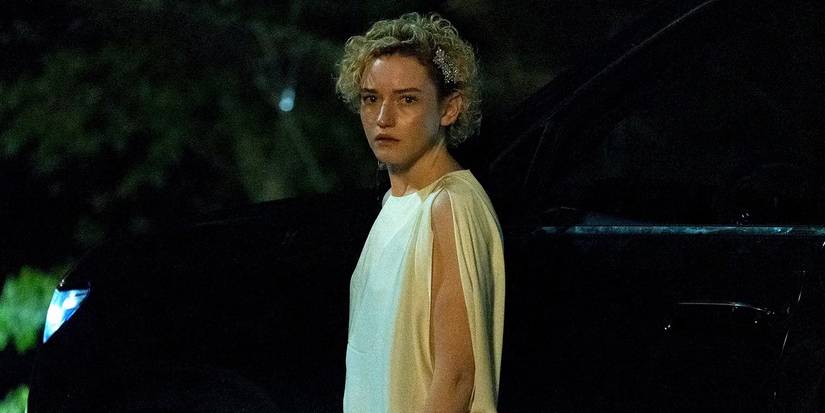
For most of its run, Ozark was an interesting counterpoint to Breaking Bad, where a suburban family is forced to become a criminal enterprise to pay for the sins of the father. In four seasons, the show made nary a misstep. But the series finale was an epic misfire.
The car crash teased earlier in the season turned out to be a big bowl of nothing, because they all emerged from the wreckage unscathed. The breakout character of the series, Ruth Langmore, was killed in a way that felt out of character (she was much too smart to go out like that). The cut-to-black on a gunshot was the final insult — that’s one of the oldest, lamest clichés in the book.




 English (US) ·