.png)
This year’s top-rated scores feature a wide range of sounds and styles, but if there is a single element that unites most of them, it’s this: The composers were invited to begin writing before the director even started shooting.
It’s a growing trend, and a welcome one among composers who, for decades, were hired in post-production and given as little as two weeks to write mountains of music with the hope that it would meet the needs of the film. The extra time allows artists the luxury of lengthy discussion and a more nuanced approach to the score.
Simon Franglen wrote his first theme for “Avatar: Fire and Ash” more than seven years ago, while director James Cameron was still shooting the second and third installments of the trilogy, and spent the last two and a half years working solely on his three-hour-plus score.
“This had to be a new score. It had to have new colors and new textures,” the composer says. He called on 100 musicians and choirs of up to 80 voices singing in the invented Na’vi language of the planet Pandora, and he even had to invent new musical instruments, as the nomadic Wind Trader people are seen playing them on screen.
“This is a good old-fashioned cinematic epic, and there is something about orchestra that is an essential part of the blockbuster experience,” Franglen notes. Cameron feels that “musicians are every bit as important as the actors in terms of the emotion that they bring to it.”
Director Noah Baumbach hired composer Nicholas Britell more than six months before he began shooting “Jay Kelly.” “It was really a two-year set of conversations and explorations,” Britell says. “From the beginning, Noah wanted the score to be a character in the movie. He wanted ‘a real movie-movie score.'”
That’s Britell playing piano throughout the score, but it’s a special instrument: a “felt piano,” which places felt between the hammers and the strings for a softer, slightly muffled sound. “That became a metaphor for Jay’s journey, the idea there’s beauty but also restraint, a search that’s not quite expressing the fullness that it might have.”
Baumbach even invited Britell to the set in Tuscany, where he played his themes for the cast and crew.
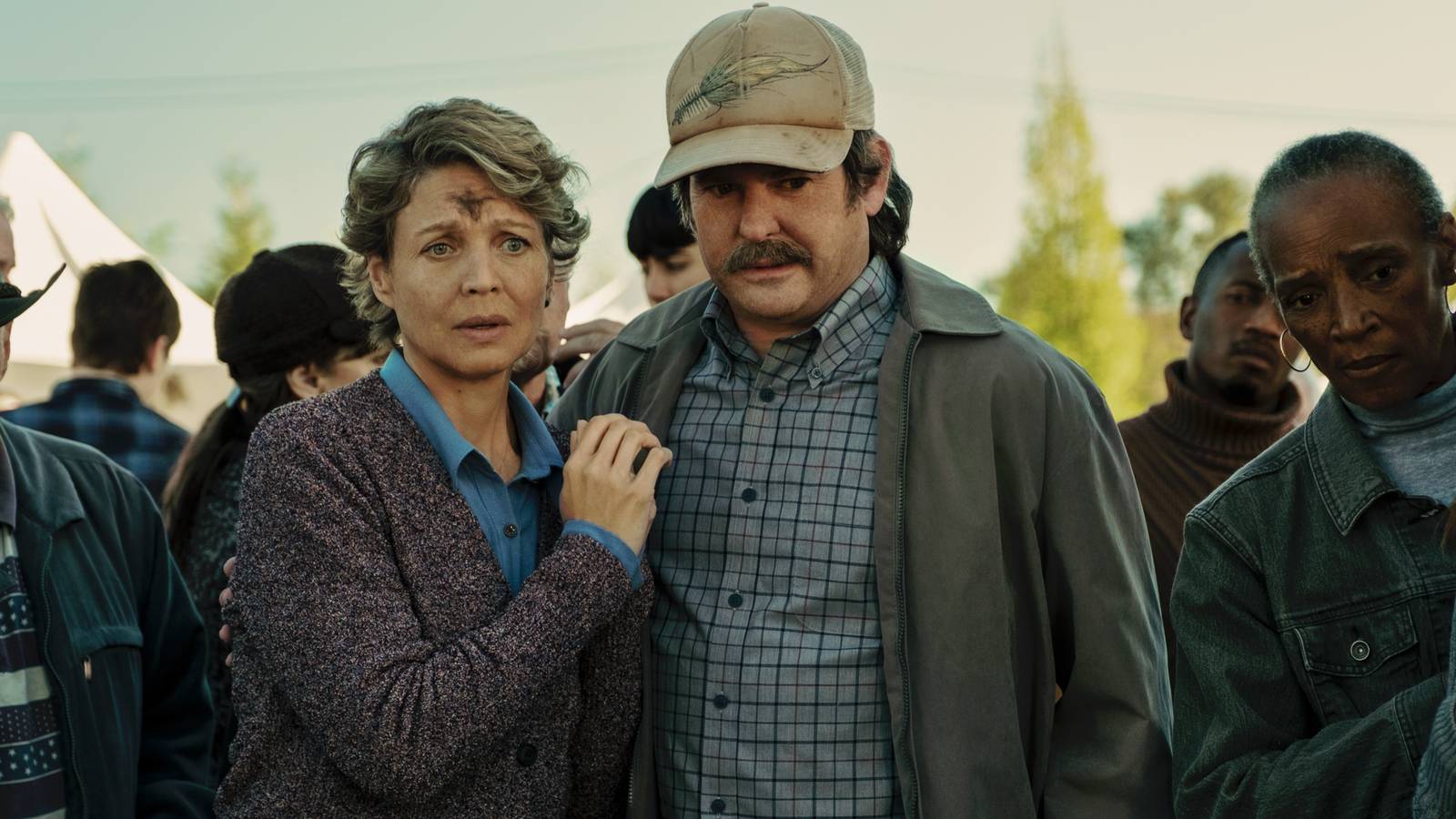
Bryce Dessner, too, was hired before filming began on “Train Dreams.” He not only had the script, he was seeing dailies as he was composing. “I wanted the music to have time to develop,” Dessner says, “so a lot of the pieces were written off-picture. The main theme was a five-minute string composition, like an aria that never quite finishes its sentence, a melody that keeps beginning and stopping, as an analog to Robert Grainier’s life.”
Dessner played guitar and piano, hired a string quartet from the Oregon Symphony and recorded much of the score with “a kind of analog feeling, in old studios that don’t do film music, with a lot of old ribbon microphones and upright pianos that were barely in tune—the kind of instrument that you’d find in your grandmother’s parlor.”
French composer David Letellier (billed as Kangding Ray) spent a year and a half talking with director Oliver Laxe, and creating electronic music for him, before Laxe began filming the ravers-in-the-Sahara saga “Sirat” in Spain. Letellier has played his techno dance music for hundreds of raves around the world; this is only his second film score.
“The rave stuff is what I do every weekend,” he says. “But for the second part (of the film), there was a strong spiritual layer, almost transcendental. I used the same (musical) elements and basically disintegrated them as the film dissolves into something at times brutal, at times emotional and at times hopeful. What is left is ambient and ethereal.”





 English (US) ·