.png)
 1 week ago
23
1 week ago
23
You can lose the thread of a shoot by staring at tools instead of the scene. This video is about pulling attention back to what you see, what feels right, and why that shift changes how you work in the field.
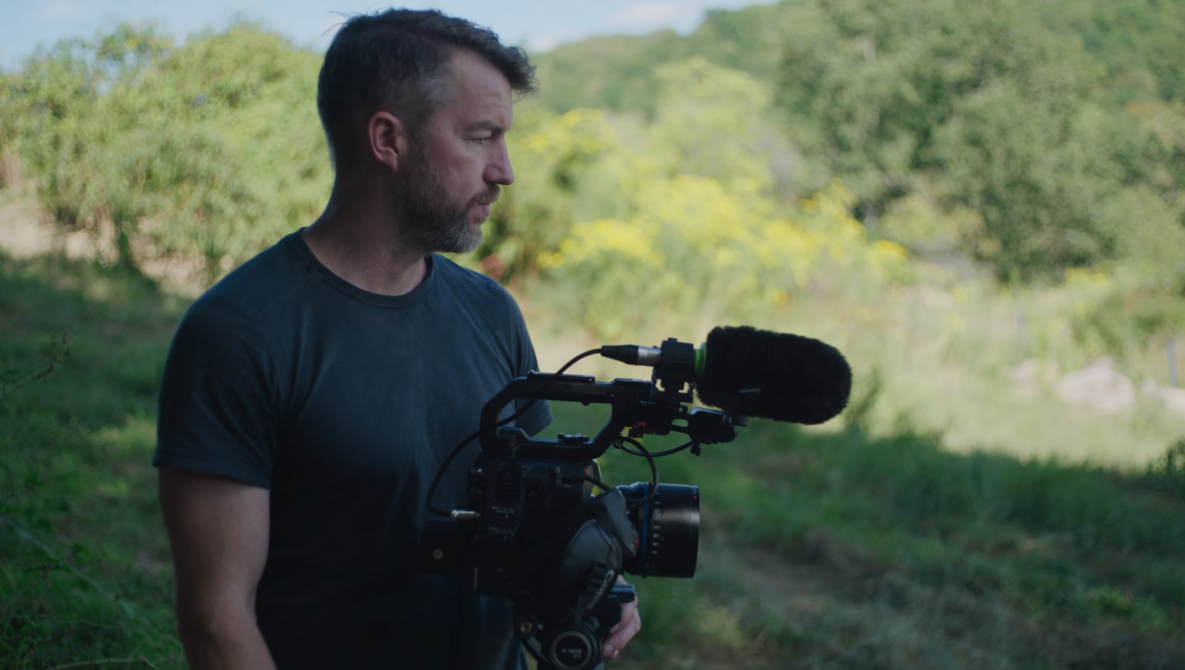
Coming to you from Andrew Banner, this reflective video pushes back on the habit of constantly checking the histogram. Banner is clear that the histogram is useful, but he treats it as optional rather than authoritative. He explains how often he adjusts exposure by eye using the rear screen, even knowing it shows a jpeg preview while shooting raw. The point is not technical purity, but momentum. When you already understand the light in front of you, the camera does not need to confirm what your eyes can see.
Banner expands that idea into a broader warning about being ruled by camera features. He spends time on shooting modes, especially the pressure some people feel to use full manual. He explains why aperture priority works better for much of his outdoor work, especially when nothing is moving quickly and a tripod is already in play. This matters if you have ever felt quietly judged for using the “wrong” mode. The video frames camera automation as a tool, not a shortcut, and reminds you that comfort with your settings often leads to better decisions in the moment.
The middle of the video shifts away from exposure and into seeing. Banner talks about why woodland scenes feel overwhelming and why trees are harder to photograph than they look. In three dimensions, the chaos makes sense. In two dimensions, it collapses into clutter. His solution is not dramatic light or wide angle exaggeration, but isolating shapes that separate cleanly from their surroundings. He demonstrates this with branches, ground textures, and small sections of the forest that hold together visually without explanation. The emphasis stays on simplicity, not rules.
Depth of field becomes part of that conversation without turning into a spec discussion. Banner shoots wide open at f/2.8 and explains why distance matters more than aperture alone. If your lens is slower, he suggests moving closer instead of worrying about gear limits. He shows how a narrow plane of focus can turn an ordinary subject into something deliberate, especially when the background is busy. The examples stay grounded and imperfect, which makes the advice easier to trust.
Later, Banner contrasts casual shooting with more deliberate setups. A small mushroom becomes the subject, and instead of building a full macro scene, he works handheld, nudging distractions out of the frame and trying variations quickly. He talks openly about practice images and why low expectations can lead to better results. The video also touches on light, challenging the idea that sunrise and sunset are always best. Flat, overcast conditions in the woods reduce contrast and simplify exposure decisions, which fits the earlier point about ignoring the histogram when extremes are not present.
Toward the end, Banner brings tools back in, but only where they solve a clear problem. He uses in-camera focus bracketing and stacking to handle a subject that sits at an angle to the sensor. He describes the setup plainly, including frame count and aperture, and makes it clear he is not chasing perfection. “Good enough” is presented as a working standard, not a failure. The final images, including a pine cone shot, reinforce the idea that technique should serve intent, not the other way around. Check out the video above for the full rundown from Banner.





 English (US) ·