.png)
 1 day ago
7
1 day ago
7
The Viltrox AF 56mm f/1.2 Pro just landed in Nikon Z mount, and it is aimed straight at that classic portrait look on APS-C. If you shoot people on Nikon DX and you want strong separation without jumping to larger, pricier full frame glass, this lens sits right on the pressure point.
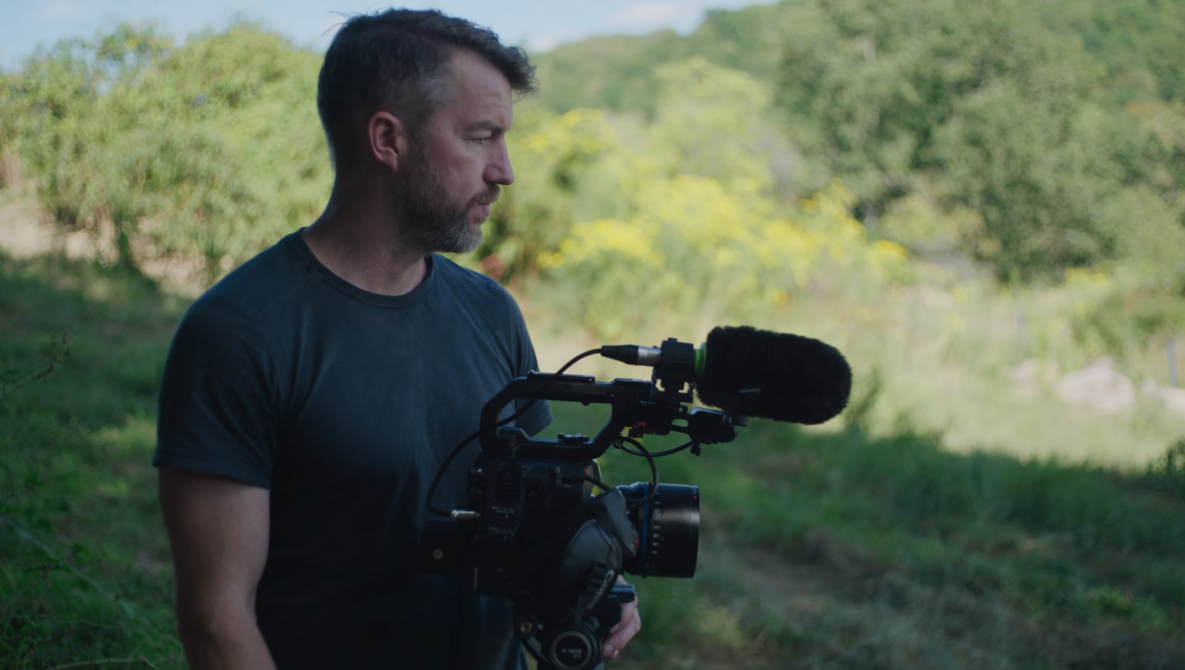
Coming to you from Christopher Frost, this no-nonsense video focuses on the Viltrox AF 56mm f/1.2 Pro. Frost frames 56mm on APS-C as the familiar 85mm full frame angle of view, so you already know what kind of framing and perspective you are getting for headshots and tighter portraits. He also keeps your expectations aligned: this is an APS-C image circle lens, so it is meant for DX capture, not full frame coverage. On a body like the Nikon Z7, the camera treats it as a crop lens and locks you into DX crop mode, so your “maybe I’ll use the whole sensor anyway” idea dies quickly. That matters if you were planning to buy one lens that can float between a DX body and a full frame body without compromise. He spends time on how the lens handles, because comfort and controls are what you notice on day one.
The build details are surprisingly relevant at f/1.2, where small handling annoyances can turn into missed shots. The lens is metal-bodied, weather-sealed at the mount, and includes a USB-C port for firmware updates, which hints at long-term support rather than a one-off release. It is also heavy for an APS-C prime at roughly 570 g, so it will change the balance on smaller Nikon DX bodies, especially if you shoot one-handed while directing a subject. Frost calls out an aperture ring that can be clicked in 1/3 stops or switched to smooth rotation for video, plus an AF/MF switch and a customizable hold button. There is a specific gotcha: the ring’s “A” position can be bumped too easily toward smaller apertures, and that is the kind of mistake you only notice after you look at the back screen and wonder why everything suddenly looks different.
Image quality is where the stakes get real, and Frost tests it in a way that maps cleanly to how you shoot. Wide open at f/1.2, he reports strong center sharpness and healthy contrast, then shows how a small stop down changes the look without needing a rescue. He checks corners too, which is where fast lenses often fall apart, and he suggests the lens holds together better than you might expect on a 20-megapixel DX crop. Close-up work gets its own attention: at the minimum focus distance, sharpness stays decent at f/1.2 but contrast drops and some color fringing can show up, and stopping down improves that behavior. He also references a set of other optical behaviors he has already measured elsewhere, like distortion, vignetting, bright-light performance, background blur character, and focus breathing, and he does not re-litigate every detail here.
You should watch this video if you care about the difference between “sharp enough” and “easy to trust” at f/1.2. The price is positioned as a real purchase rather than an impulse add-on, and that puts pressure on details like autofocus reliability, the feel of the aperture controls, and whether the lens stays consistent across distances. Frost describes autofocus as silent, accurate, and fast in both single and continuous modes, which is what you need when you are trying to hold eye focus while you talk, move, and reframe. The lack of optical stabilization means you will lean on shutter speed and technique more than the lens will bail you out, particularly in dim indoor light. If you are deciding between a bright DX prime and a slower full frame option, the crop-only behavior and the way the lens balances on your camera deserve as much attention as the sharpness samples. Check out the video above for the full rundown from Frost.






 English (US) ·