.png)
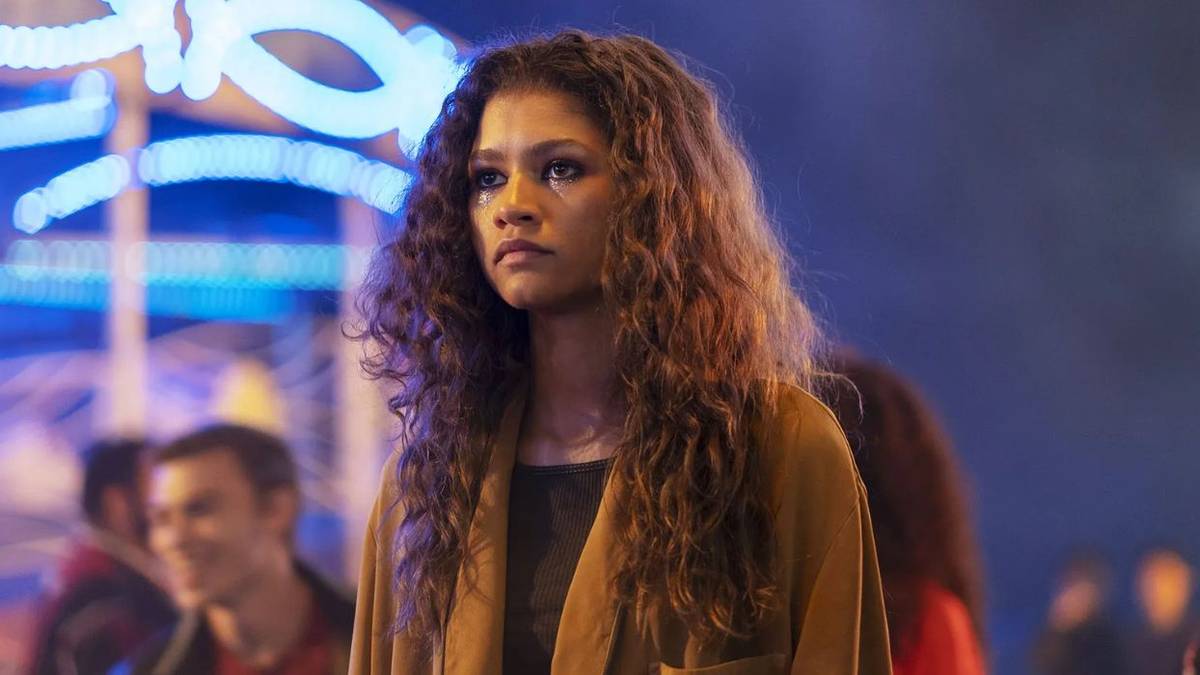 Image via HBO

Jessica is a journalist, editor, TCA critic, and multimedia storyteller with a decade of experience covering pop culture, film, TV, women's sports, lifestyle, and more. She earned her degree in journalism from the University of North Carolina-Wilmington with a focus in creative writing before moving to N.Y.C. and getting her start at The Huffington Post. (She still misses those nap pods.) She's covered multiple film festivals, recapped some of your favorite series, worked too many red carpets to count, and even yapped on a podcast or two. When she’s not interviewing your favorite showrunner or ranking Ryan Gosling's best roles for places like UPROXX, Teen Vogue, Marie Claire, The Daily Beast, and Cosmopolitan, she’s busy being a full-time hype woman to her cat, Finn. You can find her on Bluesky and, sadly, Twitter.
When Euphoria premiered on HBO in 2019, it was framed as something close to unprecedented: a teen drama that pulled no punches. The network leaned hard into the idea that the show was singular, not just timely but essential — a hyper-American portrait of suburban adolescents spiraling under the glow of iPhones, glitter, trauma, and unchecked freedom, filtered through Sam Levinson’s stylized lens. The plot often felt secondary to the atmosphere. What mattered was the sensation of watching it: the music, the lighting, the sense that this was television speaking directly to a generation.
But the show that proved Zendaya was, in fact, a generational talent, wasn’t actually born in Los Angeles… it was imported. Euphoria wasn’t an original invention, and it wasn’t even American. Nearly a decade earlier, an Israeli series of the same name aired for one season, built around many of the same themes but structured very differently. Its story starts with a murder, not an overdose; the fallout of a real-life crime that rocked the country years earlier. And its plot traded HBO’s soapy excess for something darker and, arguably, more disturbing, with a narrative driven by a traumatized boy fantasizing that his dead best friend is still alive. Before the show's third season lands, we combed through the internet’s archives to find out which storylines from the original survived the trip overseas and which got left behind.
What Show Inspired HBO's 'Euphoria'?
The original Euphoria aired in Israel in 2012 on a channel called Hot 3, ran for a single ten-episode season, and then effectively disappeared. (You’ll have to go treasure hunting with a VPN to find any clips now.) Created by Ron Leshem — who would later stay on as an executive producer for HBO’s version — the series was unsparing and largely uninterested in audience comfort. Conservative backlash over its depictions of teen sex, drugs, and violence helped limit its lifespan, and unlike its American counterpart, it never benefited from a streaming afterlife that could reach more niche audiences. The irony, of course, is that this short-lived, largely inaccessible series went on to become the foundation for one of HBO’s most profitable and culturally dominant shows, a reminder that prestige TV’s memory is much longer than our own.

Related
The most significant difference between the two versions of Euphoria is how they begin. The Israeli series opens in the aftermath of a murder inspired by the real-life killing of teenager Ra’anan Levy, an act of impulsive violence that permanently fractures its characters’ lives. HBO’s Euphoria, on the other hand, centers on addiction and grief as its inescapable cycles whose catalysts aren’t as important as their consequences. Basically, the American version worries over the way teens compartmentalize societal pressures while the Israeli series is preoccupied with what happens after a specific tragedy upends a community.
The Israeli 'Euphoria' Has a Protagonist Very Different From Rue
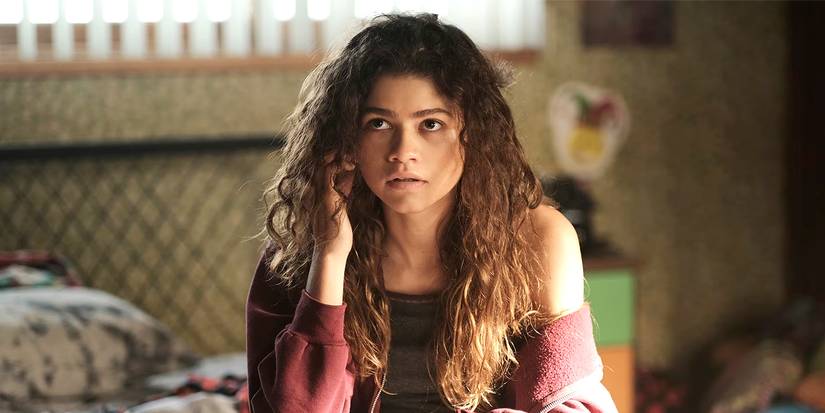 Image via HBO
Despite surface similarities, Hofit – the Israeli counterpart to Rue – is not the emotional center of the original series. That role belongs to Kino, the murdered boy’s childhood friend and the show’s narrator, who processes his trauma by imagining Ra’anan is still alive. His perspective re-frames the story, giving it more of a true crime feel as Kino observes the people directly (and indirectly) responsible for his friend’s death. At the other end of the spectrum, HBO’s Euphoria chooses to center one character’s interiority: Rue. Her pain, loss, and inability to cope with personal trauma guides the audience through the halls of East Highland High School.
There’s an unsettling distance in how the Israeli version tells its story. Kino’s a bit of an outsider and grieving his friend more intensely than anyone else, while HBO’s version is fairly neat and easy to digest. Rue tells us how to feel about her peers (and their parents) before we ever have to make our own judgments based on their poor behavior. Both storytelling modes work, but their vibes are completely different.
How Are 'Euphoria's Characters Different?
 Image via HBO
Many of HBO’s most recognizable characters have loose equivalents in the Israeli series, but their arcs aren’t softened enough to make them fan favorites. Fez (Angus Cloud) becomes Deker, a cold, manipulative abuser who doesn’t sell drugs but does experiment with them. He ends up sexually assaulting Hofit (Rue) and joins the Israeli Defense Forces where he (accidentally?) overdoses. Kat’s (Barbie Ferreira) body-confidence arc appears in a character named Noy, but stripped of empowerment rhetoric and capped off with an HIV diagnosis. Ashtray’s (Javon Walton) counterpart is a boy named Tomer (no relation to Deker/Fez). He’s still menacing and tough, but he lacks some of the innocence of the American version, especially when he murders Hofit’s ex-boyfriend on a live stream and then flees the country. Unfortunately, other mainstays like Jules (Hunter Schafer), Maddy (Alexa Demie), Cassie (Sydney Sweeney), Nate (Jacob Elordi), and Lexie (Maude Apatow) aren’t in the Israeli version at all, which really narrows the show’s focus and means Hofit is left to shoulder a lot of the traumatic twists.
How HBO's Version Became a Cultural Phenomenon
Ultimately, Levinson didn’t just update a show for a new audience, he translated it into a very specific, very modern American cultural language. Addiction is the main problem here, as is the preoccupation with wealth, status, and power. Trauma is filtered through style and aesthetics, and there’s a focus on individual pain versus wider, societal consequences. HBO’s Euphoria is less about what happens when the unthinkable occurs and more about how untenable our daily existence is for younger generations.
That’s also why the Israeli Euphoria disappeared while HBO’s version became impossible to ignore. The original was perhaps too raw, too blunt for its audience, and didn’t have the social media amplification to keep it alive. The American show packages adversity and turmoil into something consumable and endlessly entertaining, soaking it in glitter and TikTok-ready memes to sand down its edges while keeping its grit.







 English (US) ·