.png)

Nicolas Ayala is a Senior Writer for the Comics team at ScreenRant, with over five years of experience writing about Superhero media, action movies, and TV shows.
DC is fortunate to have James Gunn take on the challenge of building an entirely new cinematic universe across both film and television, but one challenge looms on the horizon. James Gunn understands exactly how to translate dense comic book mythology into accessible, audience-friendly storytelling. Projects like Superman and Peacemaker season 2 demonstrate that he can balance spectacle and character-driven drama while laying the groundwork for a cohesive multimedia franchise.
Just as importantly, Gunn is a genuine fan of the art he creates. It was Gunn who turned the once-obscure Guardians of the Galaxy into Avengers-level icons, transformed Peacemaker into an unlikely pop culture phenomenon, and nailed Superman's tone for the contemporary superhero landscape. Still, no matter how talented and dedicated he is, James Gunn himself is not a superhero.
James Gunn's Hands May Be Too Full With The DC Universe
James Gunn Cannot Stretch Himself Too Thin Indefinitely
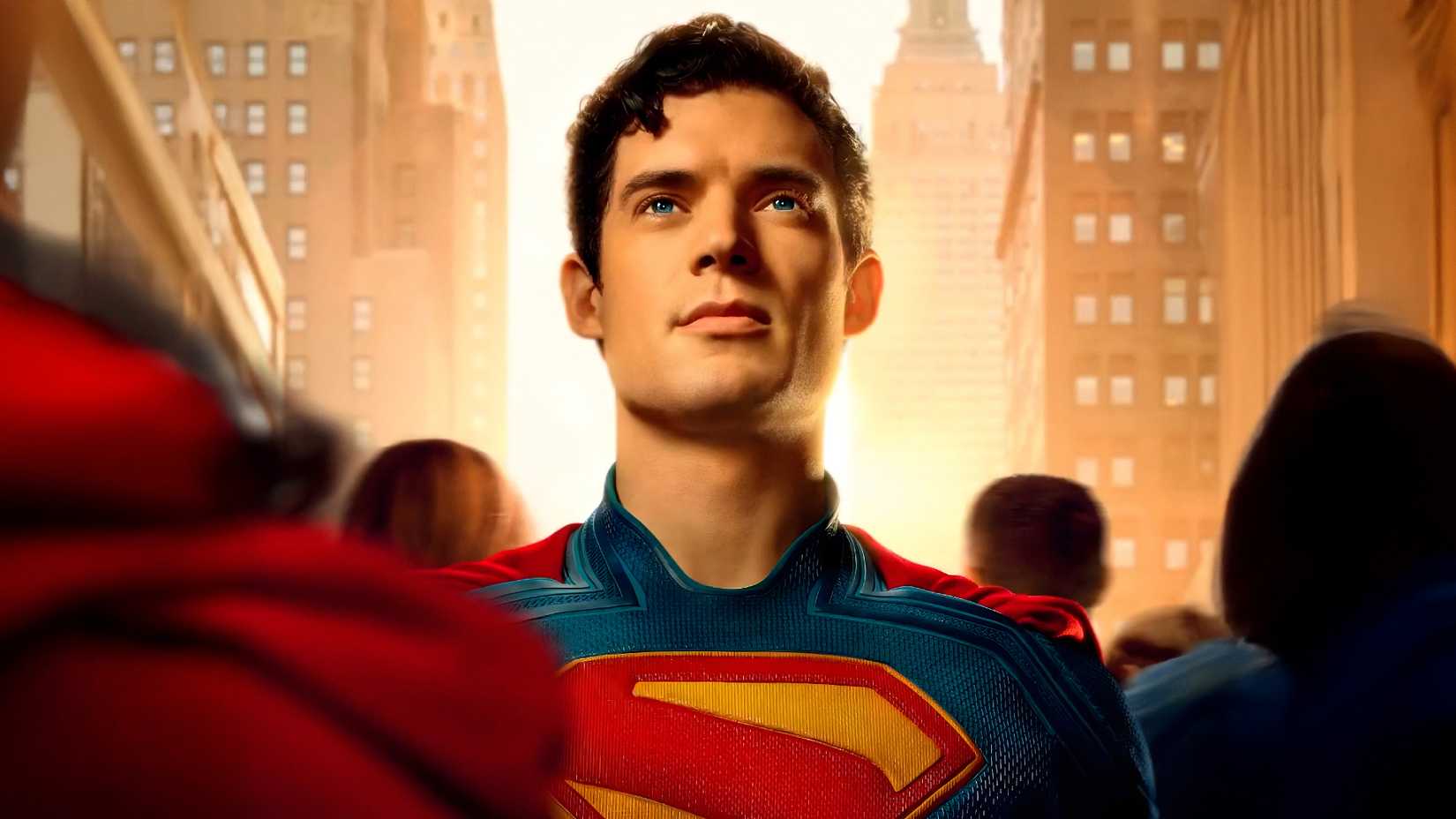
James Gunn’s role as head of DC Studios and director of multiple DCU projects is unprecedented. With his experience helming some of the most succesful and groundbreaking movies in the superhero genre, Gunn guarantees the franchise's quality is both high and consistent. Gunn is simultaneously a hands-on writer, director, and creative architect. However, even Gunn himself is unsure whether this model is sustainable. In an interview with Variety, Gunn says:
"I originally said no to the job. I didn’t want to do what Kevin Feige does. But once Peter and I realized we’d be doing it together, it became exciting. I still don’t know if it’s sustainable long-term. It’s a lot. There just aren’t enough hours in the day."
The scope of Gunn’s responsibilities makes this concern entirely reasonable. Leading DC Studios already involves overseeing interconnected film, television, and animation projects, but Gunn is also actively directing and writing major installments like the upcoming Man of Tomorrow himself. Such a level of creative involvement, paired with executive oversight, places enormous demands of time and energy that can lead the most passionate artist and fan to burnout.
James Gunn and Peter Safran have almost certainly planned for continuity beyond Gunn’s eventual exit. A smooth transition of creative leadership is likely built into DC Studios’ long-term strategy. Still, Gunn’s comments suggest that his tenure may be shorter than expected. If Gunn steps back earlier than planned, the DCU could face a critical inflection point where finding a suitable successor becomes essential.
DC Studios' Approach Is Fundamentally Different From Marvel Studios'
Kevin Feige Is Still Overseeing The MCU 18 Years Later
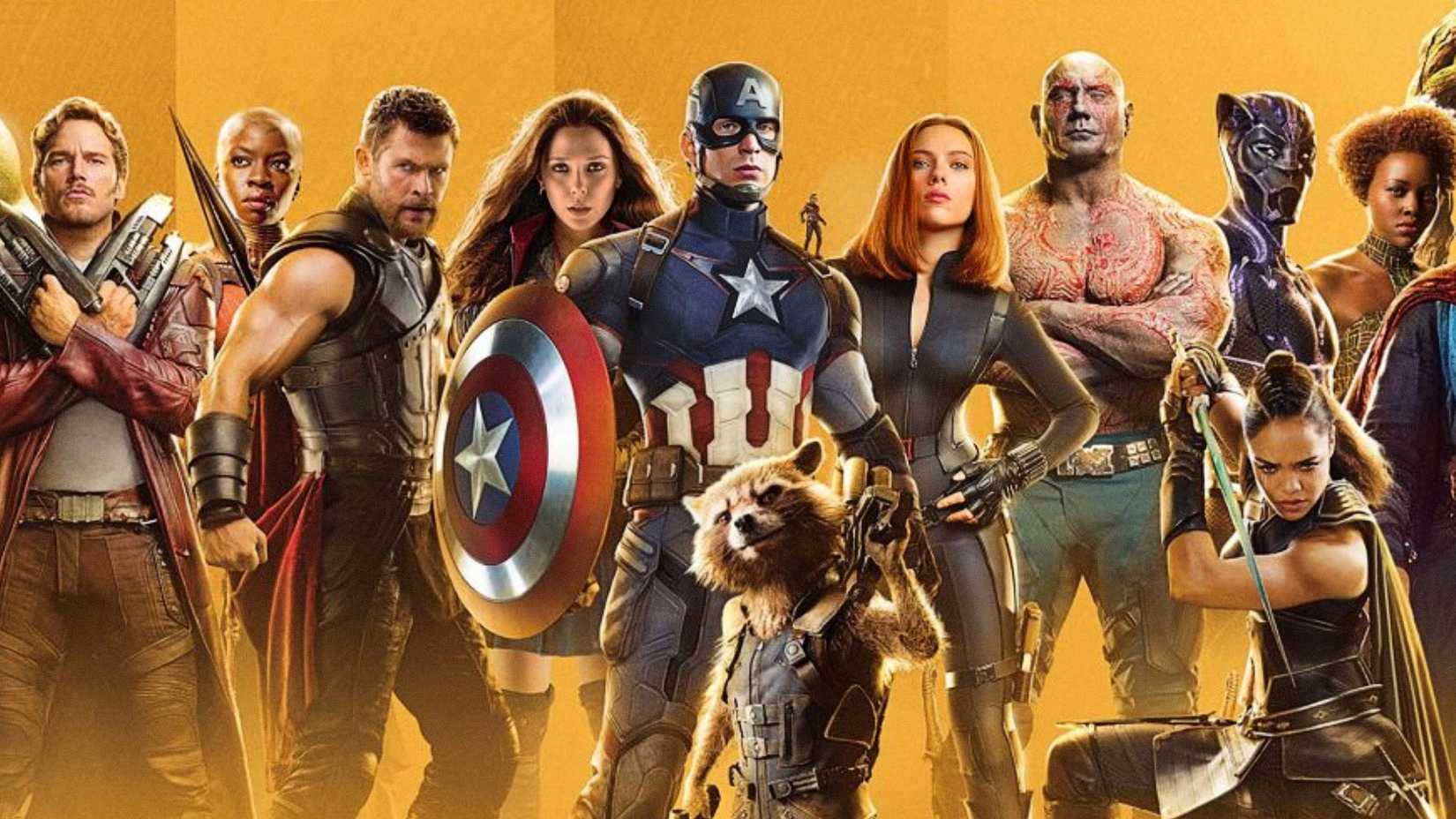
Marvel Studios' Kevin Feige has never written or directed an MCU film. Instead, Feige focuses all his efforts on being a pure producer and architect who coordinates talent, continuity, and long-term planning. That distinction has allowed Feige to run an endurance race, overseeing the MCU for eighteen years and counting, with a structure designed to sustain consistency across decades rather than relying on one creator’s direct artistic output.
DC Studios' James Gunn embraces creative intensity instead of longevity. Gunn is actively writing and directing while shaping the broader universe alongside producer Peter Safran. Neither model is inherently superior. Marvel’s approach prioritizes long-term stability, while DC’s prioritizes auteur-driven cohesion and early momentum. One is built to last indefinitely through delegation, the other to establish a very strong creative identity right off the bat, even if it requires a handoff sooner rather than later.





 English (US) ·