.png)
 21 hours ago
11
21 hours ago
11
Instagram is still where most people will first see your work, even if you also have a website. Ignore it entirely and you hand that first impression to chance.
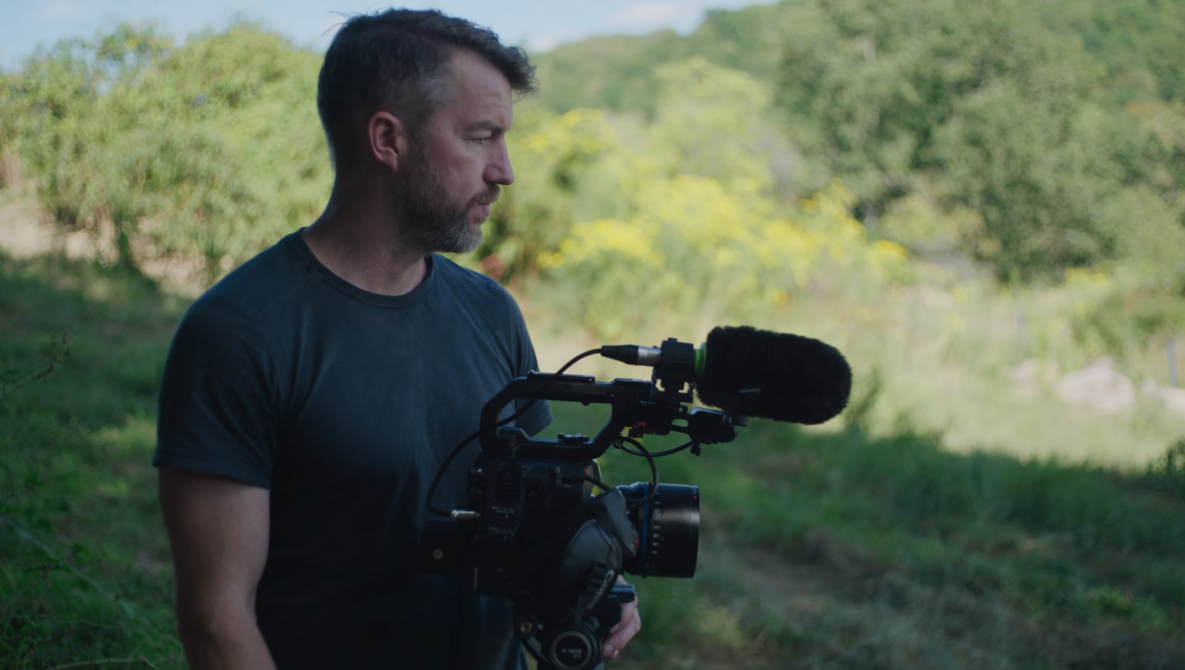
Coming to you from Craig Roberts, this reflective video pushes a simple claim: Instagram is the most useful photo-sharing platform you may not be using. Roberts starts by rewinding to a time when getting seen meant hoping a magazine editor picked your frame for a reader gallery, and the delay between shooting and feedback was built in. That gatekeeper system had a strange upside, since rejection forced you to ask whether the picture was actually strong enough. Now you self-curate, which sounds freeing until you realize self-curation can become self-censorship when you decide nothing is worth posting. Roberts is not telling you to post everything, he is telling you to stop using “I don’t post” as a permanent identity.
He also gets very specific about what confidence looks like, and it is not the kind that comes from hitting “upload.” Confidence starts earlier, behind the camera, in the moment you decide the scene is ready and you press the shutter on purpose. Roberts describes a mindset where you have checked what needs checking, committed to the timing, and moved on without hovering over the back screen to reassure yourself. That is a high bar, and you might not hit it every time, but it changes how you shoot because it forces you to decide what you believe is worth making. If you tend to second-guess every frame, this section will feel uncomfortably familiar.
Then he pulls the conversation away from the usual social media scorekeeping and into what the numbers actually do to your head. Roberts says likes and comments are mostly irrelevant, and he points out something that can mess with your assumptions: Instagram now shows view counts as well. He notices his views can be far higher than his likes, which means plenty of people are looking without tapping the heart button. He admits he does the same thing while browsing other people’s work, which reframes low likes as “quiet attention” instead of “nobody cared.” He draws a hard line on negativity too: if you did not ask for critique, treat random harsh comments as background noise, then decide what kind of feedback you actually want to invite.
If you want the practical takeaway without turning Instagram into a game, Roberts suggests using it like a living gallery that tracks your progress over time. Post what pleases you, not what you think will satisfy an algorithm, and let the sequence of posts show how your eye is changing. If an image is good enough to print and put on a wall at home, it is probably good enough to share publicly. He also mentions that most people will never have a physical exhibition, so Instagram becomes a free virtual exhibition without the logistics, the cost, or the social pressure of a formal event. Check out the video above for the full rundown from Roberts.






 English (US) ·