.png)
 23 hours ago
8
23 hours ago
8
Photography is often spoken about as if it were a competition, measured by likes, awards, or comparisons with others. Yet at its core, photography is a deeply personal practice. The way we see, decide, and capture moments is unique to each of us, shaped by our experiences, timing, and attention. Understanding this distinction is essential to sustaining a meaningful and fulfilling relationship with the creativity that photography allows.
Photography as a Personal Practice
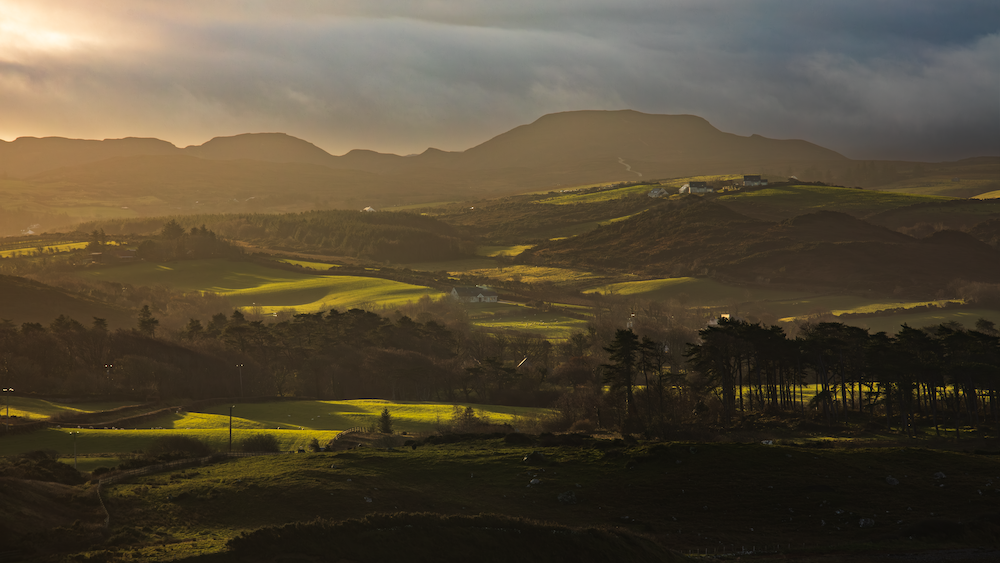
I have been photographing for a long time—long enough to notice patterns in my own behavior, and long enough to see how easily photography can drift away from what first made it meaningful.
At some point, photography started to be spoken about as if it were a contest. Not officially, of course, but in practice. Who is seen more? Who shares more? Who progresses faster? None of that was ever part of why I picked up a camera, yet it slowly crept in around the edges.
Photography, at least as I understand it, is a personal act. You are alone when you take the photograph, even if you are standing beside someone else. You decide where to stand. When to wait. When to walk away. Turning that into something to be measured against others changes its character completely. I do not think photography survives that shift very well.
The Trap of Seeking Approval
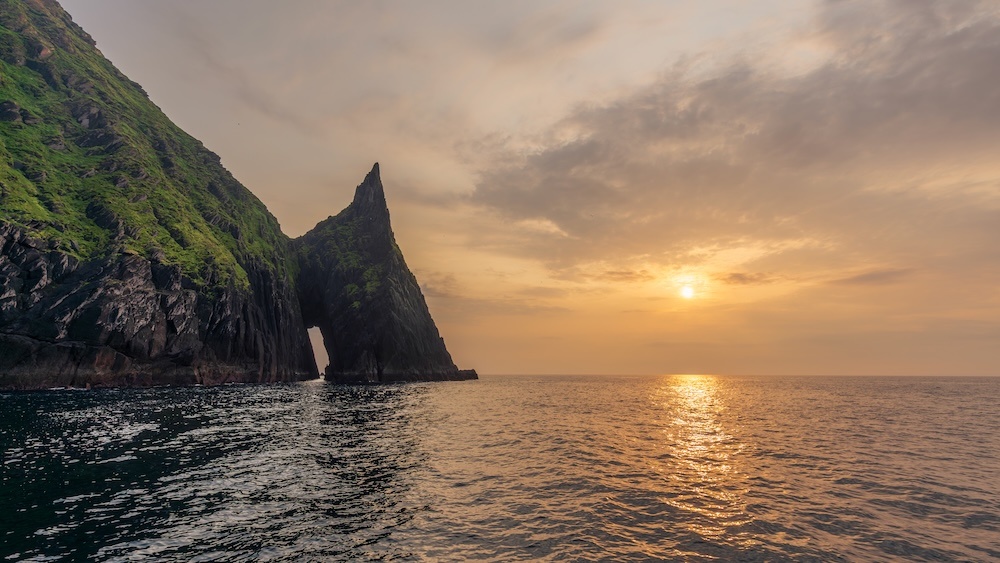
To understand this, we need to be honest with ourselves, for starters. There was a period when I chased approval. I recognized it only after the fact. I would come back from a shoot and immediately think about how an image might land online rather than whether it meant anything to me. I adjusted framing. I avoided certain scenes because they felt too cliché. I leaned toward what I thought would work rather than what had actually caught my attention at the time.
The photographs from that period are fine, technically. But they feel like they lack my personal input or even style, for that matter. I was there, sure, but only partly. Comparison played a large role in that, and I only recognize that now when I look back. I was constantly looking at other photographers’ work and quietly ranking myself against it. Not out of jealousy, as such, but out of measurement. As if photography were something that could be leveled and scored. It’s OK to get inspiration from others, but to then make ourselves feel bad because of it—that’s not how it should be. It shouldn’t work like that.
Comparison and Its Consequences
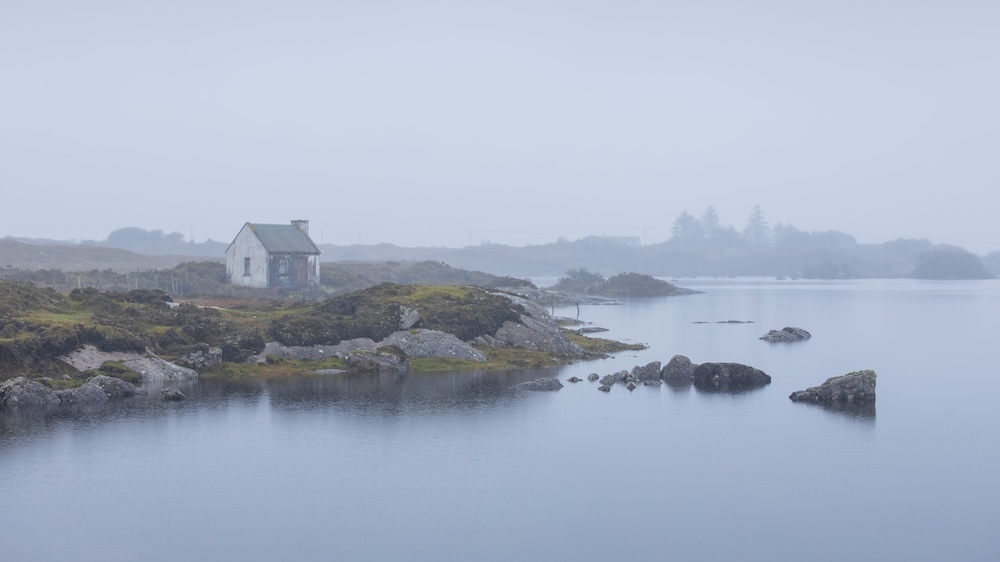
Everyone arrives at photography with different circumstances. Different times in life, access, energy, and responsibilities. Some people travel constantly. Others work close to home. Some are early risers; others photograph after work when the light is already fading. Some only have a small window to shoot, while others have multiple opportunities. Treating all of that as a single ladder ignores reality.
I have looked at work that is far stronger than mine and felt deflated. That feeling never improved anything. It did not sharpen my eye or slow me down and make me think more while in the field. It only made me question decisions I had already made. When we focus on one thing, it can grow, and if it’s the wrong thought process, it can fester. The doubt lingered longer than it should have, and I only recognize that in retrospect.
When attention drifts too far outward, it affects our behavior. Subtly at first. You start seeing subjects through the filter of what has already been successful elsewhere. I’m sure there will be people reading this who have seen a shot and gone to the same place to get their version of the same shot, nearly placing their tripod in the exact same holes left by others in the past. Certain compositions begin to feel “safe.” Others feel like a risk, not because they are wrong, but because they do not resemble what you have been seeing praised.
I noticed this in myself after spending too long looking at other people’s portfolios. I would head out with ideas that were not really mine. The photographs looked familiar in a way I could not explain. It took stepping back for a while to recognize that my decisions were being influenced before I even reached the location. Distance helped. Not isolation, but space.
Real Progress Takes Time
Real improvement in photography is slower than most people want to admit. It happens quietly, more so. You begin to notice light sooner than you used to. You recognize when a scene will not work and move on without frustration. You stay longer when something feels unresolved instead of rushing to fill an SD card, so you at least have something to bring home.
Real progress comes from repetition and reflection. From seeing the same place in different conditions. From reviewing images weeks later and understanding why something did or did not work. It is not dramatic. You often only notice it when you look back at older work and realize you would not make those choices now.
I keep old photographs for that reason. Not because they are “bangers.” Some are poor. Some still hold up. Together, they show a line of thinking over time. They can also show growth and progression in my skills, and a style of my own evolving. None of that had anything to do with outperforming anyone else.
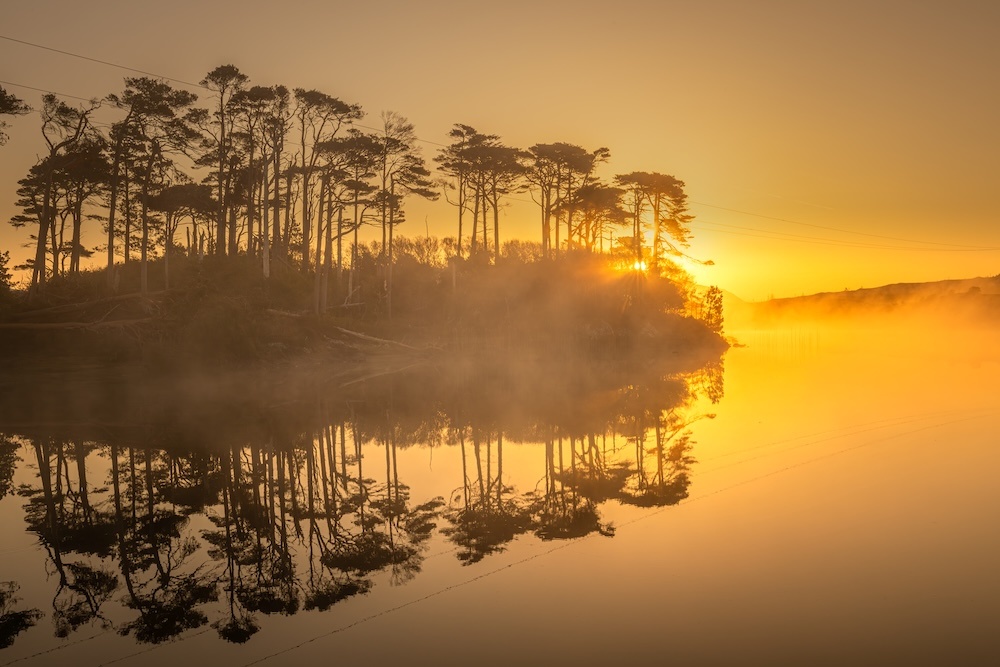
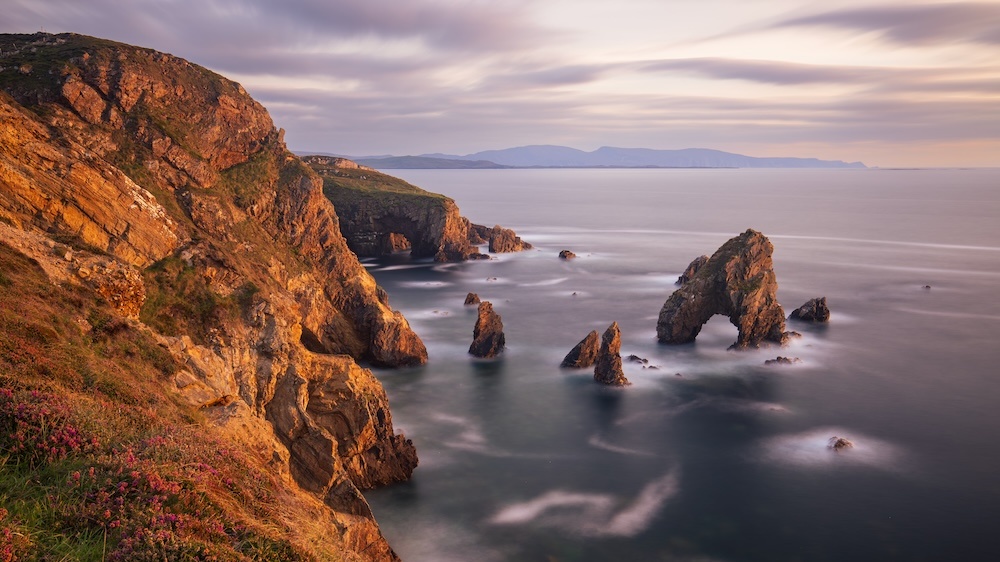
At its core, photography records experience, not achievement. A photograph says, “I noticed this.” Nothing more than that. It does not declare importance or status. It does not elevate the photographer above anyone else standing nearby. Some of the images that matter most to me are from ordinary moments. Places I walk regularly. Light hitting a rock or cliff for a few seconds before disappearing. They remind me of being there, paying attention. I do not need agreement from anyone else to justify them. Art is subjective, after all, and it should remain that way, in my opinion. Not because some social media influencer has made something cool.
Social media, of course, complicates this, whether we like it or not. The way these platforms are built encourages comparison. Numbers are visible. Response is immediate. It is difficult not to read meaning into that, even when you know better. One image receives attention; another does not. It starts to feel like an evaluation.
The platforms themselves are not the problem on their own. They are tools. What matters is how they are used and what you allow them to feed you. The phrase “you are what you eat” applies here more than most people realize. Spend enough time consuming polished, spectacular work, and you start to believe that everything else is inadequate. Subtlety feels weak. Ordinary subjects feel unworthy of attention. You begin to question your instincts.
Used carefully, the same platforms can do the opposite. Following people whose work aligns with how you want to see. Seeing someone grow with you feels far more rewarding than seeing someone move out of your league, as such. Engaging with the process rather than the outcome. Sharing without watching the response too closely. These small decisions change the effect entirely. I now limit how much time I spend there—not as a rule, but as a habit. When I do engage, I try to be intentional about what I am taking in. It keeps the balance right. I also find myself hitting the like button on newer photographers, as I know how that felt when I was starting out, and perhaps that might encourage them more as a result.
Sustainable Photography
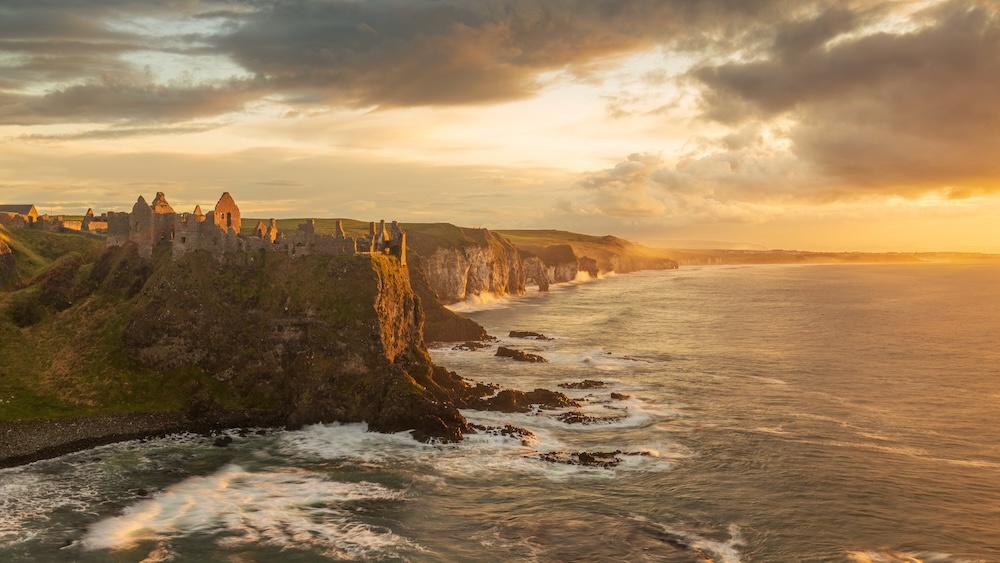
Stepping away from competitive thinking changes photography back into something sustainable: a long conversation rather than a series of comparisons. Images accumulate over time as evidence of attention, not performance.
Of course, it would be remiss of me not to mention actual competitions in photography; they can be good for focusing our minds on one particular subject or genre, but far too often, if the desired result isn’t achieved, it can have the opposite effect that we were hoping for. Why did that photo win? Mine was better; they must know the judges, they must have a secret sauce, etc. If not carefully considered, we could fall into that trap again very easily.
No one else can make your photographs. Not because they are better or worse, but because they are shaped by your experiences, your timing, and your choices. Competing ignores that entirely.
Photography grows the same way it always has: through attention, through time, through returning again and again without needing to prove anything. It is not about winning. It never was.
Before we finish, I feel it’s important to digest this and ask ourselves some important questions. There are no right or wrong answers, of course, but you should be honest with yourself and take a moment to let your answers sink in.
Ask Yourself:
- When you head out with your camera, what are you actually trying to achieve? Is it an experience, or is it to measure yourself against someone else?
- Have you ever changed how you framed a shot because you thought it would look different online?
- Do you review your work to understand it, or just judge it?
I’d love to hear your thoughts in the comments below, and let’s get this conversation going.





 English (US) ·