.png)
 7 hours ago
1
7 hours ago
1
An incident brings you to the white room of OBEY THE VOICE, where a whiteboard with four rules dictates what it’ll take to survive. But there are other voices in the room with you, so who are you supposed to trust when there are monsters on your tail?
From the same developer of the surreal IN THE FACADE WE TRUST, OBEY THE VOICE will also make you question what’s real. Here is our interpretation of the cryptic title, OBEY THE VOICE.
OBEY THE VOICE story breakdown
Where are we?
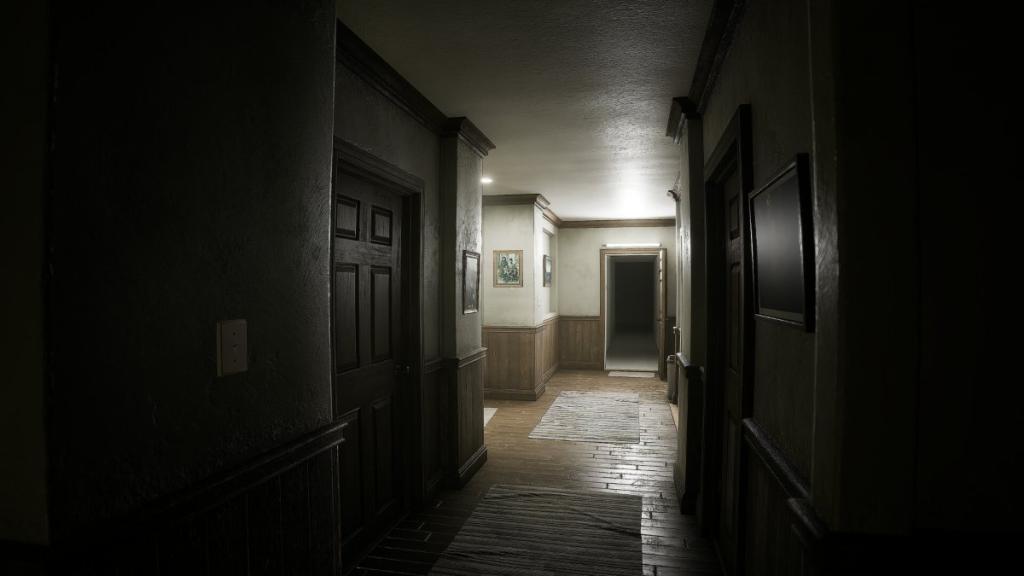 Image by svklmrt
Similar to The Cabin Factory, OBEY THE VOICE blurs homely interiors with a pearly white facility, making the game look like a dream that’s trying to copy reality. This, alongside the clear and precise rules you must obey if you want to survive and progress through the story, makes the environment feel somewhat routine, as if you’re part of an experimental procedure. Yet, the monsters and the voices you’re not supposed to listen to directly contradict the reality presented to you, like you’re inside your mind rather than moving around a real facility.
What are the monsters?
There is a clear reference to the cancelled Silent Hills P.T. with the layout and design of the house we’re continuously walking through in OBEY THE VOICE. There are also psychological elements present throughout, such as the radio broadcast that hints at the protagonist’s backstory, and the monsters that are connected to our psyche (reminiscent of Silent Hill 2). But what exactly are the entities?
Each monster comes with its own set of rules. I believe they represent both the protagonist’s mental state and his distorted reality. Here is my interpretation of what each monster represents:
Hot and cold
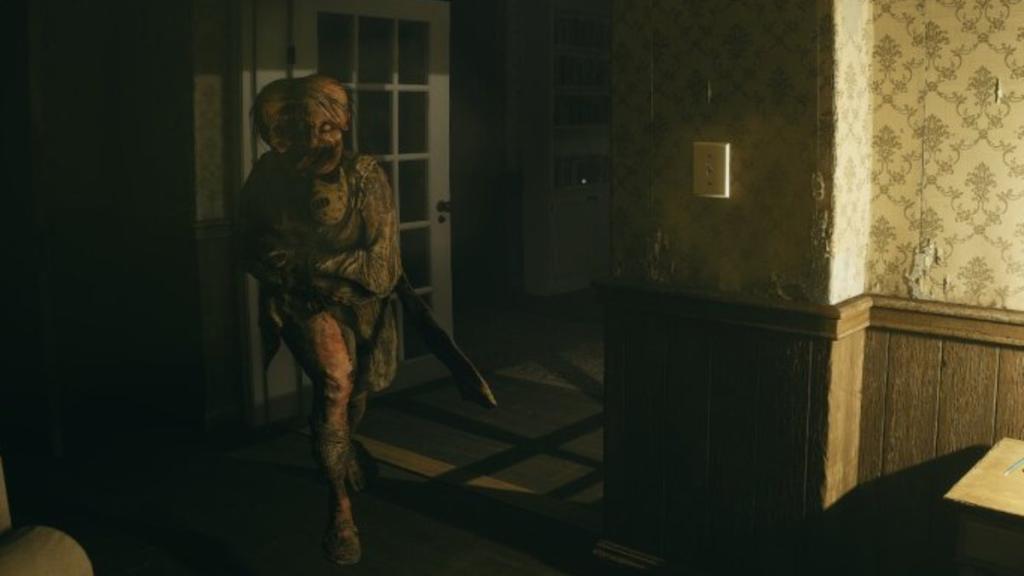 Image by svklmrt
This entity is restrained by a straitjacket, has a restraint mask, and its head is split in half. The figure likely is the protagonist’s inner image; being a person of two minds that contradict and fight one another, while the rest of the body is bound. I believe that the straitjacket and restraint mask is what our protagonist wears in the real world, as he’s deemed too violent and unpredictable following the incident.
Spot the difference
The mannequins may represent the protagonist’s loss of identity and the shadowy figure, his fragmented memories of the incident.
The Voice says
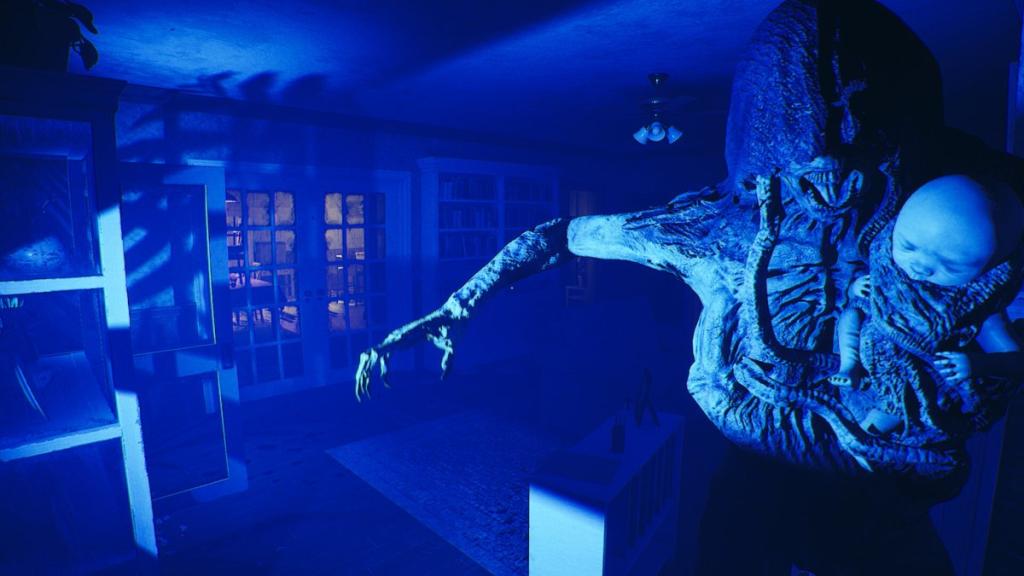 Image by svklmrt
This entity is a tall female figure that carries a fetus in her abdomen. She was murdered by her son (the protagonist), who stabbed her in the stomach with a kitchen knife. The entity limps and follows you around the house, getting faster whenever you make a mistake. I’d imagine this level is a twisted memory of the incident.
Red light green light
The same entity from The Voice says level, but this time, her hands are fused to her stomach, protecting her baby and positioned in a way that looks like an embrace. This references the mother’s final act, where she tried to comfort her son during the incident.
Find the melody
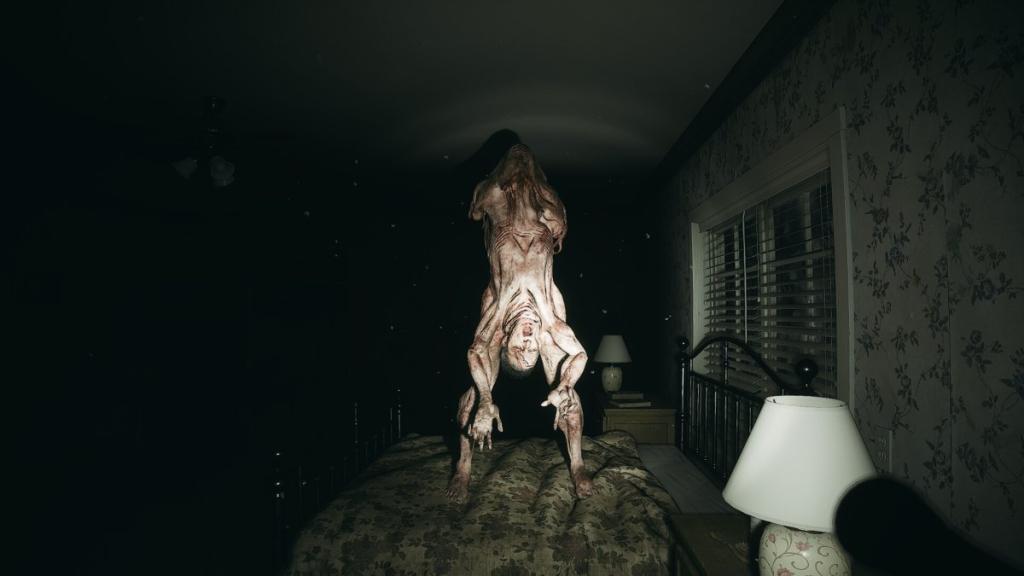 Image by svklmrt
The entity is only visible with a camera flash, whose body is an amalgamation and fusion of two separate humans. This may represent the male voice inside the protagonist’s head that’s trying to gain control as his body looks as though it’s birthing a new head and limbs, with the old dangling from the groin. This entity is exposed, a figment that doesn’t represent reality, rather a confused and conflicted idea of himself. It may represent the loss of identity and the birth of something new.
Morse code
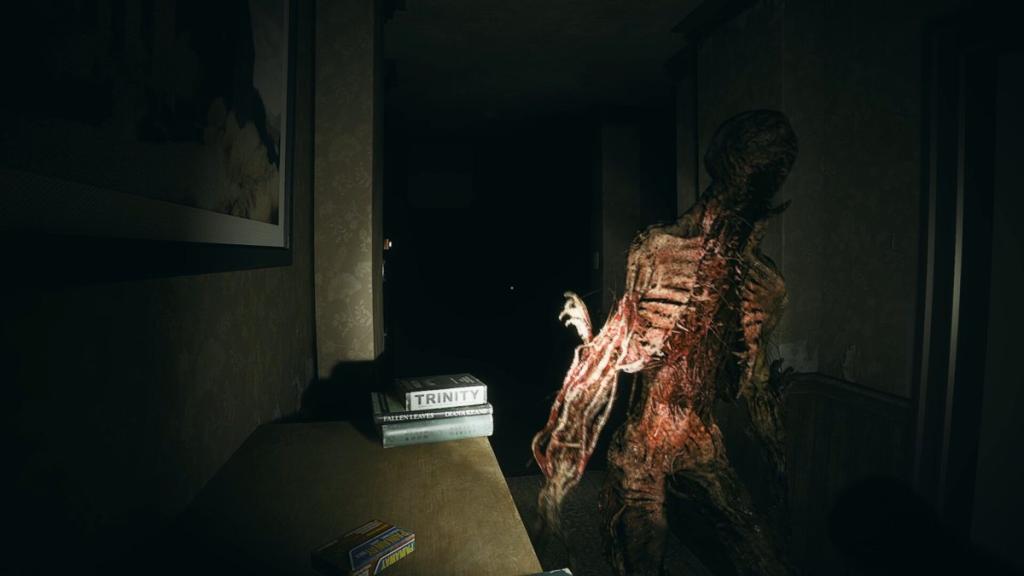 Image by svklmrt
The entity you shouldn’t look is a multi-armed figure with no facial features, except a distinctive large mouth that curves with the natural shape of the ribcage. This could be interpreted as the protagonist’s psyche unravelling and his inability to look at trauma directly.
Who are the voices?
There are three voices in OBEY THE VOICE.
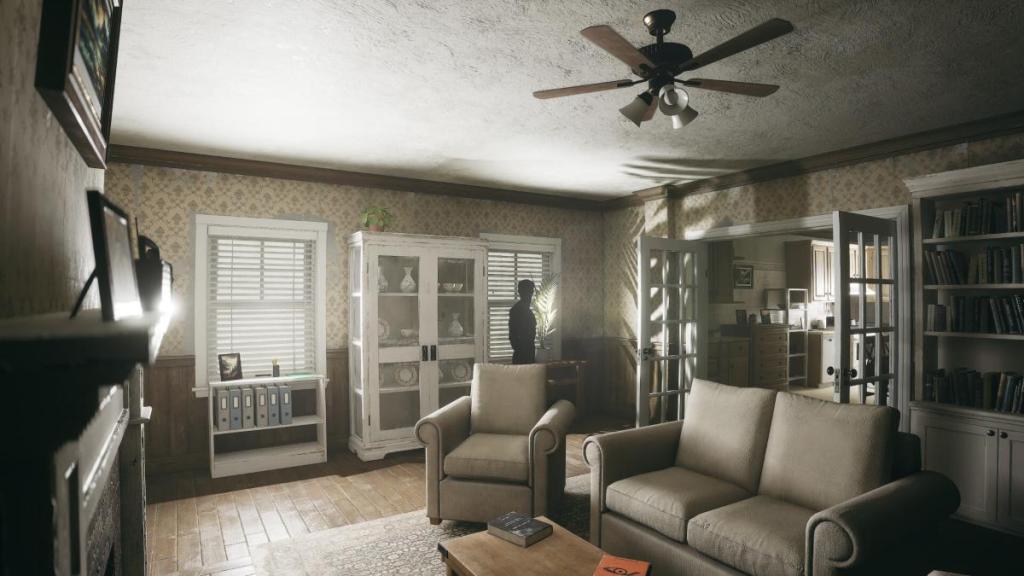 Image by svklmrt
The first is the authoritative figure, The Voice, who acts as the game’s overseer. He observes your progress and tells you how to complete each level. This is a real person, but your reality is put into question by the other voices who invade the procedure. The female voice tries to help by actively defying and questioning every command. The third voice is a male who wants to be in control. But more than anything, both voices want to survive.
The mother wasn’t the only one stabbed in the incident. A teenage girl and her older brother (the protagonist) survived. It appears as though these have manifested as their own identities inside Patient 10’s mind, where something else (outside of the older brother’s persona) took over a week before the violent incident.
The contradictory voices that you’ve been told to ignore are separate identities that co-exist inside the protagonist. They demonstrate the character’s Dissociative Identity Disorder (DID) and grow more active as you get closer to completing the “consciousness transfer procedure.” The tests in OBEY THE VOICE analyze cognitive thinking involving memory, attention, problem-solving, and decision-making to help Patient 10 settle into his primary identity.
OBEY THE VOICE ending, explained
 Image by svklmrt
What’s strange about the DID reveal is that the other identities weren’t in direct communication with one another. While The Voice was listening to the two identities often clashing with one another or speaking as if they were in conversation, working together to defy the procedure; both identities were talking only to the protagonist. Because the identities couldn’t communicate with one another directly, The Voice determines Patient 10 is being controlled by the aggressive persona, the perpetrator.
The purpose of the procedure may have been to draw out the aggressive persona and separate the other identities that weren’t in control during the incident. While the other identities were innocent in this crime, they are deleted from the protagonist’s consciousness. This means that only the guilty remains and makes the task of sentencing him easier, for there is now (seemingly) only one identity and is to be blamed for his mother’s murder.




 English (US) ·