.png)
 2 days ago
5
2 days ago
5
Kristen Stewart doesn’t love the logline to her new movie, “The Chronology of Water,” based on Lidia Yuknavitch’s acclaimed memoir: “After an abusive childhood, restless Lidia escapes into competitive swimming, sexual experimentation, toxic relationships, and addiction before finding her voice through writing.”
To Stewart, the summary feels trite. It was never the plot details that drove the actress-turned-filmmaker to spend the better part of a decade adapting Yuknavitch’s prose into her feature directorial debut. It was the book’s unique form — capturing the reconstruction of a fractured life – that was cinematically inspiring.
“The book is just a big, huge permission slip, the keys to the castle to your own volition,” said Stewart while a guest on this week’s episode of the Filmmaker Toolkit podcast. “And so the movie needed to be unwieldy, or else it would’ve been like [in a mockingly preachy voice], ‘You should trust yourself.’ It would’ve been an embarrassing self-help movie.’”
One of the things Stewart loved about the way Yuknavitch pieced together the memories of her life was that there was no present tense, allowing for a bold use of editing, as the juxtaposition of Lidia’s memories flows like water. It’s not an approach that translates to a traditional script, especially one that gets greenlit, even if you are Kristen Stewart. To which Stewart offered this piece of advice, “Don’t take notes.” If she had, she “would’ve never made this movie.”
“I was dissuaded for many, many a year,” said Stewart. “I was convinced that the form of the novel was what was inspiring and not the detailed plot. It feels like a life flashing before your eyes, and it’s really difficult to write that down, because the emotional connective tissue, it has to feel so ephemerally connected that it must be discovered.”
That discovery process was one Stewart worked on for eight years, writing 500 drafts of the screenplay – a number she insists is not hyperbole — to unlock how she would capture that emotional connective tissue.
“If you remember [when] you’re seven, there are shockingly striking images and feelings that can rush back into your body as if they are present as hell,” said Stewart. “ And so, I am my 7-year-old self right now. I am every person I’ve ever been, if you let yourself drift into the waters of your physicalized memory, and that’s hard to do sometimes – we live in a world that’s so exterior, where we’re concern about how we present ourselves.”
The film is an exercise in tapping into the emotional memory we store in our bodies, and sound became Stewart’s most valuable tool for unlocking it. Stewart referred to the sound design, led by supervising sound editor Brent Kiser, as being akin to a “skipping record,” as the film’s sonic landscape fluctuates to follow Lidia’s backwards-and-forwards journey between self-soothing, self-assurance, self-hatred, and self-laceration.
“Your body emotionally connects,” said Stewart. “And so it just feels like the movie is your memory as it starts to progress, and the sound becomes more complicated.”
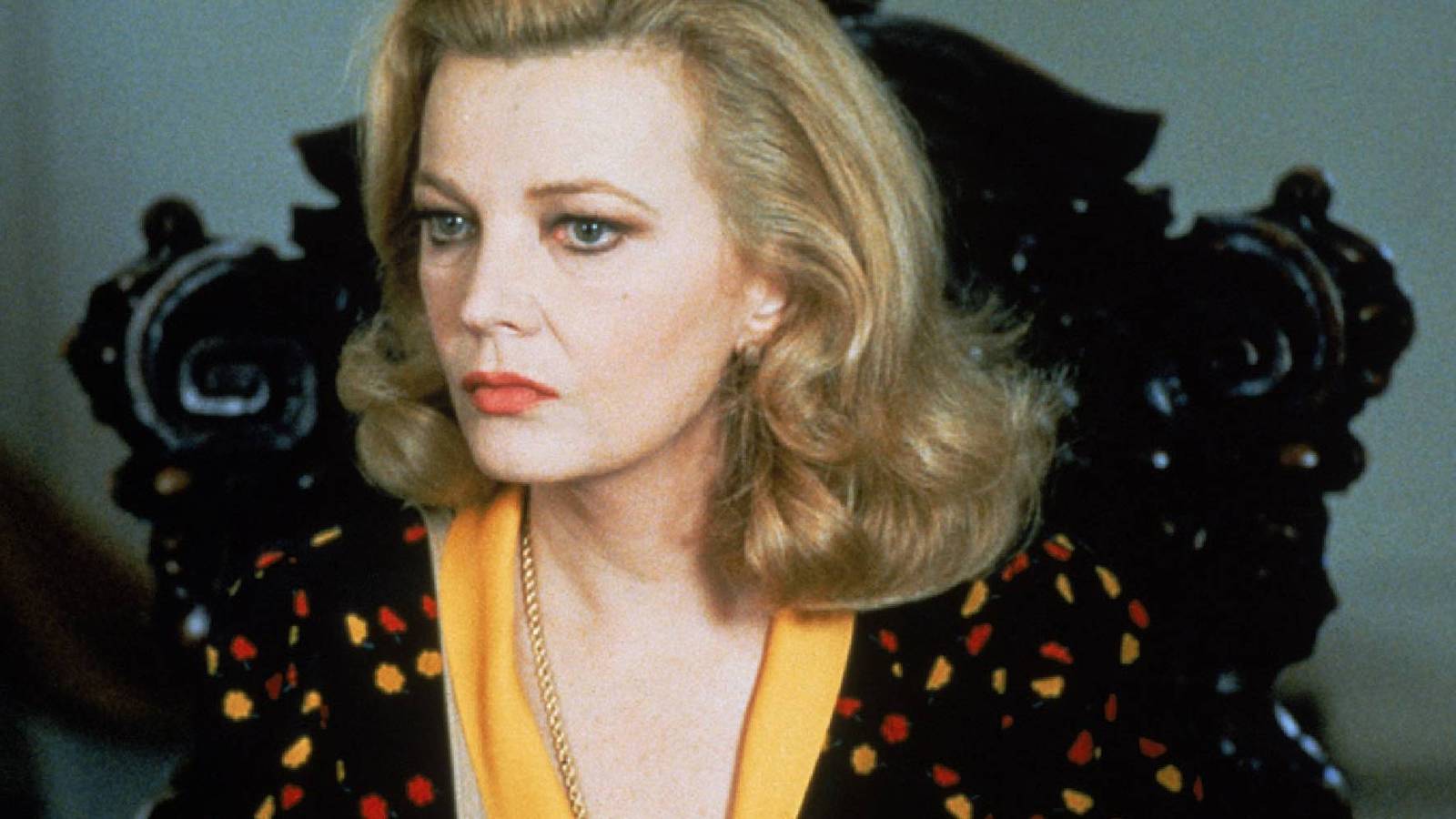
 ‘The Chronology of Water’Courtesy Everett Collection
It is an unconventional use of sound. While there is some traditional voice-over in the film, the recordings and vocal performances (some more vocalization than voice-over) of Poots vary widely, often within the same scene, and in a way, Stewart said most sound professionals walked away from, as she struggled to find the right post-production collaborators.
“It’s the eternal echo of the voices that oppress… until she finds a little bit of light at the end when she learns how to love herself,” said Stewart. “ I wanted anyone watching this movie to be able to have the whole ride with their eyes closed. It’s like a haunted house, the whole movie’s like an intrusive thought.”
Talking about sound is not some nerdy technical thing for Stewart, but rather how she excavated the film’s ideas and emotions. She gets so excited talking about sound, she gets excited about making more films.
“I think female voiceover is [something] we are just really lacking, an externalized female perspective. I can’t wait to make another movie. I can’t wait to do the female ‘Taxi Driver’ where we just get like a real solid slew of inner perspective that never stops.”
To hear Kristen Stewart’s full interview, subscribe to the Filmmaker Toolkit podcast on Apple, Spotify, or your favorite podcast platform.






 English (US) ·