.png)
 6 days ago
13
6 days ago
13

20 years later, it's an unlikely byproduct of mid-2000s U.S. foreign policy
 Image: Screen Gems/Everett Collection
In the years following the United States’ 2003 invasion of Iraq, plenty of movies attempted to key into the psychology of soldiers, politicians, and other figures involved in contemporary Middle East boondoggles. This included movies looking back to the first Gulf War (Jarhead), examining antiterrorism operations (Body of Lies; Green Zone), or observing soldiers in the aftermath of their Iraq tours (Stop-Loss; In the Valley of Elah). Most of these projects were ignored or quickly forgotten by audiences, leaving an unlikely hit to serve as a lingering (if more obtuse) reminder of that era 20 years later: Eli Roth’s Hostel.
Released two decades ago on Jan. 6, 2006, Hostel is very much not about young men at war. Paxton (Jay Hernandez), Josh (Derek Richardson), and Óli (Eyþór Guðjónsson) are college-aged tourists privileged enough to party their way through Europe. The movie finds them seeking debauchery in Amsterdam. From there, they’re encouraged to check out a youth hostel in Slovakia, where they find, as promised, beautiful women whose attitude toward these mostly-average Americans is open and welcoming — suspiciously so! Sure enough, they’re eventually lured into a nightmare, serving as fresh meat for a black-market organization that charges rich people exorbitant sums for the privilege of torturing and killing innocent victims.
Roth probably didn’t intend the trio’s Slovakian misadventure as an allegory for U.S. soldiers heading overseas with expectations of triumph, only to be killed or forever scarred by the experience. By any available making-of accounts, he also wasn’t thinking about the then-recent revelation about torture performed by U.S. soldiers at the Abu Ghraib prison; somewhat embarrassingly, the genesis of Hostel came from a gross conversation the filmmaker had with Ain’t It Cool News impresario Harry Knowles.
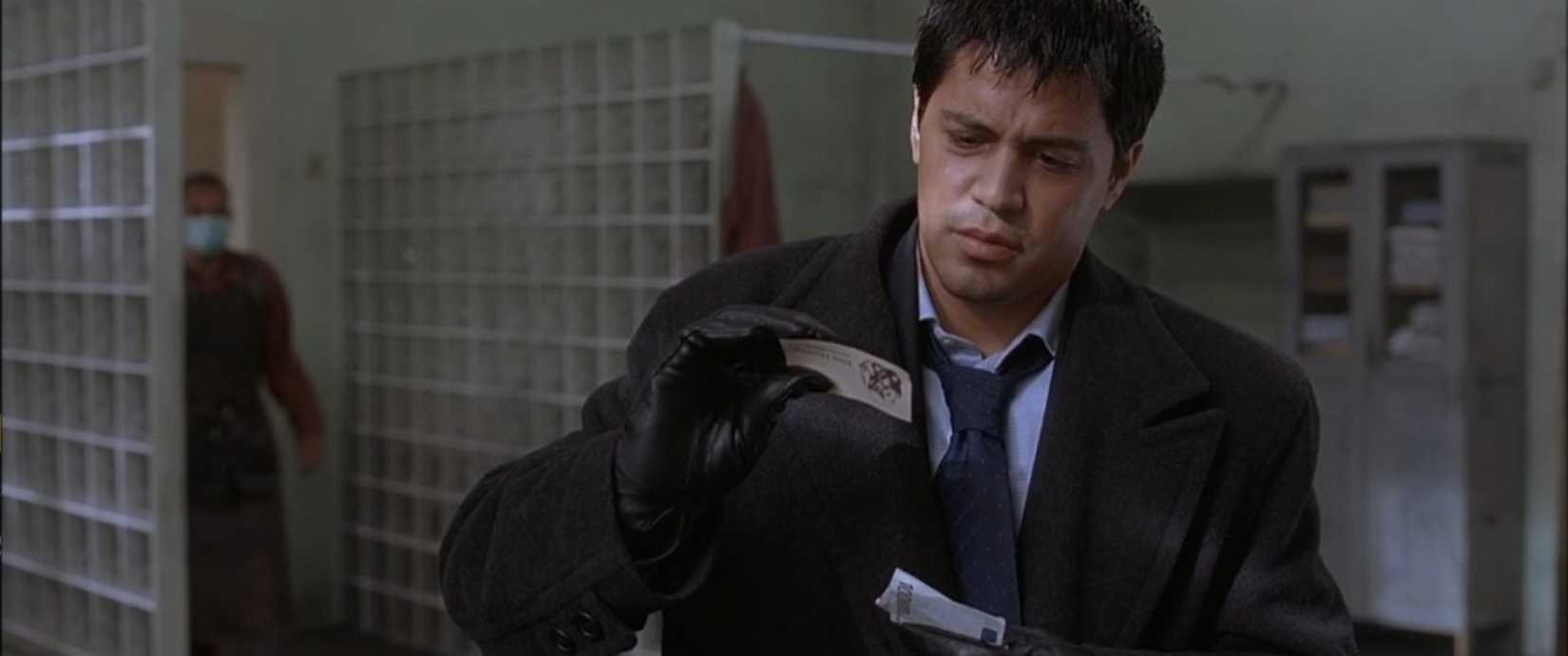 Image: Lionsgate
Regardless of its original intentions, however, Hostel is forever linked with the idea of torture, which loomed large both in the news and in popular culture of the era. In addition to its proximity to grim news about U.S. torture policies, the film was released in between the two biggest movies in the Saw series, Saw II and Saw III, which gave the impression of new, gore-centric movement in horror. Some critics called it torture porn, alleging that these movies presented various mutilation with the same fetishistic excitement that pornography uses to depict sex acts, and, as such, possibly inviting identification with the torturer, rather than the tortured. Maybe the filmmakers should have taken a cue from later memos unveiled after the Abu Ghraib news broke and rebranded their efforts as enhanced horror techniques.
In retrospect, using the “torture porn” term as a cudgel against Hostel is a little strange, because while Roth’s conception of the film may not have involved military torture, the writer-director seems highly aware of how this movie and slasher movies in general are able to link sex and death. It’s not just titillation for the audience, either. More directly than in classic ’80s slashers, where Jason Voorhees may menace naked young people but isn’t specifically addressing their sexuality, Roth’s characters are specifically lured into physical torture with the promise of easy, consequence-free and sometimes blatantly transactional sex.
In other words, they’re enticed by the possibility of prioritizing their own pleasure using the flesh of others. While none of the central trio advocates nonconsensual sex, they’re certainly in search of a shopper’s ease; the porn-like fantasy of female hostel roommates who instantly show off their naked bodies and desire their new American friends is too irresistible for the guys to realize their interest is a scam. It seems especially inconceivable once they’ve actually been favored with hook-ups. Even Josh, who is nursing a broken heart and hesitant to consort with prostitutes earlier in the film, never really questions that these women would want him.
 Image: Lionsgate
Roth commits so firmly to this Ugly American mindset that he makes the first chunk of Hostel, well, kind of ugly — and not in a gnarly, gory way. Rather than drawing the audience into the lurid sexual debauchery of three dudes on a Eurotrip with seductive lighting, alluring atmosphere, or a slow-burn of steadily growing menace, Roth’s camera and screenplay are wielded as bluntly as the dudes’ slur-heavy banter. For a while, the movie plays like a particularly unlikable and mostly unfunny teen sex comedy, only with characters who seem old enough to know better. As those characters are captured and tortured, the movie grows more lurid, grotesque… and also cinematic. Roth relies less on dialogue — the final 20 minutes of the film has very little talk, jettisoning any unnecessary denouement — and more on his editing and camera movements, especially as he follows Hernandez through a gauntlet of suspenseful escapes.
The geek-show aspects of Hostel are still there, with several gag-inducing gore shots. But Roth seems more interested in creating a comparison between the halls of an Amsterdam brothel and the dank passages of the Slovakian torture outpost than simply feeding a perceived audience appetite for violence. At very least, he seems conscious, not unwitting, about the mechanics of so-called “torture porn.” If anything, Roth makes sex look guilty by association, rather than making violence into a turn-on. It’s a knottier, more self-aware form of moralizing than the fun but ridiculous Saw movies pretending to be about confronting our weaknesses.
Roth’s Hostel vibes didn’t last, though his hostile ones lingered. Recently, his Grindhouse slasher spinoff Thanksgiving captures some of the early playfulness and social commentary. But his clearest attempt to replicate the success of the Hostel movies, 2013’s The Green Inferno, is sour even by the standards of movies that feed unsuspecting young people into the jaws of death. In Hostel, a grim fate awaits those who treat other countries as exotic free-for-alls; in The Green Inferno, similarly gruesome comeuppance arrives for young people who... try to help save an indigenous tribe from corporate bulldozing. Rather than depicting student activists as clout-chasing or otherwise self-interested, the way that the Hostel boys are ultimately ignorant of anything but their own potential pleasure, Roth makes young people look callow and stupid more or less as a rule.
The Green Inferno offers compelling evidence against giving Roth the benefit of the doubt related to the accidental relevance of Hostel. Yet the movie still stands as a document of its mid-2000s era. The not-quite-heroes of Hostel are ready to treat that world as a Maxim magazine come to life. The horrific capitalistic inhumanity outside of their privileged bubble, however, metastasizes those global-playground urges into something sicker.
Hostel is currently streaming for free on Plex.







 English (US) ·