.png)
 6 days ago
16
6 days ago
16
The unshakable presence of AI has been an unwelcome companion of my job for the past few years, but it sure feels like longer. It's not even like it's some excitingly malevolent artificial mind with tendrils of influence weaving its way throughout my world. That would at least be satisfying from a sci-fi perspective. No, what I've had to deal with can barely write, definitely cannot count, and has only just figured out what fingers are.
Yet it's been something that has pervading every product announcement, presentation, or pre-briefing I've been a part of in recent times from any company even tangentially related to tech. To the point where I now have a bullshit AI bingo card I fill out just to distract myself from the barely resistible desire to stab a pen through my own hand just to feel something real.
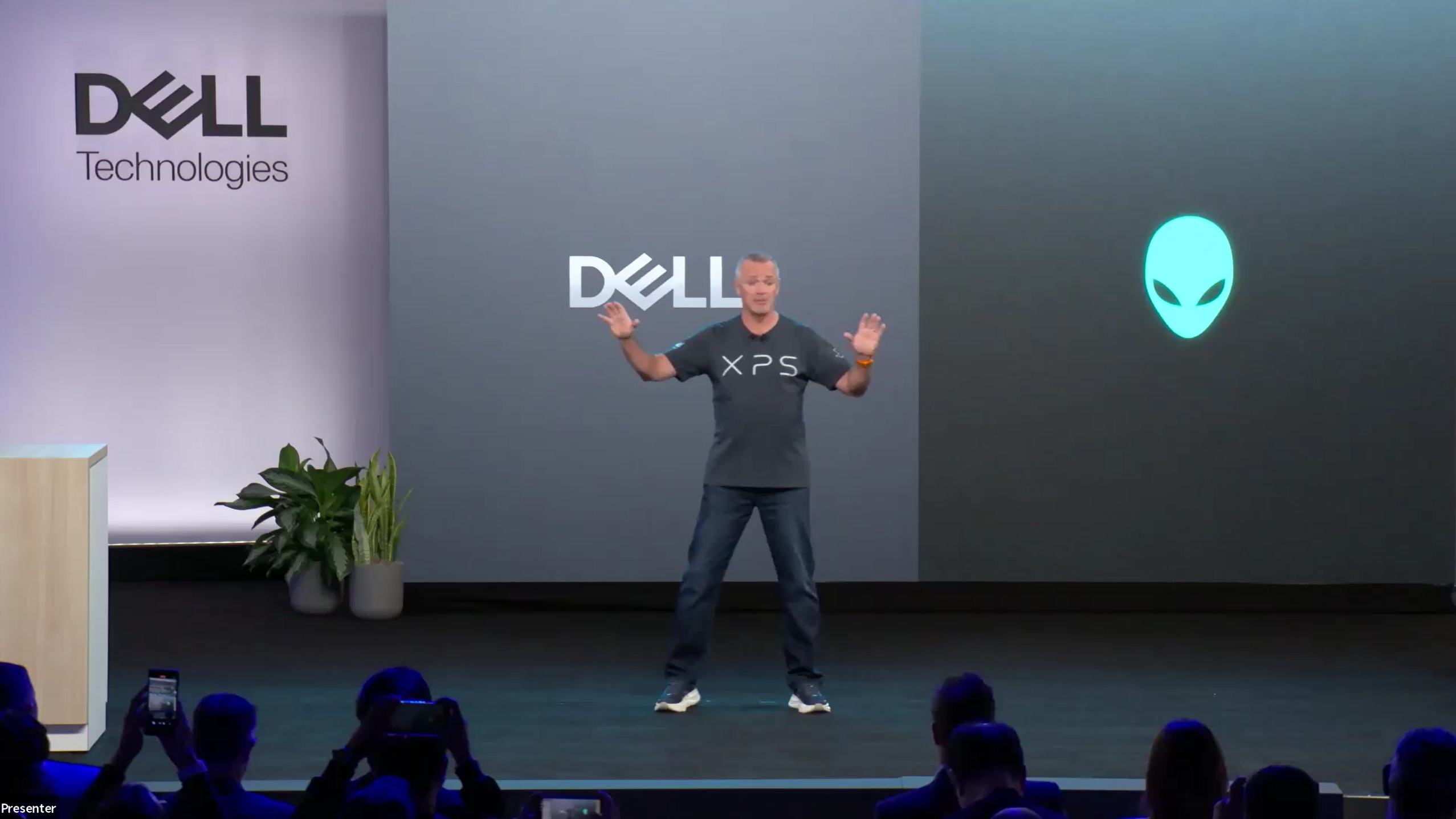
It started off with Dell vice chairman and COO, Jeff Clarke, taking to a small stage to talk about the state of the industry and where Dell and its Alienware sub-brand is going this year. He talks tariffs, the slow transitioning of the industry (he says CPU, but I'm presuming he meant OS and Windows 10 → 11), and then "we have this un-met promise of AI, and the expectation of AI driving end user demand," as well as the fact that "we're about ready to enter 2026 with a memory shortage that is pretty significant."
They're not buying based on AI. In fact I think AI probably confuses them more than it helps them.
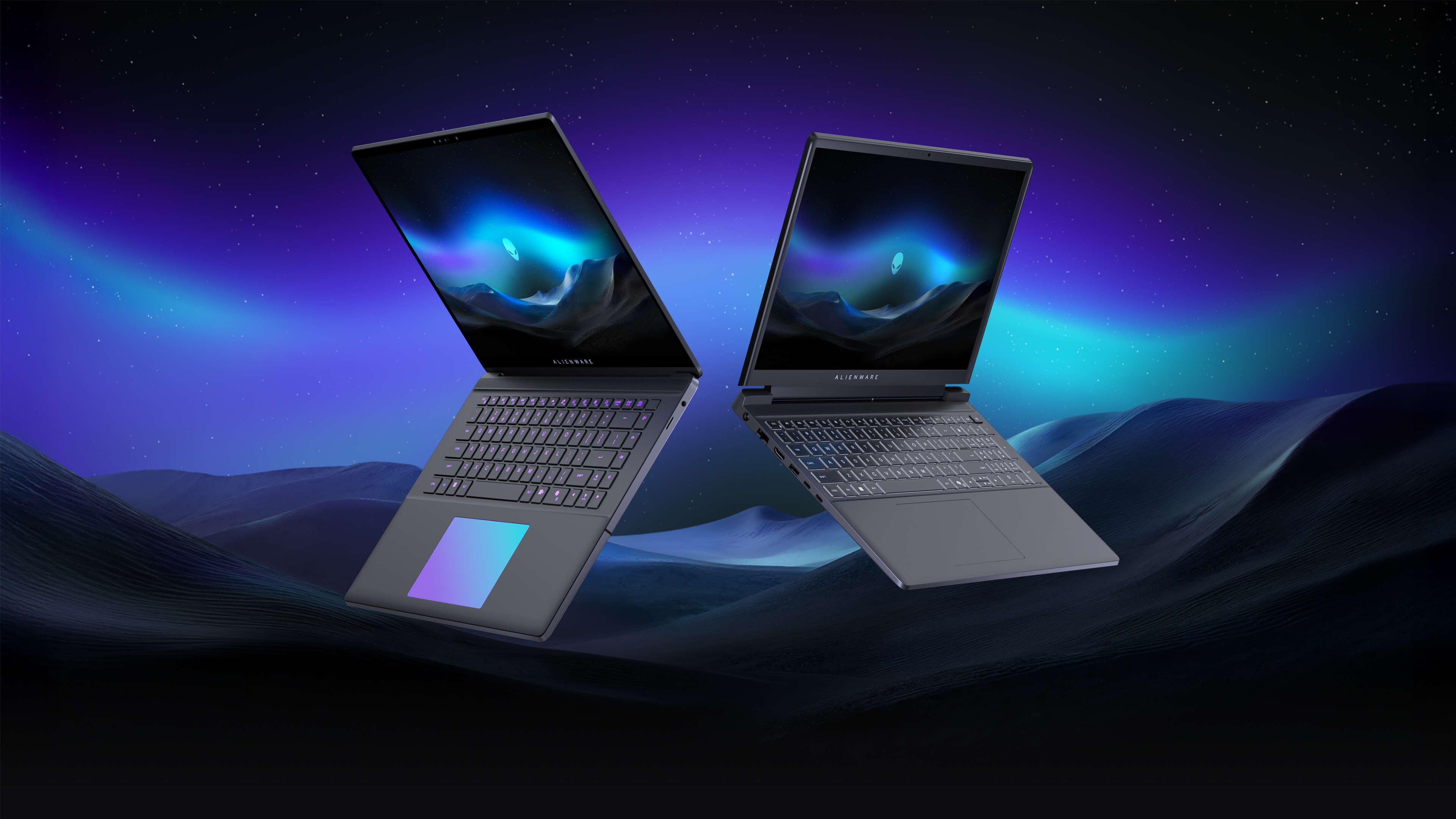
Kevin Terwilliger, Dell head of product"We're very focused on delivering upon the AI capabilities of a device—in fact everything that we're announcing has an NPU in it—but what we've learned over the course of this year, especially from a consumer perspective, is they're not buying based on AI," Terwilliger says bluntly. "In fact I think AI probably confuses them more than it helps them understand a specific outcome."
In a way, you could argue that's tantamount to dumbing down the technology for the end user. But this isn't like withholding information about the core counts of the chips inside your machine, or the TGP of the mobile GPU at its heart for fear of confusing some fictitious customer. There are people who care about the hardware inside these devices, but it's becoming clear there are precious few who care about the AI components or theoretical capabilities of those machines.
The fact that a huge PC brand such as Dell/Alienware has decided to ditch the AI-first marketing that seems to otherwise permeate everything—and honestly still permeates—is entirely welcome, very refreshing, and hopefully the mark of things to come.
Because, until AI becomes a valid, useful technology for the end user of these devices, and not just some marketing check box or buzzword for investors, every company ought to take a leaf out of Dell's book and just keep schtum. And that's honestly not something I've said many times about the big PC box shifter in the past.






 English (US) ·