.png)
 2 days ago
8
2 days ago
8
The Canon EOS C50 sits in a tricky space: small enough to rig like a compact cinema body, but spec’d like it expects real jobs. If you shoot paid video, wildlife, or talking-head work, the C50’s mix of open gate, internal raw, and practical I/O can change what you carry and what you skip.
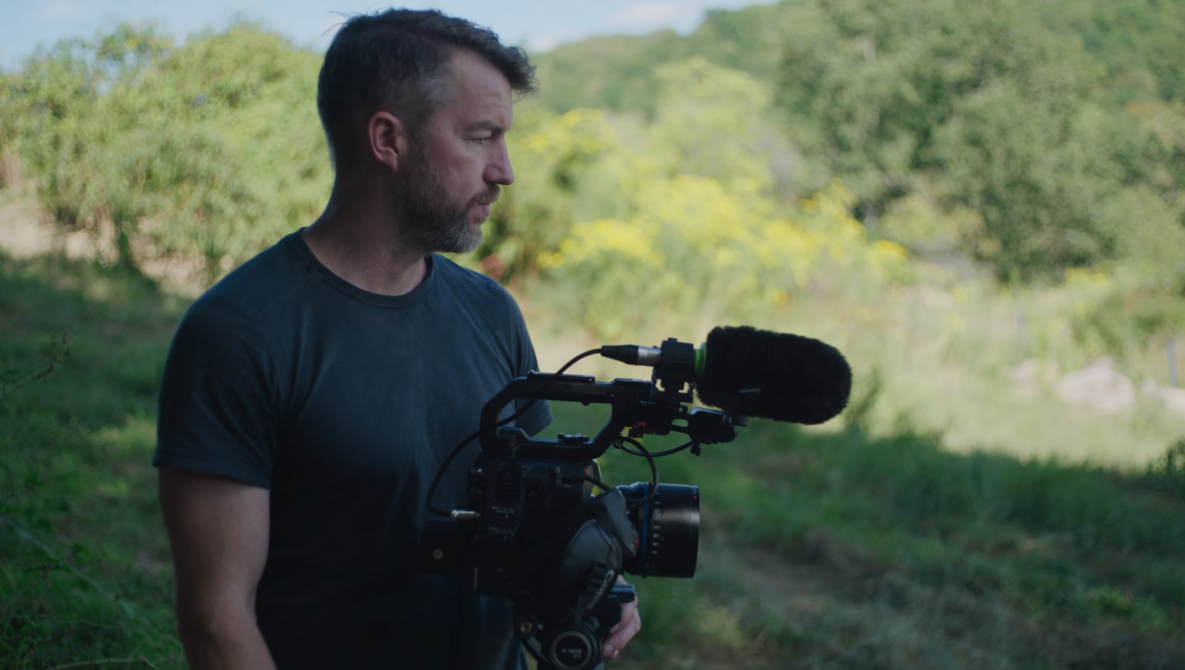
Coming to you from Josh Sattin, this practical video walks through early, real-use impressions of the Canon EOS C50. Sattin starts with sample footage, then ties each look back to how it was recorded and what lens was on the camera. The intro footage is shot on the Canon RF 50mm f/1.4 L VCM, which matters if you like a clean, modern 50mm that behaves well for video. Street clips jump between open gate and a 17:9 mode using the Canon RF 24-70mm f/2.8 L IS USM, so you get a sense of how the camera handles fast changes in framing. Wildlife footage comes from the Canon RF 100-500mm f/4.5-7.1 L IS USM, and the choice of modes hints at how you might trade full frame for reach.
You also get a grounded look at what the C50 is like when you push it, without pretending one afternoon replaces a full test. Sattin calls out dual base ISO at 800 and 6,400 when using Canon Log 2 and raw, then shows a couple low-light wildlife clips at ISO 6,400 with grading and noise reduction in DaVinci Resolve. He notes where noise shows up when shadows are lifted hard, and he shows what happens after noise reduction is applied, which is the part most people quietly do anyway. Autofocus gets a fair amount of attention, especially animal tracking, because bird detection has been a weak spot on some older Canon cinema bodies. You see it work, you also hear him say he still grabs manual focus at times, which lines up with how wildlife actually goes.
The most useful section is the one you might be tempted to skip: physical design and audio, because those are the things that either keep you shooting or make you leave the camera at home. Sattin compares the form factor to the Sony FX3 and Sony FX30, then spends real time on why the C50’s top handle feels sturdier and how the mounting hardware inspires more confidence for accessories. Audio talk is refreshingly specific: he references the Canon EOS R5 C, mentions using the Tascam CA-XLR2d-C approach when he needs cleaner sound on smaller bodies, and then shows a simple 3.5 mm setup with the DJI Mic 2. He also points out an in-camera compressor option alongside the usual limiter, which is rare to see in a camera menu and could be a quiet problem-solver for fast setups. Then he gets blunt about tradeoffs: no EVF, no IBIS, and a screen that feels too small, plus a media setup that mixes CFexpress Type B with SD, even though he prefers fast cards like ProGrade Digital CFexpress Type B for reliability. Check out the video above for the full rundown from Sattin.





 English (US) ·