.png)
 6 days ago
15
6 days ago
15
Nvidia's generation-defining tech gets a level up.
_lkEvjfO.jpg?width=690&quality=85&format=jpg&dpr=3&auto=webp)
The PC graphics market might be in peril in hardware terms, with prices spiraling and availability inconsistent, but on the software side things are at least reliably moving forward - with Nvidia today announcing the latest upgrade to its DLSS technology.
DLSS 4.5 is shadow dropping today, and is already available across a suite of hundreds of compatible PC games. It'll offer performance enhancements to a variety of games across a wide gamut of Nvidia gaming hardware.
If you're among the uninitiated, DLSS stands for Deep Learning Super Sampling, and is an AI-powered piece of tech aimed at increasing game image quality and performance. This is, it has to be said, one of the more readily accepted pieces of AI used in and around video games - used to stretch your hardware further rather than replace the work of any humans.
The way it works is complex, obviously, but it can be summed up fairly simply: DLSS initially renders a game at a lower resolution - for the sake of this example let's say 720p rather than 1440p. Rendering at a lower res in turn allows the game to display at higher frame rates thanks to the lowered visual fidelity. But then that super sampling kicks in - using a custom-trained neutral network to upscale the 720p output image to your target resolution (in this case, 1440p). The result is you get the 720p frame rate, but you get a visual fidelity and image quality that is very close indeed to a native 1440p output.
DLSS is Nvidia's proprietary version of this tech, but other versions exist. PlayStation 5 has PSSR, its equivalent. AMD PC GPUs have FidelityFX Super Resolution. Nvidia has always sat at the cutting edge of this technology, however - and with an Nvidia chip inside, the Switch 2 actually uses a version of Nvidia's DLSS too - so upgrades to DLSS have potential implications there.
This tech is useful at a base line, but it can also be especially handy in games that make use of graphical features that absolutely tank performance, like real-time ray tracing. In the end, there is always an argument to be made about untouched rendering - raw rasterisation - versus these 'processed' images, and if a 'pure' and pristine frame is better. But for many users, this upscaling is unnoticeable - and indeed, on consoles many users are playing without even realising their games are being AI-upscaled from lower resolutions.
DLSS 4.5 is Nvidia's latest evolution, and is as previously mentioned out today. DLSS 4.5 is centered around two upgrades to the tech. First up is the second generation version of the 'Super Resolution Transformer'.
We could get into this at length, but in short the Super Resolution Transformer was a new version of the upscaler introduced in the last version of DLSS - though users still broadly have the choice between the old technique and the new transformer-based model. Each had its pros and cons. But with this second iteration of the transformer model, Nvidia now seems confident that it is hands-down the best they have to offer, with the new version trained much more extensively.
From this Nvidia says it sees better image quality - with more stability, reduced ghosting, and smoother edges. The transformer is now less likely to be tripped up by fast-moving action or smaller bits of detail in the distance. This is largely consistent with the gradual upgrades DLSS has seen over the years.
The new super resolution transformer model is fully-compatible with the GeForce RTX 40 and 50 series graphics cards, but if you have an older piece of hardware there is still a benefit to you. GeForce RTX 30 and 20 series cards can also enjoy some of the benefits of DLSS 4.5 - though due to differences in the hardware, those cards will see a less impressive performance increase - but an increase nevertheless. Older cards from six or seven years ago being included in the party can only be a good thing, especially with upgrade prices presently so ridiculous.
The second and more controversial element of this upgrade is to the Multi Frame Generation feature, which was also first introduced in base DLSS4. This one requires a tiny bit of additional explanation.
If you didn't follow the RTX 50-series reviews, MFG is exactly what it sounds like - generating all-new frames for games from scratch. To cut an extremely long story short, frame generation involves not just upscaling frames created by the game to get smoother performance… but also creating whole new frames with AI. Basically, this means Nvidia's technology looks at two frames of your game, then generates and inserts an extra frame that is visually the 'midpoint' between them, slipping it into the flow to create a higher frame rate and a smoother-feeling image.
This has been controversial, creating a divide between those who feel 'fake frames' are an equally fake way of generating 'performance' from expensive graphics cards, and those who just feel like this feature is part of the future march of gaming graphics tech. Certainly it is useful for trying to drive games up to 120fps or even 240fps for higher-end displays.
Multi frame generation is exactly what it sounds like, generating multiple frames rather than just one. This is where the upgrade comes in: the first version of MFG topped out at generating a maximum of four frames between each game frame - but the DLSS 4.5 version of this technology ups that to six frames.
In real terms, this could turn a 60fps base frame rate into 360fps. Which sounds ridiculous when you write it out like that - but that is theoretically the maths that this technology can achieve.
Added alongside the 6X MFG is a new dynamic setting for frame generation. This basically means rather than select 2, 3, 4, or 6X MFG, you can simply tell your GPU a target FPS - at which point your GPU will automatically adjust the MFG rate as necessary to hit that target.
The 6X MFG is limited only to RTX 50-series GPUs, however. It's set to release at some point this Spring.
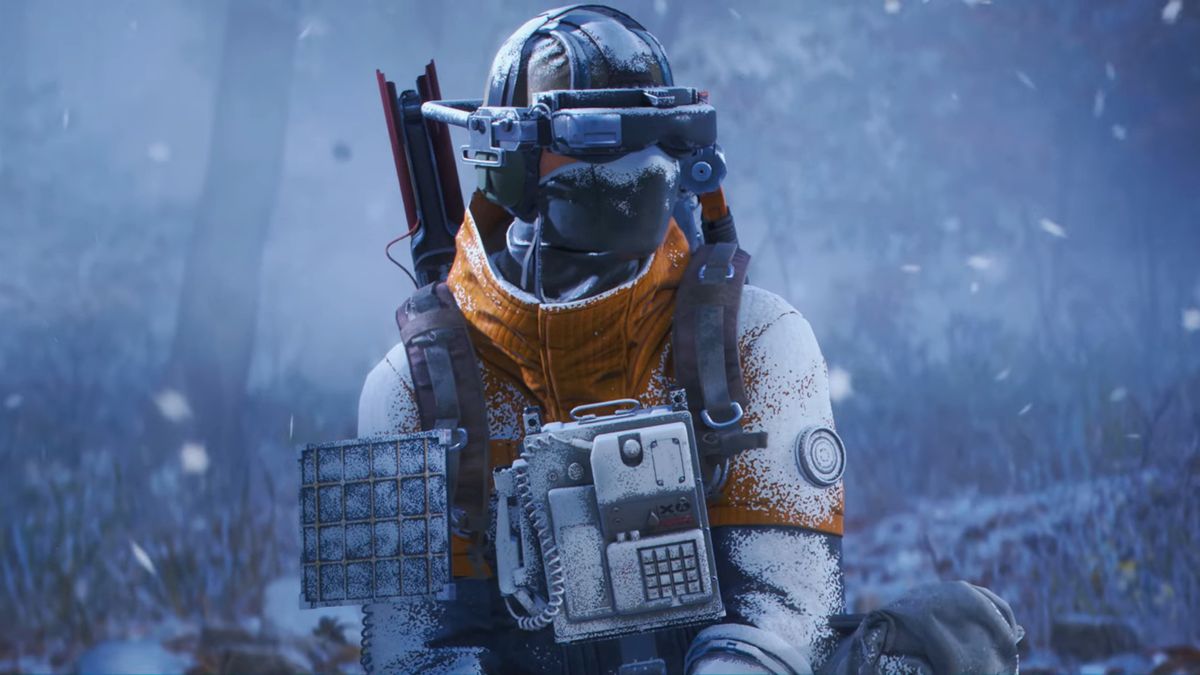
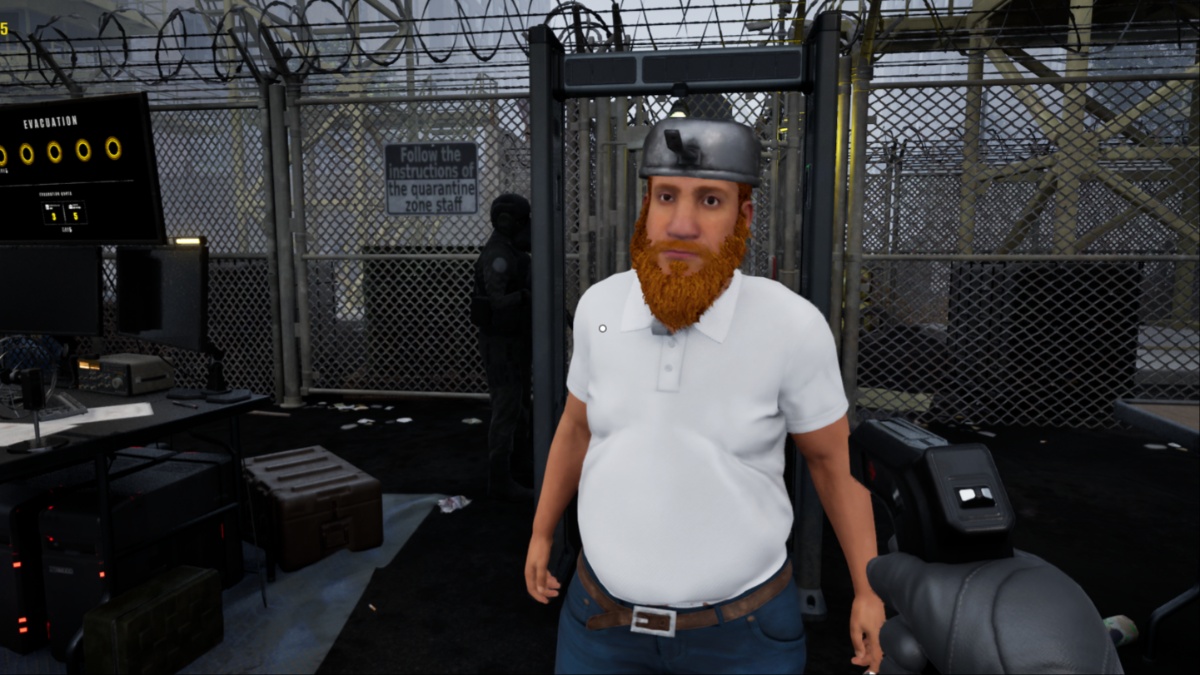
All of this naturally requires access to an Nvidia 'RTX' GPU, and for the games you're playing to support Nvidia's DLSS technology. But Nvidia is quick to point out that over 250 games and apps support DLSS4, with 80 percent of the top-twenty new games of 2025 (by some metric - they did not explain that one) supporting DLSS4. This tracks, as well - if you buy a new PC game, it probably supports it - be that Arc Raiders, or Oblivion Remastered, or Battlefield, or Game of the Year nominees like Expedition 33 and Kingdom Come Deliverance 2.
At a CES where Nvidia has seemed largely focused on broader AI developments, DLSS stands as the one area where the company continues to show its gaming chops, striving forwards with improvements that gamers can actually see, touch, and use. It's good stuff. If you can get your hands on the hardware, anyway.





 English (US) ·