.png)
 1 week ago
23
1 week ago
23
Walk into any camera store and you'll find hobbyists agonizing over sensor specifications and professionals grabbing whatever battery is compatible with their current kit. Spend time at a wedding venue and you'll watch amateurs fiddling with settings while the hired photographer works the room like a chess grandmaster three moves ahead. The difference between a professional photographer and an enthusiastic hobbyist has almost nothing to do with the price tag on their equipment. You can hand a beginner a $4,000 mirrorless body and a $2,500 lens, and their work will still scream "amateur" to anyone paying attention. Meanwhile, some of the most respected working photographers in the industry are still producing stunning work with gear that forum dwellers would dismiss as obsolete.
The gap between these two groups comes down to mindset, consistency, and risk management. Professionals have developed habits that protect their work, elevate their output, and ensure they can deliver regardless of circumstances. These habits are invisible to clients and often invisible to other photographers who only see the finished product. You can spot a professional not by what they shoot or what camera hangs around their neck, but by how they prepare for a shoot and, perhaps more importantly, what they choose not to show you afterward. The good news is that none of these habits require a credit card. You can start implementing every single one of them today.
They Cull Ruthlessly
The amateur photographer returns from a portrait session with 200 images and feels compelled to share 50 of them. They include the shots that are "pretty good" alongside the ones that are genuinely strong. They keep the near-duplicates because each one has something slightly different about the expression or the angle. They hold onto images that represent significant effort or challenging conditions, reasoning that the difficulty of capture somehow adds value to a mediocre result. This emotional attachment to their own labor is one of the most damaging instincts a photographer can have.
The professional operates on what might be called the one percent rule. They shoot a thousand frames and deliver fifty. Of those fifty, perhaps ten make it to their website. Of those ten, maybe one goes into the portfolio they show prospective clients. This aggressive culling isn't about being wasteful with shutter actuations; it's about understanding a fundamental truth of how audiences perceive photographic work. Your portfolio is judged by your weakest image, not your strongest. A collection of ten excellent photographs will always make a better impression than a collection of ten excellent photographs diluted by fifteen mediocre ones. The viewer's brain doesn't average your work; it anchors on the lowest point.
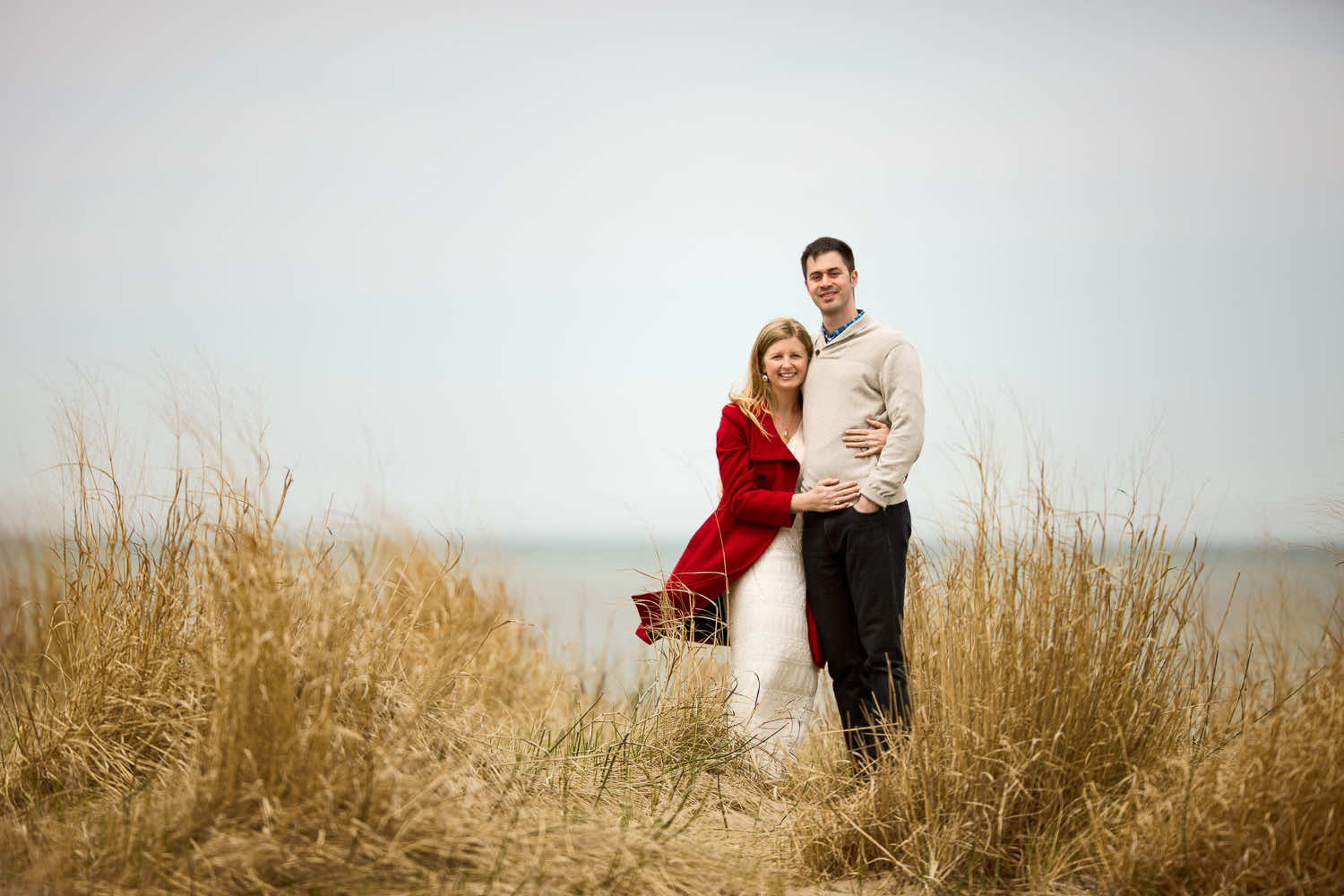 Professionals understand that showing fewer, stronger images creates an impression of consistency that is far more valuable than demonstrating range or volume. When a potential client scrolls through your portfolio and sees nothing but exceptional work, they assume that exceptional work is your baseline. When they see a mix of quality levels, they assume the lower end represents what they might actually receive. This calculus should inform every decision you make about what to publish, post, or include in any presentation of your work. The image that's "not your best but still pretty good" is actively damaging your professional reputation every moment it remains visible.
They Obsess Over the Background
A beginner photographer sees a beautiful subject, whether it's a striking face, an interesting car, or a compelling architectural detail, and immediately begins shooting. Their attention is entirely absorbed by the thing that caught their eye in the first place. They fire off dozens of frames, adjusting exposure and trying different focal lengths, completely oblivious to the telephone pole that appears to be growing out of their model's head. They don't notice the bright orange trash can in the corner of the frame or the distracting sign that pulls attention away from their subject. These elements only reveal themselves later, during the editing process, when it's far too late to do anything about them.
The professional photographer checks the edges of the frame before they touch the shutter. They scan the background systematically, looking for any element that will distract, compete, or create visual confusion. If they find something problematic, they don't rationalize that they'll clone it out later. Instead, they move. They change their angle by a few degrees, or they physically reposition the subject, or they wait for a passing car to exit the scene. They think of the frame as a canvas that must be cleaned before they begin painting on it.
This habit extends beyond removing obvious distractions. Professionals think about separation, ensuring that their subject has clear visual distinction from everything behind and around it. They consider tonal contrast, avoiding situations where a dark-haired subject disappears into a dark background or a pale complexion merges with a bright wall. They look for leading lines and evaluate whether those lines are guiding the eye toward the subject or pulling it out of the frame entirely. This obsession with the entire visual field, rather than just the primary subject, is one of the clearest distinctions between a snapshot and a photograph. The subject might be identical in both images, but the professional's version exists in a carefully controlled environment while the amateur's exists in visual chaos.
They Make Light
Natural light has achieved an almost religious status in certain photography communities. Beginners often wear "natural light photographer" as a badge of honor, as though refusing to modify or create illumination represents some kind of purity. In practice, this usually means they are slaves to whatever lighting conditions happen to exist at the moment they want to shoot. If the sun is harsh and directly overhead, they shoot in harsh overhead light and produce images with raccoon eyes and blown highlights. If the available light is dim, they crank the ISO until their images are swimming in noise. They wait desperately for golden hour because it's the only time of day when the light is handed to them in a usable form.
 Professional photographers understand that light is a tool to be wielded, not a circumstance to be endured. When the sun is too harsh, they don't cancel the shoot or wait for clouds. They set up a scrim or diffusion panel to soften the quality of light falling on their subject. When shadows are too deep, they don't accept those shadows as inevitable. They use a reflector to bounce fill light into the dark areas, or they add a touch of flash to open up the shadows without overpowering the ambient. When the existing light is boring and flat, they don't shrug and shoot boring flat images. They introduce dramatic light of their own creation, using speedlights or strobes or even something as simple as a carefully positioned flashlight to add dimension and interest.
This control over illumination means a professional can produce excellent work at any time of day under virtually any conditions. They can create a beautiful portrait at high noon in a parking lot because they brought the tools and knowledge necessary to transform that ugly light into something workable. Meanwhile, the beginner who can only shoot during golden hour is limiting their commercial viability to roughly two hours per day. The professional's understanding of light extends to reading it as well as making it. They see how light falls in a space and immediately understand how to work with it or against it. They know that window light three feet from the glass is softer than window light ten feet away. They understand that a white wall to the left of their subject is effectively a giant reflector. This fluency with illumination, both natural and artificial, is one of the most powerful skills any photographer can develop.
They Have a Plan B
The amateur photographer arrives at a shoot with one camera body, one battery, and one memory card. If the camera malfunctions, the shoot is over. If the battery dies unexpectedly, they're finished. If the memory card corrupts, they've lost everything and have nothing to deliver. This isn't a hypothetical nightmare scenario; it's a statistical inevitability for anyone who shoots long enough. Equipment fails. Batteries discharge faster in cold weather than the spec sheet suggests. Memory cards die without warning, sometimes taking hundreds of images with them into digital oblivion.
Professionals operate on the principle that two is one and one is none. If something is important enough to need, it's important enough to have a backup. This means carrying a second camera body even if it's an older or less capable unit. It means having four times as many batteries as they think they'll need. It means shooting with cameras that write simultaneously to dual card slots so that every single image exists in two physical locations from the moment of capture. It means knowing exactly what they will do if it starts raining, if the venue changes the rules, or if a key piece of equipment stops working.
This redundancy extends beyond physical gear. Professionals have backup plans for every meaningful variable. They know where they'll move the shoot if the primary location becomes unavailable. They've already identified alternative backgrounds if the planned setup doesn't work. They carry gaffer tape and clamps and zip ties and all manner of problem-solving tools because they've been in situations where such things made the difference between delivering and failing. The amateur gets lucky when everything works as expected. The professional doesn't rely on luck. They build systems that assume some percentage of their equipment and plans will fail, and they structure their approach so that these failures don't cascade into disasters. This is insurance in the truest sense, and it's one of the most important services a professional provides, even if the client never knows it exists.
They Shoot With the Edit in Mind
The beginner photographer treats capture and post-processing as two separate activities with no meaningful connection. They shoot however seems right in the moment and assume they can fix problems later. Bad composition? They'll crop it. Blown highlights? Maybe the recovery slider will save them. Noisy shadows? There's an AI noise reduction plugin for that. Post-production becomes a rescue operation, an attempt to salvage something usable from raw material that was compromised from the start.
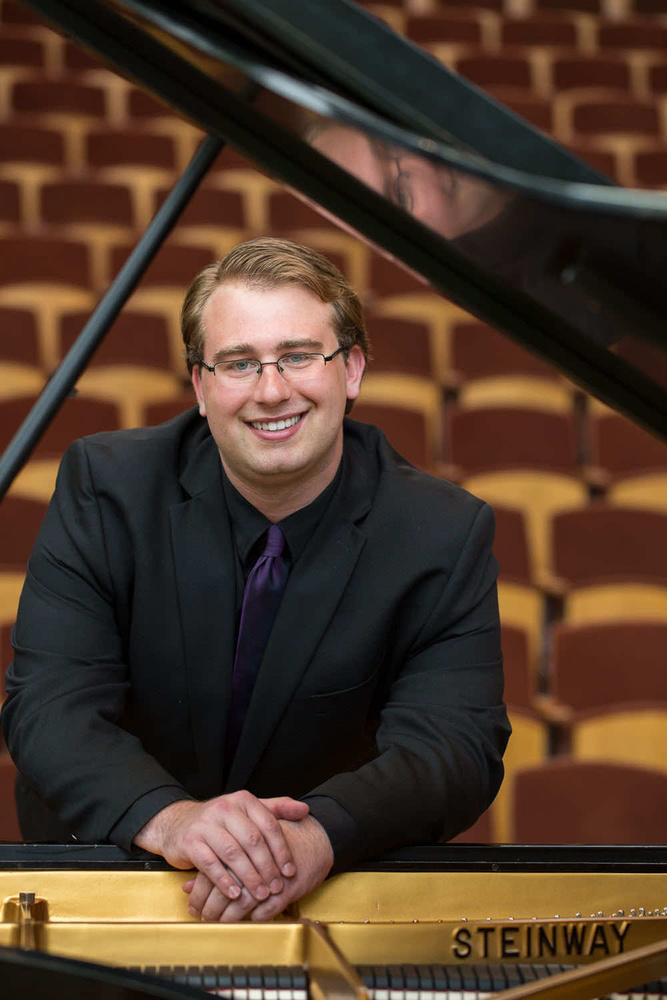 The professional photographer begins the editing process before they ever touch the shutter. Every decision at the capture stage is informed by what they intend to do in post. They might deliberately underexpose by a third of a stop because they know their camera's sensor holds shadow detail better than highlight detail, and they plan to lift the exposure later anyway. They shoot wider than their intended final framing because they know the image needs to work as a 4:5 crop for Instagram, a 16:9 crop for a website header, and perhaps a 1:1 square for a different platform. Leaving room around the subject isn't sloppy composition; it's strategic planning for multiple deliverables from a single capture.
This forward-thinking approach influences decisions about color temperature, about the relationship between subject and background, about the overall contrast of the scene. A photographer who knows they want a muted, desaturated final look might deliberately choose backgrounds and wardrobe that won't fight against that aesthetic. A photographer planning a high-contrast black-and-white conversion will compose and light differently than one planning a soft, airy color grade. The through-line connecting capture to final output is clear and intentional rather than hopeful and reactive. Post-production in this model becomes enhancement of a vision rather than rescue of a mistake. The raw file arrives on the editing screen already most of the way to where it needs to be, requiring refinement rather than rehabilitation.
The Path Forward
None of the habits described here require purchasing new equipment. You don't need a better camera to cull more aggressively. You don't need a more expensive lens to notice the trash can in your background. A reflector costs less than a single memory card, and the discipline to carry backup batteries costs nothing at all. The gap between amateur and professional work is rarely about technology or talent. It's about accumulated habits that compound over time, each one adding a small margin of quality and reliability that distinguishes someone who might get a good shot from someone who consistently delivers.
Start today by looking at your published work with fresh eyes. Is every single image earning its place, or are some of them coasting on the goodwill generated by their stronger neighbors? On your next shoot, spend thirty seconds examining the frame edges before you capture anything. Bring a second battery even if you've never needed one. Think about what you'll do in post before you decide how to shoot. These small changes in behavior, practiced consistently, will do more for your photography than any gear upgrade ever could. The equipment will always be secondary to the person holding it.
If you would like to continue your photography learning journey, be sure to check out our range of tutorials in the Fstoppers store.




 English (US) ·