.png)
 2 days ago
11
2 days ago
11
History doesn’t always live in textbooks. Sometimes, it lives in dusty streets, tired eyes, royal processions, and quiet moments frozen in black and white. This powerful collection of 40 rare historical Indian photos pulls you straight into a version of India that feels distant—but strangely familiar. These images aren’t polished. They’re raw, honest, and packed with life.
From bustling streets and sleepy city corners to famous landmarks before crowds took over, these photographs show India mid-motion. You’ll see daily workers caught between labor and rest, children playing barefoot in narrow lanes, vendors shouting into the heat, and families paused in moments that feel intimate and unscripted. There’s beauty in the ordinary—and these photos prove it.
The collection also opens a window into power and prestige. Kings and royalty appear not as distant myths, but as real people—standing, waiting, watching history unfold. Old city views reveal how urban India once breathed differently, before skylines rose and traffic drowned out silence. Every frame carries texture: cracked roads, handmade clothing, weathered faces, and architecture shaped by time.
Shot mostly in black and white, these vintage photographs strip away distraction and force you to look. Light and shadow do the talking. Expressions become stories. Streets turn into timelines. These images don’t just document India’s past—they humanize it.
What makes this collection hit hard is its balance. Grandeur meets grit. Tradition meets transition. You don’t just see how India looked—you feel how it lived. These photos remind us that history wasn’t built in moments of fame alone, but in everyday lives that rarely made headlines.
We are sharing this collection of phtos from Facebook page called "India History Collection" Click here to view visit the page.
#1. Madura Tailor Shop. Photograph circa 1920s
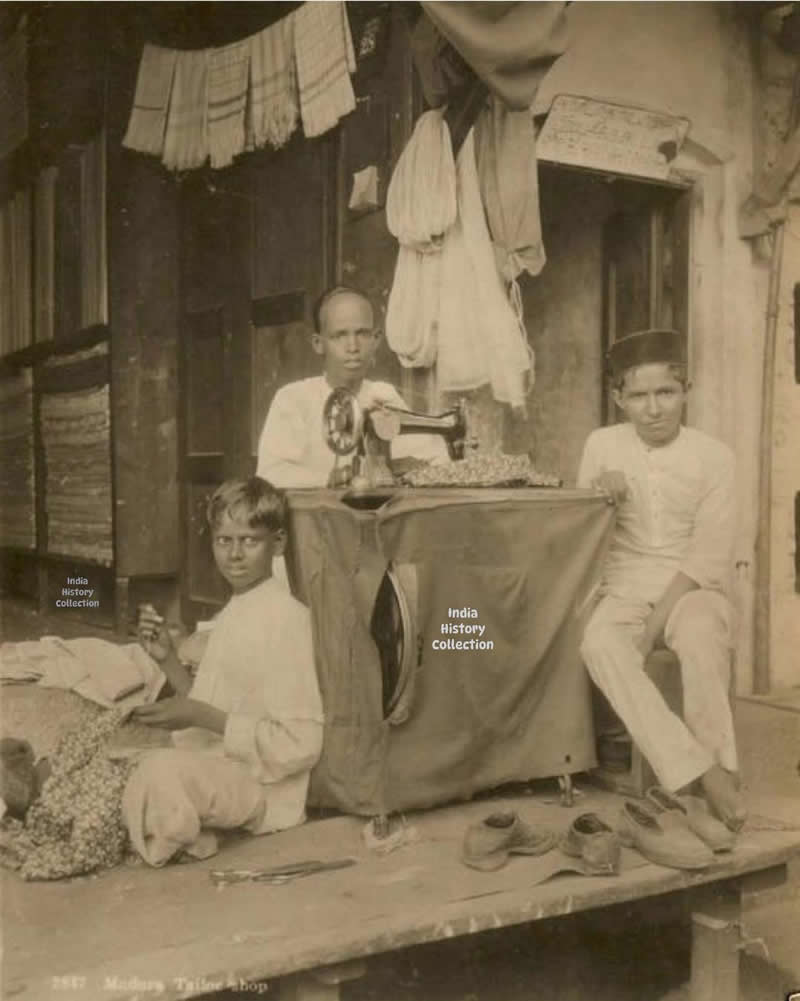
Image Source: India History Collection
#2. Fisherman with a Fishing Crossbow— Thalassery, 1928.
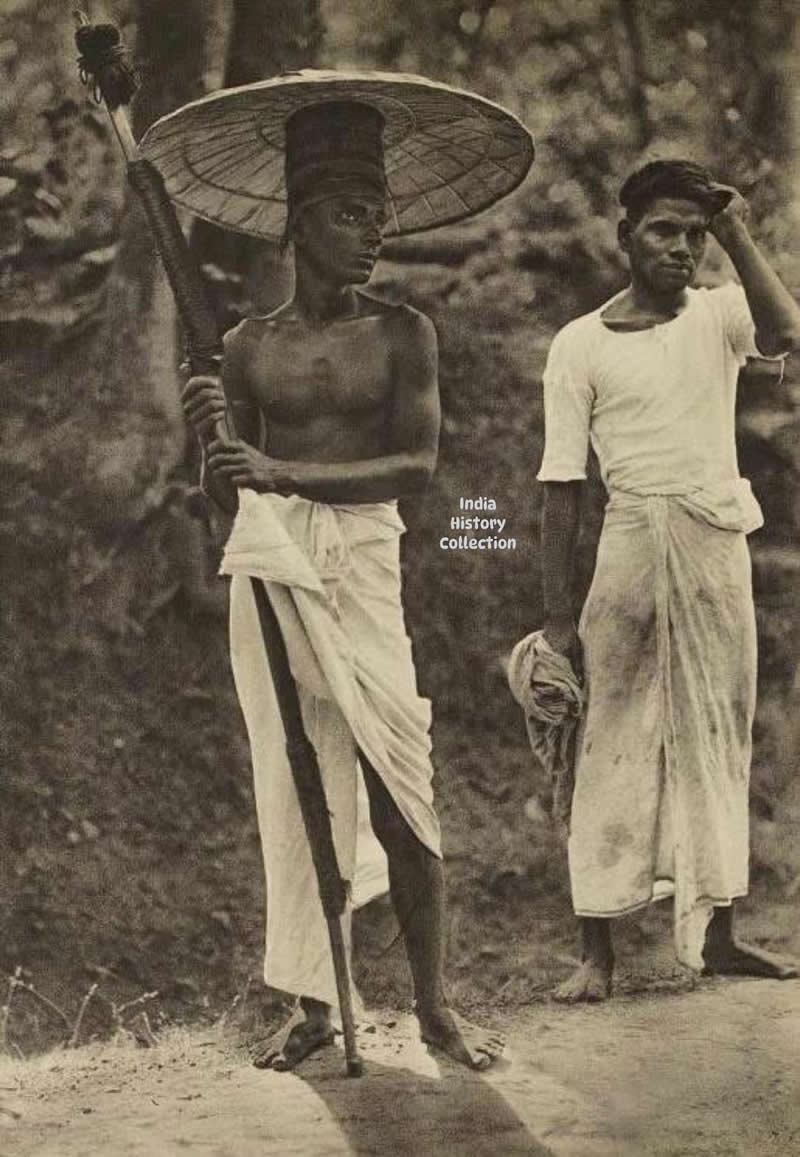
Image Source: India History Collection
#3. Pilgrims conveying Ganges water, India in 1907.
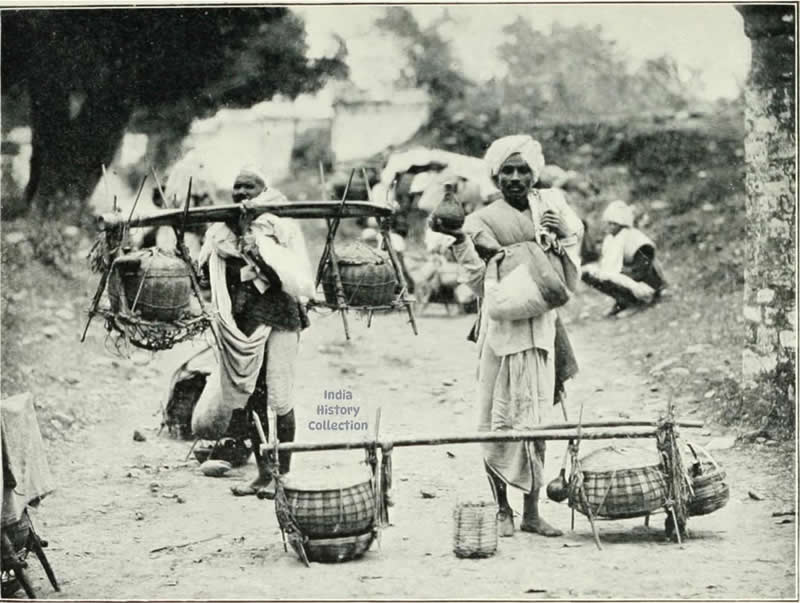
Image Source: India History Collection
#4. Mithai-wallah (Sweet seller) — Bombay, 1890s
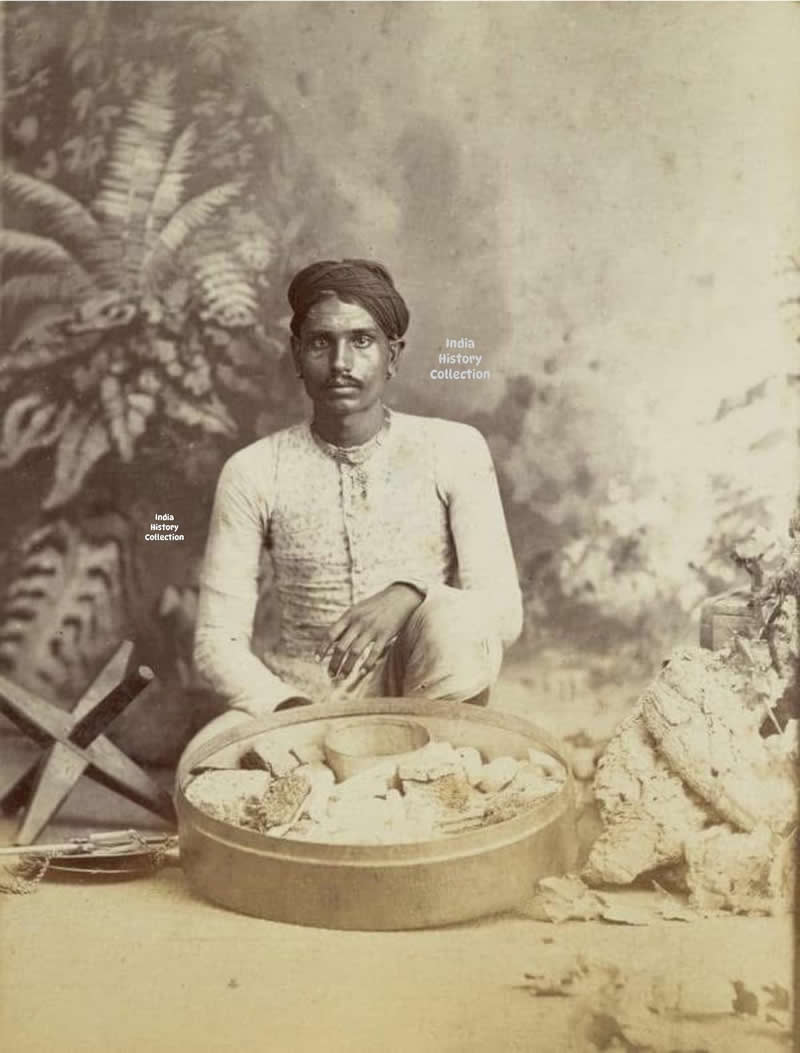
Image Source: India History Collection
#5. The last Mughal Emperor, Bahadur Shah Zafar (1775-1862) – with his sons Mirza Jawan Bakht and Mirza Shah Abbas. This rare image was taken around 1860, during his exile in Burma.
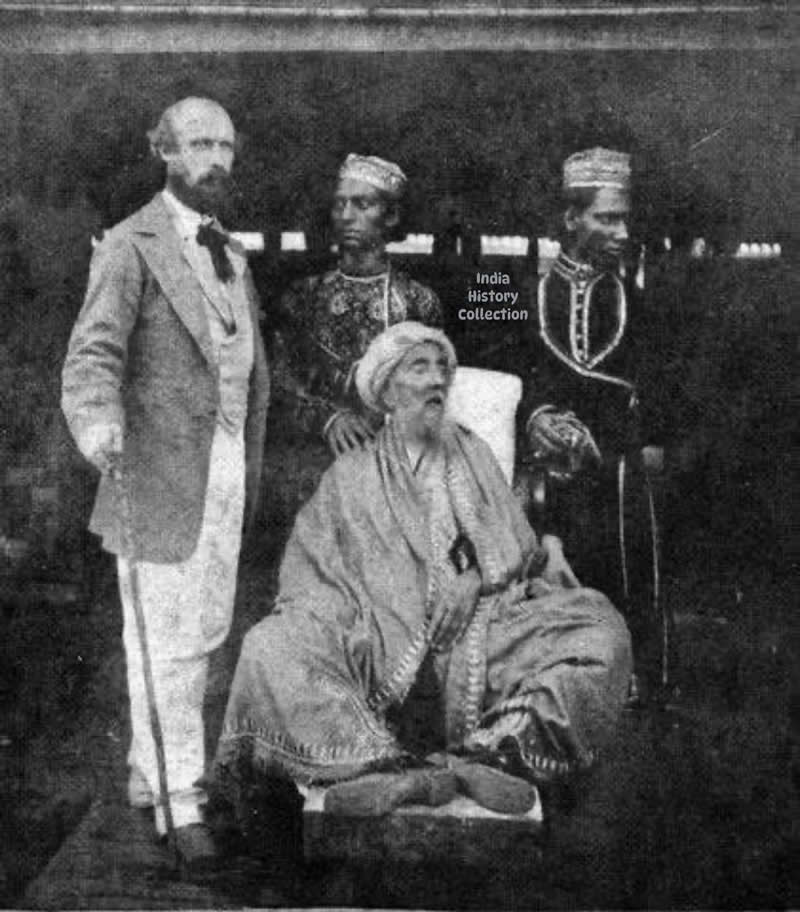
Image Source: India History Collection
#6. The shadowy veranda of the palace of the Maharaja Jatindramohan of Tagore family, Calcutta, India- 1907. Latest photos in the comments section.
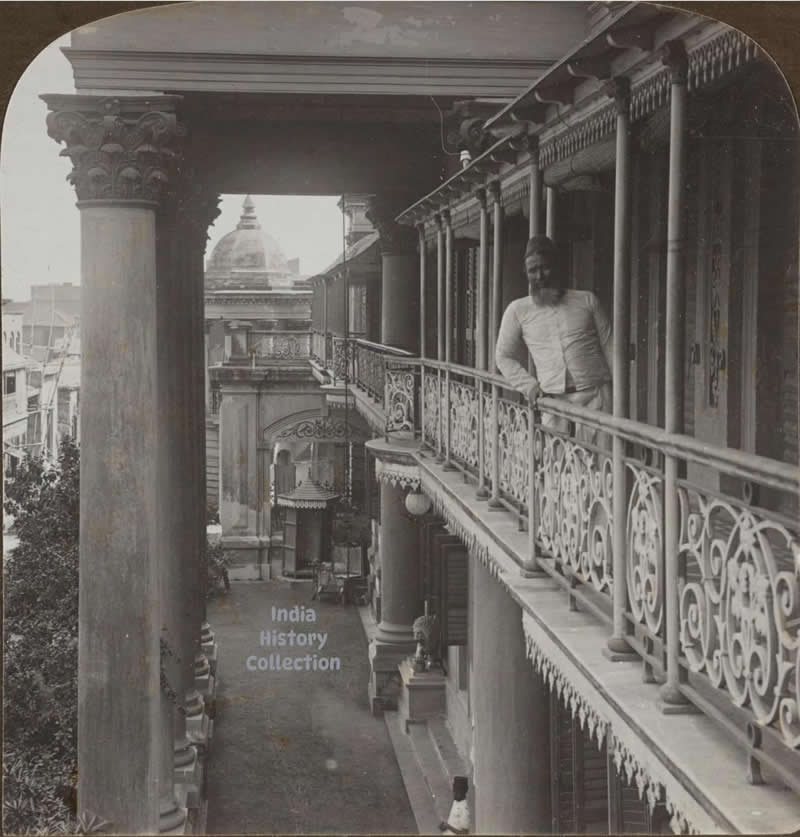
Image Source: India History Collection
#7. Hawa Mahal (Palace of Winds), built in 1799—Jaipur, 1928. An enduring symbol of Jaipur’s royal heritage.
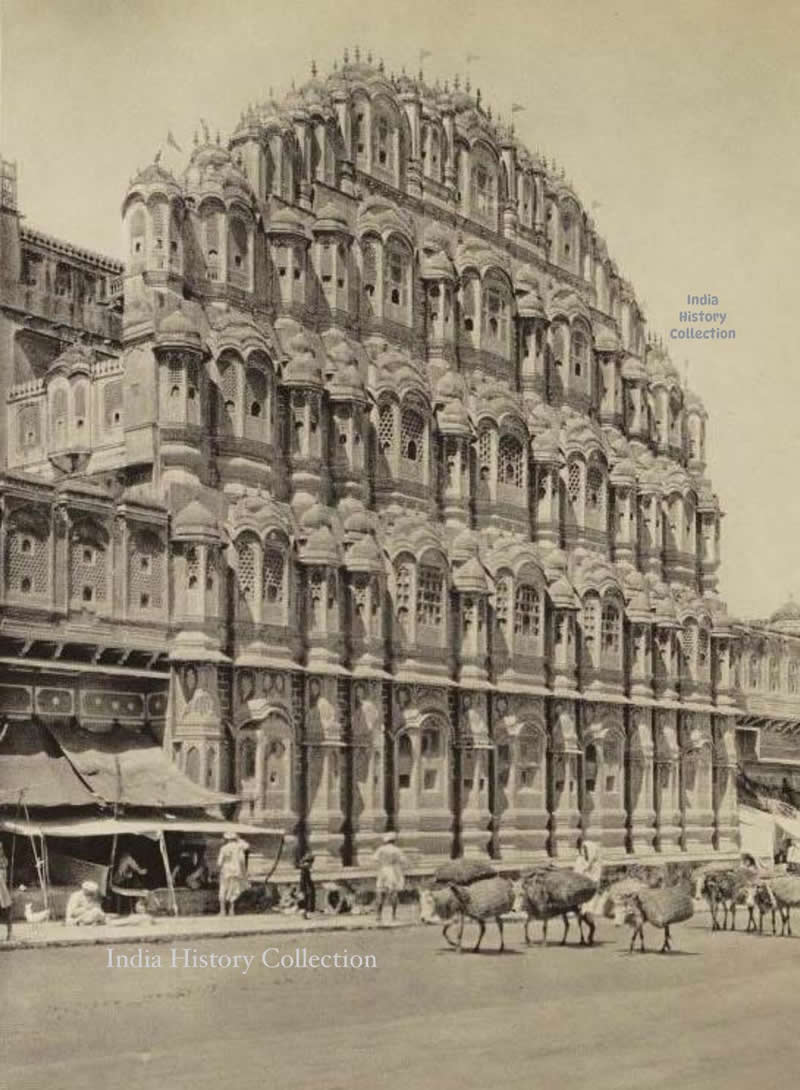
Image Source: India History Collection
#8. Madras (Chennai), 1930s – a peaceful street scene with early cars, bicycles, and colonial-era buildings.
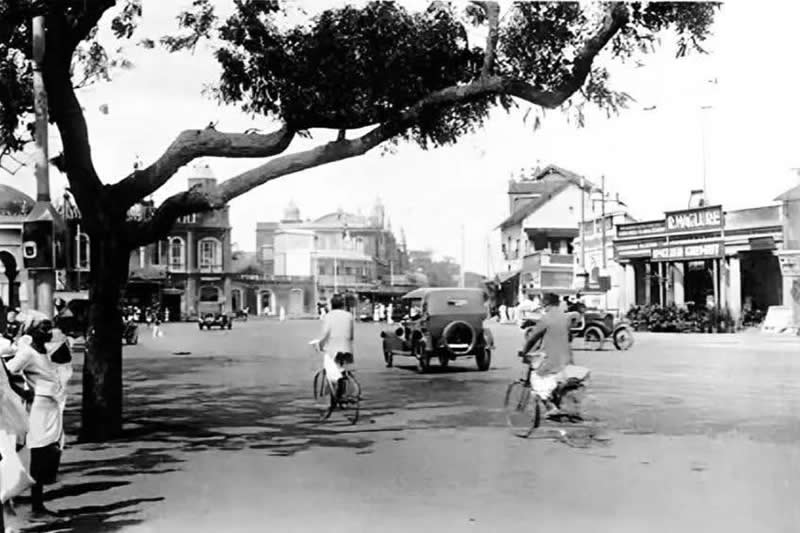
Image Source: India History Collection
#9. 1885– Ghazal and Dance, Hyderabad.
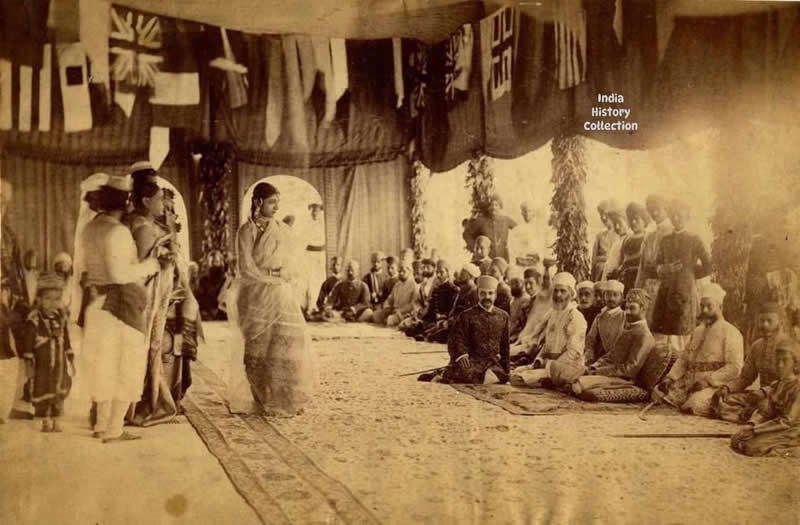
Image Source: India History Collection
#10. Indian man ironing. Photograph circa 1890s.
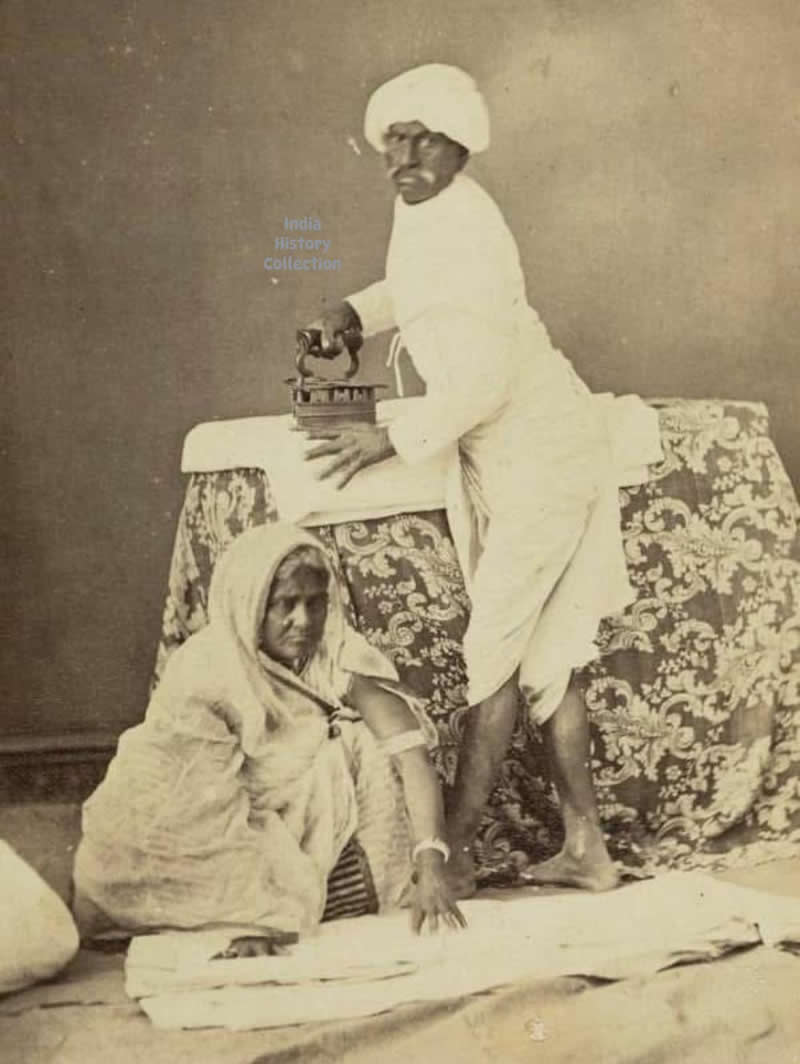
Image Source: India History Collection
#11. Indian writers gather around a pile of books and papers, 1921 — a quiet moment of intellectual exchange, debate, and literary awakening during the early decades of modern India.
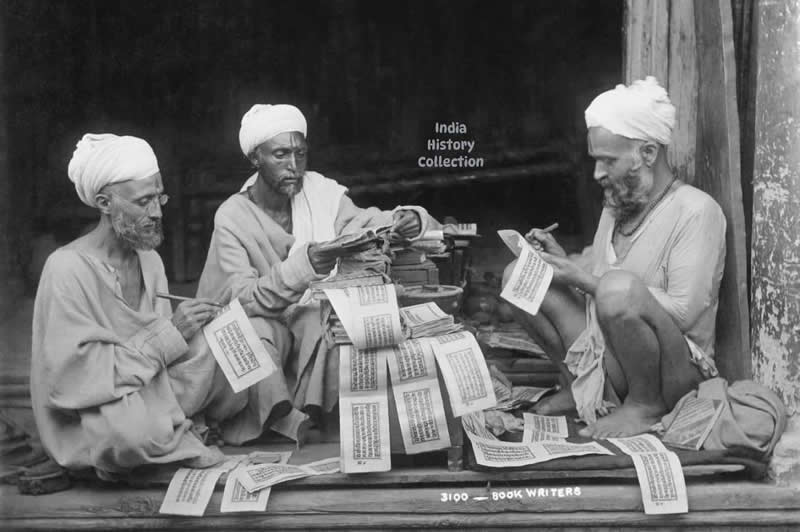
Image Source: India History Collection
#12. The Jagdish Temple and the City of Udaipur- circa 1910.
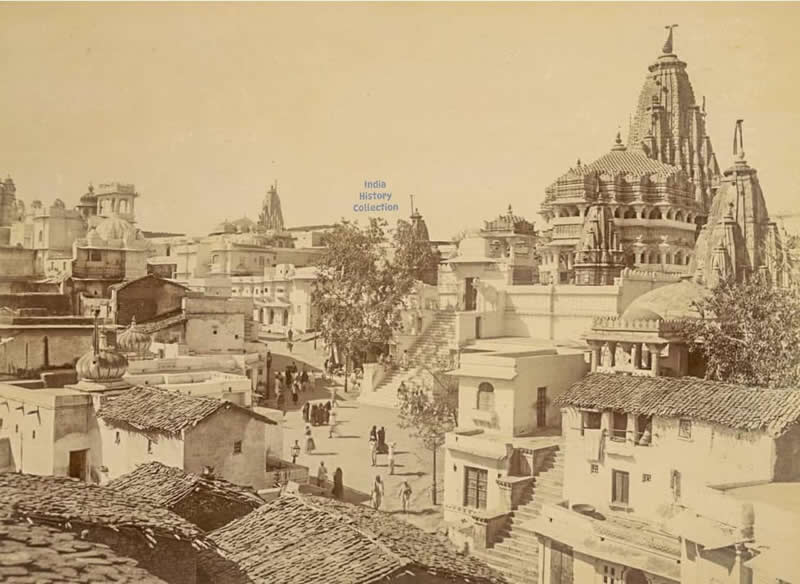
Image Source: India History Collection
#13. Schoolboys near the Golden Temple, Amritsar — 1928. A quiet moment of youthful curiosity and everyday life in the historic city of Amritsar.
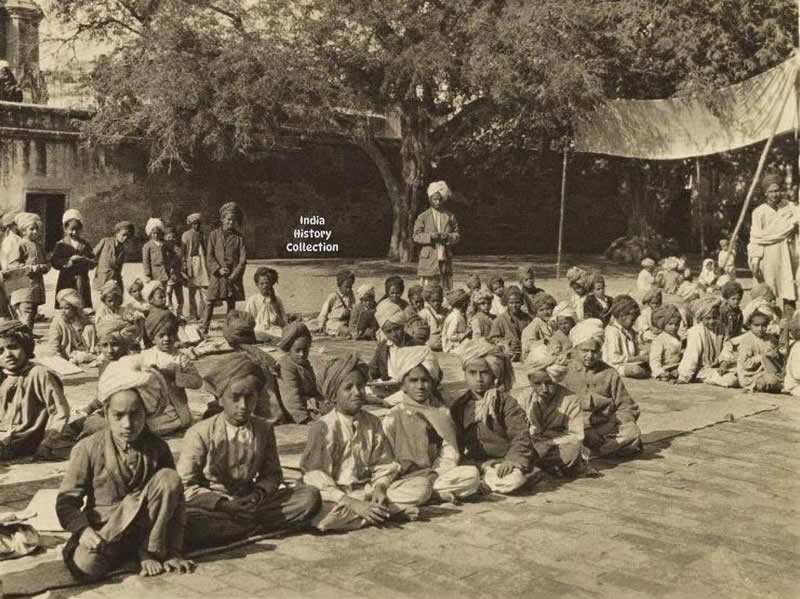
Image Source: India History Collection
#14. A dancing girl performing with accompanying musicians playing the tabla and sarangi, India — early 1900s.
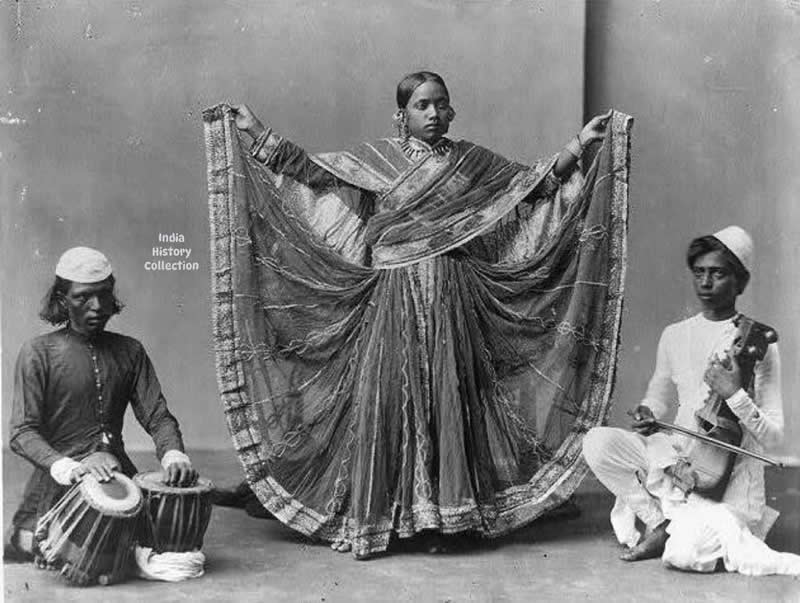
Image Source: India History Collection
#15. Cobra and Mongoose, Lucknow, India— 1920s.
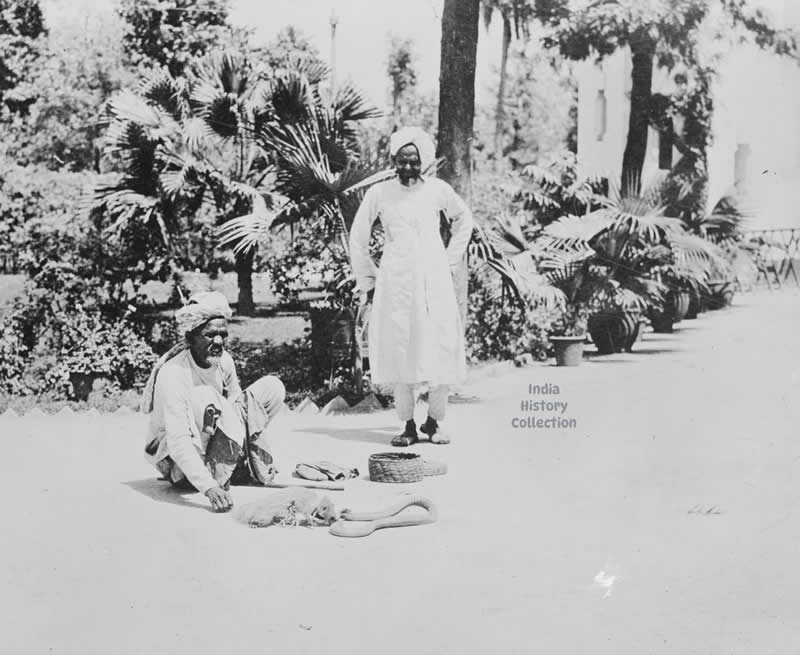
Image Source: India History Collection
#16. Double-Decker Camel Wagon, Agra— 1900.
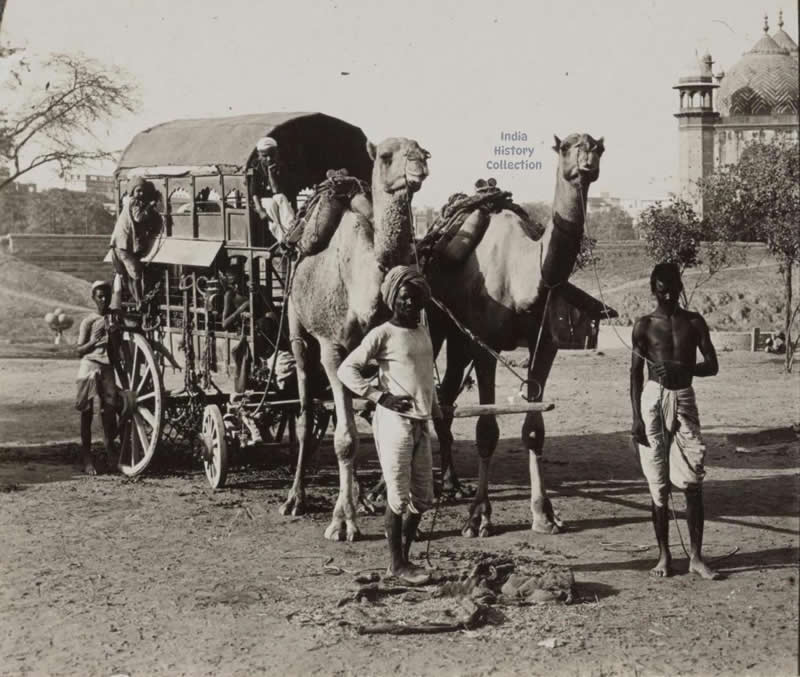
Image Source: India History Collection
#17. An Ascetic, Calcutta, India— 1920’s.
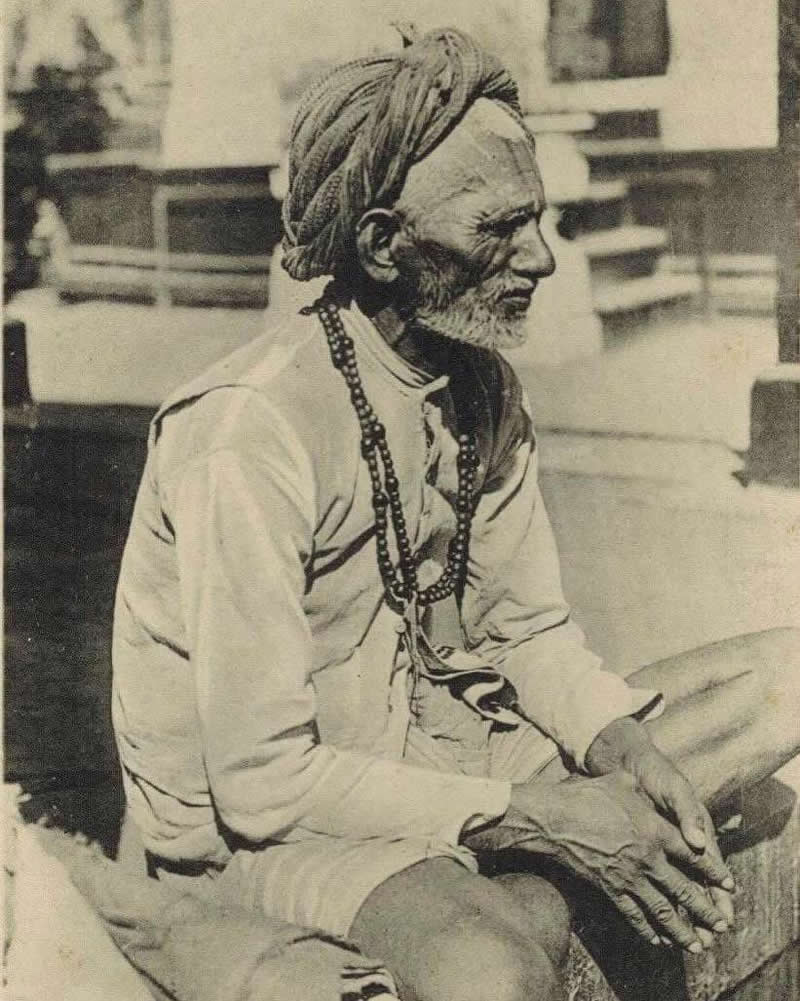
Image Source: India History Collection
#18. Street in Fatehpur-Sikri, near Agra— c.1907.
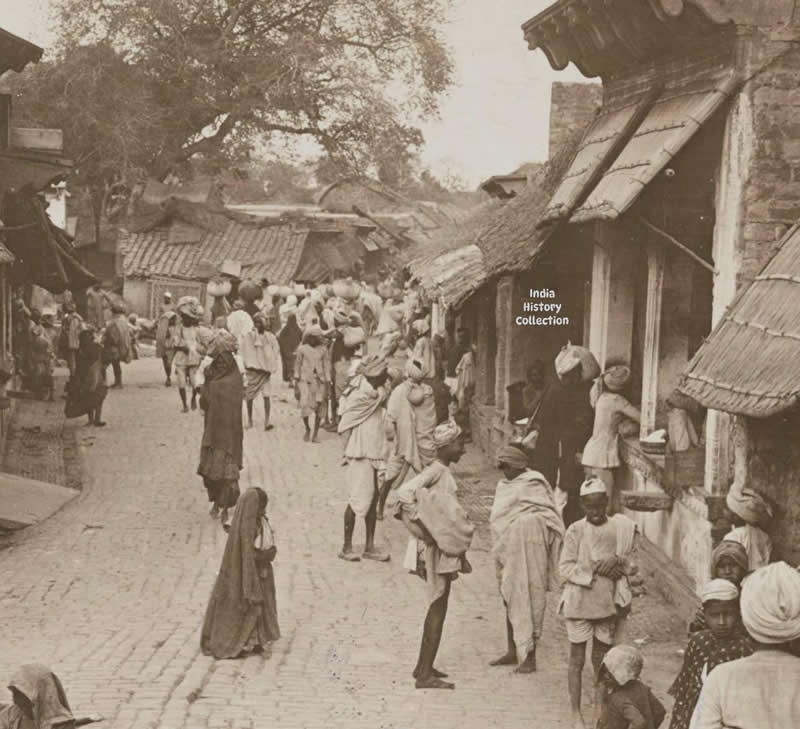
Image Source: India History Collection
#19. A group of women on their way to the station, Udaipur. Photograph circa 1935.
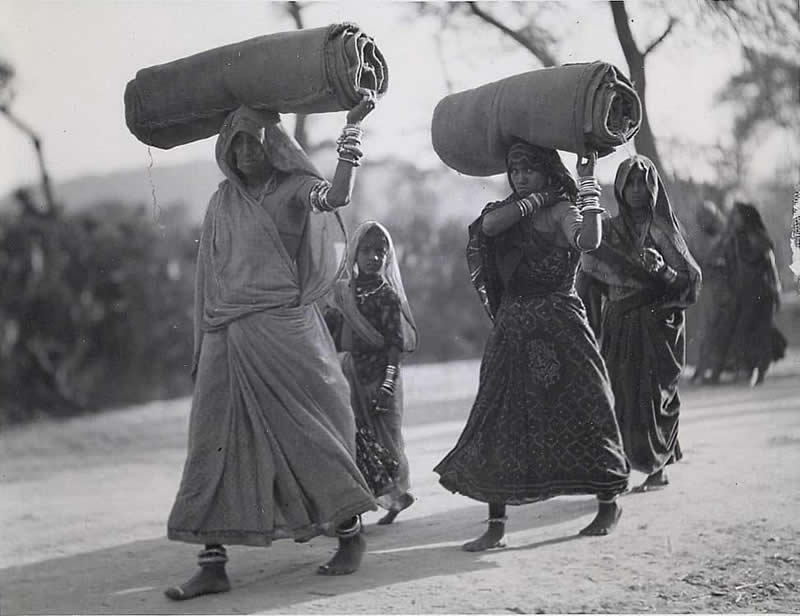
Image Source: India History Collection
#20. 1927- Hall of Pillars by the tank at the Great Temple— Madurai.
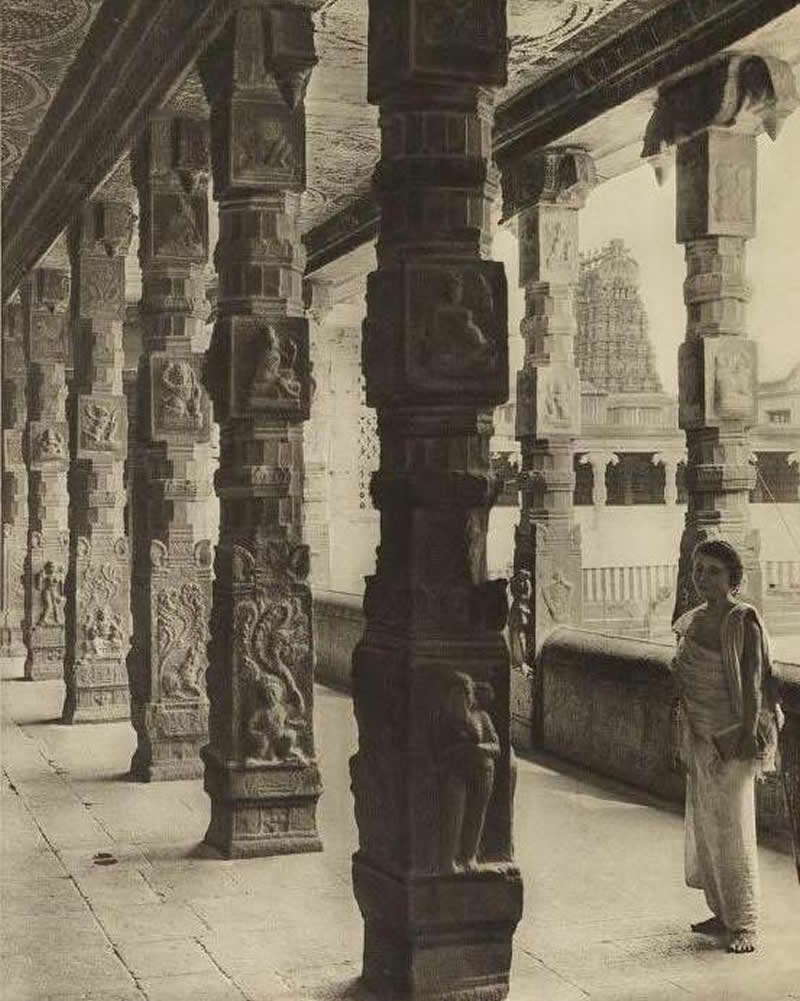
Image Source: India History Collection
#21. 1956 — A remarkable family road journey from Sydney to Paris, covering nearly 12,000 miles on a Lambretta, with a memorable stop at the iconic Gateway of India.
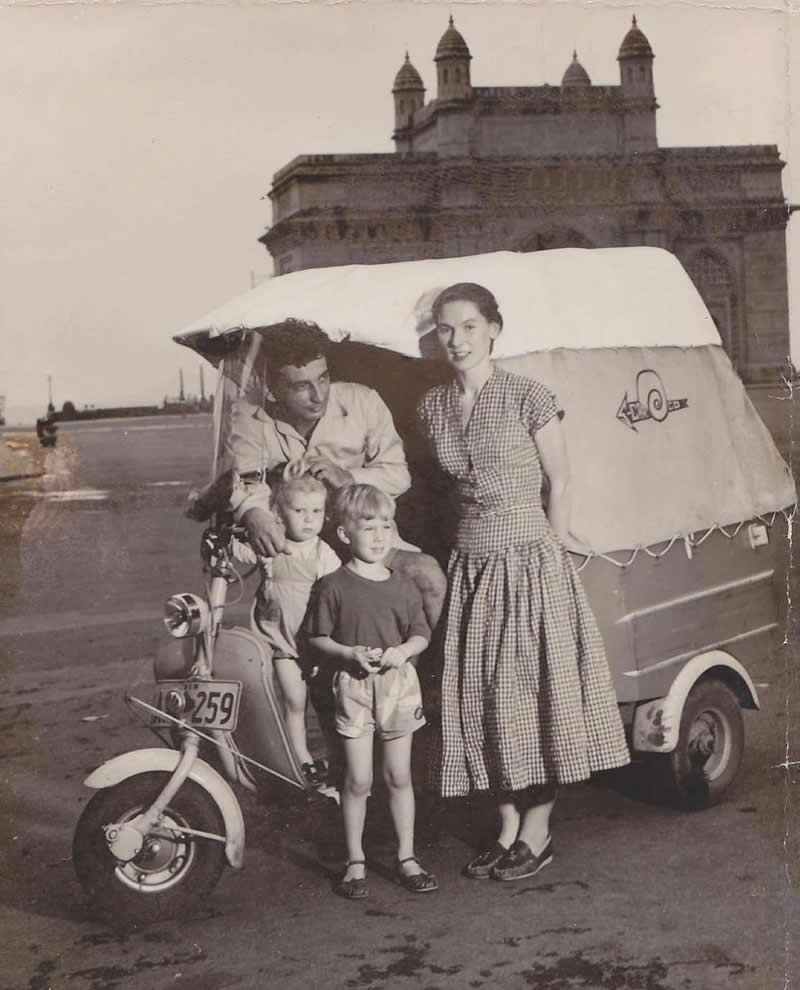
Image Source: India History Collection
#22. Street view, Bombay- 1930s.
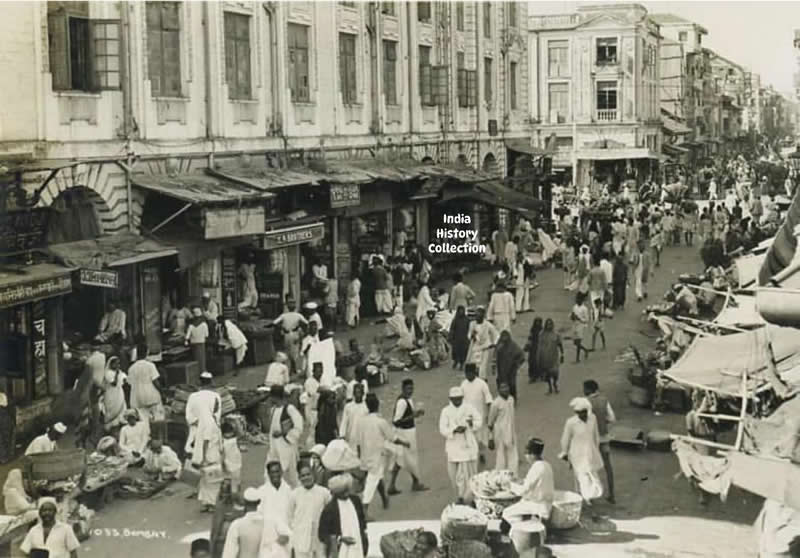
Image Source: India History Collection
#23. Street view, Benares (Varanasi)— 1907.
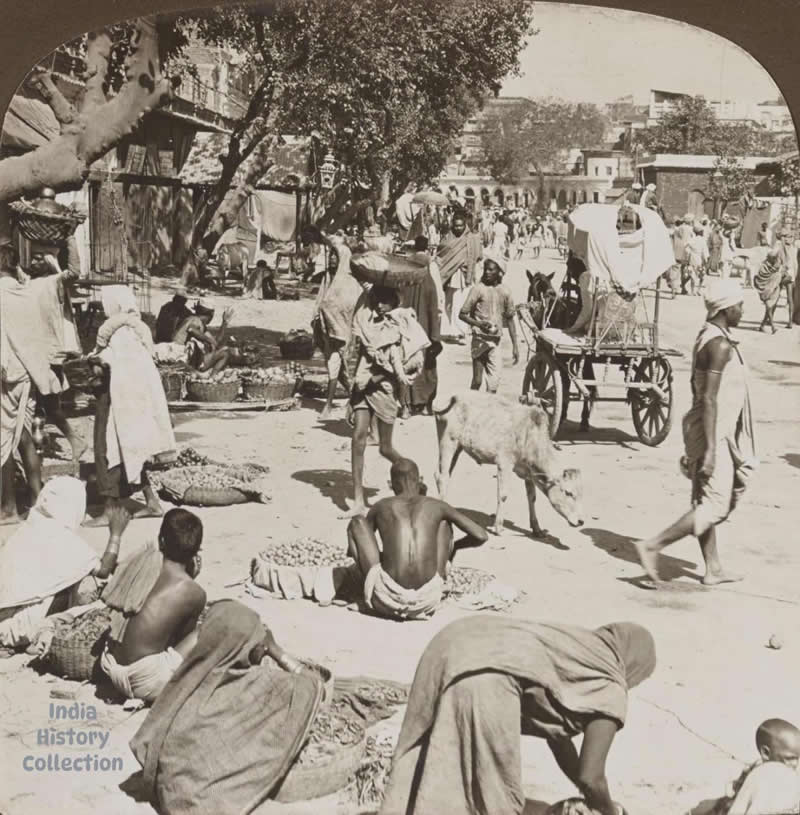
Image Source: India History Collection
#24. Lady with a Lambretta at Gateway of India, Bombay (Mumbai)— circa 1960s.
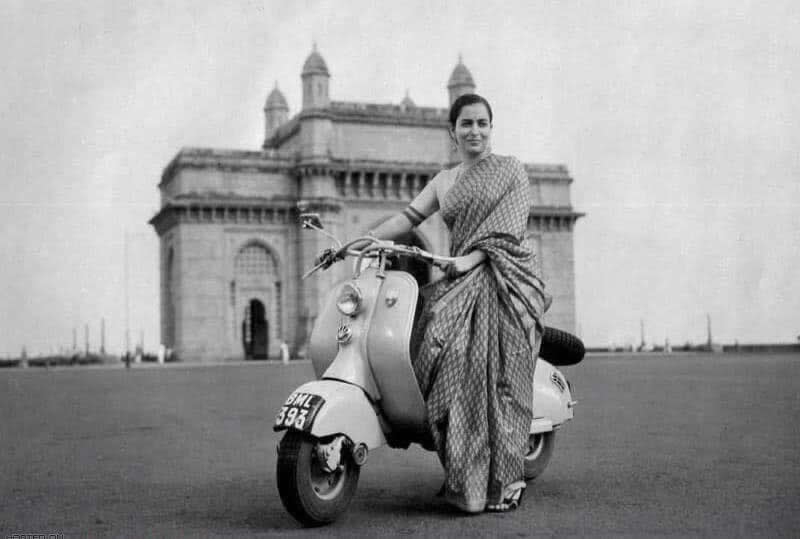
Image Source: India History Collection
#25. Street scene, Old Delhi— 1960s.
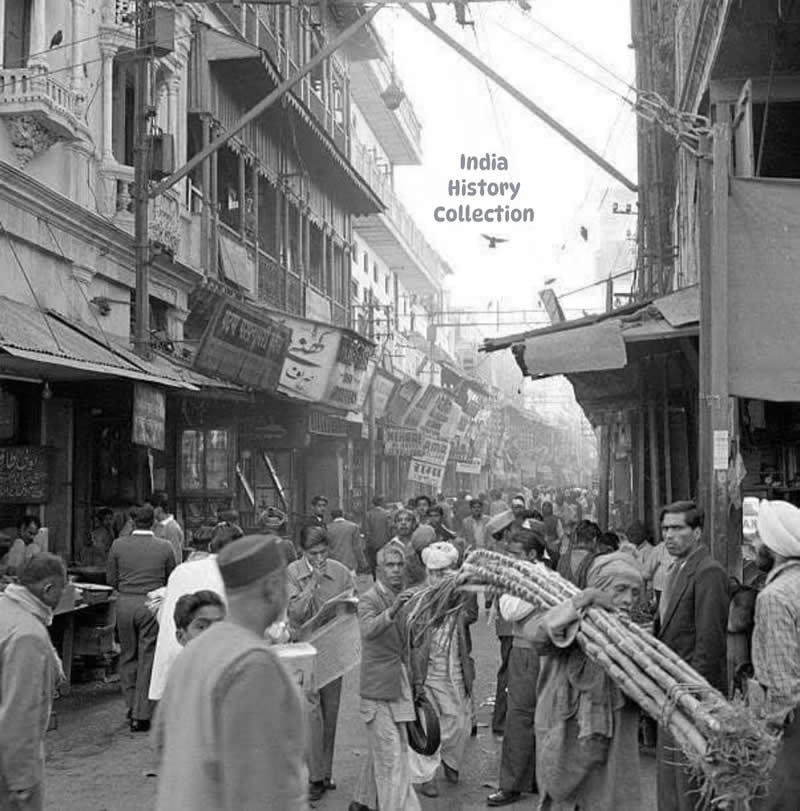
Image Source: India History Collection
#26. A group of Khoja men and boys, posed against a photomontaged backdrop showing an early view of Bombay — circa 1860–70s.
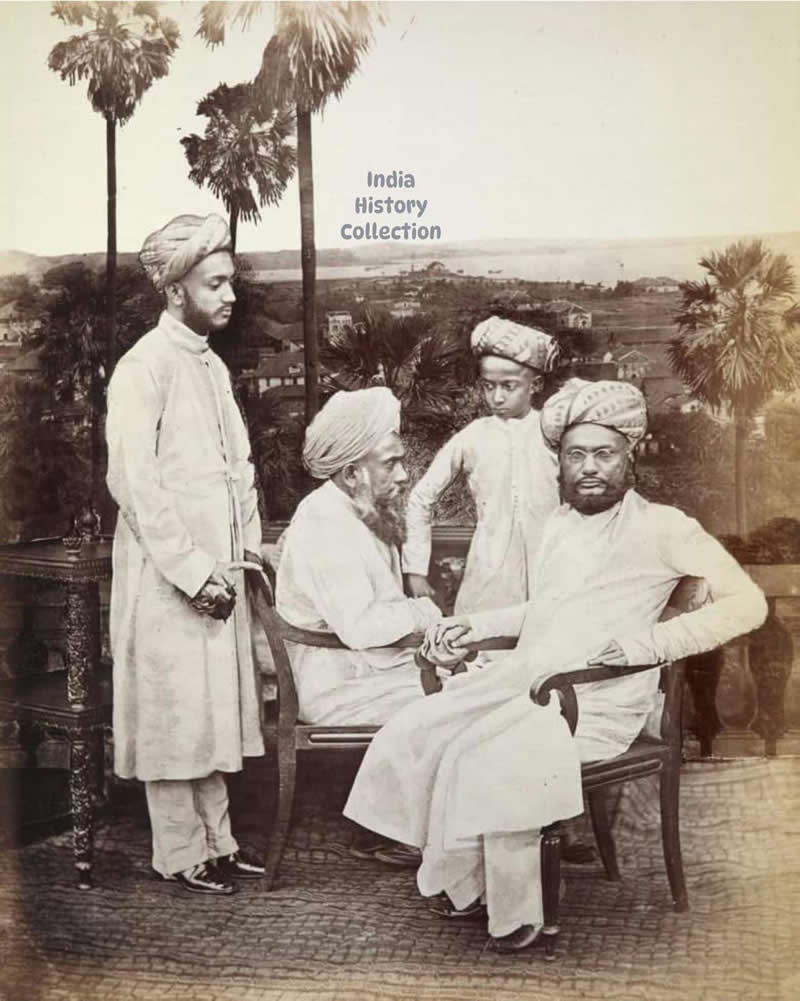
Image Source: India History Collection
#27. Udaipur — Street with horsemen, 1928. A quiet city lane where riders pass through the heart of historic Udaipur, offering a glimpse of everyday life in the late 1920s.
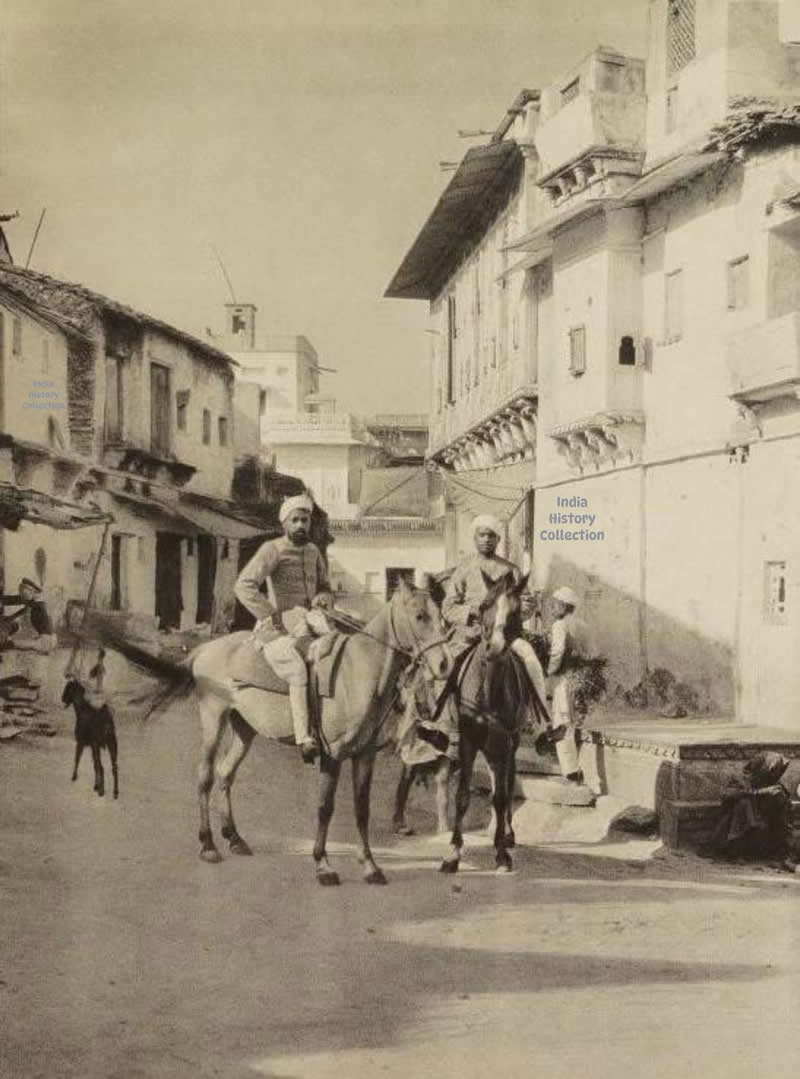
Image Source: India History Collection
#28. The Charminar, Hyderabad in 1922.
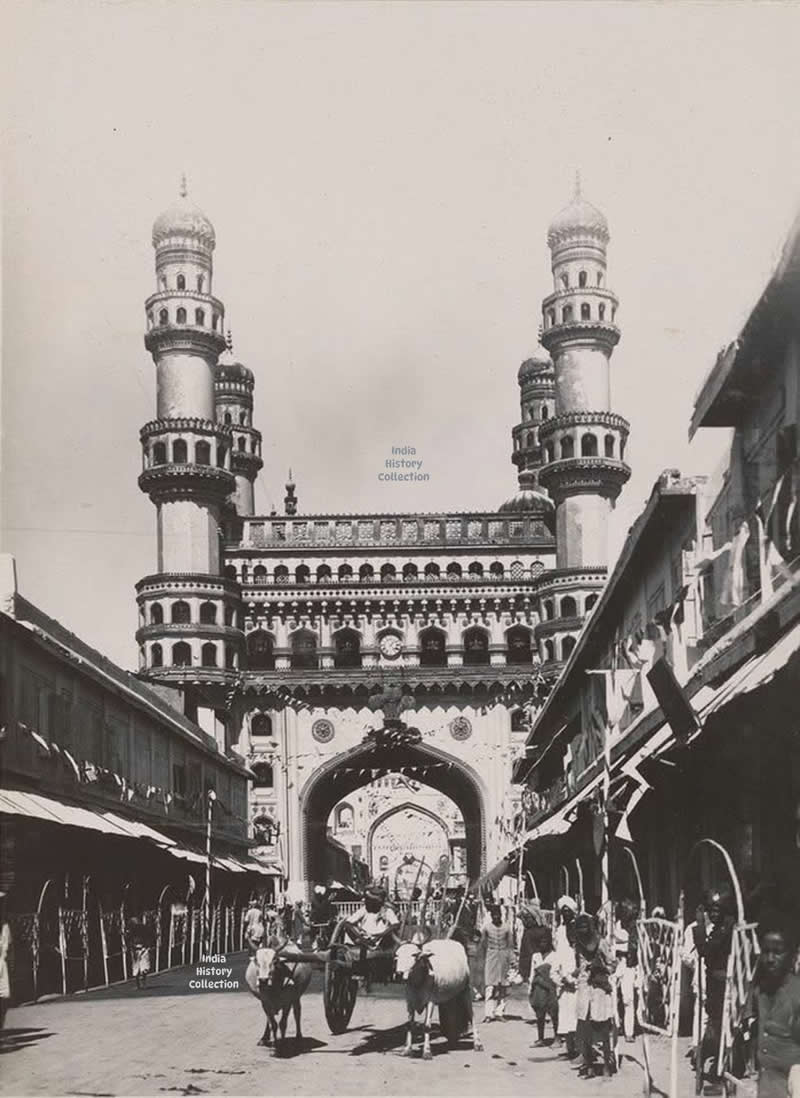
Image Source: India History Collection
#29. Baba Sir Khem Singh Bedi (1830-1905)— the fourteenth spiritual head of the Sikhs, photographed in 1902 during the Coronation of King Edward VII, where he attended as the official representative of Punjab.
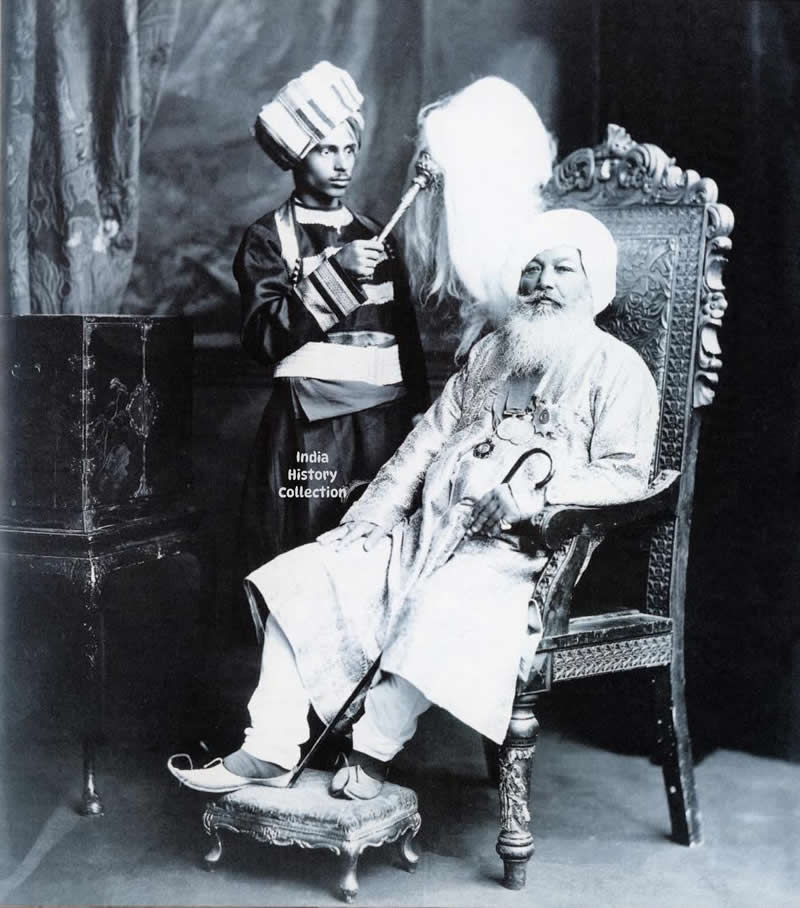
Image Source: India History Collection
#30. A Street-side shop, Delhi— 1910.
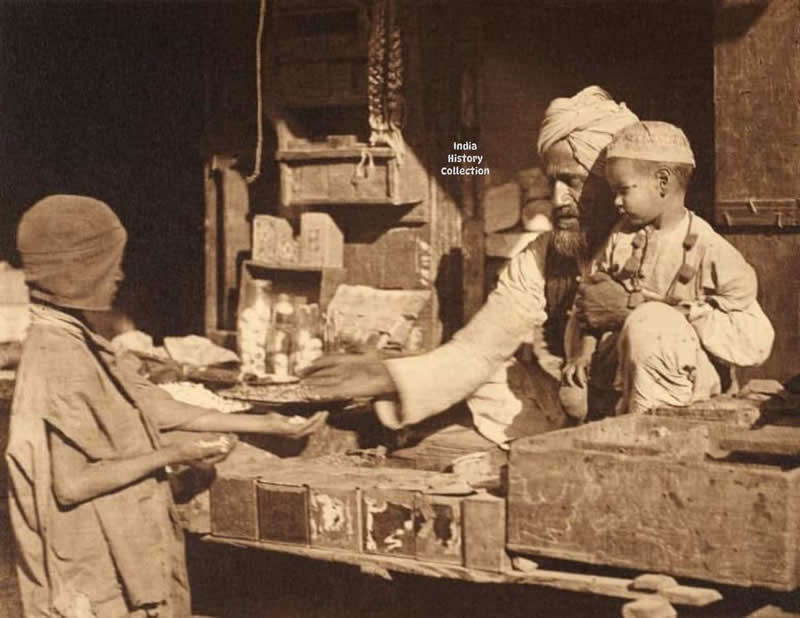
Image Source: India History Collection
#31. East wing of the Tiger Cave, Elephanta — India, 1903.
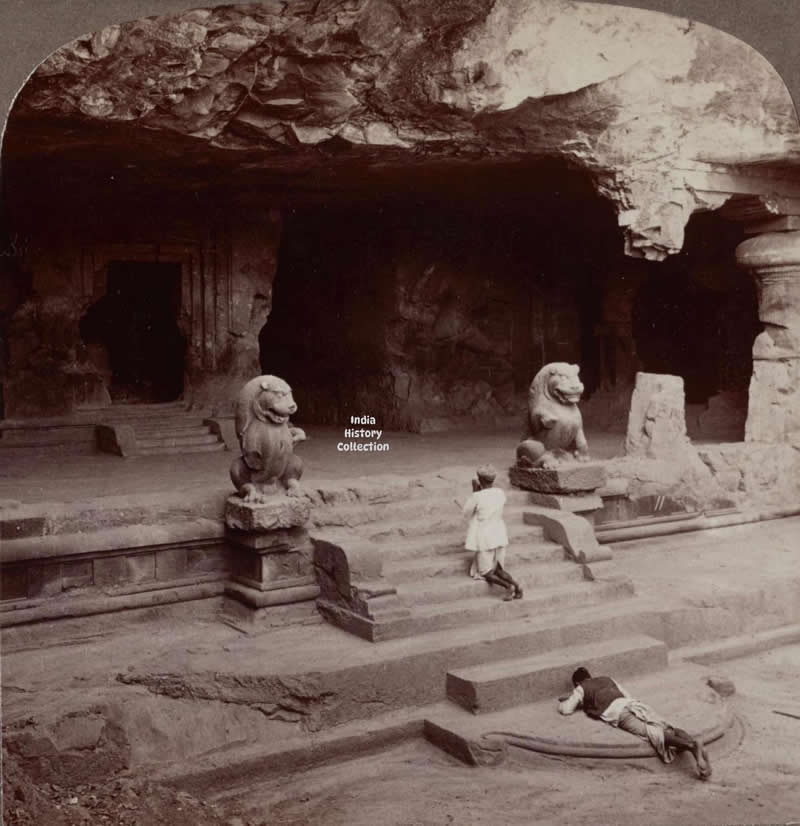
Image Source: India History Collection
#32. Elephant fountain, Madura (Madurai), India- 1904.
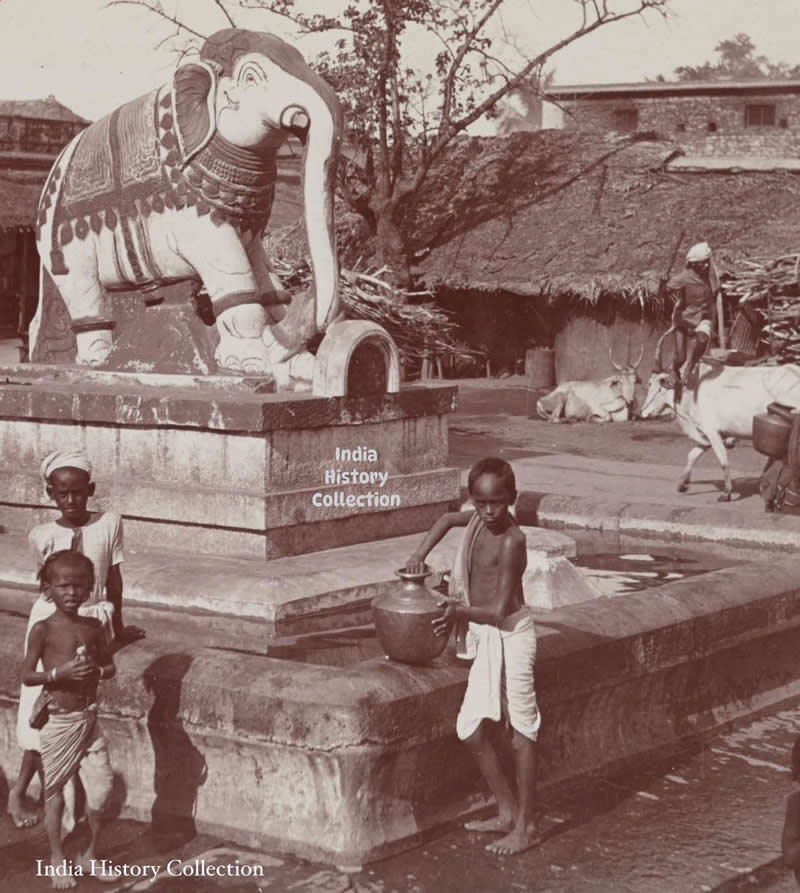
Image Source: India History Collection
#33. Lord Lansdowne, Viceroy of India (1888-1894), and Lady Lansdowne on an elephant ride with their staff, circa 1890s.
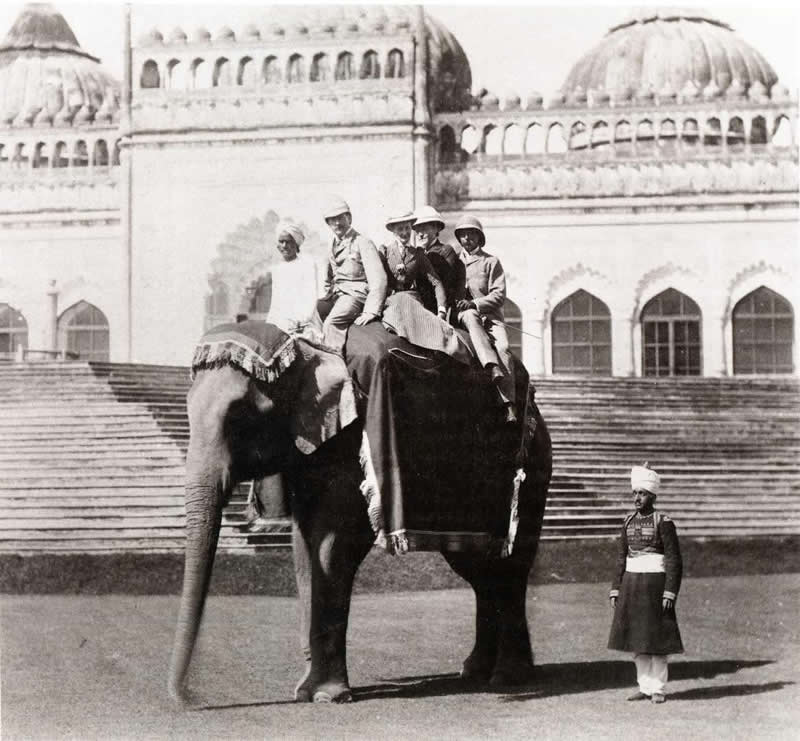
Image Source: India History Collection
#34. A 20-woman road crew in Darjeeling — circa 1903. Working in unison, they pull a heavy roller up a mountain road, shaping the early transport routes of the Himalayas — a powerful snapshot of women’s labour in colonial India.
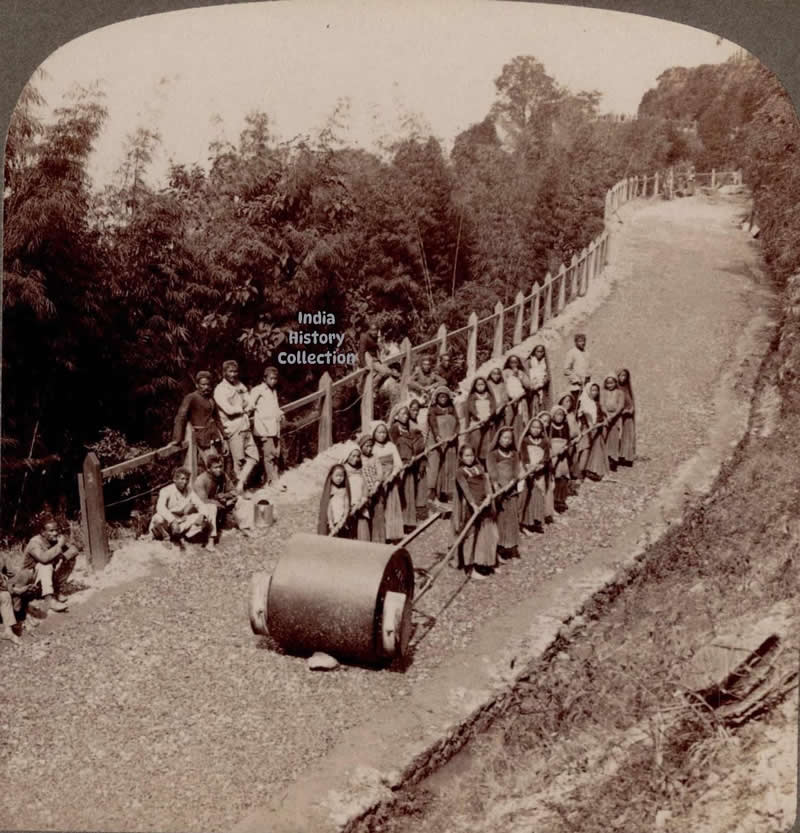
Image Source: India History Collection
#35. A missionary school for boys — identified by a handwritten note on the reverse as St. Francis Xavier School, Rahata, likely dating to the early 1900s.
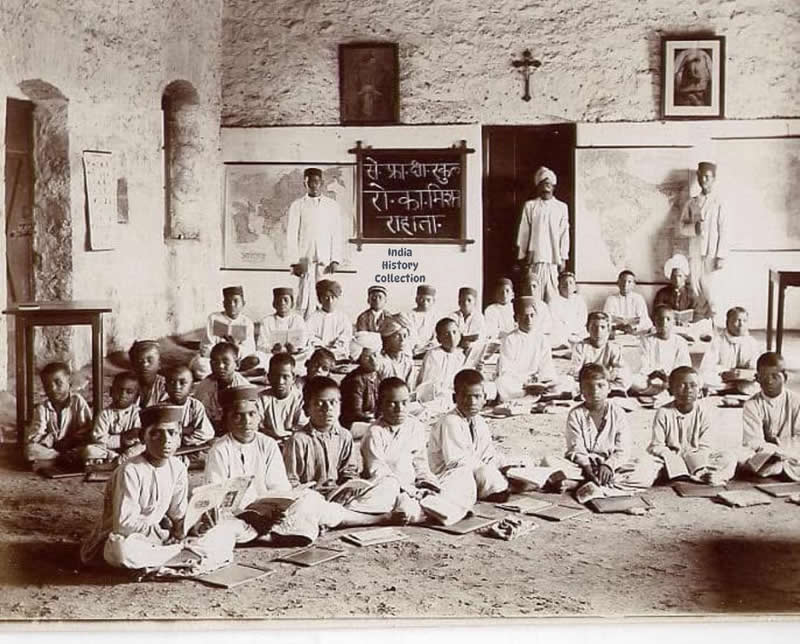
Image Source: India History Collection
#36. A studio portrait of Takht Singh, Maharaja of Jodhpore (Jodhpur) — 1860–70s.
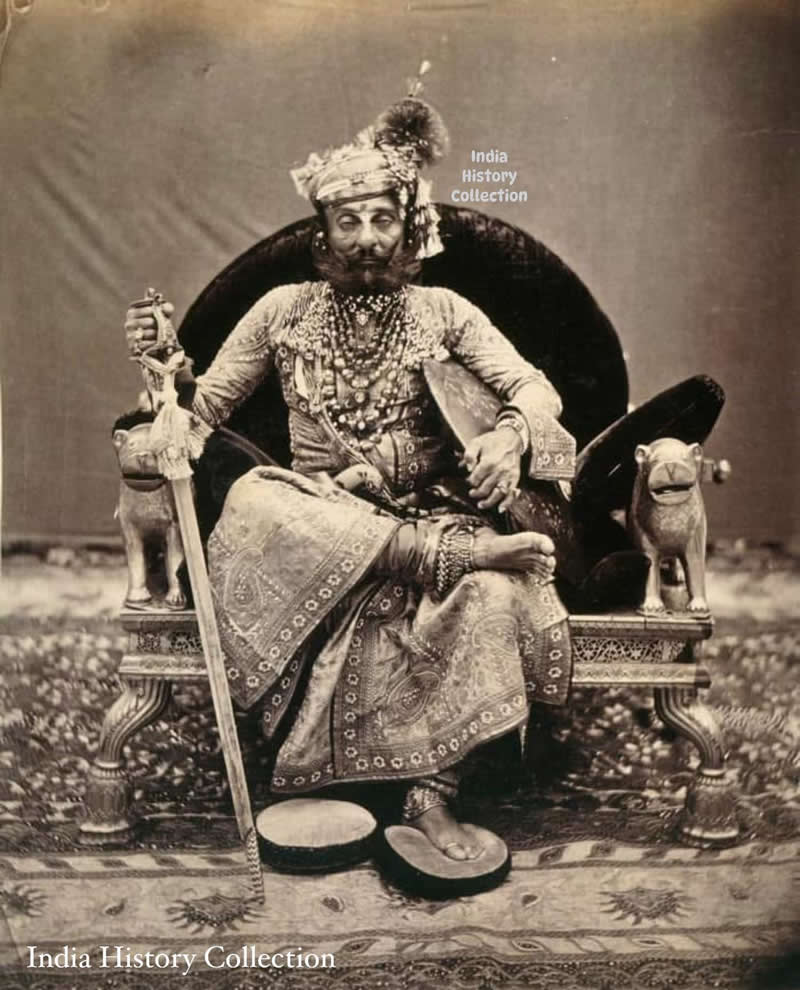
Image Source: India History Collection
#37. Ascetics by the riverside— 1928.
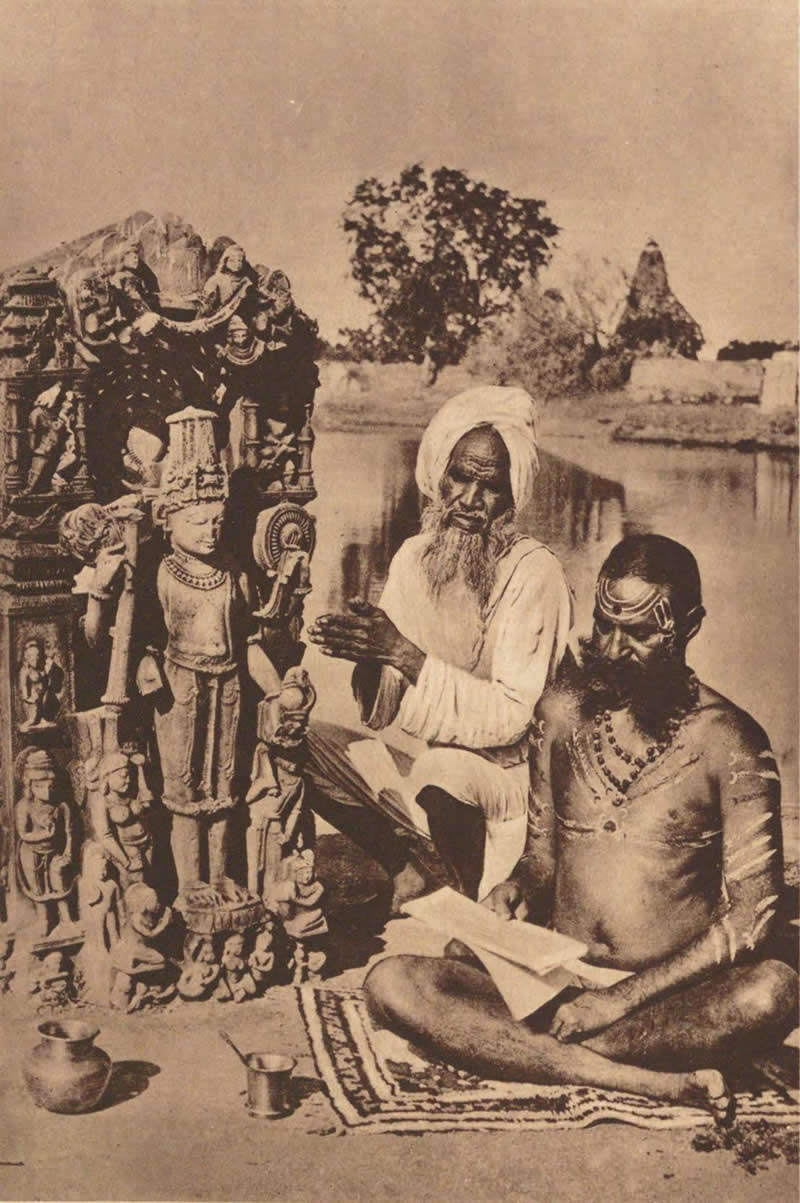
Image Source: India History Collection
#38. On the Banks of the Brahmaputra — 1928. A quiet moment frozen in time along the mighty Brahmaputra.
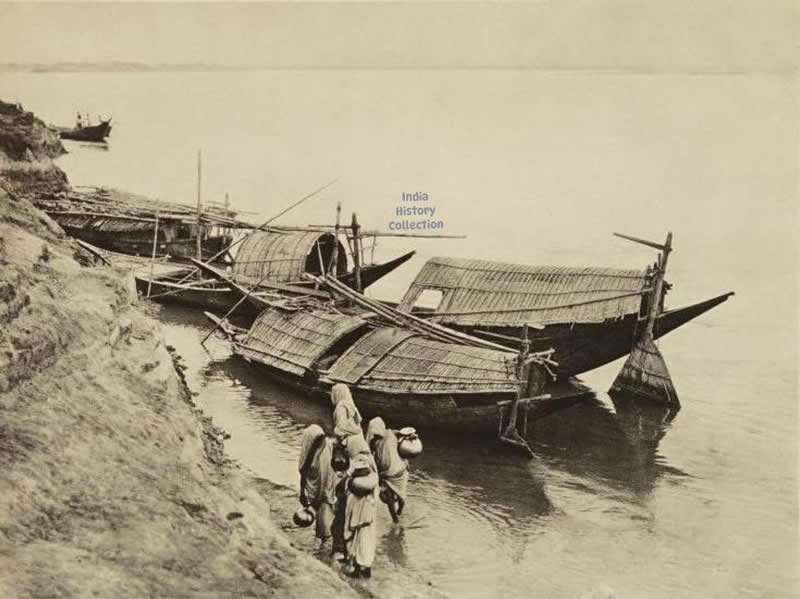
Image Source: India History Collection
#39. Madras Harbour from the Jetty — circa 1860–70s. A vivid glimpse of early Madras, where crowded surf-boats, bustling shores, and grand colonial buildings shaped the pulse of the old port city.
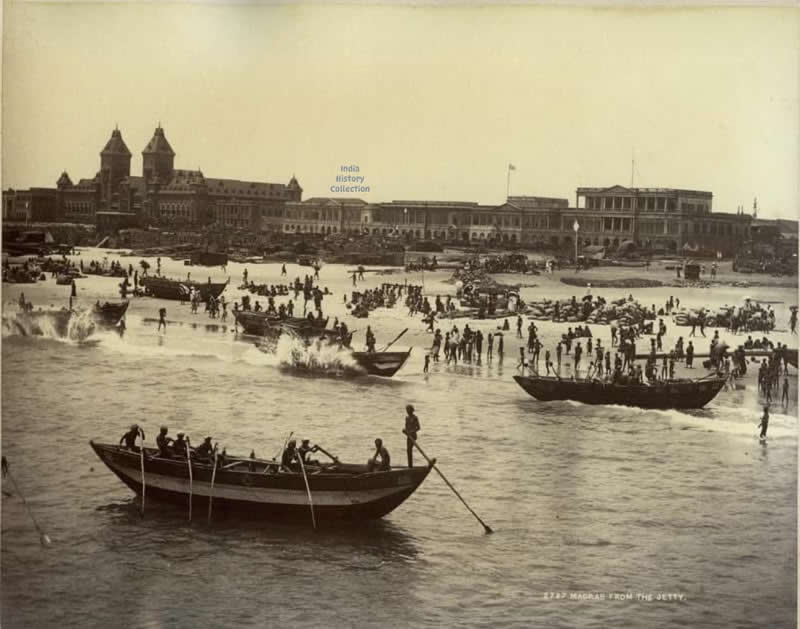
Image Source: India History Collection
#40. Calcutta (now Kolkata) street traffic in 1945— a lively mix of trams, hand-pulled rickshaws, vintage cars, and pedestrians moving through one of the city’s busiest roads.
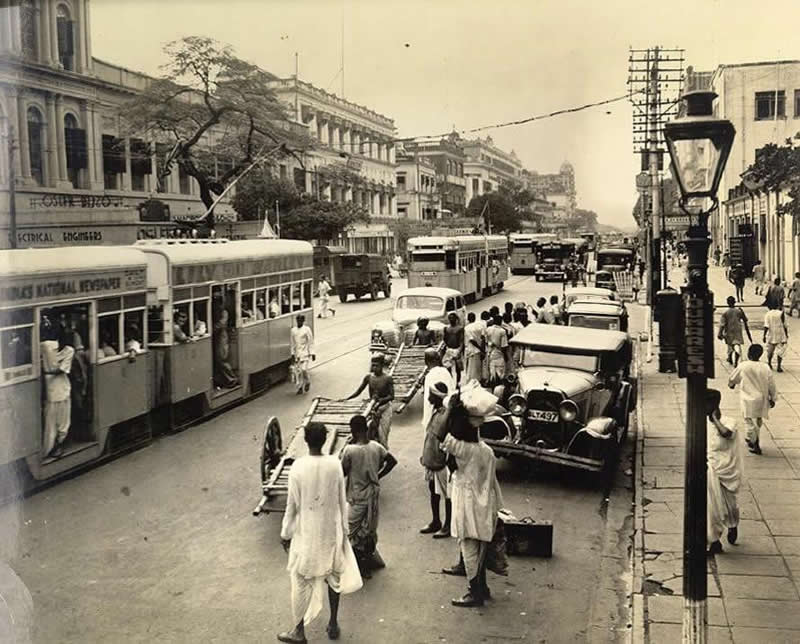
Image Source: India History Collection
In Summary
What are rare historical Indian photos?
- They are vintage photographs capturing India’s past, including daily life, cities, royalty, and cultural moments.
What time period do these photos belong to?
- Most images date back to the late 19th and early-to-mid 20th century.
What makes these photos unique?
- They show unfiltered daily life, real people, and historic places before modernization.
Are these photos black and white?
- Yes, most are classic black-and-white images from early photography eras.
Why are historical photos important?
- They preserve culture, document change, and help us understand how people lived in the past.





 English (US) ·