.png)
 1 day ago
5
1 day ago
5
Some photographers chase drama. Others chase silence. Ashok Sikri belongs to the rare breed that waits for the wild to whisper—and when it does, he listens with his camera. Based in Rishikesh, Ashok’s journey into wildlife photography didn’t start with a grand plan or expensive gear. It started with curiosity, a forest walk, and a feeling of peace that changed everything.
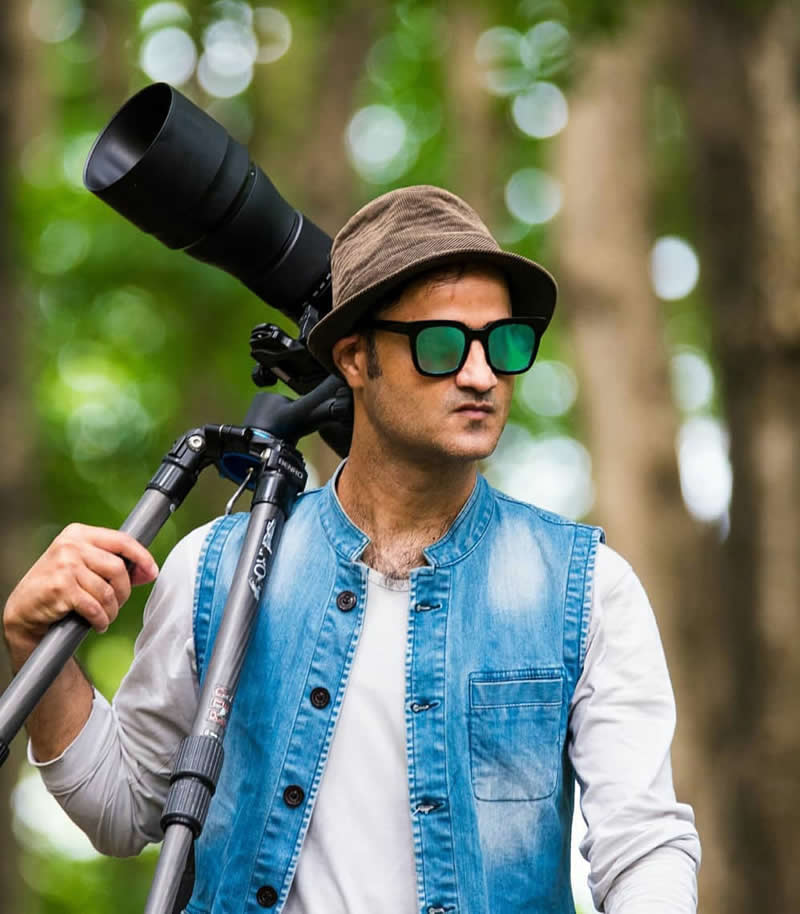
Back in 2018, photography was just a hobby. Wildlife wasn’t even on the radar. But one early birding trip—without a proper telephoto lens, without expectations—rewired his creative instincts. Inside the forest, time slowed down. The noise of the world faded. What remained was light filtering through trees, birds resting between flights, animals pausing just long enough to be seen. That calm became addictive. And slowly, almost naturally, wildlife photography became more than passion—it became purpose.
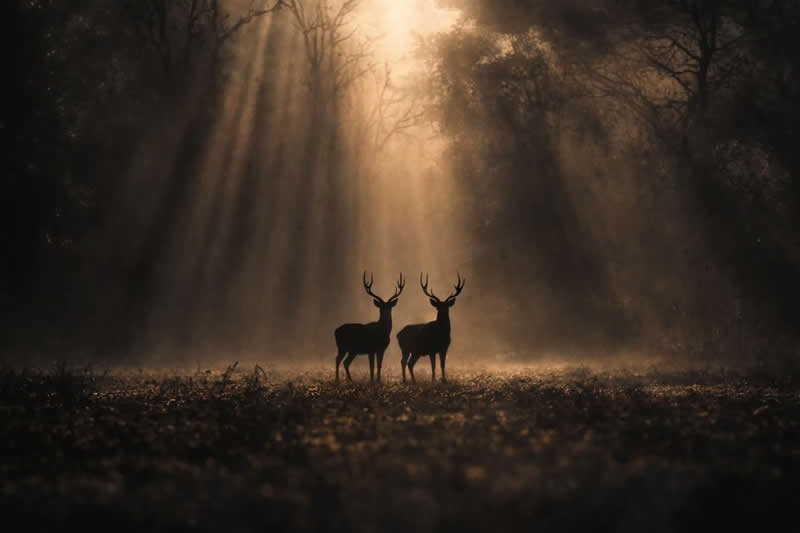
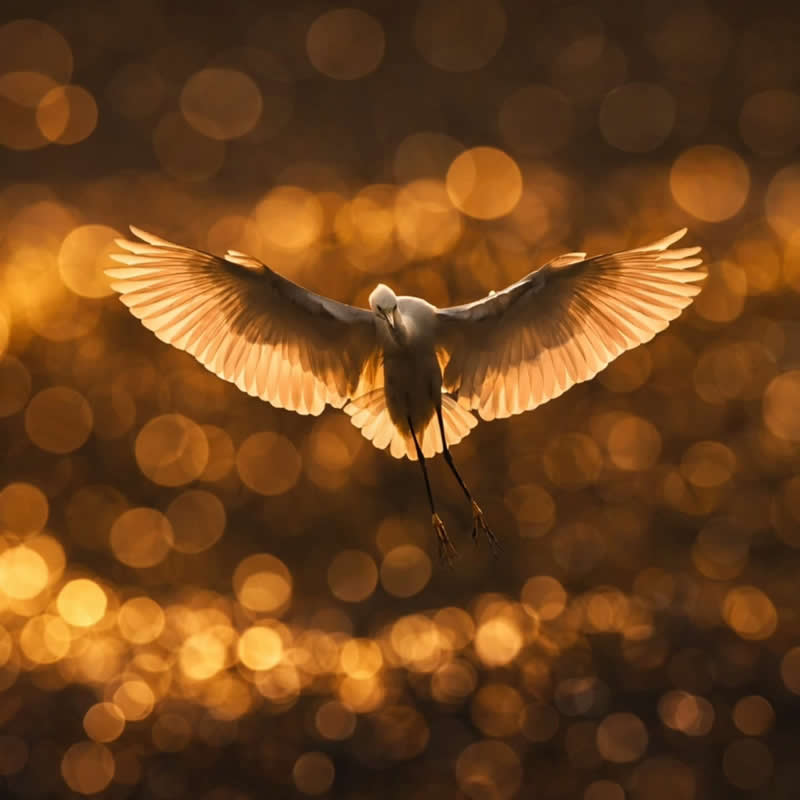
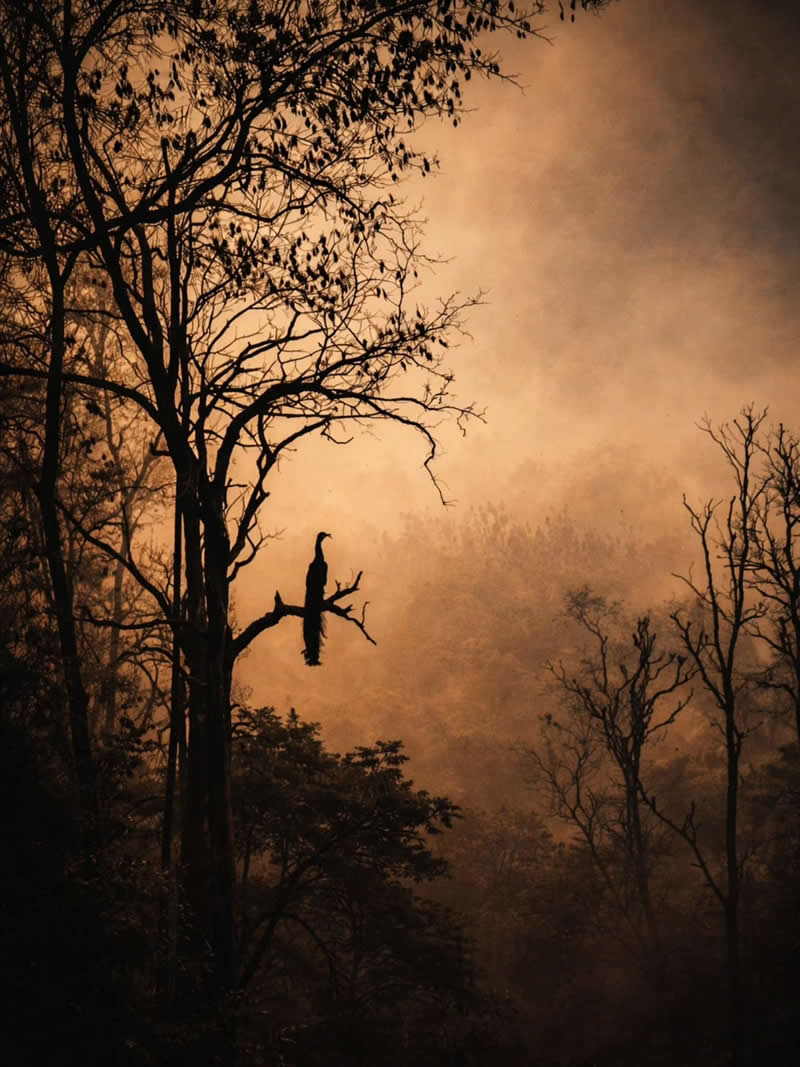
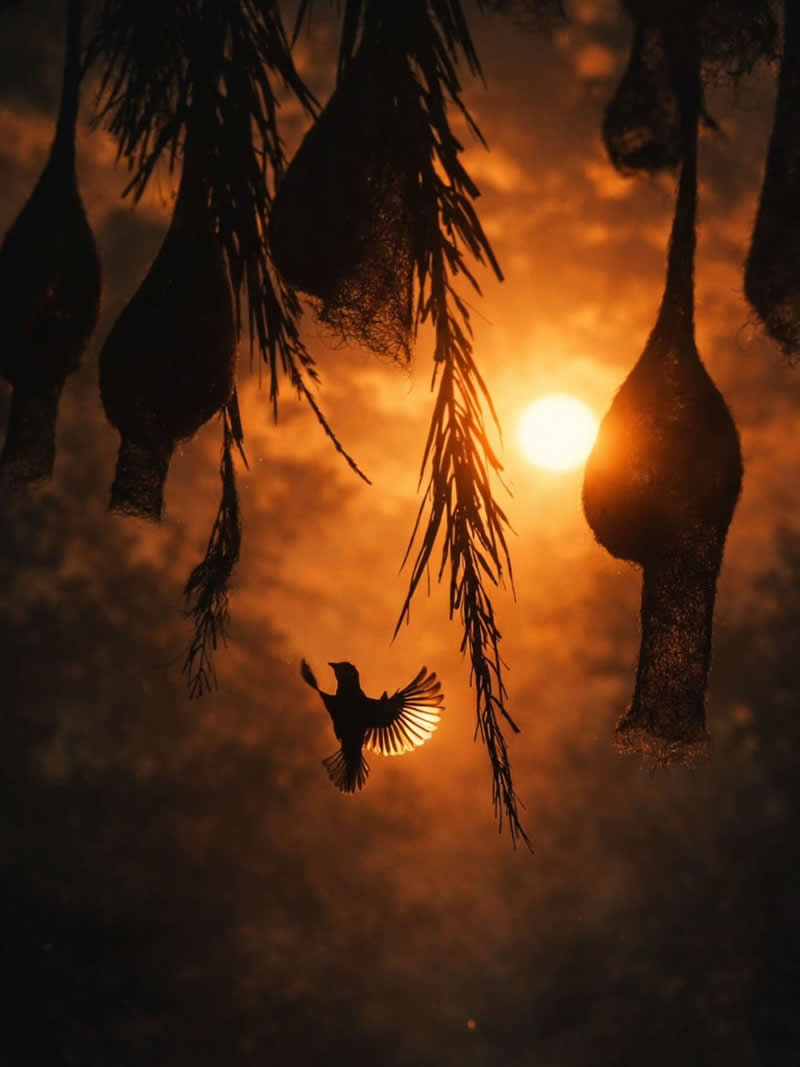
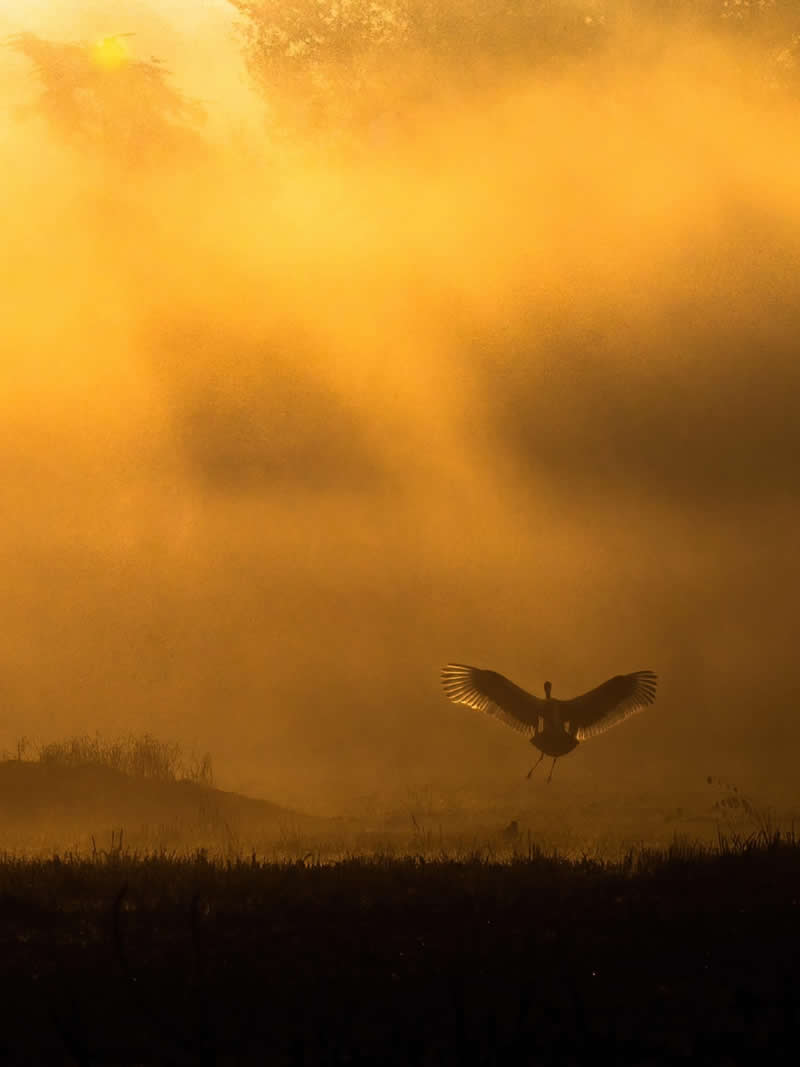
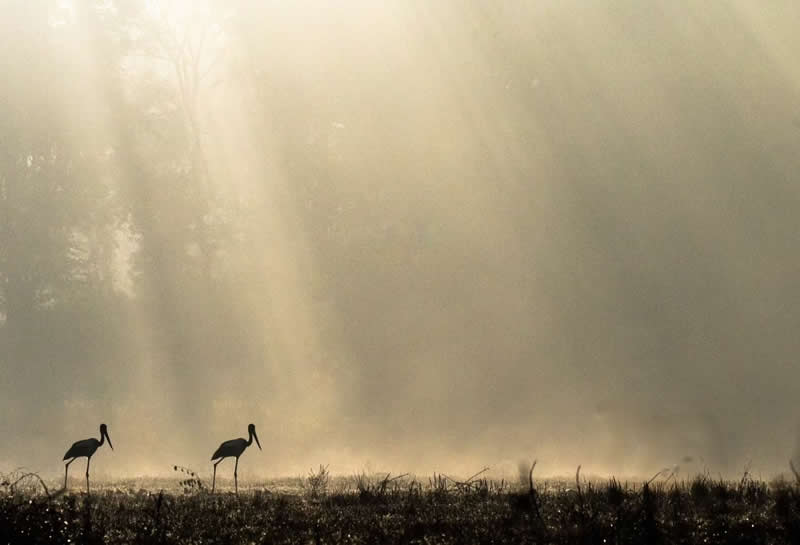
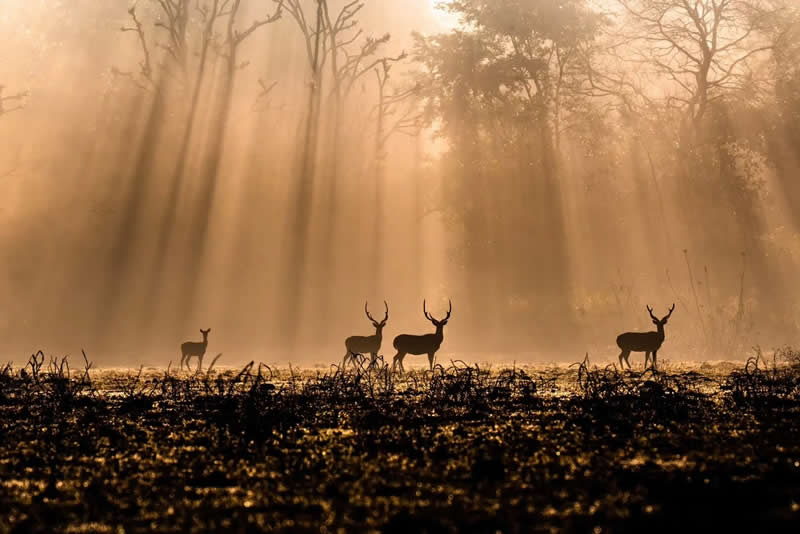
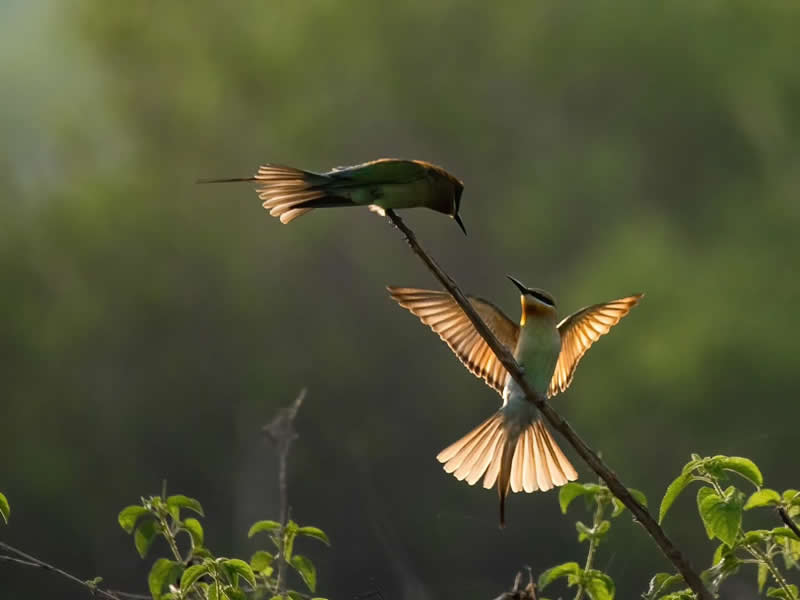
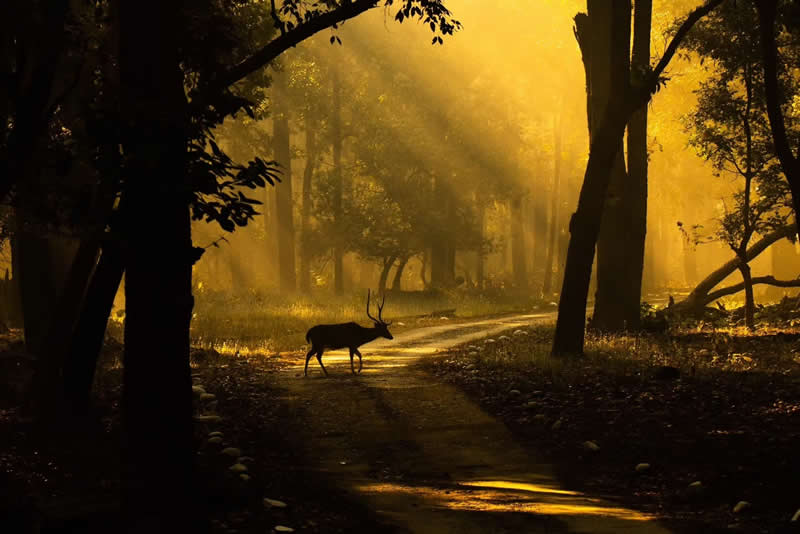
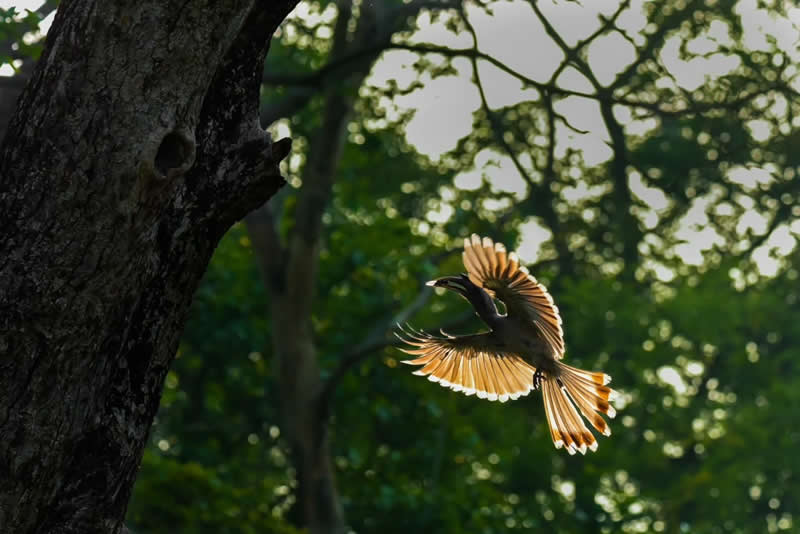
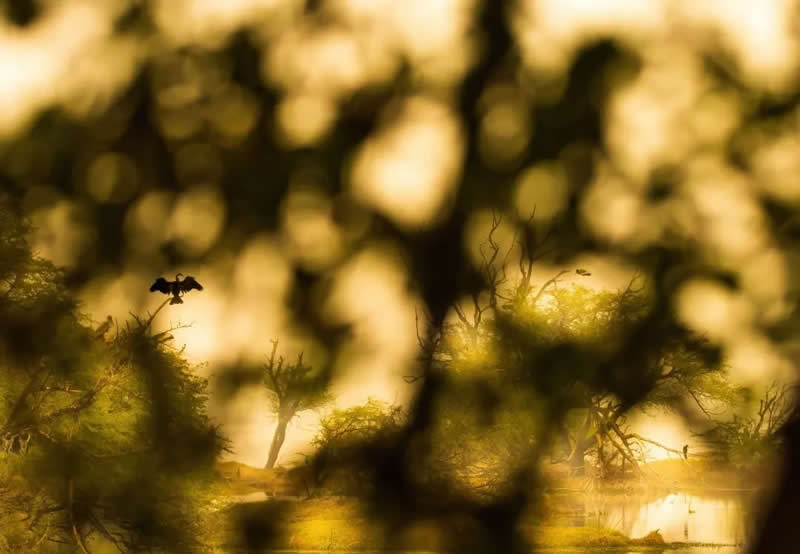
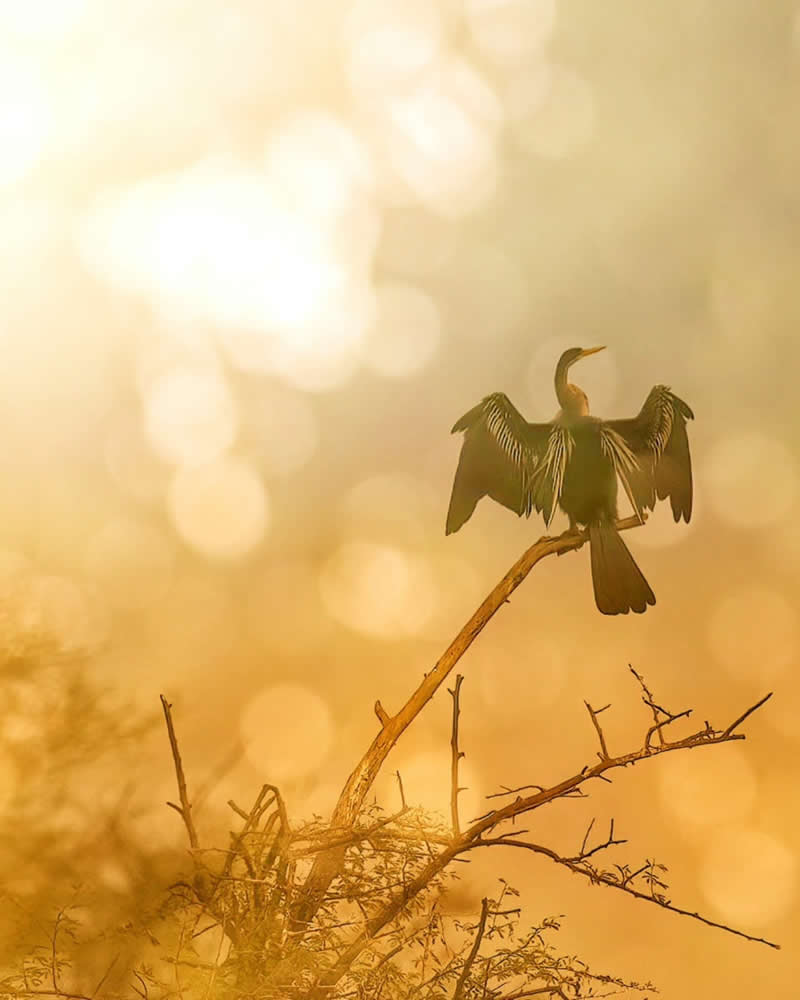
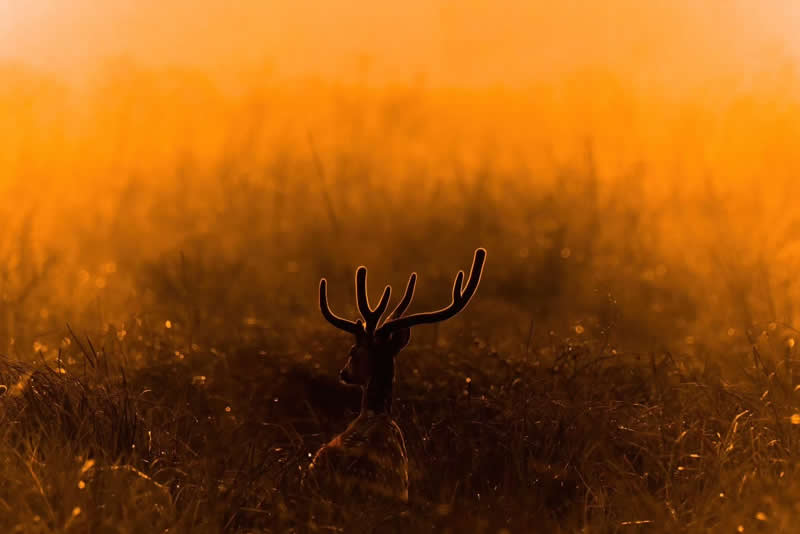
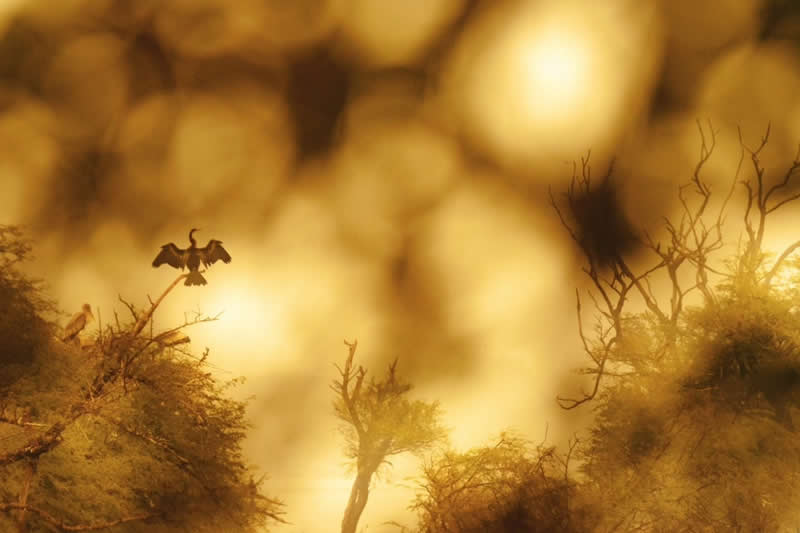
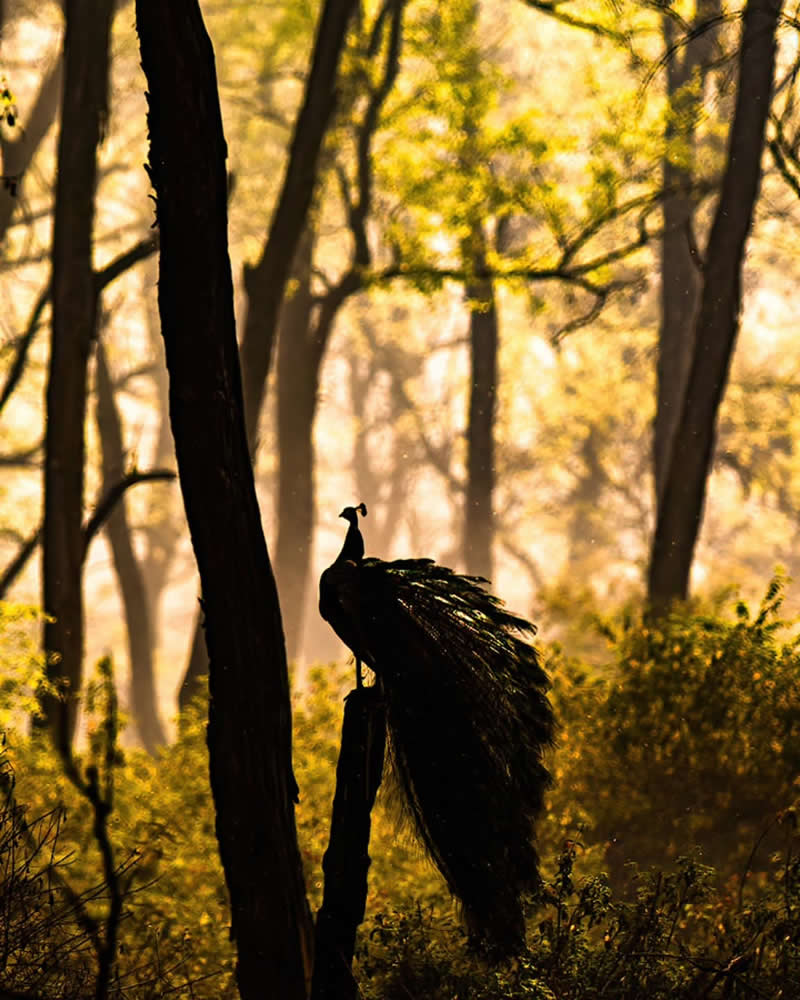
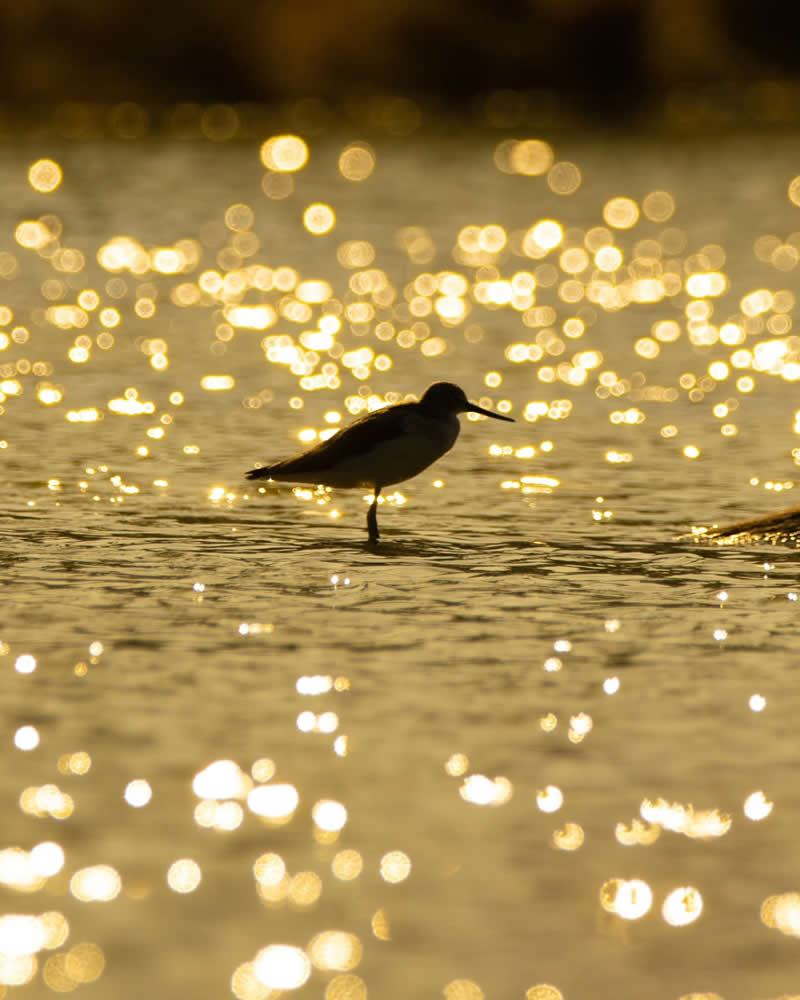
Ashok’s work stands out because it doesn’t scream for attention. It breathes. His minimalist approach strips away chaos and focuses on form, posture, light, and emotion. Most of his images are captured at sunrise, when golden-yellow light spills gently across Indian forests. Backlit silhouettes, delicate outlines, and soft shadows turn animals and birds into living poetry.
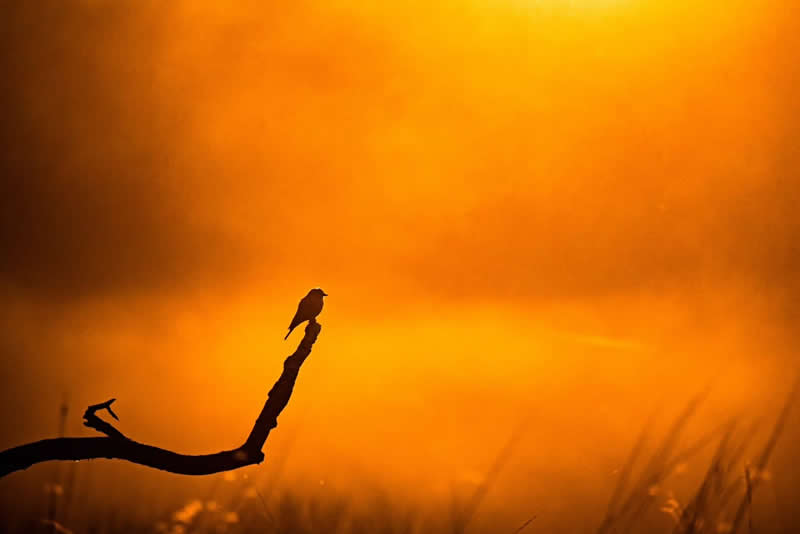
There’s restraint in his compositions. Space is respected. Subjects are never crowded. Whether it’s a solitary bird perched against a glowing sky or an animal frozen in a perfect posture, each frame feels intentional and deeply personal.
Over the years, that quiet consistency has earned global recognition. His work has been featured on platforms like NatGeo India, BBC, and Nikon, along with multiple contest wins. But accolades aren’t the story here. The real story is connection—between a man, his camera, and the natural world that gives him peace.
You can find Ashok Sikri on the web:
#1
#2
#3
#4
#5
A Minimalist Vision Rooted in Nature
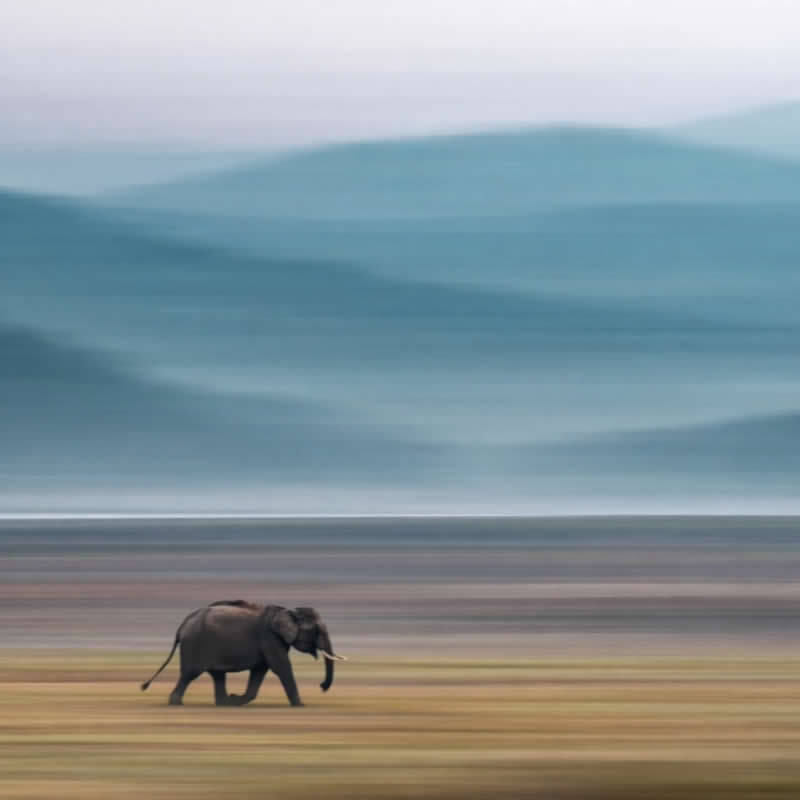
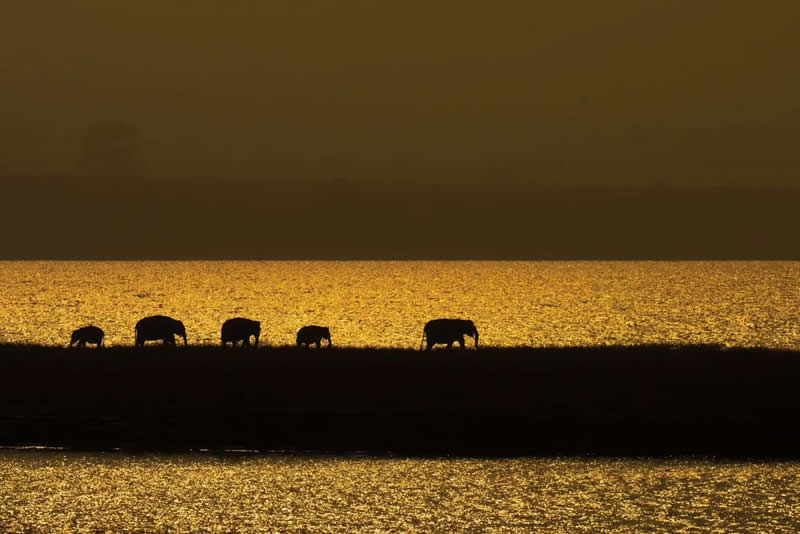
Ashok Sikri’s wildlife photography is all about subtraction. He removes the unnecessary so the essential can shine. Instead of cluttered frames packed with action, he leans into minimalism—clean backgrounds, negative space, and carefully balanced compositions. This approach allows viewers to truly see the subject, not just look at it.
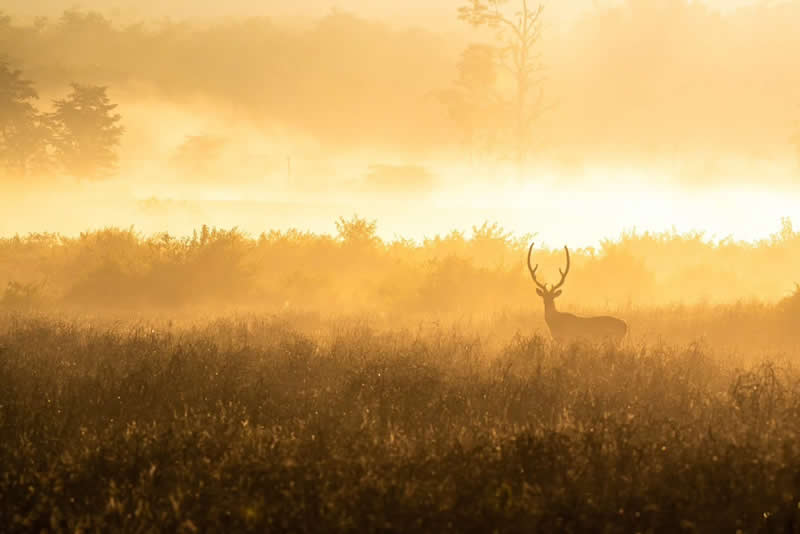
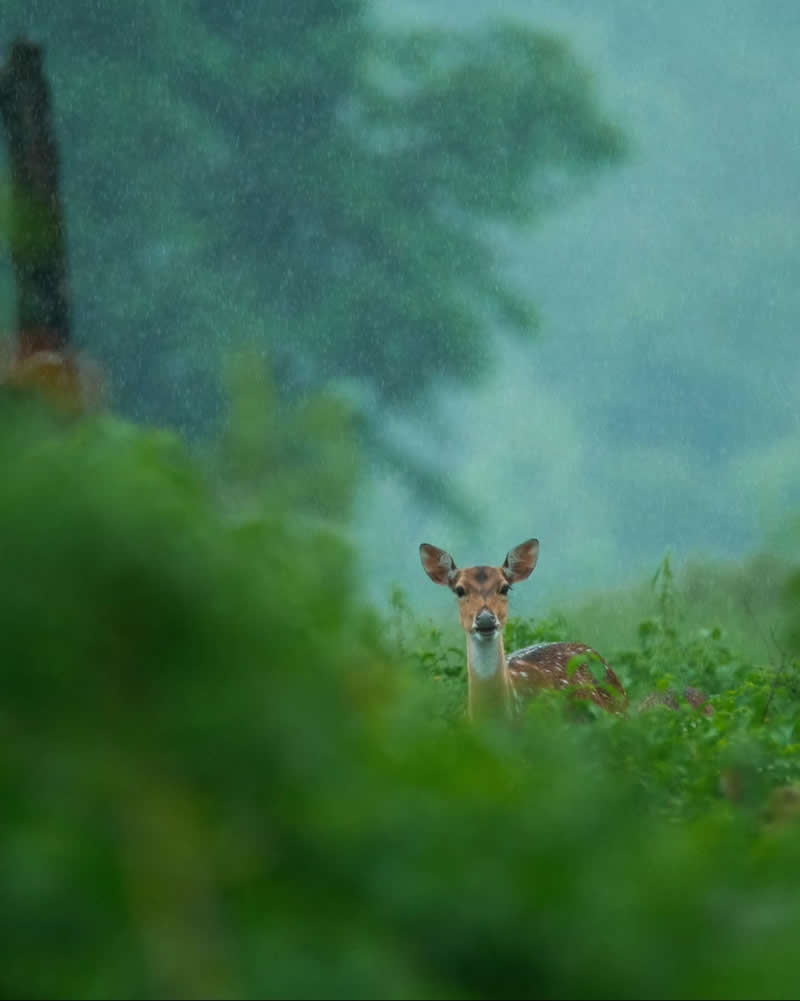
Animals and birds are often framed small within vast environments, emphasizing their relationship with nature rather than dominance over it. A lone deer in misty light or a bird resting against an empty sky becomes powerful precisely because of what’s left out. This minimalist style also creates emotional breathing room, letting the viewer slow down and connect.
In a genre often obsessed with intensity and close-ups, Ashok’s work feels refreshing—quiet, thoughtful, and deeply respectful of wildlife and their habitats.
#6
#7
#8
#9
#10
Chasing Morning Light and Golden Silhouettes
If there’s one signature element in Ashok Sikri’s work, it’s light—especially the soft, yellow glow of sunrise. Most of his images are captured during early morning hours when the forest wakes up slowly and shadows stretch like poetry across the frame.
Backlighting plays a huge role in his storytelling. Instead of revealing every detail, he allows silhouettes to do the talking. The curve of an animal’s posture, the spread of a bird’s wings, or the gentle tilt of a head becomes the focal point. This technique transforms ordinary wildlife moments into timeless visual stories.
That golden light isn’t just aesthetic—it’s emotional. It carries warmth, calm, and a sense of renewal, mirroring the peace Ashok feels in nature. Each sunrise shot feels like a quiet meditation frozen in time.
#11
#12
#13
#14
#15
Capturing Posture, Gesture, and Silent Drama
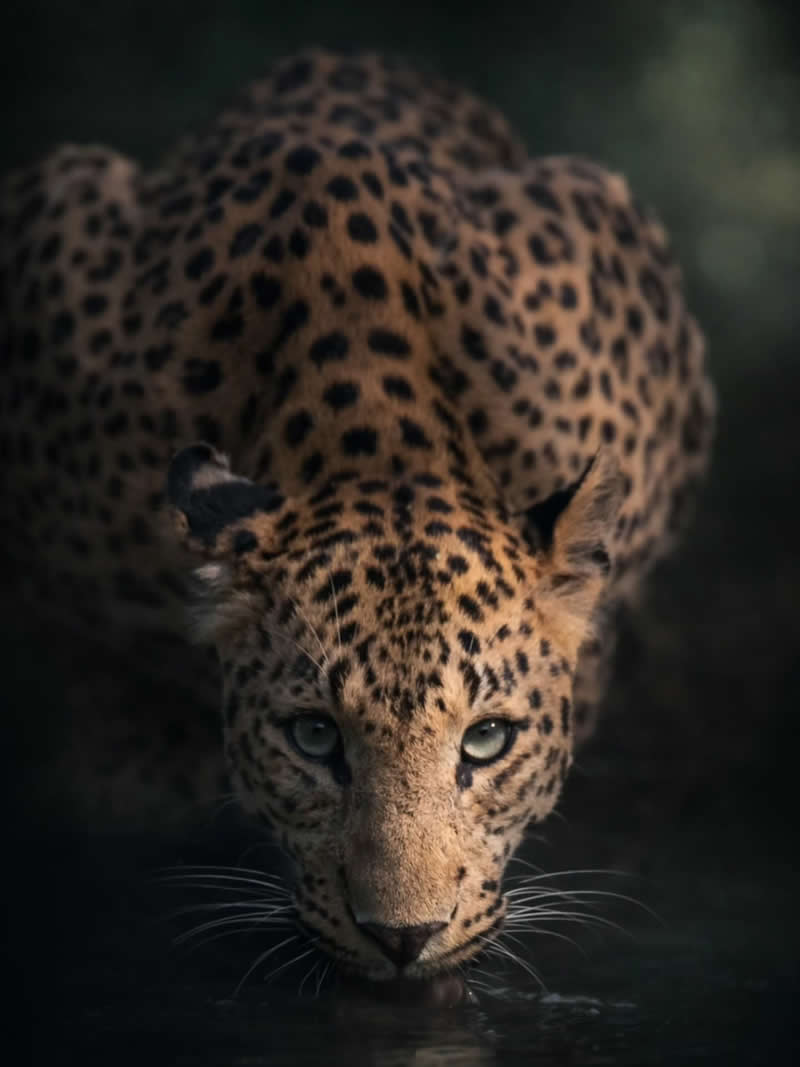
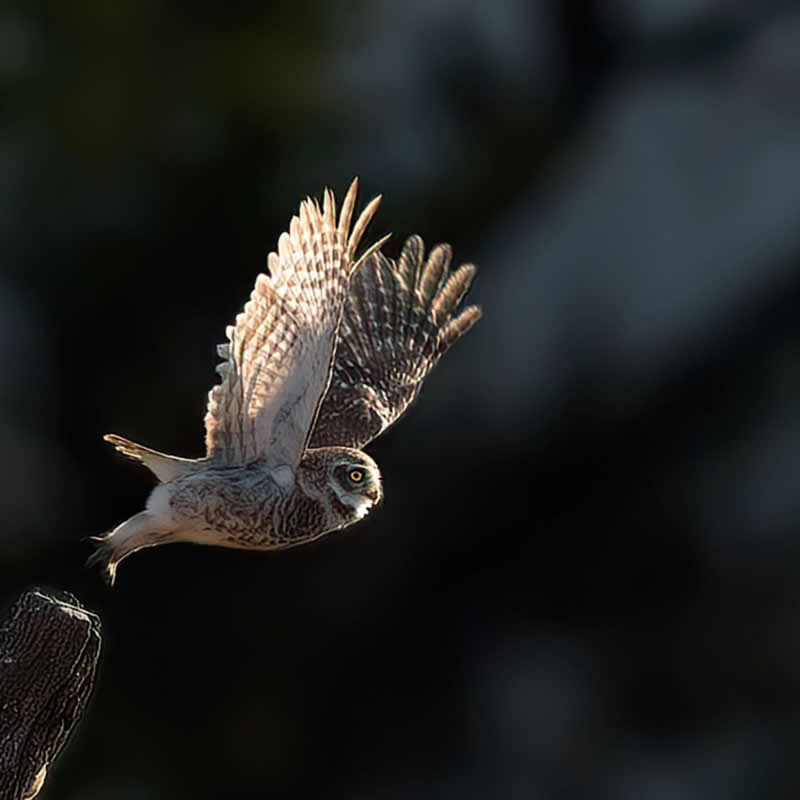
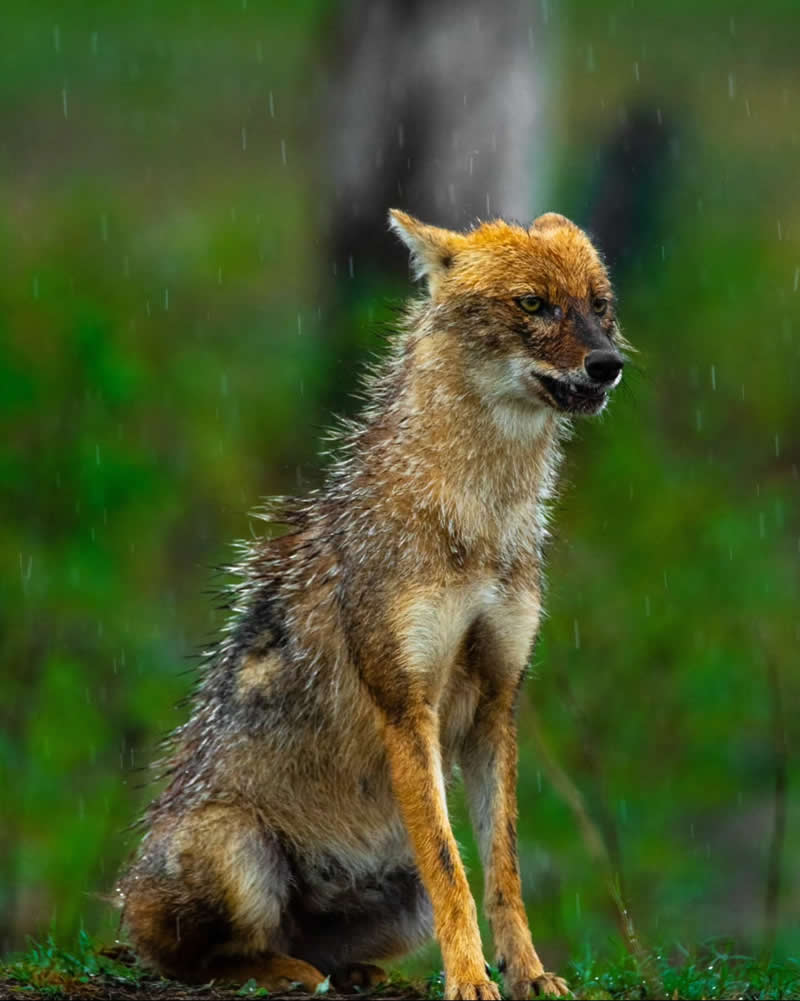
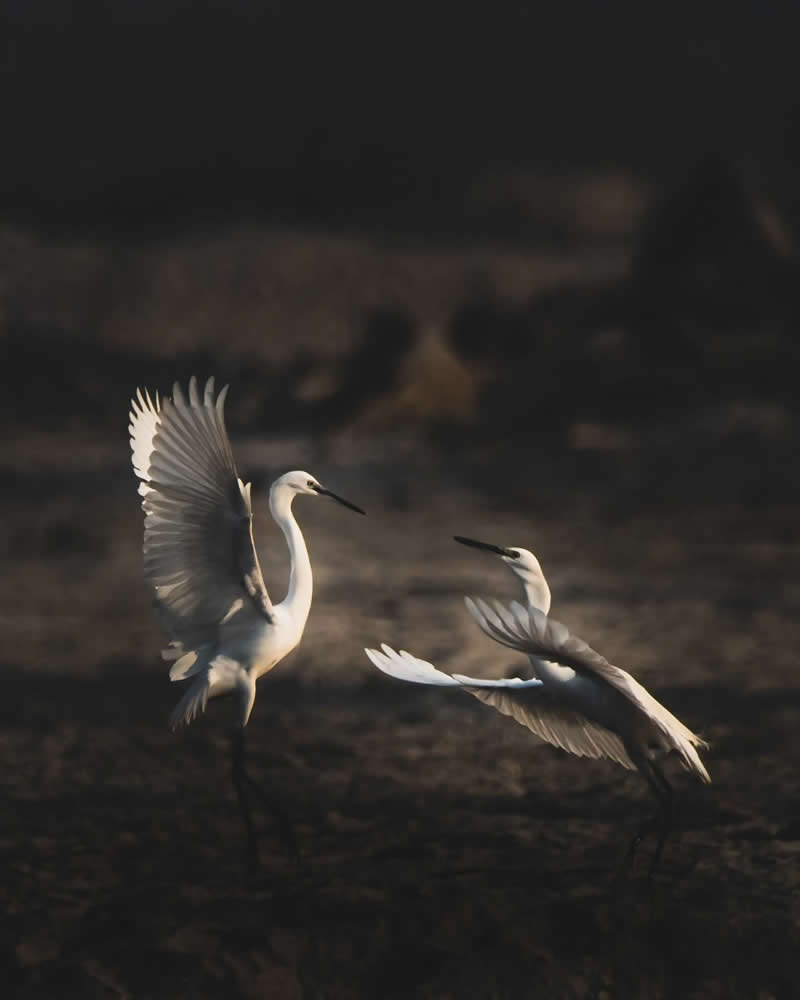
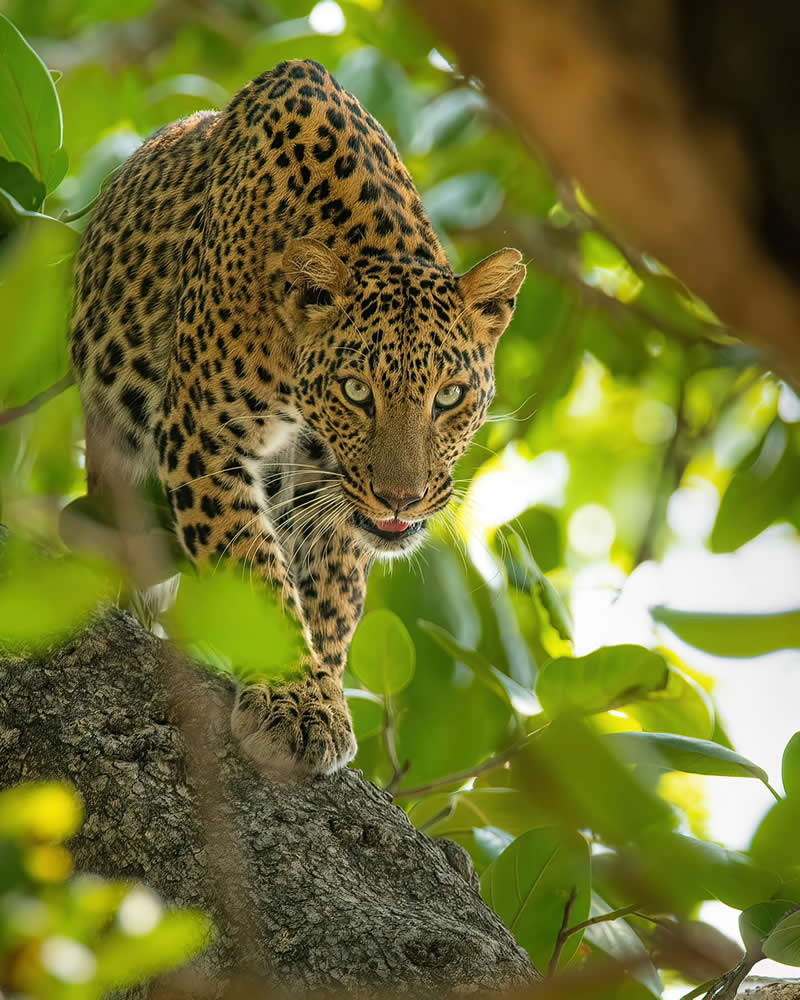
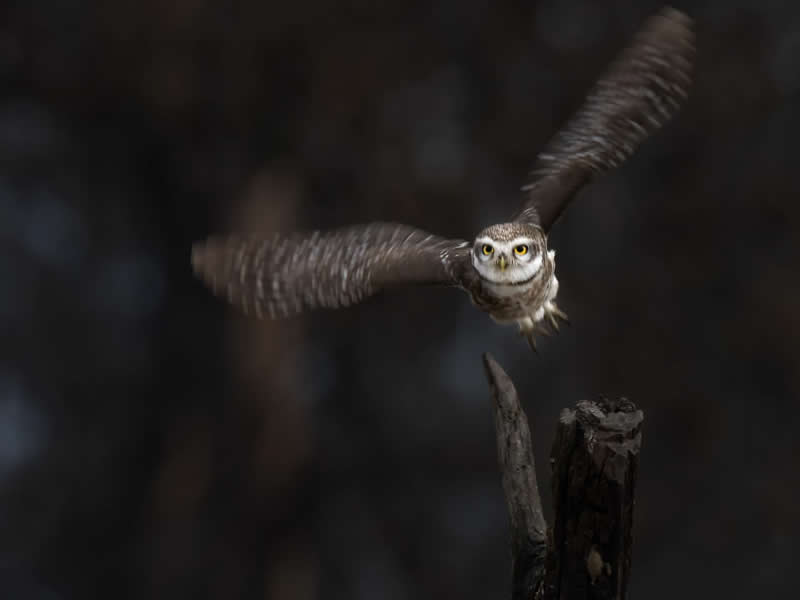
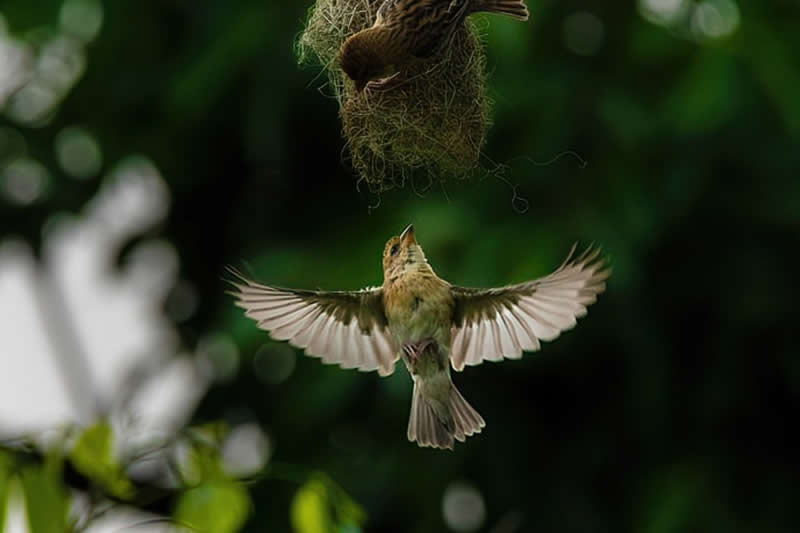
Ashok Sikri has a sharp eye for body language. His wildlife photos often hinge on a single perfect moment—a pause, a glance, a subtle movement that reveals character. He doesn’t rely on action-heavy scenes. Instead, he waits for posture and gesture to align with light and composition.
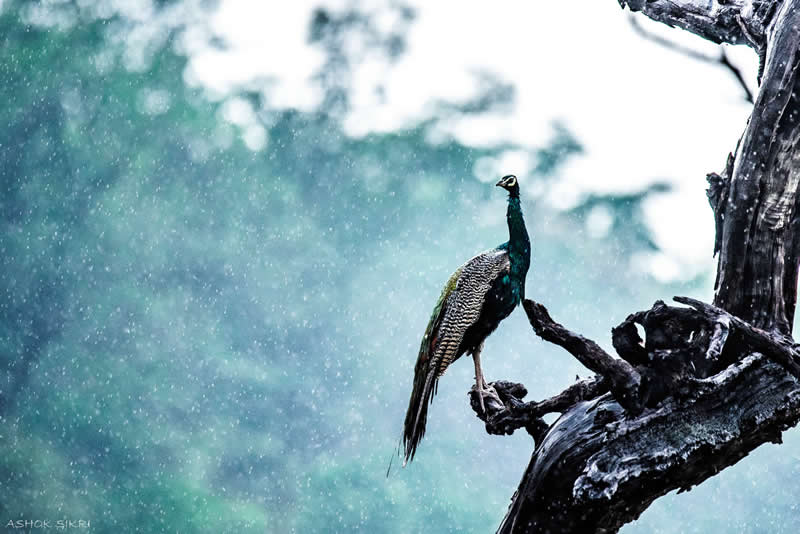
A bird standing still can feel majestic. An animal mid-step can suggest curiosity or caution. These moments aren’t staged; they’re patiently observed. That patience shows in every frame.
By focusing on posture rather than chaos, Ashok brings out the emotional side of wildlife. His images feel intimate without being invasive, dramatic without being loud. It’s storytelling through stillness—where silence says more than motion ever could.
#16
#17
#18
#19
#20
Indian Forests as Living, Breathing Backdrops
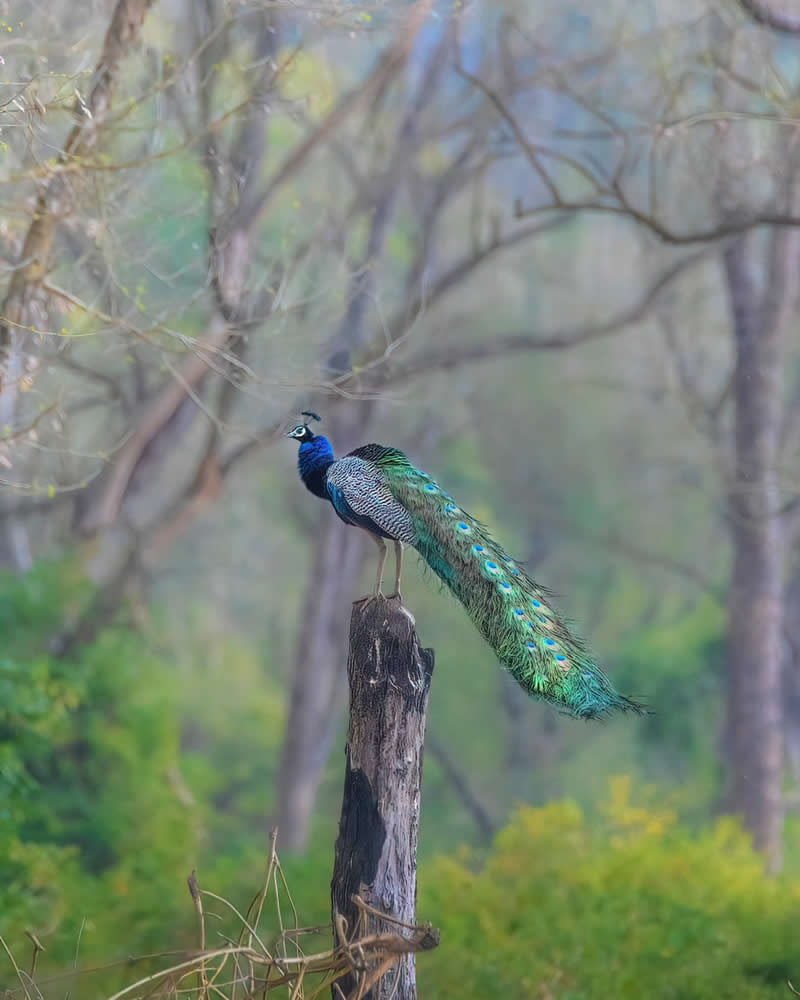
The forests of India aren’t just locations in Ashok Sikri’s photography—they’re characters. From dense woodlands to open clearings flooded with light, these natural habitats shape the mood of every image.
Rather than isolating wildlife from its surroundings, Ashok integrates animals and birds into the landscape. Trees, mist, grass, and sky all play supporting roles. This approach reinforces authenticity and respect for nature.
His frames remind us that wildlife doesn’t exist for our entertainment—it belongs to these forests. By showcasing animals in their natural environment, Ashok subtly promotes conservation through appreciation. The viewer isn’t just admiring beauty; they’re witnessing balance, harmony, and coexistence in the wild.
#21
#22
#23
#24
#25
Inspiration, Peace, and a Photographer’s Inner Journey
Ashok Sikri’s photography is deeply personal. Nature gives him peace, and his camera becomes a way to preserve that feeling forever. Each photo reflects not just what he saw, but what he felt in that moment.
Inspired by photographers like Mohan Thomas, Ashok has carved his own path—one rooted in calm observation rather than spectacle. His journey from hobbyist to internationally published wildlife photographer proves that passion, patience, and authenticity matter more than gear or grand plans.
These 30 photos aren’t just a collection of beautiful images. They’re milestones in an ongoing relationship with nature—one built on respect, silence, and wonder.
#26
#27
#28
#29
#30
In Summary
What makes Ashok Sikri’s wildlife photography unique?
- His minimalist approach, use of sunrise light, and focus on silhouettes, posture, and emotion set his work apart.
Where are Ashok Sikri’s photos mostly captured?
- Primarily in Indian forests, showcasing animals and birds in their natural habitats.
What time of day does he prefer for wildlife photography?
- Early morning, especially sunrise, to capture soft golden light and backlit silhouettes.
When did Ashok Sikri start photography?
- He began photography as a hobby in 2018, which later evolved into a serious passion and profession.
Which platforms have featured his work?
- His work has appeared on NatGeo India, BBC, Nikon Official, and other international platforms.






 English (US) ·